SFPMA

SFPMA Industry Articles | news, legal updates, events & education! 

Find Blog Articles for Florida’s Condo, HOA and the Management Industry. 

Aerial drone imagery and digital data provides engineers detailed, comprehensive information to develop effective repair and maintenance programs.

Aerial drone imagery and digital data provides engineers detailed, comprehensive information to develop effective repair and maintenance programs.

Falcon Drone Services, a subsidiary of The Falcon Group, is a multi-faceted aerial imaging company with a strong engineering and production background. We understand and can anticipate the needs of your facility.


Drone technology has become an essential inspection tool for the assessment, mapping, and planning of existing buildings, roadways, bridges and communities. Aerial drone imagery and digital data provides engineers detailed, comprehensive information to develop effective repair and maintenance programs. At Falcon, we refer to the integration of drone technology and engineering as Dronegineering.

Miles Abrams

Vice President of Falcon Drone Services

mabrams@falcondrones.us

(908) 864-0442


Our drones pilots can be utilized for a multitude of applications:

  1. Building Inspections
  2. Site Planning & Surveying
  3. 3D Modeling
  4. Thermographic Imaging
  5. Construction Safety & Progress Reporting
  6. Energy Audits & Leak Investigation
  7. Marketing & Promotional Videos

Contact us today! We would be glad to meet with you and discuss our capabilities, or even arrange for a demonstration flight.

[AdSense-B]

Tags: ,
The Algae Triangle: Managing Nuisance Aquatic Plants Without Pesticides

The Algae Triangle: Managing Nuisance Aquatic Plants Without Pesticides

The Algae Triangle: Managing Nuisance Aquatic Plants Without Pesticides

I frequently use herbicides and algaecides in my line of work. Having attended college and graduate school to be an Ecologist, it isn’t something I thought I would do very often, but with the frequency of environmental problems that involve invasive flora, nuisance aquatic weeds and potentially-toxic algae, EPA-approved pesticides are an invaluable tool. There are, however, times when pesticide use is impractical, imprudent, illegal or impossible. Maybe the HOA or property manager prefers that pesticides not be applied to nearby waters. Perhaps the regulatory bodies in a given area aren’t permitting the use of certain products. Whatever the reason, sometimes this option just isn’t on the table. But how do we effectively manage algae and weeds without pesticides?

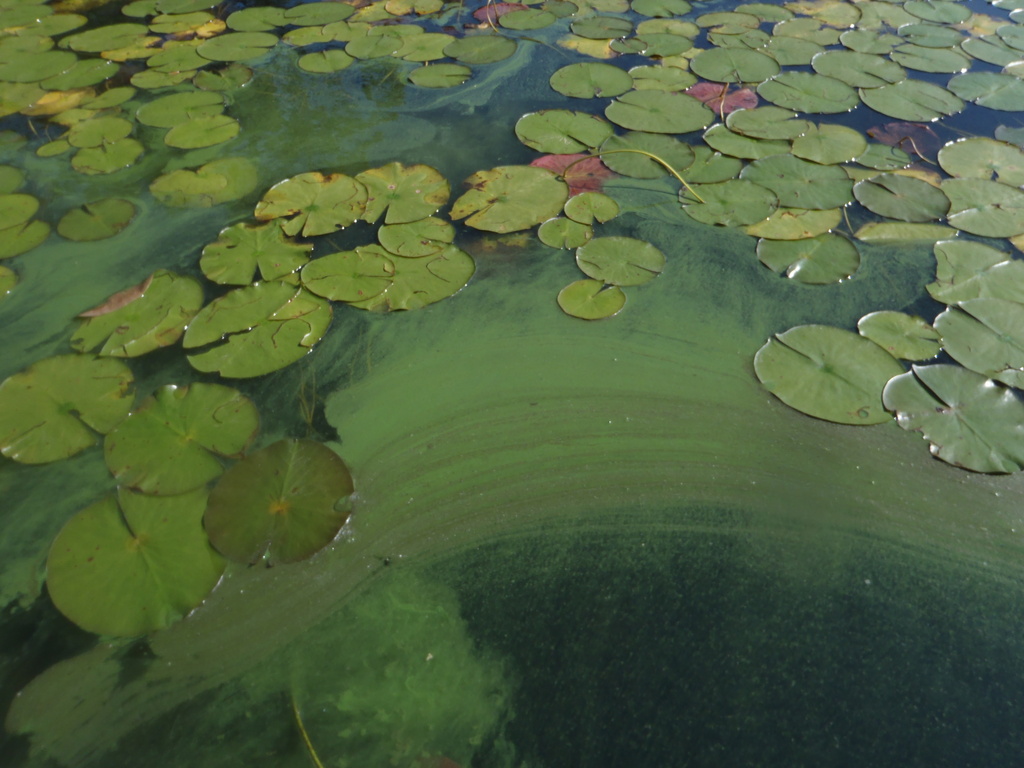
I employ a simple concept that I call the algae triangle, though it works for all forms of vegetation. If you had the same fire safety lessons in elementary school, you may remember the Fire Triangle, which is based on the idea that three elements are necessary for fire: fuel, oxygen and heat. If you have enough of all three, you’ll ignite a fire. Eliminate any corner of the triangle, and the fire goes out. Similarly, if you have water, sunlight and nutrients, you’ll likely develop some form of algae or vegetation. If the triangle becomes too imbalanced, the resulting plant species can become a nuisance.

Obviously, in the lake management field, we aren’t removing water from the equation, so establishing balance between each factor is the focus. Putting this concept into practice means understanding how sunlight and nutrients affect the ecology of the waterbody in question. Communities have several natural options to help mitigate against algae and aquatic weed growth, including limiting sunlight, improving water circulation and reducing excess nutrients.

If a stormwater pond receives full sunlight during the growing season, this directly impacts plants and algae by increasing water temperatures and providing the light necessary for photosynthesis. To prevent sunlight from penetrating the water column and stimulating the growth of deep submersed plants and benthic algae, water levels can be increased. Dredging is an effective strategy to increase the depth of a lake or pond, however, it is often the costliest project a community will ever face. Instead, proactive hydro-raking can help maintain existing water depths and prolong the need for dredging by removing unconsolidated muck and organic debris from the bottom of a lake or stormwater pond. Likewise, blue or black pond dye can be applied to reflect sunlight. Pond dye can enhance the aesthetics of a waterbody while simultaneously absorbing sunlight before it can penetrate the waterbody and fuel excessive plant growth.

In addition to thriving in water that receives lots of sunlight, algae and nuisance weeds also flourish in stratified waterbodies. A stagnant, sun-warmed layer floating on top of colder, deeper water can serve as a perfect habitat for undesirable species. Circulation with a diffused aeration system breaks this stratification and allows the water to mix more evenly, resulting in more consistent temperatures and less warming in the sunlit portions of the water. Aeration is also effective at improving the health of an aquatic ecosystem in a number of other ways, such as preventing oxygen depletion and fish kills, improving beneficial bacteria levels, and preventing the release of excess nutrients from the sediment. This brings us to the real meat and potatoes of preventative maintenance: nutrient management.

Phosphorous is the most important nutrient contributing to excess vegetation in lakes and stormwater ponds, and it can enter the water column in runoff containing lawn fertilizers, grass clippings, pet droppings, and waste from faulty septic systems. A number of nutrient reduction strategies should be considered if water quality tests reveal nutrient levels are too high. A professional lake manager can apply beneficial bacteria to the waterbody to utilize nutrients that would otherwise be available for plant and algae growth. Water quality can also be amended by using products that bind with phosphorous to keep it from becoming fuel for nuisance plants. Additionally, strategically planting desirable buffer vegetation around the shore of the waterbody can help to intercept phosphorus before it enters the water and is absorbed by unwanted vegetation. Your lake manager can help identify buffer plants that are native to your region.

When it comes to quickly and effectively managing nuisance aquatic weeds and algae, EPA-approved pesticides can be very useful, and in many instances, they are the safest and most practical option available. Nonetheless, natural and proactive management techniques can be tremendously effective at improving the health and appearance of almost any community waterbody before a problem occurs, which is why it’s important for homeowners associations and property managers to consider sustainable and holistic plant management methods whenever possible.


Tags: , , ,
Register Today! – CONDO & HOA EXPOS get information on booth availability, show sponsorship or speaking opportunities

Register Today! – CONDO & HOA EXPOS get information on booth availability, show sponsorship or speaking opportunities

Register Today! – information on booth availability, show sponsorship or speaking opportunities

This coming spring, L&L Exhibition Management has four events that give you the opportunity to meet and have face time with Property Managers and Board Members in South Florida.

If you would like more information on booth availability, show sponsorship or speaking opportunities, please call me at (800)-374-6463 or reply to this email.
 
Sincerely,
Contact:
-Nick Vedder
Show Manager
(800) 374-6463
Tags: , , , ,
Is it time to Clean your Air Conditioning Air Ducts and Filters.

Is it time to Clean your Air Conditioning Air Ducts and Filters.

With the passing of IRMA, We suggest cleaning your air ducts and change filters.

Sitting water causes mold even when your home’s Electric has been off for a while the humid air can cause ducts and filters to collect water. We think the best way to protect your family from health concerns is to Clean Duct work and A/C Systems Filter Replacement.

A wise person told me a while back “Change your Filter every time you pay your Electric Bill” I like this but we don’t think you have to do this monthly, But Every 2 months this should be completed.

The Environmental Protection Agency recommends cleaning air ducts when:

• You suspect mold exists in the air ducts.

• You notice a vermin infestation somewhere in the home, or you see insects or rodents entering or exiting ductwork.

• You see a visible “poof” of dust released from the supply registers when air is exiting the vents.

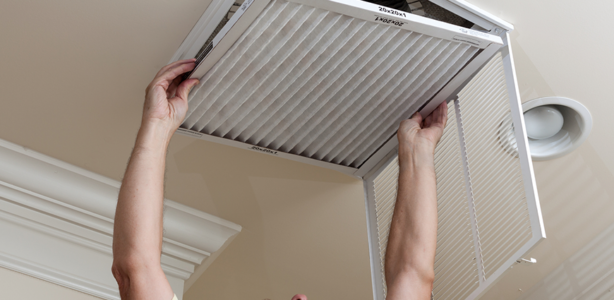
Experts recommends taking a look inside your air vent register. “If you notice black debris around the outside, that’s pollutants that have been recycled through the system over and over again, and that’s a sign your system is excessively soiled,” he says. “Also, take a look at your system when you change your filter. If there’s a lot of dust buildup in that area, that’s another sign you’re overdue for a cleaning.”

Our A/C systems do a good job of removing this humidity. But over time, the damp air — combined with dust and debris that get past the air filter — begin to accumulate inside the air handler, blower and even through the duct system of the air conditioner. And that provides a breeding ground for mold.


Find Local A/C Companies ready to  help with Cleaning your Air Conditioning Ducts.


Featured Members:  Find Top Companies working in the Property Management Industry.

SmithCo.:  Is a full service Residential & Commercial Air Conditioning company that can provide new installations, service, and maintenance to any system for any home or business.

First Call Services:  With more than 26 years of experience in the field with expertise in Moisture Assessments, Building Diagnostics, and Residential Central Air Conditioning System Design.

JOHNSTONE SUPPLY – FORT LAUDERDALE # 36: You may wish to buy top quality A/C Parts, Filters on your own.  > Vist Johnstone Supply.


Become a Member: Have your company listed on our Directory, being used by over 4500 Property Management, Condo and HOA’s all over Florida.


Tags: ,
Remember that it’s important to vet all vendors who do work at your properties!

Remember that it’s important to vet all vendors who do work at your properties!

Nothing should occupy more space in your mind than property maintenance.

And how you manage it often makes the difference between contented tenants and constant complainers, between praising your team and yelling at them. The good news is that you can avoid most of the hassles and headaches by simply taking full advantage of our property management vendors.

If you’re still handling maintenance with sticky notes, business cards taped to walls and numbers stored in your cell phone, there’s a lot you can do quickly and easily to improve not only your team’s enjoyment of their jobs, but also the loyalty and satisfaction of your tenants and maintenance providers. Here are some suggestions.

Continue reading

Tags:
It’s time to begin thinking about and planning for summer.

It’s time to begin thinking about and planning for summer.

There are a few things that you can do as a property manager to prepare now for a smooth-running summer.

Now is a great time to begin formulating a newsletter for your tenants that describes all of the things that you will be doing for them as well as what they can do to make their summers as cool and uneventful as possible. Communication is key to setting expectations about what your tenant is expected to do. Open communication with your community is Key for solving problems, Tenants and Owners are your eyes and ears. They live in the buildings they see things that may need to be repaired before you. With this with everyone working together you can get things done and stay on top of repairs in your buildings.

Tenants can help you help themselves by notifying you of any maintenance issues that may best be taken care of now rather than later. Things such as leaky faucets, stuck windows, and appliances that seem to be working a little less effectively than before are key items to look for.

Continue reading

Tags: ,
Pest Control for Construction Projects

Pest Control for Construction Projects

Whether you’re renovating an older-style building, or constructing entirely new, redesigning your building’s structure can be exciting. However, if the right precautions aren’t taken, new construction can also attract unwanted attention from pests.

To help prevent pest issues during construction and ensure your facility does not become home to pests once construction is complete, our member Scott Cooksey, Owner of Bug Thugs Pest Protection. Pest Control Specialist, explains how you can build pest management into your construction plans.

There are a variety of proactive measures your facility can take before, during and after the construction process to accomplish this, Let us explain:

BEFORE

hire-an-insect-control-service“Before construction even begins, it’s important to get two people on board: your pest management provider and your contractor. An experienced pest management provider can do more than prevent and manage pest infestations that pop up during construction….

“When involved from day one, he/she can also provide feedback on building materials and locations that will be the least attractive to pests, and help you build measures into your construction plan that will lead to a successful pest management program when the doors to your new facility finally open,” He Said.


Several tips your pest management professional may provide include:

  • Use non-cellulose building materials to deter termites.
  • Consider applying a preventive termite barrier to the property.
  • Use pest monitors to assess pest populations in the surrounding area.
  • Understanding which pest species will be a threat will help you determine what steps you need to take to deter them.
  • Understand geographic conditions.
  • Selecting a location for your facility near a water source might create additional pest pressures.
  • Sufficiently grade the property to prevent puddles from forming around the foundation.

Remember, moisture attracts pests like mosquitoes and termites. Even though your management team may be the ultimate decision maker, it will be up to your contractor to take the lead on pest management during his/her work.

Tags: ,
The Falcon Group Acquires Maxim Management Group

The Falcon Group Acquires Maxim Management Group

MIAMI–In July 2016, The Falcon Group completed its acquisition of Maxim Management Group, an industry-leading project management and owner’s representation firm in Miami, Florida. The recent acquisition advances The Falcon Group’s mission of providing full-service engineering, architectural and project management solutions to the multi-family residential, commercial and hospitality market sectors.


News The Falcon GroupAs part of said acquisition, Max Sadik joins The Falcon Group as a Restoration Specialist. He is an experienced business operator and certified general contractor in the State of Florida. “I am excited to bring my sales and management experience to The Falcon Group,” says Sadik. “And believe there is going to be great synergy between myself, the team and our clients moving forward.”


The combination of the two companies will increase the value The Falcon Group delivers to its client base. “We are very excited about our recent business venture, said Principal William Pyznar. “Adding the local project management and general contracting background to our already strong restoration engineering and management team will bring a deeper level of insight and service to our clients in Southeast Florida. We look forward to providing a focus on clear, constant, transparent project communication and value engineering to exceed the expectations of our clients, with long-term durability in mind.” 

Tags: , ,