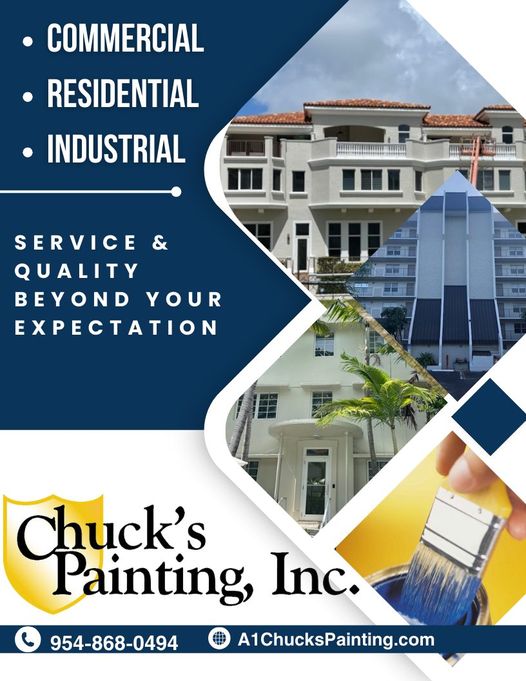
Call Chuck’s Painting Inc. Today for All Your Residential, Commercial and Industrial Painting Needs
A1 Chuck’s Painting
Alex Manganiello Owner/President Cell: 954-868-0494 Fax: 954-966-3371 E-Mail: a1chuckspainting@yahoo.com
We are a full service painting company we provide the highest level of quality and service and we are capable of handling all of your painting needs. We specialize in Interior/Exterior Residential painting Townhouse communities Condominium communities Commercial buildings Shopping Plazas and Business Parks.
ATTN: If you are a Painter Chucks Painting is looking for Painters to work on the projects we have. Great Pay for the right people.
Comments: Comments Off on 30/40 Year Building Recertification: Your Property Depends on it.
30/40 Year Building Recertification: Your Property Depends on it.
Building inspections are crucial for maintaining the safety and integrity of buildings. This is particularly true here in South Florida due to our region’s unique climate and environmental conditions. High humidity, Salt Air, extreme heat, and the hurricane season can all cause damage to building’s structure and envelopes over time. These are some of the reasons why building recertification has become mandated in South Florida every 30 or 40 years, depending on the building’s age.
Identifying Hidden Problems
Building inspections are essential to identify underlying problems that may not be readily apparent to residents. For instance, buildings may develop foundation cracks, leaks in the roof, or other issues that can pose significant risks to the property’s structural integrity. Regular inspections can catch these issues early and detect severe problems that may cause serious water damage or building collapse.
Building inspections can prevent these situations, uncover hidden issues, and allow for prompt repair or replacement. Identifying problems early on can also save property owners money and time by preventing more severe cases from developing. Deterioration in coastal environments is a progressive problem that will cost more to address as time passes. By addressing these problems, property owners can promote their buildings’ safety and structural integrity.
Cost Savings
Building inspections can provide property owners with significant cost savings in the long run by identifying potential issues early on. Often, structural engineers can find problems during an inspection that can be repaired immediately at a lower cost than if they were allowed to escalate into more significant issues.
For example, if a building inspector discovers a small leak in the roof, the property owner can have it repaired before it causes more extensive damage to the interior of the building. If left unattended, this leak could cause extensive water damage, resulting in costly repairs and possible damage to the building’s structure.
Inspectors may identify areas in the building that could be more energy-efficient. In this case, the property owner can upgrade the building’s insulation, HVAC, or lighting systems—leading to significant savings in energy costs and reducing the property owner’s overall operating expenses.
Experience and Expertise
Structural Workshop has extensive experience conducting building inspections. Our experienced engineers and inspectors work closely with clients to help them keep their buildings safeand well-maintained. Whether you are a property manager, building owner, or homeowner, we can help you navigate the complexity of building inspections. Please get in touch with us today to schedule a recertification or learn more about our services.
If your company needs marketing please contact our member Jessica Vail Vail Marketing Solutions (908) 528.4087 www.vailmarketingsolutions.com
Many engineering firms do not offer residential services. But United Professional Engineering (UPE) does.
We understand the residential market and the homeowner and we value their business. Only a licensed, structural engineer can provide accurate assessments and solutions for a home buyer or seller.
Residential Structural Inspections
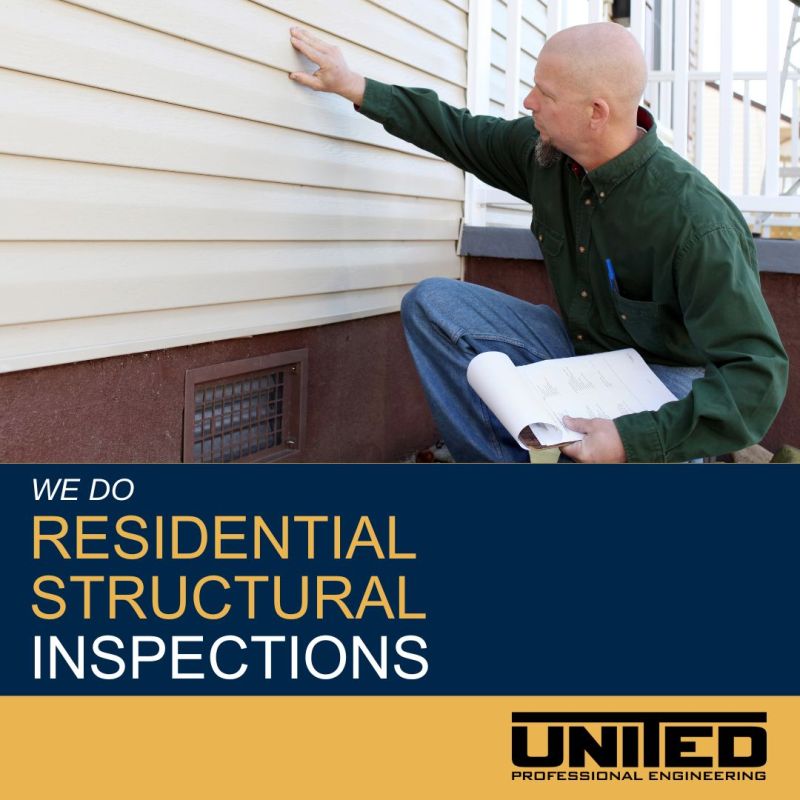
Many engineering firms do not offer residential services. At UPE, we understand the residential market and the homeowner. We value their business and our team is proud to service this sector. Most of the work that we perform for residential homeowners begins with an onsite engineering assessment. Our licensed, structural engineers make a site visit to the property. We survey the areas of concern and assess the severity of the structural problems in question.
After a site investigation is conducted, our structural engineers prepare a structural engineering report outlining onsite findings, identifying probable cause of the structural issue and recommendations for remediation of any structural deficiency uncovered. We provide our clients with a photograph log documenting existing conditions at the time of the site visit. Only a licensed, structural engineer can provide accurate assessments and solutions for a home buyer or seller. Give us a call today!
Provides a unique “one-stop-shop” for all your structural engineering needs in Palm Beach and Broward County. Our South Florida area founded firm has been in business since 1999 and we have a diverse team; from licensed designers and structural engineers to inspectors and general contractors. For that reason, our projects range from designing and restoration to structural inspections and more!
We understand how valuable your time is and we are committed to providing our industry leading expertise to your next project. Our team welcomes any and all challenges to ensure a smooth and cost effective project for all our clients and everyone involved. Your journey with us is important, and we take pride in making it memorable!
At UPE, we understand it is hard to find a service provider you can trust and count on and we are here to change that.
Today, one of the largest investments is building a structure and how to maintain its lifespan. Structural integrity, environmental factors, atmospheric elements, and maintaining aesthetics are all important factors that we evaluate very carefully, when working on a project.
Our highly qualified licensed designers, engineers and general contractors promises to ensure your investment is protected. We believe it’s important to exhibit and maintain an open communication network, while working towards each of our client’s best interests, as well as everyone involved.
We are committed to structural safety and serviceability, identify equilibrium conditions, resolve limitations and utilize preventive and corrective maintenance behavior. UPE is here to help accomplish each milestone of your project, together!
Comments: Comments Off on Florida Building Inspections By: Structural Engineering and Building Consulting firm – Joe DiPompeo, PE
Florida Building Inspections
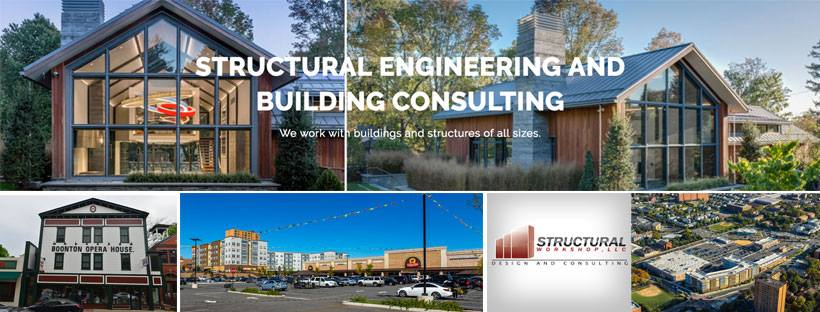
Structural Engineering and Building Consulting firm
By: Joe DiPompeo, PE
Building inspections are a critical component of property management in the state of Florida. They help to ensure that buildings are maintained in good condition and meet building codes, which is essential for protecting both tenants and property owners.
First and foremost, building inspections are necessary to ensure that buildings are compliant with certain codes and regulations. In Florida, building codes are set by the Florida Building Code (FBC), which establishes standards for the construction, maintenance, and repair of buildings in the state. These codes cover everything from electrical and plumbing systems to fire safety and structural integrity. While most codes are applicable to the construction of the building, Florida has significant codes and requirements throughout the life of the building, such as structural and electrical recertification inspections. Failure to comply with these codes can result in fines, legal action, and even the closure of the building.
By conducting regular inspections, property managers can identify any issues that may be in violation of these codes and requirements and take corrective action before they become serious problems. For example, an inspector may find deteriorating structural concrete or issues with the electrical wiring. These issues can be addressed before they put the safety of tenants and the property at risk or become a larger, more expensive problem to fix.
In some places, such as Florida, there are mandatory ordinances which enforce regular building inspections. These inspections should be conducted by a certified Professional Engineer and then file a report with the local building department or and/or state. If these requirements are not met, the property owner or manager will receive a fine.
Furthermore, building inspections can also help property managers identify maintenance needs. Over time, buildings can experience wear and tear, and components can break down. By conducting regular inspections, property managers can identify these issues and take corrective action before they become more serious and costly to repair. This can help to extend the lifespan of the building and save money in the long run.
Moreover, building inspections are essential for protecting property values. Properties that are well-maintained and free of hazards are more attractive to tenants and can command higher rents and sale prices. Regular inspections can help to identify issues that may be causing damage to the building, such as water leaks or structural issues. By addressing these issues early, property managers can prevent further damage and ensure that the building maintains its value.
Finally, building inspections can also provide peace of mind for property owners and tenants alike. By knowing that the building is being regularly inspected and maintained, owners can be confident that their investment is being protected. Tenants, on the other hand, can feel reassured that they are living in a safe and well-maintained environment.
In conclusion, building inspections are a crucial part of property management in Florida. They help to ensure compliance with building codes and regulations, identify potential hazards, identify maintenance needs, protect property values, and provide peace of mind for owners and tenants. By conducting regular inspections, property managers can prevent serious problems from occurring and ensure that their buildings are safe and well-maintained and compliant with state and local requirements.
Structural Workshop
Structural Engineering and Building Consulting firm
Comments: Comments Off on Building Envelope & Façade Inspections -Our structural engineers will design, plan and execute your project, tailored to suit each individual’s specific needs and budgets.
Our structural engineers will design, plan and execute your project, tailored to suit each individual’s specific needs and budgets. Our engineers will inspect all materials used to ensure the strength and stability of your structure from low-, mid-, to high-rise structures and facilities. Falcon’s engineers pride themselves on ensuring the services and recommendations provided to each of our clients are held at the desired level of individualized care and attention.
High Rise & Mid Rise Façade Inspections & Repair/Restoration/Replacement
Stucco & Exterior Insulation Finish Systems (EIFS) Evaluations & Repair
Firewall / Fire Separation Assembly Inspections & Remediation
Building Envelope & Façade Inspections -Our structural engineers will design, plan and execute your project, tailored to suit each individual’s specific needs and budgets. By A leader in the industry by providing professional, cost effective and innovative architectural and engineering designs, solutions and services through the use of highly qualified staff and outstanding customer service.
View the recorded webinar
In case you missed it! Below is the link to the recording from yesterday’s fantastic webinar featuring Sinisa Kolar, P.E., Principal, on Extreme Weather in South Florida and Preventative Maintenance.
Florida Laws now require all 3 stories or taller buildings to undergo Condominium Structural Safety inspections. EMA Structural Forensic Engineers can help you fulfill your needs to comply with the new laws.
Structural Engineers
EMA help architects, builders, and developers to get high-quality structural engineers services including structural engineers design, structural analysis for buildings, structural drawings preparations, structural peer review, 40 Year structural Inspections of building throughout Orlando, Daytona, Tampa, Clearwater, Miami-Dade, Broward & Palm Beach Counties. The 40 Year inspections are done to validate the structural soundness of a building’s components such as framing, foundation, beams, columns, posts, or trusses.
Milestone Inspections
A Milestone Condominium Structural Inspection is a structural inspection performed by licensed engineers like EMA Structural Forensic Engineers of a building conducted for the purposes of determining a buildings’ life safety and structural component integrity or adequacy. A Milestone Structural Inspection must be performed by a licensed engineer or licensed architect.
For Condominiums located within three (3) miles of the coastline, each building within the community that is three (3) or more stories high, must be inspected by December 31 of the year in which the building turns twenty-five (25) years old, and then subsequently every ten (10) years thereafter.
Storm Damage Assessments
EMA licensed Professional Engineers do post storm damage assessments. In case of natural disasters including hurricane, storm and flood damage, a quick and coordinated recovery is key. We have engineers & inspectors experienced in investigating flood damage claims. We are prepared to mobilize our staff of engineers, certified inspectors, and technicians to aid in the recovery process. To assist in coordinated long term recovery, our structural & forensic engineers offer the following areas of expertise:
Flood damage inspections to residential & commercial buildings.
Structural damage assessment
Forensic Engineering related to building collapse
Foundation collapse analysis
Roof wind damage reportsContact Us: Orlando/Daytona: (321) 355-6052 Tampa: (813) 398-5383 Email: info@EMAengineers.com
From the design of new buildings to the construction materials and technologies used to repair and maintain existing structures, we are uniquely qualified to provide a full range of global building envelope consulting services to help prevent and eliminate problems.
Performance for the Life Cycle of Your Project
Committed to utilizing sustainable materials and methods as applicable, we proactively address performance issues to improve the way buildings are constructed and maintained.
View our building envelope services:
Building Envelope Assessments
Façade Inspections
Façade Restoration
Historic Preservation
Pavement Engineering
Roof Consulting
Waterproofing and Weatherproofing Assessments and Design
Building Envelope Assessments
The Rimkus Built Environment Solutions team can provide a complete assessment of a structure’s building envelope (façades, roofs, windows, balconies, walkways, parking areas, etc.) describing the condition of such and all items in need of repair. A recommended timeline and a projected construction cost will also be provided to assist the owner in projecting future budgets. For a full survey of all building components, Rimkus can increase the scope of the survey and provide a full Property Condition Assessment (PCA) including mechanical, electrical and plumbing systems, elevators, and interiors. Building envelope assessments and PCAs are typically provided with 5- or 10-year projections; however, they may be customized to the client’s needs. These reports can be utilized as a tool to help create capital expenditure budgets and establish maintenance schedules.
Contract Administration
Retaining Rimkus to handle your Contract Administration services on your roof construction projects will provide you with seasoned professionals who know how to control costs and long term outcomes. You will experience greatly improved transparency and accountability from your contractors and you will also be far more likely to maintain critical schedules, budgets, and deadlines on your projects. Rimkus achieves these benefits by maintaining a free flow of information between the Contractor and Owner. Our services also include payment certification and preparation of change orders for any additional work that may be encountered during the course of the project. We strive to protect our clients by confirming that the solutions you invest in meet all of your roofing and building portfolio needs. At Rimkus, you will find a level of personal attention on every project that is unmatched by any of our competitors. Trust in our veteran team, state-of-the-art technology, and our decades of experience in the industry. We offer:
Contract Administration
Schedule, budget, and deadline maintenance
Minimization of building occupant disruptions
Payment certification
Preparation of change orders
Review of shop drawings / material submissions
Diagnostic Testing
To properly assess the condition of your roof we need to determine its composition, quality, and moisture content. At Rimkus, we can accurately assess each of those factors with our Destructive and Non-Destructive Testing protocols. It is one of the steps taken during your Roof Condition Analysis and a necessary tool in projecting the life expectancy and long-term costs of your roof. We can also use the results to save you money by identifying problems before they become catastrophic. We strive to protect our clients by confirming that the solutions you invest in meet all of your roofing and building portfolio needs. At Rimkus, you will find a level of personal attention on every project that is unmatched by any of our competitors. You can place your trust in our veteran team, state-of-the-art technology, and our decades of experience in the industry. We offer a variety of diagnostic testing methods:
Infrared thermography
Tramex moisture meter
Electrical Field Vector Mapping (EFVM)
Core cut testing
Delmhorst Probe
Façade Inspections
When façade elements fail, components could fall, thereby putting people and property at risk. As a response to this, many cities have passed façade ordinances to identify unsafe conditions, such as loose façade components or materials that may fall and cause damage to property or injury to pedestrians. At Rimkus, we provide professional building inspections supported by recommendations and design for proactive maintenance and repair programs. Façade inspections typically fall into one of the following categories:
Safe: Requires no attention
Safe with a Repair and Maintenance Program: Requires repairs or maintenance within a time period designated by the professional in order to prevent deterioration into an unsafe condition
Unsafe: Has no reliable means of structural support and is dangerous to persons or property. Requires prompt remedial action.
Conducting Inspections Inspection requirements range from visual inspection of street-facing façades by architects, engineers, or contractors, to “hands-on inspections” that require licensed engineers or architects to physically touch façade components for each elevation of the building along the entire height of each elevation. Typically, inspections are required for buildings over five stories, with inspection frequencies ranging from two to five years. Our experts are well versed in façade condition assessments and have the experience and knowledge needed to identify repair details as well as oversee the completion of the repairs on behalf of the property owner.
Façade Restoration
The appurtenances of a façade (balconies, fire escapes, etc.) often deteriorate faster than the façade itself and therefore require particular attention and, often, increased maintenance. Repairs to these elements should be addressed in a manner that will prolong the useful life of the appurtenance as well as the repairs performed. The Rimkus Building Envelope team can assist in all phases of façade restoration. We are well versed in façade restoration, with a long track record of success on projects varying from low-rise commercial and residential buildings to luxury high-rise towers. The façade, while best known for its aesthetic, also provides structural support for a building and vertical weatherproofing for its interior spaces. All three of these components should be analyzed during façade restoration. Performing a thorough analysis of the building’s façade prior to design, Rimkus provides a detailed list of findings and recommendations for immediate repairs as well as preventative maintenance to completely address façade functions. At Rimkus, we believe that the key to a successful façade restoration project often occurs before the contractor arrives on-site. A thorough and detailed pre-construction effort, including preliminary investigation, preparation of contract documents, bid process and review, pre-construction meeting(s), and review of all mock-ups and submittals, will often eliminate unnecessary costs and construction delays.
Historic Preservation
Rimkus has had the distinct pleasure of working on numerous historic and landmark structures, including both high-rise and low-rise office buildings as well as a number of ornate residential buildings. Exhaustive research, early coordination with all governing agencies, and involvement of qualified experienced professionals are all essential components in the preservation of these delicate historic structures. When analyzing and repairing the building envelope of historic structures a conservationist perspective is preferable, full-scale repair or replacement is not always best. Thorough documentation of existing conditions including sketches, photographs, and cataloging of deteriorated elements is imperative to the restoration process. The use of new technologies to eliminate unnecessary probes and demolition is advisable. By incorporating the use of laser scanning, Rimkus can achieve an unprecedented level of detail and accuracy during the design phase often without the need for hands-on visual inspections. In addition to providing thorough contract documents; these laser scans will allow for the creation of 3D models of decorative stone units for shop drawings and mold casting.
Leak Investigations
Rimkus offers a thorough approach to leak investigations, recognizing that a successful investigation requires pursuing all possible sources of water infiltration. With years of experience, Rimkus understands that there may be multiple factors contributing to a leak. Rimkus offers a range of services to assist in determining the source(s) of water infiltration, including hands-on and visual inspections, non-destructive testing techniques, and more traditional methods of probes and water tests. Our non-destructive testing techniques include the use of infrared imaging to identify thermal anomalies and moisture-compromised insulation, the use of roof and wall moisture scanners and moisture meters to perform impedance testing and identify the relative moisture content of the material, and electronic leak detection (electric field vector mapping) to identify the precise location of water infiltration.
Roof Condition Assessments
Rimkus recommends a roof condition assessment to better understand the life expectancy of a roof and to address an immediate concern. The result is a promptly delivered roof analysis outlining the strengths and weaknesses of the existing roof system. Our findings are put into a clear and legible report that includes photo evidence, illustrations, and a colored AutoCAD roof plan. We believe that a high level of clarity and transparency is crucial to help our clients make informed decisions. Many of our technicians are RCI Inc., RRC, and RRO certified. Our emergency leak responders can diagnose numerous problems on the spot and expedite the remediation strategy. Capital planning is also an important component that we provide as part this process. We believe it is important to provide our clients with a strategy for future investments and expenditures to meet both the short and long-term budget plans.
Waterproofing and Weatherproofing Assessments and Design
Rimkus assists in the evaluation of existing roofing/waterproofing systems, as well as the design and construction administration of the repair or replacement, of all roofing/waterproofing systems including:
Single Ply (Thermoset and Thermoplastic) Systems
Modified Bitumen Roof Systems
Fluid-Applied Liquid Membranes
Vegetative/Green Roofs
Balcony Waterproofing
Below-Grade and Sidewalk Vault Waterproofing
Similar to most aspects of construction one size, does not fit all with respect to roofing and waterproofing systems. Several factors determine the appropriate system for a particular building, including:
Building Code Regulations
Requirements of Owner’s Insurance Provider
Climate and Wind/Weather Exposure
Frequency and Type of Foot Traffic
Intended Use (of Roof Surface and Interior Space Below)
Mechanical Equipment and Exhaust Units
Overall Size
Roof Slope
Desired Life Expectancy
Owner’s Budget
Number of Penetrations
Roof Deck Composition
Several commonly overlooked processes can be established during the installation of a new roof that will help reduce the cost of future maintenance and extend the service life of the roof system:
Leak detection systems can be installed in most roof systems to use as a quality assurance tool and to allow for easy identification of future leaks. This is particularly important in roofs with an overburden (i.e., inverted roof systems and vegetative roofs). A custom-tailored roof inspection and maintenance schedule should be provided for the owner’s use in prolonging the useful life of the roof system and minimizing the risk of leaks resulting from roof damage.
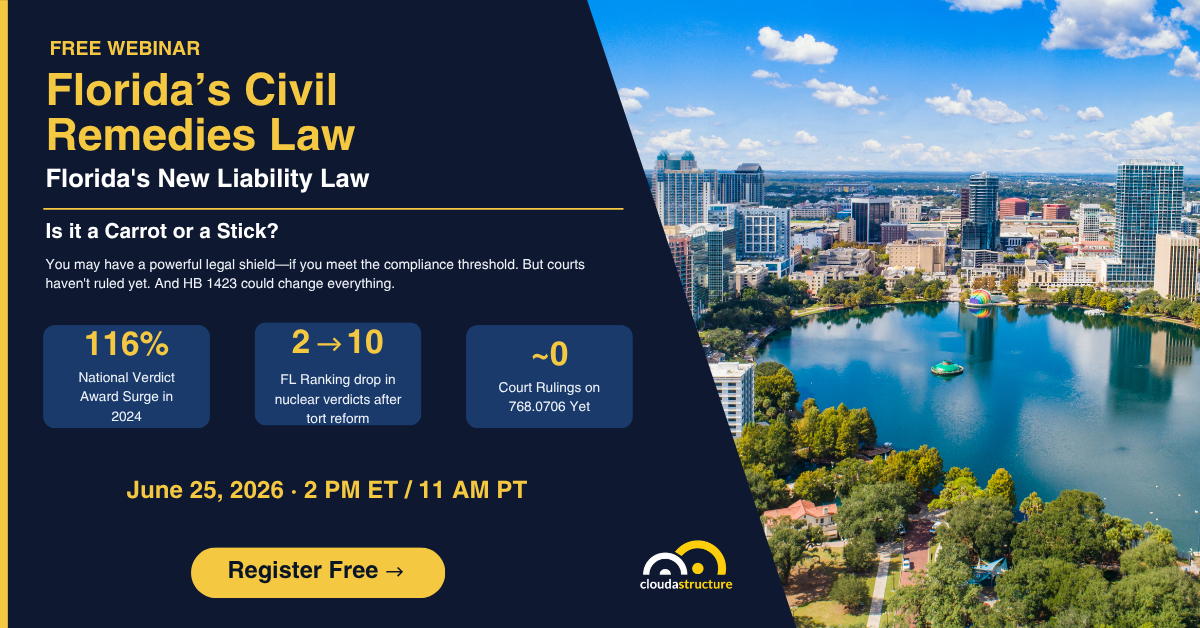
Comments: Comments Off on Free Webinar: Nuclear Verdicts Are Still Happening. Are You Protected?
Nuclear Verdicts Are Still Happening. Are You Protected?
Tort reform moved Florida from 2nd to 10th nationally in nuclear verdict payouts – payouts over $10 million. That’s progress — but national verdict awards jumped 116% in 2024, and plaintiff attorneys are watching. Florida liability attorney Amanda Podlucky and security expert Randy Atlas join us June 25 to tell you whether the Civil Remedies certification can help protect you.
Florida gave multifamily owners a legal shield against negligence lawsuits — but no court has tested it yet. One ruling could change everything. Join attorney Amanda Podlucky of Cobb/Gonzalez and CPTED expert Randy Atlas on June 25 to find out if you actually qualify for the protection — and what gaps could still cost you. Free. Online. One hour. 👉 Reserve your seat
Kathleen Hannon
Sr Director of Communications | Cloudastructure, Inc.
5 examples of HOA websites (plus important features)
Almost every company and business has a website today – and for good reason. Anyone who wants to know more about you, or the products or services you provide, is going to search for you online. A well designed, user-friendly website helps ensure prospective clients convert to long-term customers.
Now, a homeowners association isn’t exactly like a business, but there are many similarities. HOAs must keep homeowners informed, collect payments (in the form of fees or dues) and advertise the community to prospective homebuyers. These are just a few of the many reasons why HOAs are strongly encouraged to have their own community website.
How a website can help HOAs operate with fewer glitches
An HOA website acts as a secure platform for sharing and receiving essential information like news, announcements, notices, forms, governing documents, resources, directories, and more. Instead of having to ask management or the board about upcoming member meetings or request an architectural change form, owners can log on to the association’s website and immediately get everything they need from one place.
The best websites will have a secure portal or page that only members can access. This helps with information sharing while being mindful of security and privacy.
Public photos of events, amenities and the HOA can also be shared to showcase the best of your community and entice prospective buyers. It’s an affordable and effective way to advertise.
Administrative tasks, such as maintenance requests or payments, can be streamlined and automated when they are brought online. Best of all, having an online system keeps everyone more accountable. Once a payment is made or a request is submitted, proof of that action is immediately available to management and owners.
Some states have made websites mandatory for associations
In some states, websites are actually required for larger communities. In Florida, if your condo association has 150 or more units, then it must have a website that complies with specific requirements (timeshare units are excluded).
Texas just put a similar rule into effect for HOAs with at least 60 lots, or any association under contract with a management company. These HOAs must make the most current version of the association’s “dedicatory instruments” relating to the association or subdivision—and filed in the county deed records—available on an internet website. Information must be maintained by the association or management company working for the HOA; it must be made available to all members.
When it comes to maintaining a happy and efficient HOA, communication is key. User-friendly technology has given HOAs an opportunity to improve connectivity and engagement. A website is one tool that will help HOA members to stay informed and involved. Apathy can lead to a fractured and stagnant HOA; a website encourages the opposite.
Why don’t more HOAs have websites?
Websites have come a long way, and with so many DIY platforms available, it’s become much easier to make one. But some boards may still be apprehensive about having a community website, while others may be worried about the time or costs involved in maintaining it. These are valid concerns, and it is important to discuss the following points with your HOA board before you move forward with getting a website:
What problems will the website aim to solve for owners, board members and management?
Can (and should) the HOA maintain the website on its own?
How much can the association afford to spend on a website? There are hosting fees and maintenance fees to consider in addition to the initial cost of the site
Has the board spoken with an attorney about the website and what information should be gated?
What are the requirements of the association? What features would it like the website to have?
Does the state or municipality have any requirements when it comes to HOA websites?
Can the website integrate with any of our current online systems?
Is there an HOA software company that could offer more options and features?
Getting a custom website
If the budget is available, many HOAs will elect to have someone else build their website for them. It’s usually a less stressful process when there’s a professional taking care of the hard stuff. While there are dozens of exceptional web designers out there, it can be hard to find the right one for your community.
Consider taking a less traditional route and hiring an HOA software company to build a custom site for you. Condo Control has a professional in-house designer available, and we work exclusively with residential communities. That means we’re in a better position to build an HOA-specific website than other developers.
Furthermore, we’ll make sure that owners have a password-protected section where they can easily find community news and information. Owners also have the option to login to their personal Condo Control account directly from the HOA website. From there, they can make online payments, book amenities, submit service requests/ architectural change forms and much more.
Make sure you get these 5 features
Your HOA website should be built based around the specific needs and goals of your community. That may mean you only need a few pages. Conversely, you may require multiple pages if your owners prefer to get documents and information online.
That being said, most communities will want to have the following features available to owners:
Desktop and mobile-friendly design
Your website must be available through mobile and desktop. Mobile traffic accounts for almost half of web traffic worldwide. According to Statista, In the first quarter of 2021, mobile devices (excluding tablets) generated 54.8% of global website traffic. Basically, more and more people are visiting websites through their phones. The convenience and ease of access means this trend will continue.
Community calendar
One of the best ways to ensure your owners show up to events is to integrate a community calendar right into the website. This is an easy way to keep everyone in the loop. When used collaboratively with HOA management software, admins can add events from the system and include details for meetings, social activities and even things like garbage pickup. These activities will then appear on the website calendar. Plus events can be added ahead of time or as they come up – it’s a flexible and simple solution.
Document storage
Giving owners 24/7 access to forms and governing documents, or board members a place where they can store and review every item relating to HOA business, is a gamechanger. Trying to keep papers organized is a lot of work, and trying to locate that one item you need in a file cabinet of folders is even harder. With online document storage, owners simply need to log in to the password protected area of the website, enter a keyword and they should be able to find what they’re looking for in seconds.
Resident maintenance requests
Since we’re keeping with the theme of simplifying and streamlining processes, online resident maintenance requests is another must-have website feature. Digital forms can be submitted by owners, and they can do this while they’re watching tv or commuting to work (since your site is mobile friendly). Management can see when new forms are submitted and request to receive notifications if they forget to follow up after a certain number of days.
Digital bulletin board and announcements
Communication is often the biggest issue impacting HOA communities. Sometimes, management thinks they are sharing enough, but owners still want more. Having an online system to post updates, notices and other information is an effective, cost-efficient solution. Messages can be created and shared in seconds, and associations forgo the print and mailing costs. Management can include links and attachments with these messages, too. Set expiry dates for time-sensitive announcements, or keep them up on the board for the entire year.
5 examples of great HOA websites
Below are some great examples of simple, user-friendly websites:
Lake Linganore Association
About the association
Lake Linganore is a very large association located in Maryland. It has dozens of private amenities available to users, including beaches, basketball courts, a dog park and even an events tent. Lake Linganore water is used as the primary source of drinking water for the City of Frederick, and it’s the emergency back-up water supply for Frederick County. It holds over 500-million gallons of water!
Why we like this website
The Lake Linganore site is very easy to navigate. There is contact information listed on the site, and a few small dropdown menus so as not to overwhelm the user. The visuals are also “on-brand,” or representative of the association’s qualities and characteristics. The interactive sections, such as the amenities map and historical timeline, is a great way to attract prospects.
Solano Grove
About the association
Solano Grove is a well-established community located in Jacksonville, Florida. It is an older condominium community, but that just means the units are more spacious than some of the newer builds.
Why we like this website
Solano Grove’s website offers users a clean and visually appealing space. There is just enough information; everything you need is easy to find. Owners won’t have a hard time figuring out where to login or register for the password-protected section.
Surfsong Condos
About the association
Surfsong Condos has 72 condominium units, a lovely clubhouse situated next to an oceanfront swimming pool and hot tub, and two tennis courts. Located in San Diego, atop a ninety-foot bluff overlooking the Pacific Ocean, it is a truly beautiful place to live.
Why we like this website
Surfsong’s website sets the tone for the community. It is organized, but has a fun, laidback feel too. Not only are there photos of the area, but the website also offers visitors a breathtaking video of the condo community as well.
The site encourages new owners to sign up for an account using information they would have received in their welcome letter. Moreover, it has a small list at the bottom of the website informing owners of the information they will be able to obtain on the password-protected section.
Detailed contact information for the management team can also be found at the bottom of the website so that anyone who wishes to speak with them can get in touch quickly and easily.
Deering Bay Marina
About the association
Deering Bay Marina, located in South Miami-Dade County, is a pristine marina community that caters to lovers of boating, nature, and outdoor sport. Members have access to some of the best fishing spots around.
Why we like this website
Beside the beautiful photos of this stunning marina, Deering Bay Marina’s website has lots of helpful information readily available. For example, you can check local tides and weather, and any slips that are for sale or for lease. Members can access a password-protected section of the site as well where they will get to see information and updates released exclusively for them.
The Willows HOA
About the association
The Willows HOA Resort Living boasts the perfect climate with tranquil and beautiful landscapes bordering the Bay. The Willows’ 201 homes are adjacent to Alameda’s shopping mall. There is a large clubhouse, perfect for parties and a gym as well as an inviting pool.
Why we like this website
The design is ideal for HOAs looking for a simple, straightforward layout. Updates to the community are posted on the landing page for ease of access and immediate viewing by community members. Important HOA documents are accessible with a login from the home page. Tabs at the top take you directly to the specific page, without a long dropdown menu to scan.
Bonus: An HOA website template created by Condo Control
Condo Control offers all of the must-have features that we highlighted earlier on. Our HOA management software supports and works directly with the websites our team creates. We build professional, user-friendly websites for HOAs that want to improve communications and augment the association’s brand. Click here to see an example.
Note that we can customize even simple templates. On this one, we include amenities and information about board meetings and board members. You will also see how the events calendar looks from a resident’s perspective. Admins can update monthly calendars directly from their Condo Control account. Our goal is to showcase the very best of your community.
What makes a great website
It’s really important that your website is aesthetically pleasing. To put it bluntly, an ugly site isn’t going to encourage owners to use it. But – looks aren’t everything. A great website is fast, user-friendly, current and secure. Some of these qualities will overlap with must-have website features we mentioned earlier.
Mobile-friendly
We’ve already talked about the importance of making sure your HOA website is mobile friendly.
Fast
Our attention spans are shorter than ever, and people expect fast load times. Your website should be capable of solving problems for owners, not creating more frustrations for them. If you hire someone to build your website for you, they will be able to take the proper steps to ensure your site loads quickly without compromising on the quality of images or functionalities.
Informative
The website should have all of the resources that owners frequently ask for. This saves you and your staff time since owners will be able to do more for themselves. Announcements, governing documents, and events should be available on the password-protected section of the site.
User-friendly
The website should be easy to navigate and allow visitors to find what they are looking for right away. Simplicity trumps complexity when it comes to websites.
Secure
Security must always be prioritized. Personal and sensitive information is invaluable; HOAs must take every step possible to ensure only authorized individuals have access to this information. In addition to creating a section just for residents, be sure to Secure your site with HTTPS (Hypertext Transfer Protocol Secure).
Costs
The last aspect of HOA websites we will discuss is the costs. While you could probably find a free website template, we strongly recommend investing in a site that will offer you the most value for your investment. Free sites will be slow, may have tons of ads and they are not very customizable. Free websites will not provide a great experience for you or your owners.
If you are fortunate enough to have a board or committee member who is comfortable with something like WordPress and a bit of code, your association might spend anywhere from $150 – $600 per year. Costs will depend on whether you build from scratch, or pay for a website builder like Wix or Squarespace.
This cost estimate takes into account things like the domain name, hosting, premium themes and add-ons. The downside here is that you are responsible for updating and maintaining everything.
Prefer to hire a professional instead? You could be charged anywhere from $3,000 – $20,000 (or more). That’s a huge range, but there are a lot of variables to consider. The skill of the developer, whether you hire a freelancer or agency to do the work, the custom features you require, add-ons like quarterly updates and any additional services will all impact the price.
Conclusion
HOA websites can act as a central resource hub for associations. Even if your owners aren’t tech-savvy, almost anyone can navigate and use a well-designed website. Plus, it doubles as an efficient advertising tool. With so many features and functions, having an HOA website just makes sense.
The word “hot” has many connotations: it can reveal anger when you say someone is “hot around the collar”; it can invoke personal appeal or desirability “he’s so hot”; it can refer to a disorganized person or situation, hence the description as “a hot mess”; and can also be used to describe an emotional issue or topic as a “hot button”. However, since the earliest of times, the word hot has been used to describe the temperature and we’ve been hearing this word a lot lately in many parts of the US given the ongoing heat waves. More than 61,000 people died because of the heat waves that swept the European continent. We won’t know for some time how many US fatalities have occurred due to our extreme heat during the summer.
Extreme heat can cause dehydration, heat exhaustion, exacerbation of existing medical and mental health conditions, respiratory distress, and heatstroke. Dehydration can cause dizziness, fatigue, and muscle weakness. Heat exhaustion may result in heavy sweating, nausea, headache, rapid heartbeat, faintness, and muscle cramps. Extreme heat can more greatly affect people with underlying respiratory, cardiovascular and kidney disorders with extreme heat being tied to an increased risk of heart attacks or other cardiovascular events. Heatwaves have also been linked to diminished air quality in urban areas which can worsen respiratory conditions such as asthma. Lastly, extreme heat can impact mental well-being, leading to irritability, mood swings and difficulty concentrating, all of which can make communal living more stressful.
Dealing with extreme heat events in a multifamily building, especially for those on fixed incomes, can be challenging. What should your association board and management team be doing in response to an extreme heat event? Certainly, including preparation for heat waves into your emergency disaster plan is recommended. The following are some items you may wish to consider:
If your association has employees, work with counsel to review your employee guidebook particularly for employees whose work requires them to be outdoors. For those employees, you will want to be sure that they have access to plenty of water throughout the day to stay hydrated and replace fluids lost through perspiration. If those employees are required to wear a certain uniform that is not well suited to an extreme heat event, you should consider an alternate uniform for extreme heat event. You may also want to be confirm that your outside vendors who provide services outdoors have provided adequate water and protection from the sun for their workers.
Create shade around the building by using umbrellas, awnings, or strategically placed vegetation to reduce the impact of direct sunlight. Bear in mind that some of these shade additions may require advance membership approval.
Revisit any architectural control guidelines you have in place which may restrict or prohibit the use of fans on patios, balconies and lanais. Fans are used to circulate air and can create a cooling effect. Consider how curtains, blinds and blackout shades may reduce the temperature inside units particularly if a unit owner is not running the AC at reasonable temperatures. Allow people to close their blinds and/or their hurricane shutters during the day to block out direct sunlight and prevent heat from entering the living space.
Consider limiting daytime hours of play for outdoor tennis and pickleball courts as well as any other outdoor recreational areas when temperatures are soaring. Installing thermometers on the common areas may also help remind your residents about climbing temperatures.
Consider purchasing a whole building generator if you don’t already have one. In the event that increased electric demands during a heat wave cause a blackout or brownout that generator may save lives in your building. Naturally, a generator will also help in the aftermath of a windstorm which knocks out electricity.
Check in with your residents who may be living alone and dealing with physical or mental health challenges as well as economic burdens. These residents may not be running their A/C as often or at a temperature that is needed for their wellbeing. This is also the time to confirm that you have emergency contacts for your residents.
Reach out to local community organizations, social services, or government agencies that provide assistance during extreme weather events. They may offer cooling centers, fan distribution programs, or other resources for your residents.
The strategies your board and management team use in response to an extreme heat event depends, in large part, on your building’s location and infrastructure as well as the available monetary and personnel resources. However, there are some basic steps all associations can take to educate their residents about the dangers of extreme heat. The phrase, “we’re having a heat wave” doesn’t have to spell disaster in a well-prepared community.
For additional information please listen to my podcast conversation with Jane Gilbert, Miami-Dade’s Chief Heat Officer which can be found here.
Donna DiMaggio Berger is a Shareholder with the Becker law firm, is Board-certified, is a Fellow with the College of Community Association Lawyers (CCAL) and is a keynote speaker and the host of the popularTake It To The Board podcast on association issues.
Donna DiMaggio Berger is a Shareholder in Becker’s Community Association Practice in Ft. Lauderdale, Florida. She is a member of the College of Community Association Lawyers (CCAL), a prestigious national organization that acknowledges community association attorneys who have distinguished themselves through contributions to the evolution or practice of community association law and who have committed themselves to high standards of professional and ethical conduct in the practice of community association law. She is also one of only 190 attorneys statewide who is a Board Certified Specialist in Condominium and Planned Development Law.
As Founder and Executive Director of Becker’s Community Association Leadership Lobby (CALL), Ms. DiMaggio Berger has led various community association advocacy initiatives, working with legislators and other public policymakers on behalf of those who live, serve, and work in common interest ownership communities. She has testified before the Florida Legislature regarding community association law and frequently appears on radio talk shows and in print media discussing these issues.