SFPMA

SFPMA Industry Articles | news, legal updates, events & education! 

Find Blog Articles for Florida’s Condo, HOA and the Management Industry. 

We are Valcourt Building Services, the premier provider for waterproofing, window cleaning, and restoration services.

We are Valcourt Building Services, the premier provider for waterproofing, window cleaning, and restoration services.

  • Posted: Oct 28, 2022
  • By:
  • Comments: Comments Off on We are Valcourt Building Services, the premier provider for waterproofing, window cleaning, and restoration services.

Valcourt Building Services

863-244-3495

We are Valcourt Building Services, the premier provider for waterproofing, window cleaning, and restoration services. With over 30 years of experience, we’ve performed tens of thousands of repairs and maintenance on the complete building envelope. So no matter what your building requires, we have the knowledge and expertise for all of your exterior maintenance needs.

Founded in 1986, we have grown from a single-operating company serving the Washington, D.C. area into one of the largest exterior maintenance companies in the nation. We maintain offices in Virginia, Maryland, New Jersey, Georgia, Florida, and Texas. Each of our offices has a strong local staff with decades of experience in the industry — and our corporate team backs them all with resources and best practices to ensure we’re operating at the highest level in every market.


The Leader in Building Envelope Solutions

If you have a commercial property in the Florida/Southeast US market, Valcourt is the premier provider for all your restoration needs. As a specialty contractor that has been waterproofing and restoring commercial building exteriors for over 30 years, we know the issues inside and out.

We specialize in servicing the complete building envelope with a full range of services, including facade restoration and repair, garage restoration and repair, plaza deck restoration and repair, and more.

President Paul Alliston leads a full-service team with departments dedicated to operations, safety, sales, administration, and customer service. Our team is composed of employees at all levels of our organization who are experts in the building restoration and waterproofing industries; from management to our field superintendents, many of whom have been with Valcourt for over 10 years.

So give us a call and experience firsthand why thousands of property managers and building owners choose Valcourt Building Services every year.


“We have been able to partner with Valcourt on exterior restoration and enhancement projects at multiple locations around the country. Their organization, professionalism, and communication has been spot on for each project. I especially appreciate their team approach to business and attention to detail. We’ve been able to work hand in hand seamlessly to provide an end product for facility owners that meets their goals of improving their facility image.”
 -John Ketenbrink, LMH Architecture

Antonio Posadas
863-244-3495
aposadas@valcourt.net
Valcourt Building Services
Business Development Manager
Florida Office: 941-747-7277

Tags:
4 Signs It’s Time to Consider a Security System Upgrade

4 Signs It’s Time to Consider a Security System Upgrade

  • Posted: Oct 17, 2022
  • By:
  • Comments: Comments Off on 4 Signs It’s Time to Consider a Security System Upgrade

4 Signs It’s Time to Consider a Security System Upgrade


Is your security system equipped to help you monitor your property on a 24/7 basis? If you are fortunate enough that your facility still has the same security needs as when you initially installed your security system, and that system hasn’t been rendered obsolete in recent years, it could still cause issues in the future.

Consider your computer— a five year old PC is likely to experience issues such as freezing, crashing programs, or slow operation. Your business’s security system can develop similar issues over time, and if your system experiences a major error and needs to be rebooted, your property may be left defenseless.

Security technicians may be able to help maintain older systems, yet there may come a time when it is more cost effective to invest in a full system upgrade.

Older security systems are tied to a variety of issues that prevent property owners from efficiently securing the building; however, modern security systems offer exclusive benefits and new features. Security technology has developed exponentially in the past decade, enabling users to add more effective features like access control, HD security cameras,  automated alerts and schedules and other remote monitoring features.

Installing a new system that incorporates these features will bring efficiency to security management, helping to increase productivity and improve your bottom line.

Remember: your business security system isn’t a “set it and forget it” tool; rather, it’s crucial to keep up with routine maintenance and stay up to date on the latest trends and innovations.

This post examines four factors that signal it may be time to begin researching a security system upgrade. 

Your Security Camera System Can’t Accommodate Change

Older security camera systems were not built to accommodate change. If you find yourself struggling to try and make angles or shots work for your surveillance needs instead of adding additional devices, it may be time to upgrade your basic system. Modern IP based system hooked up to commercial grade servers can allow you to expand as your needs grow to add cameras and additional monitoring devices.


Alarm System Doesn’t Allow for Remote Control

As we mentioned earlier, security technology is rapidly evolving: products that were considered “top-of-the-line” five years ago are now obsolete. If you purchased a hard-wired alarm system years ago, you may not be able to control it remotely, meaning that it doesn’t have access or sensors for the locks, leaving your property vulnerable.

Large security software and hardware manufacturers continuously release updates that are designed to make the system more efficient and burglar proof.

Smart locks are a great modern tool to improve security, as users can access them remotely without the use of a key. Smart locks work even when the power is out and they cannot be jammed


Property Features Low-Resolution Security Cameras

Camera quality is imperative for efficient property surveillance, making the difference between catching the criminals and losing all the evidence. Many property owners initially install security cameras to recognize and deter potential criminals, so if you have a low-resolution camera that produces grainy images, you’re sabotaging your chances of apprehending the criminals.

High-definition video quality isn’t just important for your home entertainment system: the same technology comes is incredibly useful for surveillance. With the availability of the high-resolution cameras, there’s little you reason to hold on to your old system.


Surveillance System Is Lacking Remote Monitoring Capabilities

In recent years smart phones and tablets have advanced to be able to track your workouts, diet, and finances, so why shouldn’t you be able to track your building’s security as well? Having a video management system that you can access and control remotely not only reduces response times in the event of a break-in but also helps to eliminate the need for around-the-clock security officers.

From an operations standpoint, having 24/7 access to view your business allows you to plan around weather conditions, monitor traffic patterns, and assess employee efficiency. Frankly, not having that option puts your business at a disadvantage in the competitive marketplace.

Is your building’s security hinged on outdated security technology? Schedule a no-cost property evaluation and we’ll assess how an updated system can improve your property’s security.

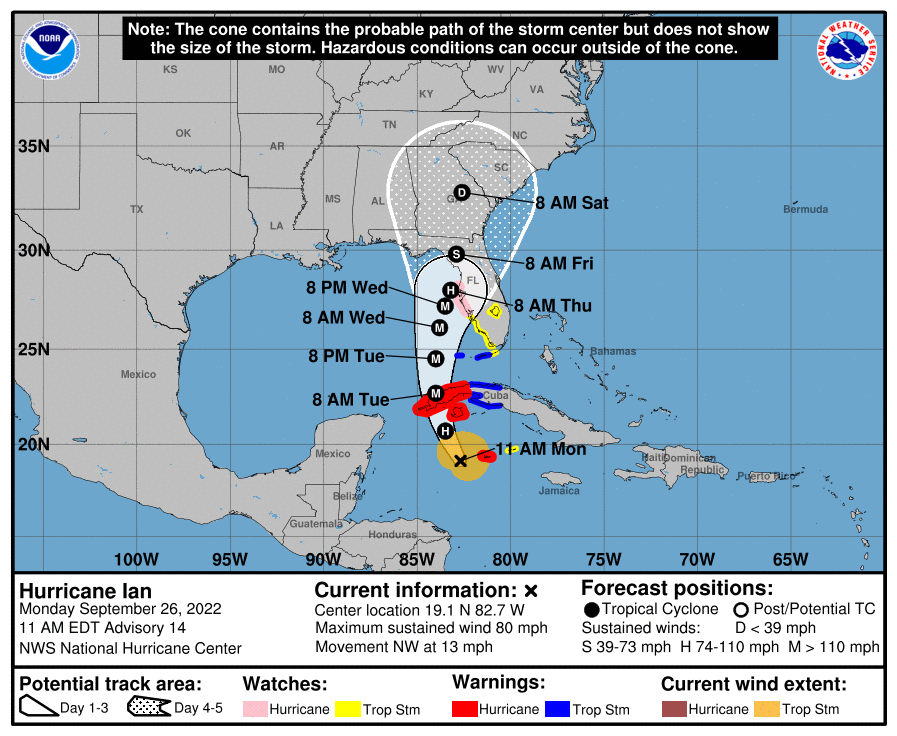
Important Hurricane Ian Recovery Information from the Falcon Emergency Service Team 

Important Hurricane Ian Recovery Information from the Falcon Emergency Service Team 

Engineers • Architects • Drone Services • Capital Reserve Specialists • Energy Consultants • Litigation Experts

Important Hurricane Ian Recovery Information from the Falcon Emergency Service Team 

In the event your home or business has suffered storm damage as a result of Hurricane Ian, The Falcon Group is here to help. The Falcon Group has been in business for over 25 years with extensive experience in post-disaster recovery. As one of South Florida’s largest forensic engineering and restoration engineering firms with over 40 local engineers, architects, and technical staff in South Florida, we have strategically-located offices in St. Petersburg, West Palm Beach, and Miami ready to mobilize. Falcon has successfully worked with numerous clients (commercial, residential, legal, public adjusters) and assisted in recovery of claims in excess of $500 million throughout South Florida.

The Falcon team can also provide the following services:

Emergency Damage Infrastructure Evaluations

Windstorm and Flooding Safety Evaluations, as per ATC https://www.atcouncil.org/pdfs/ATC45appendixE.pdf

Structural Damage Assessments

Unmanned-Aerial-Vehicle (UAV Drone) Inspections of roofing, and visible structures

Sea Wall Inspections

Building Envelope Evaluations

Insurance Causation Reports


The Falcon team of engineers, forensic experts, and drone pilots are standing by to fully assist you in navigating through the difficult claims, analysis, and rebuilding process.

You can reach our disaster recovery experts at 813-438-3568:

Sinisa Kolar, P.E., FBRSE – Principal SKolar@thefalcongroup.us

William Pyznar, P.E. – Principal WPyznar@thefalcongroup.us

CONTACT US

1211 1st Avenue, N., Suite 300

St. Petersburg, FL 33705

(813) 438-3568

15405 NW 7th Avenue

Miami, FL 33169

(305) 663-1970

5651 Corporate Way, Suite 4

West Palm Beach, FL 33407

(561) 290-0504


Tags:
IF THERE EVER WAS A TIME TO GET EDUCATED – Update

IF THERE EVER WAS A TIME TO GET EDUCATED – Update

Update:  Eric Glazer, Esq.
Published October 10, 2022

Rumors of my demise have been greatly exaggerated.

I just spent a week in the hospital — again with kidney stone issues.  This is I believe the 5th time I needed some sort of surgery for this never ending painful problem.  I left the hospital with a tube coming out of my right side.  I still need a lithotripsy procedure.  That’s the one where you lay down in water and they zap your kidney stones hoping to break them up.  I’m guessing I have another week or two of this insanity.

I want to apologize to the wonderful people at the L&L Condo and HOA Expos.  As all of you know, I always attend all of their shows all around the state and have the honor of kicking off the event by doing my board certification course.  Unfortunately I won’t be able to attend the events In Palm Beach and in Broward.  I am desperately hoping to attend the events in Orlando and Tampa.  I think all of you know that I love nothing more than being with all of you, teaching you, and answering your questions.  It’s simply my favorite part of being an attorney.  It’s killing me that I can’t teach the classes that so many of you attend each and every year.  However, L&L will be finding another well qualified attorney from another law firm to teach and certify you.  I urge you to attend and continue to make the L&L shows the success that they always are.

I’m taking two weeks off from the radio show.  I expect to do the show October 16th — with or without a tube coming out of my side.  BY THE WAY……THAT’S THE SAME DAY I WILL BE ON 60 MINUTES — AS THEY ARE DOING A SHOW ABOUT WHETHER OR NOT GRANDMA AND GRANDPA CAN STILL MOVE TO A FLORIDA CONDOMINIUM IF THEIR SOLE INCOME IS SOCIAL SECURITY.  I think we all know the answer.   This really should be an amazing show which shines the spotlight on Florida condominiums but truly needs to be watched by the entire country as every state better follow Florida’s lead when it comes to mandating safety.

In any event, I hope to be back at my desk in a week or two and look forward to speaking with all of you again.  In the mean time, please get in touch with Rich, Pennie or Paul if you need immediate help.

PS: The nurse told me that the epidural was not invented to relieve pain from child birth.  It was invented to relieve pain from kidney stones!


We know everyone is wishing Eric Glazer a full recovery and well wishes.  Ouch


In light of the tragedy at The Champlain Towers in Surfside last year, The Florida Legislature, to its credit, passed massive condominium reform regarding safety, inspections and reserves.  These laws are confusing to those who work in the industry every day, never mind to those who serve on condo Boards throughout the state.


Stay up to date with the new law -FLORIDA BUILDING INSPECTIONS (SB-4D)

Florida Condo Building Inspections (SB4d)

http://FLBuildingInspections.com  a division of SFPMA

The State of Florida Property Management Association with Legal & Engineering Members are here to help you understand the new laws and how to take the correct action now to ensure you are in full compliance. 


The Florida Legislature thought that it was so important for condo boards to enforce these laws that they included a provision which considers a breach of these laws a breach of the director’s fiduciary duty.  Imagine, personal liability can be imposed against a director who fails to enforce these new laws.

Once again, I drafted legislation which would require Board members to learn these new laws in order to get certified and once again this requirement was removed from the statute.  It’s hard to believe, but The Florida Legislature drafted a law which imposes personal liability against those directors who fail to follow these new laws yet removed the requirement to learn these new laws.  In any event, I will again try to make learning these new laws a condition of becoming certified in the next legislative session.

As far as condominium Board members go…….there can be no more important time than the present to learn these new laws.  They are designed to keep you and your fellow unit owners alive.

Don’t dare get certified by signing that dumb, silly form that says I read my governing docs and promise to enforce them.  Even if you read your governing documents from cover to cover, you still wouldn’t learn any of the new condo laws.  What a disgrace that you can still become certified this way.

I am teaching at the following times and locations this month.  It is more imperative than ever to attend an educational course.  In fact, if you don’t learn the new laws and don’t apply the new laws on your condo board, you can face personal liability.  Moreover, any condo Board member who can’t find a few hours to take an educational course is not worthy of a single vote.  So what do you say?  Please register for any of the free following Condo Craze and HOAs Board Certification Classes offered around the state

Find the Condo & HOA Event Dates


Tags: , , ,
Prepare for Hurricane Ian Homeowners & Property Owners Preparedness Tips: by Cohen Law Group

Prepare for Hurricane Ian Homeowners & Property Owners Preparedness Tips: by Cohen Law Group

It is extremely important for you to have records of your property’s condition in the event that you need to file a claim with your insurance company.

Click Here For The Homeowners Guide To Storm Damage

Before The Storm:

  • Take photos of your property- Interior of Home, Exterior of Home, Roof, Pool and Pool Area, Fencing, Trees, Front Yard, Back Yard.
  • If you are not able to take photos before a storm, collect the most recent photos you have taken of your property.
  • Document belongings- with proper documentation, you may also be able to recover lost expenses for home contents, personal property, and other items. Here is a list of some items to consider keeping receipts for or appraising: Televisions, Furniture, Jewelry, Artwork, Appliances, Computers, Antiques, Beds, Decks, Other Electronic Equipment
  • Know what is in your homeowner’s insurance policy.
  • Have records of your property’s condition in the event that you need to file a claim with your insurance company.
  • Review your mold coverage.
  • Review your flood coverage. This is normally separate insurance policy.
  • Ask your insurance agent about coverage for water damage, law and ordinance, debris removal, and additional living expenses.
  • Check your hurricane deductible, it can be much higher than your regular deductible.
  • Have a plan to move yourself and your family – especially those with special needs.
  • Have a portable radio, TV or NOAA Weather Radio on hand to monitor important information.
  • Homeowners who depend on well water should draw an emergency supply.
  • Get cash or travelers checks in case banks or ATMs are not operational.
  • Ensure all your electronic/mobile devices are fully charged.
  • Gather important documentation and place in waterproof container.
  • Make arrangements for pets; emergency shelters may not let you bring your animals with you.
  • Find out where the nearest shelter is located and the routes to get there.
  • Fill your automobile(s) with gas or ensure your electric vehicle is charged.
  • If you have an emergency power source, learn how to use it properly.

After The Storm:

  • When it is safe to do so, photograph your property’s: Interior, Exterior, and Roof
  • Consult with an attorney experienced in handling insurance claims before giving any recorded statements or meeting with an adjuster assigned to the claim.
  • Call the insurance carrier and timely report the claim.
  • Homeowners should obtain an inspection by a qualified contractor and/or roofer to assess whether the hurricane force winds have damaged or diminished the roofing system and building envelope.
  • Take photos and record the questions and answers when talking to adjusters.
  • Make sure to keep track of the name and number of every person you talk to at your insurance company.
  • Check your Co-Insurance penalties.
  • Make a copy of the insurance policy and keep it in a safe place.
  • Check your policy coverages and sublimits.
  • Just because water has not began to enter the structure does not mean that there is not damage to their property.
  • We have seen too many homeowner claims where an engineer is hired months after the storm and the engineer states the damage preexisted the hurricane.
  • For more information about the work we do with insurance claims, Click Here.

Business Owners Preparedness Tips:

Click Here For The Large Loss Guide To Storm Damage

  • Businesses should pay close attention to the storm’s forecast over the weekend. The National Hurricane Center releases a new full advisory every 6 hours, at 5am, 11am, 5pm and 11pm EDT. They are issuing intermediate advisories every 3 hours, between the full advisories (1am, 8am, 1pm, 8pm EDT.)
  • During this time, it’s important to review your disaster and emergency communication plan.
  • Backup all data on servers and personal computers and ensure remote access is available.
  • Ensure your equipment is raised above potential flood levels.
  • Review your insurance policies to mitigate any possible gaps in coverage.
  • Protect and duplicate important business documents and records. Be sure they are accessible from anywhere.

For More Information Click The Link Below:

http://itsaboutjustice.law/hurricane-preparedness/


Tags: ,
It is essential for condominium associations to ensure that their buildings are in compliance with the requirements of the Florida Fire Prevention Code

It is essential for condominium associations to ensure that their buildings are in compliance with the requirements of the Florida Fire Prevention Code

  • Posted: Sep 22, 2022
  • By:
  • Comments: Comments Off on It is essential for condominium associations to ensure that their buildings are in compliance with the requirements of the Florida Fire Prevention Code

It is essential for condominium associations to ensure that their buildings are in compliance with the requirements of the Florida Fire Prevention Code

It is essential for condominium associations to ensure that their buildings are in compliance with the requirements of the Florida Fire Prevention Code (the “Fire Code”). For the safety of all residents, associations must ensure they stay up to date with the latest and greatest in fire safety provisions. One of these essential safety features is a requirement that systems be built into new and existing buildings to ensure that first responders’ radios will work throughout buildings in an emergency situation. Pursuant to Section 11.10.1 of the Fire Code, “in all new and existing buildings, minimum radio signal strength for fire department communications shall be maintained at a level determined by the AJH [the authority having jurisdiction]. Additionally, Section 11.10.2. provides that where required by the authority having jurisdiction, two-way radio communication enhancement systems must comply with the requirements of the Fire Code.

When originally adopted, the requirements of Sections 11.10.1 and 11.10.2 of the Fire Code applied only to new buildings, so the requirement was not a burden on existing buildings. However, in 2013, the Fire Code was updated as set out above to provide that all new and existing buildings must maintain adequate fire department radio signal strength inside the building. This new requirement applied to all buildings and did not provide a grace period. This posed a significant problem for many high-rise condominiums, as the installation of the necessary equipment involves opening walls and ceilings and can be quite costly to the association. The cost of such installation was a substantial burden to condominiums, not expecting to be required to install same, and therefore never budgeted for the installation.

Recognizing the problem, in 2016 the Florida Legislature adopted section 633.202(18), Florida Statutes, which provided a grace period for high-rise buildings. Existing high-rise buildings were not required to comply with minimum radio strength for fire department communications until January 1, 2022. You may be thinking, “that date is passed”, but do not panic. If your condominium has not yet complied with the requirements, have no fear. The 2021 Florida Legislature amended section 633.202(18), Florida Statutes, to provide another extension for compliance.

In accordance with the newly amended statute, existing high-rise buildings now have until January 1, 2025 to come into compliance with the requirements. However, the association must apply for an appropriate permit for the required installation by January 1, 2024. More specifically, section 633.202(18), Florida Statutes, is amended to provide, in pertinent part, that:

The authority having jurisdiction shall determine the minimum radio signal strength for fire department communications in all new high-rise and existing high-rise buildings. Existing buildings are not required to comply with minimum radio strength for fire department communications and two-way radio system enhancement communications as required by the Florida Fire Prevention Code until January 1, 2025. However, by January 1, 2024, an existing building that is not in compliance with the requirements for minimum radio strength for fire department communications must apply for an appropriate permit for the required installation with the local government agency having jurisdiction and must demonstrate that the building will become compliance by January 1, 2025. Existing apartment buildings are not required to comply until January 1, 2025…

Therefore, all existing high-rise buildings must come into compliance by January 1, 2025. It is important to note that this time extension applies only to high-rise buildings. By way of over simplification, it does not apply to buildings less than 75 feet tall (the measurement can be tricky, so if your building is close to 75 feet check with your association attorney regarding this measurement). In 2018, the Florida Department of Financial Services, Division of State Fire Marshal issued a Declaratory Statement finding that section 633.202(18), Florida Statutes does not apply to the enforcement of Section 11.10 of the Fire Code to buildings under 75 feet in height. Therefore, if your building is less than 75 feet in height, it is required to comply with the radio signal strength required by the authority having jurisdiction at this time.

In light of the foregoing, it is essential that your association take action to determine whether sufficient fire department radio signal exists in your building. The minimum requirements may differ by jurisdiction, and we recommend the association reach out to the local fire code official to determine the requirements for your jurisdiction. If sufficient signal does not exist in your building, it is essential to prepare a plan (including design, permits, financing, etc.) to ensure that your building will comply by the deadline of January 1, 2025.

The law firm of Kaye Bender Rembaum, with its 20 lawyers and offices in Broward, Palm Beach and Hillsborough Counties, is a full service law firm devoted to the representation of more than 1,200 community and commercial associations, developers, and their members throughout the State of Florida. Under the direction of attorneys Robert L. Kaye, Michael S. Bender and Jeffrey A. Rembaum, the law firm of Kaye Bender Rembaum strives to provide its clients with an unparalleled level of personalized and professional service that takes into account their clients’ individual needs and financial concerns.

The Firm is ranked ninth in South Florida and 62nd in the Southern U.S. among “Top 300 Small Businesses” by Business Leader magazine.


Safety is on the minds of every Building owner from Fire sprinklers, Extinguishers, Monitoring, Alarms and Testing and system certification. 

Find Top Companies for your buildings Fire Sprinkler and Equipment

HOW TO KEEP MONTHLY ASSOCIATION MAINTENANCE FEES LOW

HOW TO KEEP MONTHLY ASSOCIATION MAINTENANCE FEES LOW

  • Posted: Sep 22, 2022
  • By:
  • Comments: Comments Off on HOW TO KEEP MONTHLY ASSOCIATION MAINTENANCE FEES LOW

HOW TO KEEP MONTHLY ASSOCIATION MAINTENANCE FEES LOW

by Enrolled Agent Steven J. Weil, Ph.D., EA, LCAM, Royale Management Services, Inc.

The answer to keeping association maintenance fees low is NOT to defer necessary maintenance or waiving reserves.  To keep postponing repairs is an act of sheer folly.  It is simply an artificial way to keep maintenance fees low that often backfires when the piper finally has to be paid by a special assessment.

The only thing owners hate more than a maintenance fee increase is a special assessment that becomes necessary because the budget does not adequately cover the ongoing operating and maintenance costs.

As a reminder, there are two parts to every budget: the operating budget and the reserve budget.

  • The operating budget should include all necessary regular and recurring expenses that are expected in the coming year, no matter how large or small, such as repairs, maintenance, up keep, payroll, utilities, supplies, insurance and administrative costs.
  • The reserves are designed to accumulate funds for replacement and renovation of major building systems and components that wear out over time. Statutes make it mandatory that reserve budgets include estimated expenditures for roof replacement, building painting and pavement resurfacing at a minimum.

What should go into a reserve budget?  Aside from what the law requires, a good reserve budget also covers other large capital items that will wear out and need to be replaced over the life of the association, such as elevators, windows, common area air conditioners, docks, generators, balconies, et al.  Other common area reserve items might include a pool upgrade, clubhouse renovation, landscaping and other amenities.

The tricky part of the budgeting process is to balance what is required with the often competing interests of those who want the lowest possible maintenance increase with those who are willing to pay more for better services, better amenities or other improvements.   The board is charged with the upkeep maintenance and operation of the association and amenities as provided for in the governing documents. Any change to what is provided for in the governing documents should be approved by an owner vote. This includes both increases and decreases in services and changes to facilities.

Projected estimates for the reserve budget should take into consideration the cost to replace each item, prorated over the years of its estimated life.

A common mistake in estimating this value is the failure to take into account the rise in replacement costs that occurs over time.  Cost estimates as well as remaining useful life should be evaluated annually. Reserve planning can be done with the assistance of association vendors, or a professional engineer could be hired to perform a Reserve Study.

Some of the costs of running an association can be managed.  Controllable expenses — those over which the board and or management have some control as to the amount and timing — include accounting, bank fees, repairs, supplies, office expense, labor costs, preventive maintenance, management, legal, landscaping and janitorial.

Over the years, however, non-controllable expenses have become the largest part of most association budgets.  They include utilities, contract services, electric, water, garbage, cable, loan payments, licenses, fees and insurance (property, liability, wind and Directors & Officers). Although boards and management work hard to keep these costs as low as possible, it is often difficult or even impossible to get competitive bids for such items as insurance. The costs of utilities and water are often controlled by monopolies or governments; and while conservation can help, it does not eliminate or substantially reduce these costs in the short run. Long term contracts may also lock in such things as elevator maintenance costs, cable TV, and other expenses.

In addition to the increases in these expenses, over the years as association property ages, the cost of maintaining it increases. While putting off maintenance may help cash flow and reduce expenses today, it also means that those expenses will be higher down the road.

Reserve funds cannot be used for purposes other than those intended without a majority vote of approval by the owners in advance. Thus, there is sometimes a reluctance to list in the reserve budget certain capital items that might be considered non-essential and could be postponed.  This can be a mistake, forcing a special assessment when these capital items need to be replaced.

It’s best to keep in mind that one good way to maintain property values is to ensure that the association has a reserve budget that covers necessary renovation and replacement of major components and assets and that the reserve budget is properly reviewed and funded each year.  Under Florida law, condominium associations are required to include a “fully funded” reserve schedule in the proposed budget and to fully fund reserves unless they are waived or reduced by a vote of the owners.


Tags: , ,
Searching for Money: A Condominium Association’s Guide to Acquiring Financing by Becker

Searching for Money: A Condominium Association’s Guide to Acquiring Financing by Becker

  • Posted: Sep 21, 2022
  • By:
  • Comments: Comments Off on Searching for Money: A Condominium Association’s Guide to Acquiring Financing by Becker

Searching for Money: A Condominium Association’s Guide to Acquiring Financing

by Steven B. Lesser  of Becker

A Condominium Association enjoys broad powers based upon Chapter 718, Florida Statutes, otherwise known as “The Florida Condominium Act.” Despite the guidance provided by the statute and case law which interprets it, little has been written to guide Condominium Associations when borrowing funds to finance various projects.

Associations often borrow money to build capital improvements such as clubhouses; perform extensive remedial work and to buy out recreational leases. Associations must be careful to review its own condominium documents to evaluate whether limitations exist on the right to borrow. This article will discuss the practical considerations to be addressed by a Condominium Association when borrowing funds.


Review Of The Condominium Documents
The condominium documents including the Declaration of Condominium, Articles of Incorporation and By-laws dictate how money can be raised to fund certain projects. the procedure to be followed depends upon the purpose for raising such funds. To the extent that the Association desires to perform maintenance work to its own property or common elements, money can be raised by passing a special assessment on its unit owners pursuant to Section 718.116, Florida Statutes. Most condominium documents provide the Association with the authority to borrow funds for such purposes without acquiring unit owner consent. However, to the extent that the Association desires to buy out a recreation lease, build a clubhouse or otherwise perform material alterations or acquire substantial additions to the common elements or to Association property, unit owner approval is necessary. Section 718.113, Florida Statutes provides that if the Declaration of Condominium is silent on the percentage of unit owners required to approve such activities seventy-five (75%) percent shall govern.


Where To Seek Financing
Once the Association has determined the purpose in raising funds, a source of financing must be located. Financing is often sought when the Association is unable to raise sufficient funds through a special assessment of its members. In many instances, some or all members may not have the money to pay a large lump sum assessment. Typically, an Association will first attempt to look to acquire financing from the bank that handles its operating account. However, the Association should not view the bank as its only source. Often times, members of the Association’s Board of Directors or unit owners may have personal contacts with a lender that is able to provide more favorable rates and flexibility in terms of structure and cost of financing. In some circumstances, a willingness to shift the Association’s operating account to another lender will provide the Association with leverage to acquire the most favorable financing program.


Structuring The Deal
Once the Association has acquired authorization to borrow money and has located a lending institution, structuring the deal becomes the next significant step.

It is not unusual for an Association to borrow in excess of $ 1 Million to finance the purchase of recreational lands from a Developer or to perform significant renovation work to remedy structural defects such as those associated with balconies located in close proximity to the ocean. Lending institutions, with the assistance of counsel for the Association, can be creative in formulating a plan to achieve the financial goals of the Association. The most significant aspect is how the lending institution will secure its loan to the Association.

Unlike other private entities and individuals, a Condominium Association has the statutory right to raise money by a special assessment of its members. Under this scenario, a unit owner’s failure to pay a special assessment will constitute a lien on each condominium parcel for any unpaid assessments. The lien for unpaid assessments will also be subject to an award of interest and reasonable attorney’s fees incurred by the Association to collect or enforce the lien. This statutory right to pass and enforce a special assessment provides security to a lending institution that elects to lend money to an Association. Consequently, a lender will often accept an Assignment of the Association’s right, title and interest in and to all current and future assessments made by the Association against its unit owner members for the purposes of timely payment of all sums due to a lender. For example, an agreement for the purchase of a recreation lease and underlying property between an Association and lender will often include an Assignment which provides as follows:

“The Association hereby irrevocably and unconditionally assigns all of its right, title and interest in and to all special assessments now existing or hereinafter levied by the Association against its unit owner members which are made for the purposes of repayment of the loan or the payment of rent under any lease or lease on real property owned by the Association.”

The foregoing procedure provides the lender with assurance that the loan will be repaid. However, financing a special assessment is expensive when considering loan and interest charges. Certain unit owners may be opposed to being assessed finance charges when they are financially capable of paying the special assessment in a lump sum at the time the loan is acquired. Should a number of unit owners have the ability to pay the special assessment in a lump sum, this process would reduce the total amount of money to be borrowed by the Association along with incidental finance charges.

As a special assessment constitutes an encumbrance on property, the Association would negotiate elimination of any prepayment penalty charges should the loan in whole or in part be paid early. Consequently, elimination of a pre-payment penalty clause would enable the Association or a unit owner to avoid additional finance charges should they pay off the debt prior to the maturity date.


Typical Costs Associated With Financing
Should the Association elect to mortgage its property to acquire financing the following fees will be generated:

Bank loan fees, Bank counsel fees, corporate searches, Survey, Title insurance costs, accounting costs, Documentary stamps, Intangible documentary stamps on the amount of the note and mortgage, Environment assessment of property, Recording charges, The cost of amending the condominium documents if additional property is acquired by the Association.

The Association and its counsel should attempt to discuss and negotiate the above-listed fees with the lending institution prior to signing a commitment letter. The Association should never sign a commitment letter without first consulting with counsel. Once the commitment letter is signed, the Association may be obligated to pay a non-refundable fee. Moreover, attempting to re-negotiate the terms of the loan may delay the process as it would require reconsideration by the loan committee.


Conclusion
In closing, a condominium Association must identify its purpose in raising funds. The purpose of raising funds will dictate the procedure to be followed. If funds are to be raised for maintenance repairs, a special assessment can be passed without unit owner consent. Condominium documents typically authorize the Board of Directors of a Condominium Association to borrow funds without owner consent. However, certain condominium documents may require unit owner approval. To the extent that the Association elects to borrow funds to perform material alterations or to acquire a substantial addition to Association property, the condominium documents will govern the procedure to be followed. If the condominium documents are silent, seventy-five (75%) percent unit owner approval must first be acquired before a special assessment can be passed pursuant to Section 718.113 (2), Florida Statutes.

When attempting to acquire financing, look to the members of Association’s board of directors and its unit owners to identify lender’s that can provide the most favorable rate. The bank handling the Association’s operating account is often the best source of financing and may be willing to negotiate certain costs associated with financing. Likewise, conferring with an attorney that specializes in association work can often assist you in reducing the costs associated with obtaining a loan.

Most importantly, shop around and take advantage of the collective financial strength of the Association and its unit owner members.


Steven B. Lesser

Shareholder

 SLESSER@beckerlawyers.com


Tags: , ,
Tips for Setting HOA Board’s Annual Goals

Tips for Setting HOA Board’s Annual Goals

  • Posted: Sep 21, 2022
  • By:
  • Comments: Comments Off on Tips for Setting HOA Board’s Annual Goals

Tips for Setting HOA Board’s Annual Goals

Every Homeowner’s Association has a fiscal year to evaluate the previous year and set goals for the coming year. The plans can address a variety of topics, such as community enhancements and communication. At this time, all rules and regulations get routinely evaluated to ensure that they comply with all levels of government requirements. Local restrictions on traffic, development, zoning, and other issues may have changed over the year.

When formulating goals, an HOA board that represents the homeowners must take numerous factors into account.


The Budget

Before defining any goals, one of the most important elements to examine is a community’s financial stability. First, board members can review the current year’s budget to see the room for improvement. Then they can consider essential expenditures for the future year and figure out how those changes will fit into the budget.

Homeowners who pay monthly or annual dues to the association want to know where and how their money gets used. Board members should give a balance sheet that discloses all funds and expenditures to all association members. In addition, residents should be informed about reserve cash, assets, loans, income, and current and planned project expenses.

Few, if any, homeowners want their property taxes to get raised. So when formulating goals for the future year, board members must keep this in mind.


Maintenance and Improvement Goals

Generally, you should set goals each year before setting a budget. The best practice is to construct a five-year planning process, then use that to generate both long and short-term goals. An action plan takes a substantial amount of time and works to create. Still, it is a critical way of establishing goals and anticipated direction and allocating resources appropriately.

  • What will long-term items get improved in the coming year?
  • What changes must get made that are not part of the long-term plan?
  • Make a preventative maintenance plan that covers the most vital components of the association.

The Board should present this information to homeowners. 

Board members need to explain in detail to homeowners the maintenance goals and why they are essential. This may be the time for a community meeting to discuss the improvements and the budget. Board members should be prepared to explain why some maintenance costs have gone up and how they plan to work with these additional expenditures. They should also explain the bidding process and how they work with vendors.


Communication Goals

Improving interactions with homeowners, vendors, and fellow board members is always beneficial, as it leads to happier residents, better cost control, and more effective teamwork. The following are some worthwhile communication objectives:

  • Establishing a communications policy, including a fire safety policy and a method for relaying emergency alert information, such as natural disasters and catastrophic power outages.
  • Improve the community’s website to ensure residents are up-to-date with safety information, notify residents about upcoming board meetings, communicate with board members, make service requests, and even pay dues.

Achievable Goals

Any organization can set goals. However, an HOA must establish achievable goals within a specified time frame at an acceptable cost to homeowners. In addition, all residents of the community should be able to understand the objectives. 


Find top member companies to help with your yearly repairs. 

SFPMA: STATEWIDE MEMBERS DIRECTORY, FIND TOP COMPANIES FROM TALLAHASSEE TO THE KEYS.

Tags: ,
3 Reasons to Hire an HOA Collections Agency to Manage Your Delinquencies by Mitch Drimmer

3 Reasons to Hire an HOA Collections Agency to Manage Your Delinquencies by Mitch Drimmer

  • Posted: Sep 18, 2022
  • By:
  • Comments: Comments Off on 3 Reasons to Hire an HOA Collections Agency to Manage Your Delinquencies by Mitch Drimmer

3 Reasons to Hire an HOA Collections Agency to Manage Your Delinquencies

Why Hire an HOA Collections Agency?

Community associations have limited options to collect, and the traditional method isn’t focused on collection at all, but rather on punishment. This is why an HOA collections agency may be the right choice for managing your delinquencies.

Debt collection is a troublesome topic no matter what industry you’re in, but when it comes to collecting on unpaid HOA assessments, things can get tricky. Between your community’s governing documents, state laws, and federal regulations, there are a lot of rules to follow.

On top of that, there aren’t a whole lot of options out there for community associations looking to collect on that debt. Many communities hire an HOA attorney or try to handle collections on their own.

1. Lawyers are focused on a legal resolution, not reclaiming lost funds. 

Many communities rely on HOA attorneys for legal guidance and lawsuits. For this reason, many also turn to their attorney when a homeowner has failed to make payments. Many boards still believe that their only course of action is placing a lien on the property and going to court. And your attorney won’t tell you any differently.

Your attorney’s primary function is to follow a legal process of “lien and foreclose.” The priority is seeking a resolution of an issue and seeking justice, not collecting the debt that is owed to your association. The board has a fiduciary duty to collect that money, not to pursue some form of justice against the delinquent owner, so choosing a lawyer might not be the best course of action.

2. Avoid a lawsuit.

Because collections are highly regulated, there are a LOT of laws surrounding the collections process. The Fair Debt Collection Practices Act (FDCPA) has many rules around the who, the how, and the when of collections efforts. Violating any of those rules, even by accident, can create a massive legal headache for your community. When it comes to collections, do not do this at home.

Federal laws aren’t the only ones to worry about, though. Many states have their own specific rules and requirements, also. Depending on where you reside, your state’s laws may be even stricter than the FDCPA, so following the federal law might still get you into hot water.

3. Traditional collection agencies aren’t built for HOAs.

Much like an attorney, a collection agency that isn’t tailored to handle HOAs and condo associations will look for the fastest, biggest buck they can make. Typically these companies will want to buy the debt or advance funds to you against this debt–this might sound like a great plan because at least you’re recovering something, but many governing documents (and some state laws) specify that debts must be collected at 100% of the principle that’s owed. A collection agency will not pay 100% so this is in direct violation of those rules. Getting funding to ease the pain of a cash shortfall may also be a violation of your CC&Rs.

It also creates an ethical concern–by selling off that debt, your community loses control over how the debt is collected, opening up your hurting homeowners to aggressive collections efforts. Will they operate within the confines of the FDCPA? Almost certainly. But as we’ve said before, just because it’s legal doesn’t mean it’s ethical.

Find Out Why An HOA Collections Agency Is Right For Your Community

Collecting monies owed to your association is a difficult process, but it shouldn’t also be a painful one! At Axela, we understand the importance of ethical community association debt collection, and we’ve perfected the process and technology it takes to make that happen.


Offer your community association clients a full suite of collection agency services without having to open your own collection agency.

By partnering with Axela, your association management company can offer comprehensive and fully compliant collections services to your clients. Axela handles the burdensome and time-consuming aspect of the collection process and puts money back into the hands of the association.

Your clients will gain all of the benefits of Axela’s suite of collection tools, while you maintain oversight and easy access to the client portal, with all of the reports, account history, and data points that Axela gathers, in real-time.

Learn More about our collection services 

Tags: