Become our Member : JOIN SFPMA TODAY   LogIn / Register: LOGIN/REGISTER

SFPMA Industry Articles | news, legal updates, events & education! 

Find Blog Articles for Florida’s Condo, HOA and the Management Industry. 

As a homeowner, it is important to know Common Property Damage Claims. by Joseph Maus

As a homeowner, it is important to know Common Property Damage Claims. by Joseph Maus

  • Posted: Apr 02, 2023
  • By:
  • Comments: 0

Common Property Damage Claims. As a homeowner, it is important to know

A home or office building is the most important purchase most of us will make during our lifetime. Most of us buy insurance coverage – windstorm, liability, flood, homeowners, and business interruption – to protect our homes and businesses. Yet, today’s insurance policies are lengthy, complex contracts full of exceptions, exclusions, deductibles, and conditions that make the policy difficult to read, and sometimes even more difficult to recover from for your damage. When you call the Maus Law Firm, a top Fort Lauderdale property damage lawyer will handle property damage claims.

Disagreeing with Your Insurance Claim for Property Damage

You have four options if you disagree with the amount the insurance company is offering you for your damage:

Most insurance companies create entire TV marketing campaigns designed to say that you’re part of the insurance company’s “family”. However, the reality of the insurance business is that insurance companies exist to make money. That means that insurance company needs to minimize the amount of claims it pays out; meanwhile, maximizing the premiums that it collects.

When an insurance company doesn’t offer to pay you the full (or fair) amount of your property damage, you need to be prepared to fight. While many homeowners are hesitant to go to court – fearful of a lengthy or expensive legal battle against a big-name insurer – settling for less than your claim was worth can end up costing you more in the long-term. The repairs your home needed can continue to pile up, lowering the value of your property. Hiring the best Fort Lauderdale property damage lawyer you can find will save you the headache later.

The Process for Property Damage Claims & Florida Property Owner’s Obligations

When making insurance claims for property damage, it is helpful to know how the process typically unfolds. Our Fort Lauderdale property damage lawyer knows that while there are many potential scenarios, the property owner should first understand their own obligations under the insurance policy. Second, the property owner should understand the reasons for the insurance company’s denial of their claim.

Any property insurance policy will place some obligations on the property owner when they make a claim for property loss. These obligations will differ from policy to policy, but the following are several of the most common requirements.

  • Notice of Loss: The property owner is generally required to provide notice of the loss to the carrier promptly. The policy should provide a specific deadline. Failure to meet this deadline could result in the claim being barred.
  • Protect Against Further Damage: The property owner is also required to take reasonable steps to protect the property from further damage. For example, if the roof of a property is damaged by a hurricane, the property owner must attempt to place temporary covering to protect the interior. However, the exact conduct that is considered “reasonable steps” will often be subject to interpretation.
  • Proof of Loss: After making a claim, the property owner will need to submit a proof of loss statement. This statement is generally signed under penalty of perjury and itemizes the damages. A typical deadline for the proof of loss is 60 days after a request by the insurance carrier.

How a Fort Lauderdale Property Damage Lawyer Can Help You with Your Homeowner’s Insurance Claim

Unfortunately, even if you have paid your homeowners’ insurance premiums on time for decades, this does not guarantee that your insurance company will treat you fairly if you need to file a claim. Bad-faith insurance claim denials are common, and homeowners can run into various other issues with their property damage claims as well. As a result, if you need to file a homeowners’ insurance claim, it is a good idea to hire an attorney. Here are just a few examples of the ways an experienced Fort Lauderdale property damage lawyer like Joseph Maus can help:

1. Determining If Your Claim is Covered

Before you devote the time, energy and resources to pursuing a property damage claim, you first need to determine if your claim is covered. An experienced Fort Lauderdale property damage lawyer will be able to review your homeowners’ insurance policy and assess the damage to your home in order to determine if your insurance company is liable.

2. Dealing with Your Insurance Company On Your Behalf

If you have a claim, your attorney will be able to deal with your insurance company on your behalf until your claim has been fully and finally resolved. This important for a few different reasons: (i) Florida’s insurance laws are complicated, and asserting your legal rights can be difficult; (ii) in some cases, there will be a legitimate dispute as to whether a homeowners’ insurance policy applies; and, (iii) successfully pursuing a homeowners’ insurance claim for significant property damage takes time, and you will need someone to handle your claim while you focus on work and your day-to-day life.

3. Overcoming Bad-Faith Coverage Delays and Denials

As we mentioned above, insurance companies routinely deny policyholders’ property damage claims in bad faith. If your insurance company is not handling your claim appropriately, you may need your attorney to take legal action on your behalf. If you have a claim for insurance bad faith, then you can seek compensation above and beyond the amount of coverage to which you are entitled under your policy.

Common Claims for Property Damage in Fort Lauderdale

When can you file a property damage claim? As a homeowner, it is important to know when you are entitled to insurance coverage and when you may need to come out of pocket to cover repairs to your home. With this in mind, here are some examples of common property damage claims in Fort Lauderdale:

  • Storm Damage Claims – While homeowners’ insurance policies do not cover flood damage caused by hurricanes and tropical storms, they do cover other types of storm damage.
  • Tree Damage Claims – If a tree in your yard fell on your home, your homeowners’ insurance policy should provide coverage.
  • Water Damage Claims – Water damage caused by leaking pipes, HVAC system failures and other similar types of issues should be covered under your homeowners’ insurance policy.
  • Fire Damage Claims – Fires from lightning strikes and other causes are generally covered as well, and your policy should cover your home as well as its contents.
  • Mold Claims – Mold claims are often disputed; but, if your house has mold from a “covered peril,” then the costs of remediation should be covered.
  • Theft Claims – If your home has been burglarized, your homeowners’ insurance policy may provide coverage for any damage that occurred during the break-in in addition to the value of your stolen property.

Here are 6 common property damage claims;

#1 Storm Damage, #2 Tree Damage, #3 Water Damage., #4 Fire Damage, #5 Mold, #6 Theft.


Where do you turn to get help?

The Maus Law Firm has been successfully handling insurance-related claims since 1993. We will competently and aggressively represent you in your homeowner property damage insurance claim, or commercial business insurance claim.

Call 954-784-6310 or

visit our website now, for a free consultation.


SFPMA & Members are ready to Handle Storm Damage & Claims for Condo and HOA Properties!

Trusted Members are; Legal Firms, Public Adjusters, Roofing, Engineering & Restoration Service Companies that work with you on Solutions to Storm Related Damage.

This is a Division of SFPMA – http://FloridaAdjusting.com


Tags: ,
Hurricane Season is almost here! – Have you had your storm drains inspected yet?

Hurricane Season is almost here! – Have you had your storm drains inspected yet?

Hurricane Season is almost here!

Hurricane season runs from:

June 1, 2022 through November 30, 2022

Have you had your storm drains inspected yet?
During a hurricane or tropical storm, it’s common for an area to experience several inches of rainfall and catastrophic wind over a very short timeframe. All of that excess debris and sediment from a hurricane can cause blockages in our stormwater systems, hindering them from operating properly.
Hurricanes are uncontrollable, but what we can control is taking the proper precautions and steps to make sure our stormwater systems are ready for the upcoming season!
Contact us today at 954-382-9766 or info@allstatemanagement.com to talk to one of our Stormwater Specialists!

STORMWATER SYSTEMS –
PREVENTS FLOODING

Storm Drain Cleaning in Broward County and South Florida

Allstate Resource Management’s team of experts specializes in storm drain cleaning in Broward County and storm drain cleaning in South Florida. We will keep your stormwater systems and storm drains clean and operating properly and in compliance with government standards. Various government agencies in Florida have specific regulations regarding the maintenance of these complex systems. Non-compliance can result in fines and unnecessary expenses. We can help ensure that your stormwater systems are working effectively and comply with Florida’s regulation standards. Our team are experts at storm drain cleaning and will make sure your stormwater systems are working properly. Stormwater systems accomplish many vital functions. Their primary purpose is to prevent flooding by rapidly removing surface water. A properly functioning drainage system also helps to maintain water quality, capture pollutants and contributes to balancing Florida’s precious drinking water supply.


CONTACT US TODAY TO FIND OUT HOW WE CAN HELP YOU!
CALL (954) 382-9766

Tags: ,
The Seven Most Important Fitness Trends for the Year. by Commercial Fitness Equipment

The Seven Most Important Fitness Trends for the Year. by Commercial Fitness Equipment

The Seven Most Important Fitness Trends for the Year

by Commercial Fitness Equipment

Commercial Fitness Products

954-747-5128

Commercial Fitness Products, a Florida based organization, has been serving the fitness needs of our customers nationwide for over 27 years. Our primary focus is Multi-Housing & Hospitality, as such, we stay current on the latest industry trends, and are able to share ideas on how we may equip or improve any community fitness center. We provide more than just equipment…our goal is to delight your residents & guests by providing them an exceptional fitness environment.

CFP’s team of experienced professionals are eager to assist you with prompt & courteous customer service. If you have any plans to add, change or upgrade your fitness amenity, we welcome the opportunity to work hard to earn your business.

The Corona pandemic has shaken up the fitness industry. Instead of the motto “higher, faster, further”, the future will see more health orientation, holistic offers and specialization in particular clientele such as risk groups. We present the seven most important fitness trends for the year 2021.

Fitness studios in Germany are in the middle of their second shutdown in the Corona year 2020, which has complex consequences – on the one hand, many fitness center operators fear for their existence with a cumulative loss for the industry of 460 million euros per lockdown month. On the other hand, many users (forcibly) reorient themselves and discover app and video training at home.

“The uncertainty in the industry is great. Many studios will not survive if the lockdown lasts much longer,” says Ralph Scholz. The head of the German Industry Association for Fitness and Health (DIFG) hopes that the fitness studios will be able to open again in January 2021 – that’s when most new members usually sign up with the Christmas kilos on their ribs.

The pandemic will massively change the fitness economy. This makes it all the more important for all players to set the right course for the future. These are the most important fitness trends identified for the year 2021.


1) Gyms Have to Meet High Hygiene Standards

Many people stay in shape during the lockdown period with running, walking, fitness exercises on their own or free digital services. Of these, a proud number of 73 percent intend to maintain this alternative training in the future. Although most fitness enthusiasts want to go back to the gym in the future, they place the condition that training is not associated with the risk of corona infection.

“The survey has shown that many people are concerned about having the highest possible standard of protection. It must therefore be in the studios’ own interest to ensure exactly that,” says Ralph Scholz in the ISPO interview. So the basic condition for studio operators in 2021 is to win back the confidence of fitness fans.

Over one million of the 11.6 million members in Germany in 2019 have quit their membership so far.


2) Fitness: Online Apps are Gaining in Importance

In the era of closed fitness studios, most sports and fitness fans have turned to online offers. Apps such as Freeletics, which use artificial intelligence (AI) to compile individual training offers for users, are particularly popular. “The main benefits for users are access to training planning, monitoring and even motivation at a fraction of the current cost, which means that many more people can be reached than ever before,” says Simon Alger, Lead Data Scientist at Freeletics, in an interview with ISPO.

Another example of the new digital trend: With the so-called peloton bike – a spinning bike with which you can connect with spinning fans around the world via the Internet – you can do your cardio training, for example, in virtual competition with many like-minded people around the globe.


3) Outdoor is King

The topic of outdoor fitness is gaining in importance precisely because of Corona: intensive training in particular is much less dangerous outside than indoors because of the draught. Fitness studios should therefore move more and more equipment and activities outside. This creates more safety for the users.


4) More Health Orientation in Fitness Offers

The experience of a pandemic, which is unique for everyone, has brought the topic of health into focus for many people much more than before. In principle, this is good for the fitness industry. Fitness strengthens the immune system. In fact it also needs the right and safe offers to do so.


5) Differentiated and Target Group Oriented Training

Whether it’s in media use, buying behavior or travel: individualization is advancing in all areas of life. This also applies, of course, to the fitness wishes of the clientele. Whether Beer Yoga, fastest possible self-optimization through high intensity training or the new workout trend Glide Fit: differentiated and target group-oriented training is mandatory.

All-round fitness studios will continue to exist. Nevertheless boutique and micro studios with tailor-made offers are attracting more and more customers. In these difficult times, specialisation can also be financially attractive for fitness studios. Scholz: “The interesting thing is that the more special you are, the more money you can demand from customers.”

For corona risk groups and senior citizens, health and fitness are just as important as for the rest of the population. This makes seniors a core target group that must be wooed with special offers and training opportunities. This can range from individual training sessions or workouts in small training groups to special premises and digital offers for risk-free training at home.


6) Mindset: Connection of Body and Mind in Training

The trend towards topics such as yoga, mental training or Pilates already existed before Corona. But it has been intensified by the pandemic. More and more people want to combine physical training with mental relaxation.

This desire is triggered not only by job-related stress, also by the strenuous homeschooling with children or financial and health fears in connection with the pandemic. “We must therefore also strengthen the sport psychological level in our offers”, demands Ralph Scholz.


7) Sport and Fitness Merge

Rather go to the gym to train on workout devices or jog outside? For many fitness freaks this used to be a real question of faith. The Corona period, including the closure of the studios, has accelerated the resolution of this either/or situation. Many equipment fans move to alternative indoor and outdoor offers, apps included.

“In the perception of the end consumer, this belongs together, if only because of the many new apps and wearables. That is why it is also important to develop holistic offers. In a sense, the gym is the pilot in this process,” says Scholz.


reproduced by: https://www.ispo.com/en/trends/seven-most-important-fitness-trends-year-2021 sent to us by Commercial Fitness Equipment.


Tags: , ,
Hurricane Season is almost here! – Have you had your storm drains inspected yet?

Hurricane Season is almost here! – Have you had your storm drains inspected yet?

  • Posted: Mar 22, 2023
  • By:
  • Comments: Comments Off on Hurricane Season is almost here! – Have you had your storm drains inspected yet?
Hurricane Season is almost here!
Hurricane season runs from:
June 1, 2022 through November 30, 2022
Have you had your storm drains inspected yet?
During a hurricane or tropical storm, it’s common for an area to experience several inches of rainfall and catastrophic wind over a very short timeframe. All of that excess debris and sediment from a hurricane can cause blockages in our stormwater systems, hindering them from operating properly.
Hurricanes are uncontrollable, but what we can control is taking the proper precautions and steps to make sure our stormwater systems are ready for the upcoming season!
Contact us today at 954-382-9766 or info@allstatemanagement.com to talk to one of our Stormwater Specialists!


THE FLORIDA LEGISLATURE – AFRAID TO PASS REQUIRED EDUCATION

THE FLORIDA LEGISLATURE – AFRAID TO PASS REQUIRED EDUCATION

THE FLORIDA LEGISLATURE – AFRAID TO PASS REQUIRED EDUCATION

DOES THE FLORIDA LEGISLATURE WANT YOU TO REMAIN DUMB?

By Eric Glazer, Esq.

For those of you who are intelligent and decided to come to a Board Certification class in the last few months and learn all about the new safety and reserve laws, I applaud you.  It was my honor meeting you and teaching you all over the state.

I love that look in your eyes and the groan that comes over the crowd when I tell you that you do not need to be here today.  You did not have to get certified by taking what I believe is both a board certification and a life safety class.  The Florida Legislature still allows Board members to get certified by signing a ridiculous form that says you have read your governing documents and you promise to enforce them.

Are the new safety and reserve laws found in your governing documents?  Of course not.  You have to be taught them to know what you are now required to do in order that another Champlain Towers disaster never happens again.  You don’t learn these laws by staying home in your pajamas, printing a form off the computer and signing it.  When the members of your Board can get certified by signing that self-serving form, lives are at risk.

It’s ironic that they placed language in the new laws requiring the directors to follow them or face breach of fiduciary duty charges.  So…..according to The Florida Legislature, you must apply these new laws in your condominium, you just don’t have to learn them and know what is actually required of you.

Every legislator I have ever spoken to about a mandatory educational course in order to get Board certified is in favor of it.  Yet, it remains a mystery why in the past it has been removed from the statute.  The classes are free and are even accessible via ZOOM.  This year, there are several condominium bills floating around at the moment.  Not a single one has any mention of mandatory education for Board members.

Back to the title “Does The Florida Legislature Want You To Remain Dumb?”  How else would you explain it?

Tags: , ,
Lighting of Tomorrow is a full-service electrician company for the South Florida Area.

Lighting of Tomorrow is a full-service electrician company for the South Florida Area.

  • Posted: Mar 03, 2023
  • By:
  • Comments: Comments Off on Lighting of Tomorrow is a full-service electrician company for the South Florida Area.
We provide full electrical services including:
-Electrical maintenance and repairs
-LED Lighting Installations
-Solar Energy Services and installations
-Energy Efficiency Solutions & much more…

Lighting of Tomorrow

(954)626-0267

New Location: 1072 NW 53rd St Fort Lauderdale FL 33309

Our specialization in LED technology and excellent customer service ensures you get the energy savings you want with no reduction on quality or price.

Lighting of Tomorrow is your one stop shop for all your lighting needs.

Get started on saving energy with a FREE Lighting Inspection

Lighting of Tomorrow facilitates the switch from outdated, inefficient lighting to state-of-the-art LED technology. Our affordable solutions allow clients to benefit from significant energy-use reductions through the installation of energy efficient LED lighting systems. All products and fixtures used by L.o.T. are accredited, certified, and guaranteed for commercial & industrial use.

View some of our Projects we Completed

We believe that saving energy is simply the right thing to do. We actively seek to create a more sustainable, healthier future for our planet.

At Lighting of Tomorrow, we offer:

*  FREE consultation

*  Photo-metric reports

*  Lighting designs

*  Products for purchase -OR- Lighting as a Service

*  Electrical installation & maintenance

*  5+ year manufacturer warranty

*  City permitting services

*  Financing options

*  Incentives research and options


Property managers rely on L.o.T. to take lighting projects from A to Z!

Quality Lighting Products

  • Indoor & Outdoor Commercial Lighting
  • Hurricane rated poles
  • Warrantied Products
  • Competitive Pricing
  • Delivery
  • Installation
  • Maintenance

Request an Installer Service

Tags: ,
Why Money Judgments Don’t Work for Assessment – by Mitch Drimmer

Why Money Judgments Don’t Work for Assessment – by Mitch Drimmer

Why Money Judgments Don’t Work for Assessment

Money judgments are not an effective way for an HOA to collect delinquencies. It’s often more effective for an HOA to work with delinquent homeowners to find a resolution that is mutually beneficial. This may involve setting up a payment plan or finding alternative ways to resolve the delinquency.

Foreclosure is a legal process in which an HOA takes possession of a delinquent owner’s property. The HOA then sells it to recover the money owed. While foreclosure should be a last resort for collecting past-due assessments, pursuing a foreclosure may be a better option than seeking a money judgment. Here’s why:

  1. Why get a judgment on a secured debt? The property is the collateral. Why get a money judgment and then go to court again to get a writ to collect?
  1. Recovery: Ever try to garnish wages or repossess assets to collect on a judgment? It’s not easy. People can, and often do, evade efforts to collect. You already have the best collateral for the debt – the property itself.
  2. Difficulty in enforcing judgments: Obtaining a judgment is only the first step in the collection process. The HOA must then take steps to enforce the judgment, which can be time-consuming and costly. This may involve garnishing wages, levying bank accounts, or seizing assets. When it comes to collecting you are on your own.
  3. Limited recovery: Even if a judgment is obtained, there’s no guarantee that the delinquent homeowner will be able to pay the amount owed. If the homeowner is unable to pay, the HOA may not be able to recover the full amount of the judgment.  The money spent to get the judgment was wasted. Negative impact on community: Pursuing a judgment against a delinquent homeowner may create tension and conflict within the community. This can be more difficult in a small community where residents may have close personal relationships. If the community has an ongoing wage garnishment on a resident, the animosity may drag on for years.

The overwhelming majority of the time, owners facing foreclosure pay before a sale occurs.  Foreclosure is the end of the road for the owner, and they almost always find the money to pay to stay in their homes. Starting a foreclosure does not mean the sale will occur, and from our experience, it seldom does.

Want some more reasons why foreclosure, while still a last resort, is better than a judgment?

  1. Stronger legal remedy: A foreclosure is a stronger legal remedy than a money judgment because it allows the HOA to take possession of the property and sell it to recover the unpaid assessments. A money judgment is a court order requiring the homeowner to pay the amount owed, but the HOA must still take extra steps to enforce the judgment and collect the funds.
  2. Quicker resolution: Foreclosure can be a quicker process than seeking a money judgment. It’s unusual for the foreclosure process to take more than a year, and in some states, that time is less than half. In contrast, obtaining a money judgment can be a lengthy process that may involve multiple court hearings and appeals.
  3. Higher recovery rate: Foreclosure is better for the HOA because the sale of the property can often cover the unpaid assessments, legal fees, and other costs associated with the foreclosure process. With a money judgment, the HOA may not be able to recover the full amount owed, and this is guaranteed if the homeowner is unable to pay.
  4. It’s a deterrent: Foreclosure may deter others in the community from defaulting on their assessments. This can help to keep the HOA financially stable and protect the value of the community.

Delinquencies are often settled when a new buyer purchases the property under “joint and several liability” doctrines. If you have eviscerated an amount of the debt and turned it into a personal obligation, it’s more difficult to collect when the property sells. The association has a judgment but must still work to collect on it even if the owner sells the property, when it could have been paid in full at the time of the sale.

During the real estate meltdown of 2008, associations foreclosed and took title to units that were underwater because everything was underwater. Then, they would refurbish and rent the units. The banks were not foreclosing, the units were underwater, and the associations had no choice if they wanted to be proactive. But times have changed, and there’s a record amount of equity in the housing market. The chances that the association will ever take title in these times of high property value and opt to rent the property are incredibly slim.

If you go after somebody with a money judgment, they will evade you until they cannot. It can take years before you get to cash in, if ever. This is not about revenge; it’s about cash flow. When an HOA goes after a delinquent owner, you can be sure that the debtor would be more motivated to pay with a foreclosure over their head than a money judgment. A foreclosure is hard to get out of, if the HOA does it right. They may be able to circumvent or have exemptions not to pay a judgment.

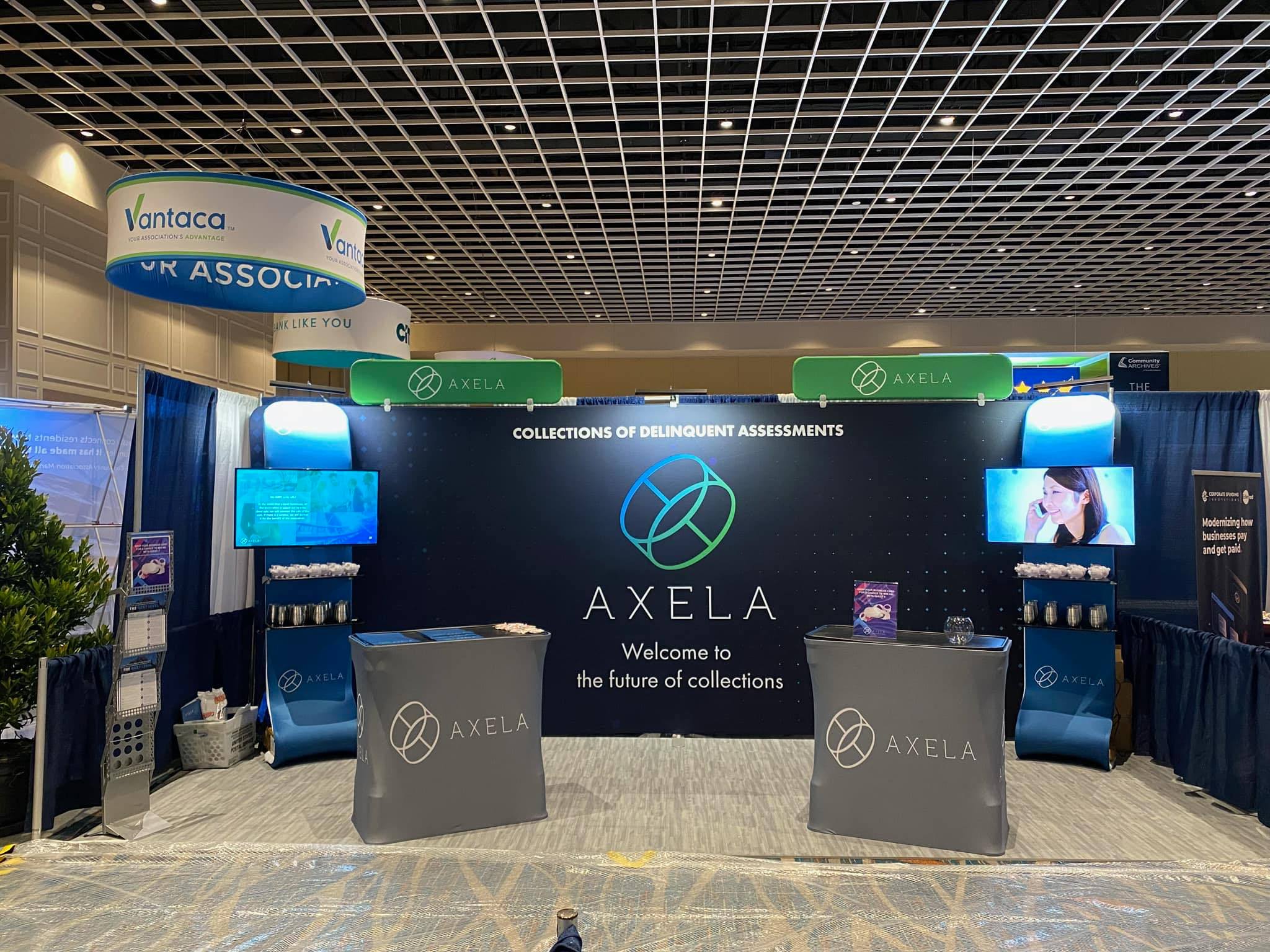
It’s important to note that foreclosure is a last resort for collecting assessments. Before foreclosing, the HOA should work with a specialized and licensed collections solution like Axela-Technologies. Our services include client outreach, respectful phone calls, emails, mailed letters and notices, bank notifications, credit bureau reporting, and other legal and fair methods to collect. For a no obligation collections analysis, please Click Here and let us show you “How the Future Collects.”


Tags: ,
New Module: Inspections and Checklists by BuildingLink

New Module: Inspections and Checklists by BuildingLink

  • Posted: Feb 27, 2023
  • By:
  • Comments: Comments Off on New Module: Inspections and Checklists by BuildingLink

New Module: Inspections and Checklists

by BuildingLink

We can’t think of a better time than the current environment to be introducing to you our newly released Inspections and Checklists Module! Whether you want to document all of the new practices in place because of COVID-19, or to lock down your existing routines for property inspections, employee daily task lists, or monthly/yearly PM (preventative maintenance), there is a new way to do it all:

Make A Checklist Out Of It!

The new Inspections and Checklists Module will help bring consistency and excellence to your daily routines. Your property managers can build checklists of any kind and length – and your staff can document existing conditions or completed tasks conveniently in the field, using the same BuildingLink GEO mobile app they already know and use every day!

This is a very feature-rich module! Be sure to read the below ‘Q & A’ to learn more about automated inspections via the built-in scheduler, or easily creating work orders during an inspection – and lots of other useful shortcuts and features!

We’ve released the initial version of our Inspections and Checklists module to most of our buildings, and are eager to hear your feedback! Managers can access the module under the “Maintenance” section of the left-hand navigation in BuildingLink. If you’re not seeing it, and want it released for your building, email us at support@buildinglink.com, or call 212-501-7117.


You’ve got questions? We’ve got answers!

Q: What types of checklists have buildings been creating so far?A: We are seeing lots of diversity here! For example:

  • Daily/weekly/monthly task lists
  • Lobby, common areas, and grounds walk-throughs
  • Move-in/move-out, in-unit inspections
  • Mechanical room and rooftop inspections and PM
  • Start-of-shift checklists
  • Amenities opening checklists (i.e. fitness center, pool)

Q: Is there a limit to the number of checklists, or number of items on a checklist, that can be created?

A: No, there is no limit! In addition, if you want to make multiple versions of a checklist with small changes (to reflect different apartment layouts or daily/monthly/yearly routines), there is a convenient “Clone a Checklist” function that you can use and modify, to save you time!

Q: What types of inputs are possible for each checklist item?

A: Obviously, a checkbox is added for you, and a textbox for comments from the person conducting the inspection. Finally – and most importantly – the ability to upload one or more photos that document the condition or space being checked.

Q: Is there a library of pre-built checklists that BuildingLink is making available?

A: There are currently three pre-built inspections checklists that a building can use or modify. More will be added in the coming weeks! Topics of pre-built checklists: Facility Exterior, Fire Prevention Checklist, Inspection Plan.

Q: Is there a “Scheduler” or “Assigner” function for inspection checklists that need to be performed on fixed intervals?

A: Yes! The module allows for the scheduling of checklists recurring at fixed intervals, or by specific employees. Any scheduled checklists not assigned to a specific employee, can be completed by any staff member.

Q: Can staff complete checklists “on the fly”, that have not been scheduled?

A: Sure! Any existing checklist can be selected and completed by your staff at any time – even if unscheduled.

Q: What if staff discovers items needing work or repair while completing an inspection? How can they flag it for further attention?

A: Glad you asked! From the in-progress checklist page, your staff can effortlessly generate a maintenance request for any checklist item – which flows directly into BuildingLink’s Maintenance Request Module! It is a one-step integration that allows staff to fluidly complete their assigned inspections and checklists, while still queuing up additional work to be done.

Q: How does management know when a checklist is completed (or not completed)?

A: Managers are notified by email once a checklist is completed and, from their Inspections Dashboard within BuildingLink, they can review the results, export to PDF, or print! On the inspections dashboard, managers can also see scheduled inspections that are overdue.

Q: I have more questions about this module. How can I learn more about it?

A: Visit our help section for more information about the Inspections and Checklists Module!

For more info, contact us at support@buildinglink.com, or give us a call at (212) 501-7117.

BuildingLink

407-529-6063

BuildingLink is currently used in over 5,000 properties in the U.S. and worldwide, offering efficient management, seamless communication, and an enhanced living experience for residents.

BuildingLink is the gold standard for property managers looking to upgrade the experience of managing, working and living in a luxury residence, our clients can be found near and far – in New York, Boston, Miami, Dallas, and San Francisco, but also in Toronto, Melbourne, Tokyo and Singapore.


Streamline maintenance and operations.

BuildingLink works like magic to save your employees time, delight your residents, and give you the insights on your building that you need to tackle issues and avoid costly mistakes. Our central dashboard lets you track, search, and monitor everything that matters:

  • Service tickets
  • Inventory levels
  • Employee performance
  • Legal documents
  • The latest shift
  • Your resident’s preferences and requests.
  • And even more management tools!


Tags: , , ,
HOA Architectural Committees Required Statutory Procedures Requirement For Published Standards Required Self Help

HOA Architectural Committees Required Statutory Procedures Requirement For Published Standards Required Self Help

HOA Architectural Committees

Required Statutory Procedures, Requirement For Published Standards and Required Self Help.


REQUIREMENT OF FORMAL PROCEDURES

There are strict legal requirements that a homeowners’ association’s (HOA) architectural review committee (ARC) must follow, most especially if the ARC intends to deny an owner’s request. As this author has witnessed countless times, it is likely that many ARCs do not conduct their activities in conformity with Florida law such that an ARC denial may not withstand judicial scrutiny. If these legal requirements are not followed, and the ARC denies the owner’s architectural request, then it would be quite easy for the owner to challenge the ARC’s decision and prevail. Upon prevailing, the owner would be entitled to their prevailing party attorney’s fees and costs, as well. It is so easy to avoid this outcome, yet so few associations take the time to do it right.

Pursuant to §720.303(2), Florida Statutes, a meeting of the ARC is required to be open and noticed in the same manner as a meeting of the association’s board of directors. Notice of the ARC meeting must be posted in a conspicuous place in the community at least 48 hours in advance of the meeting, and the meeting must be open for all members to attend. Further, pursuant to §720.303(2)(c)(3), Florida Statutes, members of the ARC are not permitted to vote by proxy or secret ballot. Also, bare bone minutes should be taken to create a record of ARC decisions—especially denials.

We often hear from many HOAs that the ARC does not meet openly and does not notice their meetings. This leaves decisions made by the ARC vulnerable to challenge. If the ARC denies an application but fails to do so at a properly noticed board meeting, the owner can challenge the denial, claiming that it is not valid because the ARC did not follow proper procedure. In such cases, the ARC’s denial of an application is not valid because the ARC failed to comply with the procedural requirements for the meeting even if an application violates the declaration or other association-adopted architectural standards. However, by complying with the provisions of Chapter 720, Florida Statutes, your HOA can work to avoid this debacle.

PUBLISHED STANDARDS

Often a top priority for an HOA is ensuring that homes in the community maintain a harmonious architectural scheme in conformity with community standards and guidelines, and because the ARC is at the frontline of owners’ alterations and improvements to their homes, it is instrumental in ensuring that the community standards and guidelines are met. Pursuant to §720.3035(1), Florida Statutes, an HOA, or the ARC, “has the authority to review and approve plans and specifications only to the extent that the authority is specifically stated or reasonably inferred as to location, size, type, or appearance in the declaration or other published guidelines and standards.” But not every owner request is typically addressed in the declaration or other published guidelines and standards. If not, then the association may not be in a good position for proper denial. Therefore, the ARC is only as effective as the objective guidelines and standards (set forth in the declaration and other published guidelines and standards) are inclusive. So, what is the association to do when the ARC receives an owner’s application for an alteration to the home, but the association does not have any architectural guidelines or standards regulating the requested alteration?

While not court tested yet, a possible solution for this conundrum is to include a “catch-all” provision in the declaration to proactively address those ARC applications where a member may request a modification that is not directly addressed by the governing documents. Such a “catch-all” provision stands for the proposition that, if such a request is made, then the existing state of the community is the applicable standard by which the ARC application is to be judged. For example, imagine if an owner applies to the ARC to paint the owner’s house pink. If there are no architectural guidelines or standards that address what color a house must be, and there are no pink houses in the community, then the existing state of the community may provide a lawful basis for the ARC to deny the request because there are no existing pink houses in the community.


THE TROUBLE WITH SELF-HELP PROVISIONS

What if an owner refuses to maintain the owner’s property, such as pressure washing a dirty roof, despite the HOA sending demand letters, levying a fine, and perhaps even suspending the owner’s right to use the HOA’s recreational facilities? What is the HOA’s next step? Is it time to file a lawsuit to compel compliance? Well, Chapter 718 (governing condominiums), Chapter 719 (governing cooperatives), and Chapter 720 (governing HOAs) of the Florida Statutes authorize the association to bring an action at law or in equity to enforce the provisions of the declaration against the owner. Additionally, many declarations contain “self-help” language that authorizes the association to cure a violation on behalf of the owner and even, at times, assess the owner for the costs of doing so. These “self-help” provisions generally contain permissive language, meaning the association, may, but is not obligated to, cure the violation. Sadly, in this instance the word “may” means “shall,” and to find out why, read on.

There is a general legal principal that, if a claimant has a remedy at law (e.g., the ability to recover money damages under a contract), then it lacks the legal basis to pursue a remedy in equity (e.g., an action for injunctive relief). Remember, too, that an association’s declaration is a contract. In the context of an association, the legal remedy would be exercising the “self-help” authority granted in the declaration. An equitable remedy would be bringing an action seeking an injunction to compel an owner to take action to comply with the declaration. Generally, a court will only award an equitable remedy when the legal remedy is unavailable, insufficient, or inadequate.

Assume that the association’s declaration contains both the permissive “self-help” remedy and the right to seek an injunction from the court. Accordingly, it would appear the association has a decision to make—go to court to seek the injunction or enter onto the owner’s property, cure the violation, and assess the costs of same to the owner. However, recent Florida case law affirmed a complication to what should be a simple decision. In two cases decided ten years apart, Alorda v. Sutton Place Homeowners Association, Inc., 82 So.3d 1077 (Fla. 2nd DCA 2012) and Mauriello v. Property Owners Association of Lake Parker Estates, Inc., 337 So.3d 484 (Fla. 2nd DCA 2022), Florida’s Second District Court of Appeal decided that an association did not have the right to seek an injunction to compel an owner to comply with the declaration if the declaration provided the association the authority, but not the obligation, to engage in “self-help” to remedy the violation. Expressed simply, this is because the legal contractually based “self-help” remedy must be employed before one can rely upon equitable remedy of an injunction. Therefore, even though the declaration provided for an optional remedy of “self-help,” it must be used before seeking the equitable remedy of an injunction.

In Alorda, the owners failed to provide the association with proof of insurance required by the declaration. Although the declaration allowed the association to obtain the required insurance, the association filed a complaint against the owners seeking injunctive relief, asking the court to enter a permanent mandatory injunction requiring the owners to obtain the requested insurance. The owners successfully argued that even though they violated the declaration, the equitable remedy of an injunction was not available because the association already had an adequate legal remedy—the “self-help” option of purchasing the required insurance and assessing them for same. The Court agreed.

In Mauriello, the declaration contained similar language as in Alorda but involved the issue of the owners failing to keep their lawn and landscaping in good condition as required by the declaration. The association filed a complaint seeking a mandatory injunction ordering the owners to keep their lawn and landscaping in a neat condition. However, the facts were complicated by the sale of the home in the middle of the suit when the new owners voluntarily brought the home into compliance with the declaration. The parties continued to fight over who was entitled to prevailing party attorney’s fees with the association arguing it was entitled to same because the voluntary compliance was only obtained after the association was forced to commence legal action. The owners, citing Alorda, argued that the complaint should have been dismissed at the onset because the association sought an equitable remedy (injunction) when a legal remedy was already available—the exercise of its “self-help” authority. The Court considered the award of attorney’s fees after the dismissal of the association’s action for an injunction. Ultimately, the Court held that the owners were the prevailing party as the association could not seek the injunction because it already had an adequate remedy at law.

Accordingly, if your association’s declaration contains a “self-help” provision, and your association desires to seek an injunction against an owner rather than pursue “self-help,” the board should discuss the issue in greater detail with the association’s legal counsel prior to proceeding. Also, remember that if the association wants to enforce architectural standards, then they must be published to the membership; and always remember to notice ARC meetings and take minutes.

[AdSense-A]

Tags: , ,