United Professional EngineeringUnited Professional Engineering (UPE) delivers expert structural solutions tailored for South Florida’s unique building environment. Celebrating 20 years in business, UPE is led by Carmelo Giglio, PE, SI, FRSE, CGC, CSI-CDT, and supported by a licensed team of engineers, inspectors, designers, and general contractors. From structural inspections and milestone reports to restoration and design, we help ensure safety, compliance, and long-term value at every stage of the building lifecycle.
Providing exceptional engineering services through integrity, reliability and professionalism. With over 21 years of experience, we are the leaders in the industry, and we can help you as well!
UPE’s engineering consultants offer a full range of services based on extensive project experience and innovative thinking.
Today, one of the largest investments is building a structure and how to maintain its lifespan. Structural integrity, environmental factors, atmospheric elements, and maintaining aesthetics are all important factors that we evaluate very carefully, when working on a project. At UPE our highly qualified licensed designers, engineers and general contractors promises to ensure your investment is protected.
We believe it’s important to exhibit and maintain an open communication network, while working towards each of our client’s best interests, as well as everyone involved. We are committed to structural safety and serviceability, identify equilibrium conditions, resolve limitations and utilize preventive and corrective maintenance behavior. UPE is here to help accomplish each milestone of your project, together!
A new state law requires mandatory structural studies on older condo buildings with three or more stories. Senate Bill 4-D also requires association boards to increase repair funding reserves, and many owners now face six-figure special assessment fees.
Don Tyre, building official manager, provided city council members an update on the local process at a committee meeting. He noted that 225 condo buildings must submit reinspection reports this year, as all exist within three miles of the coast.
He said bill provisions allow deadline extension in some extenuating circumstances. The city will address delinquent buildings on a “case-by-case basis.”
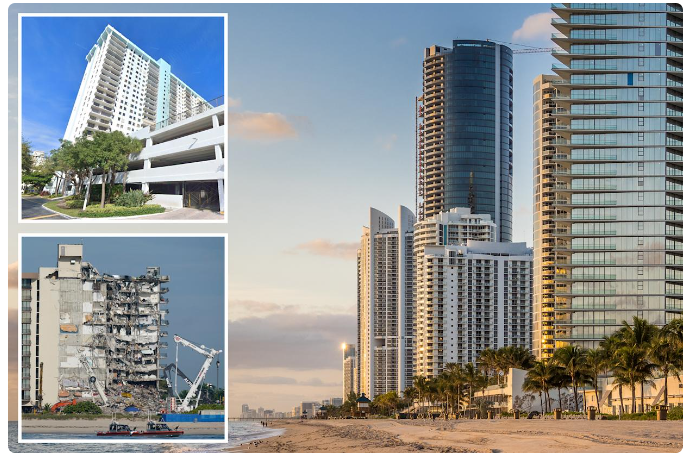
The legislation, stems from the Chaplain South Tower’s collapse in Surfside, Florida. The catastrophe – still under investigation and blamed on several factors – killed 98 people
Miami-Dade and Broward Counties were the only jurisdictions to mandate structural inspection programs for existing buildings before the collapse. The local ordinances required buildings over 40 years old to receive a 10-year recertification.
“That’s, basically, what we’re going to be following – a 25-year inspection program with a 10-year reinspection portion,” Tyre said. “December of this year is the big date. It’s been postponed once; I don’t anticipate it being postponed again.”
He noted that 68 of the 225 buildings have submitted milestone reports. The legislation also applies to commercial structures of any height with an occupancy limit exceeding 500 people.
Local governments must submit a 180-day notice to affected owners and associations. St. Petersburg issued those forms
Tyre explained Phase I is a visual inspection from an architect or engineer to discern “any possible substantial structural deterioration.” Those could require further evaluations, and stakeholders must submit a Phase II Inspection report within 180 days.
“The responsibility falls to the condo ownership group and architectural or engineering firm they hire to provide that documentation,” Tyre added. “If they deem it necessary to go into a Phase II inspection, that’s a more forensic investigation.”
He said that could include building material sample testing, movement measurements, soil studies and “a number of different building imaging options.” The owners have one year to pull permits and start repairs if the architectural or engineering firm finds significant deterioration.
“If there’s a life safety issue, that’s when we (the city) would step in as a regulatory authority,” Tyre said. “And potentially, either evacuate the building or a portion of the building – it could be limited to just a small area, like a couple of balconies or something like that.
“There’s going to be some condo associations or buildings that will require a deeper review.”
Tyre said the inspections focus on structural integrity rather than code violations and fall outside the city’s scope. However, building officials will provide oversight.
Councilmember Brandi Gabbard requested the update and noted that received reports would constitute municipal public records. She said that would help inform prospective buyers.
“Anybody who has ever bought or sold a condo knows that sometimes it is challenging to get all of the documentation regarding the condo association the way it is now,” Gabbard said. “But then when you add this on top of it, and the type of reserves that we could potentially see being increased, there is some concern over transparency …”
Tyre said building officials must redact some information, and residents must submit a formal public records request to receive documentation. Elizabeth Abernethy, director of planning and development services, said they could explore creating an online portal to streamline the process.
The legislation allows local governments to implement a fee for reviewing submitted inspection reports. Abernethy believes the city has adequate staff to “get through this initial push and wouldn’t be necessary to charge an additional fee for review those reports.”
However, buildings needing repairs must pay associated permitting costs. Gabbard said she has “no desire” to require additional payments.
“Some of these reserve needs are going to be pretty hefty,” she added. “I don’t think we need to pile on.”
Thank You for the contribution of this article so others can learn.
Florida Condo Building Inspections (SB4d)
The State of Florida Property Management Association with Legal & Engineering Members are here to provide help so you understand the new laws and how to take the correct action to ensure you are in full compliance.
HB 913 compliance isn’t optional—and the December 31 deadline is coming fast.
At SRI, we’re turning questions into clarity with AI-powered insights. Visit our updated “AI for Building Safety” webpage for the guidance you need before time runs out.
Find the answers to your Questions using our AI today.
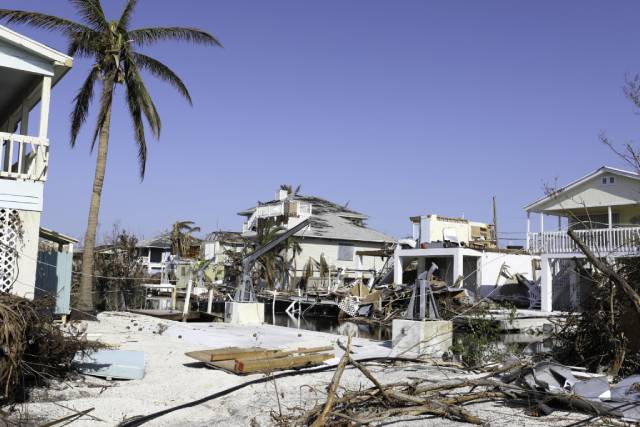
The coastal Northeast is experiencing a concerning trend of heating at a faster rate compared to other regions in North America. Researchers have identified a strong correlation between the accelerated warming and the rapidly increasing temperatures in the North Atlantic Ocean and increasing storm intensity. Natural disasters such as hurricanes, tornadoes and coastal flooding can strike at any moment, leaving communities devastated and in need of immediate assistance. It is crucial for communities to be prepared in order to minimize the impact of these disasters and ensure the safety of their residents.
Preparing your community for a natural disaster is crucial to minimize damage, save lives, and facilitate a swift recovery. Here are a few steps to assist with your preparation:
Assessment and Planning:
Identify the types of natural disasters that are common in your area, such as earthquakes, hurricanes, floods, wildfires, or tornadoes.
Conduct a thorough risk assessment to understand the potential impact of these disasters on infrastructure, buildings, and residents.
Collaborate with professionals to create a comprehensive disaster preparedness plan.
Make sure that the community has backed up records of their site plans, architectural and structural drawings, as this can greatly assist in the post disaster assessment and recovery process.
Initial building evaluation performed based on the severity of the storm/event:
The degree of safety & habitability of the subject building is not always obvious. If there is any doubt or question that there may be structural or building envelope damage to a building, call you Professional Engineer or Architect and have an evaluation performed.
In some instances, you may be required by your local municipality to have your professional assist with stabilizing the structure before parties can enter the structure to collect personal belonging that may remain.
Communication and Engagement:
Establish a reliable communication system to disseminate information before, during, and after a disaster. This can include email, social media, or text alerts.
Designate community leaders or volunteers responsible for communicating updates and instructions.
Contact Insurance:
It can take a while to get adjusters to scene following an event. Be sure to take before, during and after photos of any damage that occurred.
Post-Disaster Recovery:
Establish a recovery plan that includes damage assessment, debris removal, and restoration of essential services.
Plans and specifications may be required to repair or reconstruct the building, depending on severity.
Code requirements can impact the work based on if it is classified as repair vs reconstruction. This needs to be carefully reviewed and considered as insurance carriers may try to exclude some of the necessary work, so the Architect or Engineer needs to be well versed on preparing plans for this type of work.
Remember, disaster preparedness is an ongoing effort. Regularly review and update your plans based on new information, changing community demographics, and emerging technologies. By taking proactive steps, you can help your community minimize the impact of natural disasters and ensure a more resilient future.
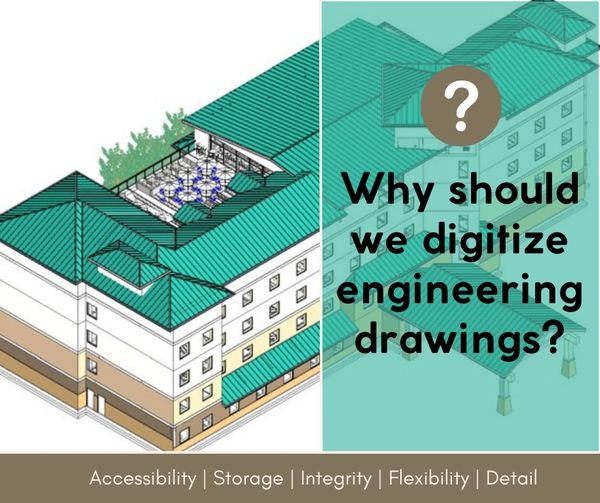
1- Accessibility and Sharing. Digital files are easy to search, copy and share, saving valuable time and improving collaboration.
2- Storage and Document Integrity. Digital drawings are much less expensive to store than paper copies and are not subject to degradation over time.
3- Flexibility. Digital drawings are easy to rework or update, streamlining change processes and speeding renovations.
4- Details. Digital designs allow for the addition of audio or video to individual elements, providing an extra level of detail (e.g., materials, site layout, construction processes).
At the end of the day, digitization is a huge time and cost saver.
A slow-motion crisis is unfolding in Florida’s condo market, threatening to upend the state’s image as a haven for retirees and reasonably priced beach living.
Owners of the state’s older condos are bracing for steep special assessments, while racing to sell their homes and receiving only tepid buyer response.
Amid a property market that’s still vibrant for nearly every other segment, Florida’s aging condominiums are losing value. And nearly 1,400 buildings are now blacklisted from receiving mortgage financing, making those apartments an even-tougher sell.
Thousands of Florida condo units face special repair assessments which are making them difficult to sell — and causing them to lose value quickly. oldmn – stock.adobe.com
At the heart of this turmoil is a basic reality: Florida’s aging condo buildings desperately need repairs, and state officials are forcing them to assess (and pay for) those long-overdue upgrades.
Under a law enacted after the tragic 2021 collapse of Champlain Towers South in Surfside, which saw 98 people lose their lives, condo boards may no longer defer major structural improvements to another day — or decade. The “Building Safety Act” required every condo tower in Florida aged 30 years or older to complete a structural integrity study by the end of 2024, to get a full grasp of what problems need fixing.
This year, the tab for those repairs comes due. Condo boards must now set aside funds to fix the issues found in those studies — from concrete restoration to balcony overhauls. And the assessments on individual condo owners are looking both pricey and unsettling.
“You’re going to see a massive reduction in the value of these buildings based on these giant special assessments and the work that has to be done,” said Orest Tomaselli, CEO of Strategic Inspections, which advises condo boards nationally on how to shore up their reserves.
In Florida buildings he’s worked with, Tomaselli has seen special assessments as low as $250 per month, to a property that levied $2,500 per month, per unit owner, for a three-year stretch.
The assessments result from inspection and repair mandates stemming from the 2021 Surfside building collapse that killed 98 people. AP
“There are real people in these units that may be displaced,” Tomaselli said of the assessments, “that may lose their nest egg and may lose tremendous amounts of value in their units.”
”At Aventura’s Mediterranean Village, a waterfront condo complex with a marina out front, unit owners were hit with six-figure special assessments last year, some as high as $400,000, according to published reports.
At Miami’s Cricket Club, a 50-year-old waterfront tower burdened with $134,000 special assessments per condo, 23 of the building’s 217 condos are currently for sale, according to brokerage Compass. In a Miami market where the median condo price was $445,000 in the fourth quarter of last year, condos at the Cricket Club are seeking buyers with prices as low as $220,000 for a 1,950-square-foot two-bedroom on the 19th floor. (The owner initially sought $330,000).
The Summit Towers in Hollywood, FL is facing a $56 million assessment. Google Maps
Meanwhile, at Summit Towers in Hollywood, a building-wide special assessment of $56 million led to the ousting of four board members in a January election, in favor of new members who promised “a more moderate approach” to building up reserves, said Amy Greenberg, a broker and resident of the building with several listings there.
“A lot of people moved here to be able to retire and live their life here, and they’re on fixed incomes,” said Kathleen DiBona, a 50-year resident of Hollywood who serves as president of the Hollywood Beach Civic Association. “They’re having a difficult time being able to manage all that’s coming and hitting them.”Many owners whom DiBona knows in Hollywood, a city dotted with older towers, are seeking to off-load units with little success. Others, she said, have dropped insurance coverage for their condos so they can manage to pay their special assessments.
Failure to pay these assessments will impact more than just the individual owners who can’t afford them. If 15% of unit owners in a building default, the entire property could become ineligible for mortgage financing, according to Tomaselli of Strategic Inspections.
“What happens if nobody can get a loan to buy a unit in your building?” says Joseph Hernandez, a Miami-based partner in the real estate group of law firm Bilzin Sumberg. “It essentially makes the units in your building unsaleable and it makes the value of those units go down.
“We may see a lot of condo projects go into distress.”
Some could already be getting close. In February, Fannie Mae, the national mortgage finance agency, updated its running list of “unavailable” US condo buildings, meaning they are no longer eligible for mortgage financing. Of the 4,885 buildings currently on the list, 29% are located in Florida, the highest share of any state. The top reason: “critical repairs or deferred maintenance,” according to a person familiar with the roster.
One newly flagged example is 4000 Island Blvd., a 32-story condominium in Aventura’s exclusive Williams Island, which was built in 1985 and added to Fannie Mae’s no-lending list in January. At least 24 unit owners are trying to sell, according to Compass. Barry Sytner, the condo board’s president, called the building’s inclusion on Fannie Mae’s list “incorrect,” noting that the property just secured a bank loan commitment to cover expenses tied to its 40-year inspection.
There are roughly 1.1 million condo units in Florida that are 30 years old or more, and subject to the new law, according to the Florida Policy Project. Of those, 58% are concentrated along the Southwest and Southeast coastal counties, in places like Tampa, Clearwater and the greater Miami metro area, including Fort Lauderdale and Palm Beach County.
Around two dozen condos are up for sale in this Aventura, FL condo building, according to reports. miamiresidence.com
That means the law’s reach extends to more than half of all condo owners in Florida’s famed retirement enclaves. According to brokerage ISG World, apartments that are over 30 years old accounted for 86% of all Southeast Florida condo listings in the fourth quarter of 2024 — a total of 17,198 properties for sale across Miami-Dade, Broward and Palm Beach counties.
Yet even as thousands of newcomers flock to the region, these abundant and discounted units are languishing on the market, weighed down by the threat of special assessments and uncertainty over looming repair costs.
“The fear of the unknown is scaring the hell out of potential buyers,” said Craig Studnicky, ISG’s chief executive officer.
“Remember that show, ‘Let’s Make a Deal?’ ” Studnicky said. “They may get a special assessment and it could be quite modest, which means you just made one hell of a deal. But what if you’re wrong, and the special assessment is gargantuan? Not only is the special assessment big, but the scope of construction is big, and you’re going to be living in a construction site for the next two years.”
The full extent of special assessments is still an open question for many Florida properties. While the state deadline for condos to submit their structural integrity studies was on Dec. 31, only 39% of buildings in Southeast Florida have done so, according to the Miami Association of Realtors.
Some of that’s because engineers were simply not available, amid a statewide rush to get these studies completed. Others could be gambling that enforcement won’t be robust or swift, said Peter Zalewski, a Miami-based broker, analyst and condo investment consultant.
“You’re going to see a massive reduction in the value of these buildings based on these giant special assessments and the work that has to be done,” said Orest Tomaselli, CEO of Strategic Inspections.
“You have buildings that are shopping for studies, because maybe they’re coming in too high, and maybe they can find someone who can lowball it,” Zalewski said.
“People are figuring out what to do,” Zalewski added. “They think there will be a silver bullet, some kind of cure in the upcoming Florida legislative session” amid outcry from condo owners
The state legislature, which convenes its 2025 session March 4, has no plans to bail out condos or offer reprieve from the deadlines to fund repairs, Florida legislative leaders said at a condo conference last month held by Miami Realtors, according to Homes.com.
“A lot of people moved here to be able to retire and live their life here, and they’re on fixed incomes,” said Kathleen DiBona. Courtesy of Kathleen DiBona
Lawmakers, however, might consider financing solutions to help condos cover the cost of structural studies and maintenance, including allowing reserve funds they set aside to be invested.
Despite some maintenance challenges, Florida’s older condos still reflect the only affordable opportunity at homeownership for those who can’t swing the price tags of Miami’s new crop of ultra-luxury developments, says Scott Diffenderfer, a Miami-Beach-based broker for Compass who specializes in sales of older units.
He says he’s pretty upfront with potential buyers these days about the scope and costs of repair that some of his listings will undergo.
Brokers view the new regulations and mandatory repairs as a necessary correction to Florida’s once-lax condo standards, Diffenderfer explained.
Previously, buyers had little insight into a building’s true condition — much like purchasing a used car without a Carfax report.
Now, with stricter enforcement requiring proper reserves and full disclosure of maintenance history, brokers say the condo market could become more transparent and ultimately unlock greater value for owners.
“For probably 75% of the buildings in South Florida, when the dust settles, people are going to say, ‘You know what? That was painful. But look at these buildings!’ ” Studnicky said. “They’re in great shape.”
Comments: Comments Off on ROUTINE INSPECTON IS THE FOUNDATION UPON WHICH ALL GREAT MAINTENANCE PLANS ARE BUILT.
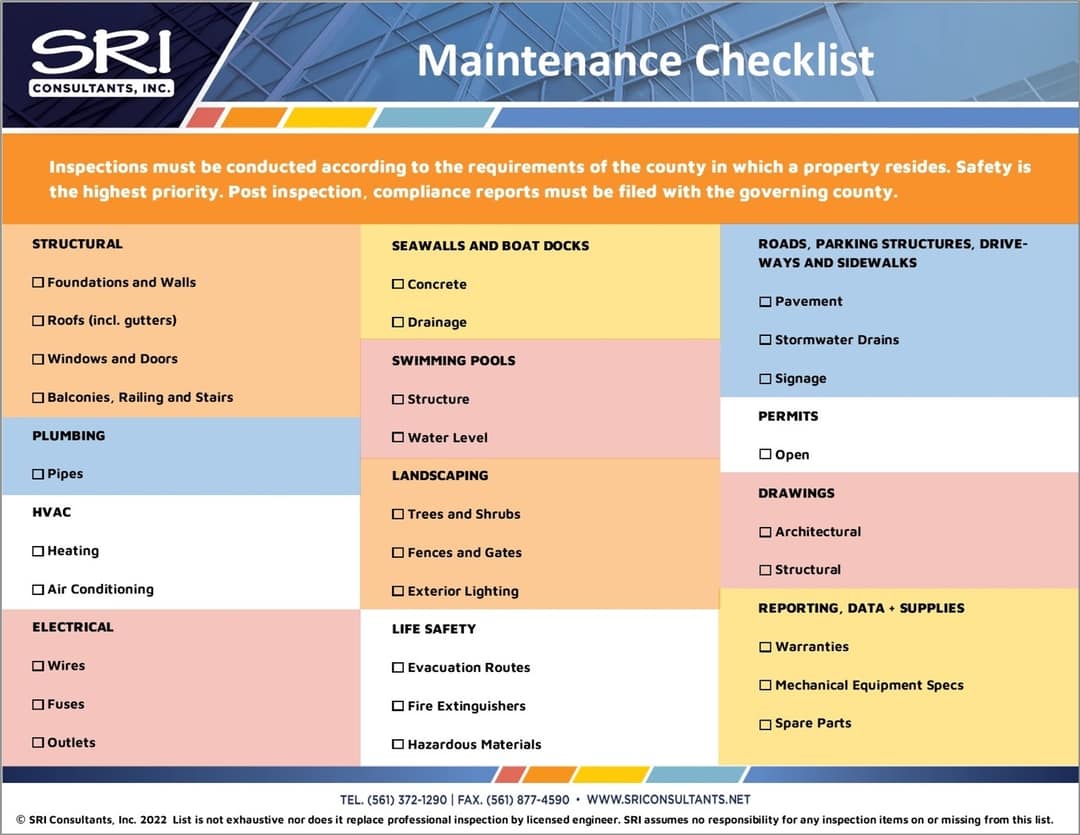
Managers here is a maintenance checklist to get the ball rolling? We’ve created just the one to help you identify problem areas before they reach critical status.
Preventive Maintenance is Key, A good manager should get out of the Office and walk the property, get your hands dirty, take action on any problem or the start of a problem you see. This way you will not have a major problem later.
SRI Consultants has come up with a great checklist for you to use. DL it below.
And make sure to reach out when you require detailed inspections and repair recommendations by a licensed engineer (Hint: 30-40-50-year surveys). We look forward to your call!
Do you have questions about Florida’s building safety legislation, Senate Bill 4D? Just enter your query in the textbox and click “Send Query”. For example, try asking, “What is the Florida Senate Bill 4D?”. This AI tool is experimental and provides no warranties regarding the accuracy of its results. Use at your own risk.
In the architectural and building construction industry, the type of roofing material used can have far-reaching implications not only on the aesthetics of the building but also on the functionality, durability, and cost-effectiveness of the structure. This blog post seeks to compare two types of roofing systems – flat concrete roofs and wood-trussed tiled roofs – in the context of Florida’s challenging weather conditions and the potential for high insurance costs, costly repairs following hurricanes, and fire hazards. It also aims to underscore the advantages of flat concrete roofs in terms of their utilization for gardening, solar panels, and recreational activities.
Flat Concrete Roofs vs. Trussed Tiled Roofs: A Comparative Analysis
Insurance Costs: Homeowner’s insurance in Florida is greatly influenced by the type of roofing system used in a building. Wood-trussed tiled roofs, while aesthetically appealing, are often more expensive to insure due to their vulnerability to the region’s frequent hurricanes. The tiles can become airborne during severe weather, causing damage to the structure and surrounding properties. On the other hand, flat concrete roofs are inherently more robust and resistant to hurricane damage. Their seamless design and sturdy material make them less likely to suffer significant damage during storms, which can lower insurance premiums for homeowners.
Durability and Repair Costs: Wood-trussed tiled roofs require regular maintenance and are more susceptible to damage from Florida’s extreme weather conditions. The repair costs following a hurricane can be substantial, as replacing tiles and repairing the underlying structure can be labor-intensive and expensive. Conversely, flat concrete roofs are known for their durability and low maintenance requirements. The strength of concrete and the absence of individual tiles that can break away make these roofs less prone to damage and thus less likely to need frequent repairs.
Fire Resistance: Concrete is a non-combustible material and provides excellent fire resistance, a crucial factor in areas prone to wildfires or in dense urban environments where fires can easily spread from building to building. Trussed tiled roofs, depending on the material of the tiles, may not offer the same level of fire protection.
Utilization of Roof Space
Gardening: Flat concrete roofs offer an excellent opportunity for rooftop gardening. This not only enhances the aesthetic appeal of the building but also promotes sustainability and biodiversity.
Solar Panels: The flat surface of concrete roofs provides an ideal base for the installation of solar panels. This can lead to significant energy savings and reduce dependence on grid electricity, contributing to a more sustainable environment.
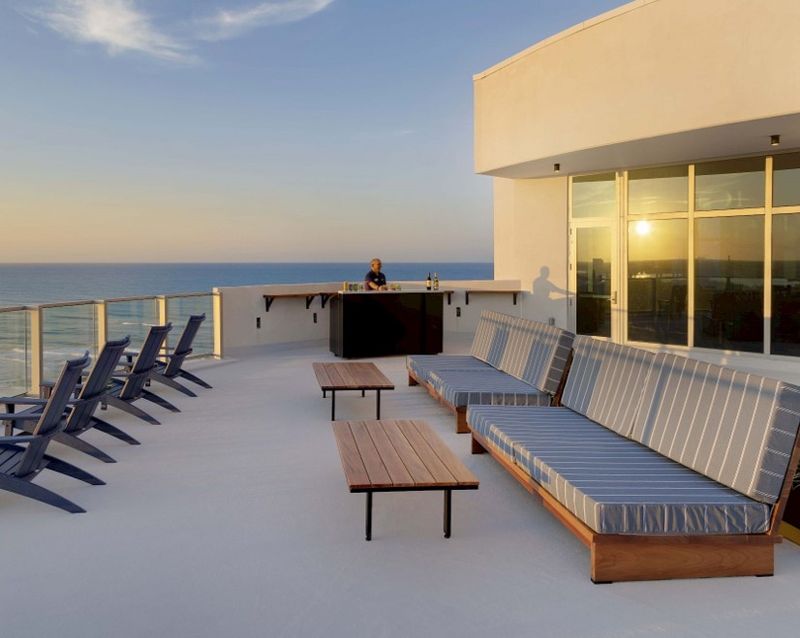
Recreational Activities: The additional outdoor space provided by a flat concrete roof can be used for a variety of recreational activities, from hosting gatherings to creating a rooftop yoga studio or even a rooftop pool. This effectively increases the usable space of the property without expanding its footprint.
Cost Considerations
The cost savings of a concrete flat roof compared to a wood-trussed roof can vary greatly depending on several factors. These factors can include the size and complexity of the roof, the region in which the building is located, labor costs, and the specific materials used. Here are some general aspects to consider:
Initial Construction Cost: Concrete roofs can be more expensive to install initially compared to wood-trussed roofs due to the material cost and labor involved. However, the cost can be offset over time through lower maintenance and repair costs.
Maintenance and Repair Costs: Wood-0trussed roofs typically require more maintenance than concrete roofs, as wood can be susceptible to rot, pests, and weather-related damage. Repairing or replacing damaged components of a wood-trussed roof can add significantly to the lifetime cost of the roof.
Energy Efficiency: Concrete roofs can provide better insulation than wood-trussed roofs, which can lead to savings on heating and cooling costs over the lifetime of the roof.
Insurance Costs: As mentioned earlier, concrete roofs can often result in lower insurance premiums due to their durability and resistance to fire and severe weather, which can lead to significant savings over time.
Lifespan: Concrete roofs generally have a longer lifespan than wood-trussed roofs, meaning the replacement cost is deferred further into the future. This can result in significant savings when considered over the lifespan of the building.
Resale Value: A concrete roof can increase the resale value of a home due to its durability, low maintenance, and energy efficiency.
To get a precise cost comparison, it would be best to obtain quotes from local contractors who can take into account the specific details of the building and local material and labor costs. This will give a more accurate estimate of the potential savings.
While both flat concrete roofs and trussed tiled roofs have their merits, when considering factors such as insurance costs, durability, repair expenses, fire resistance, and utilization of roof space, flat concrete roofs offer substantial advantages, particularly in the context of Florida’s unique climate and weather conditions. The ability to use the roof for gardening, solar panels, and recreational activities further adds to the appeal of flat concrete roofs. As we continue to confront the challenges of climate change and urban living, the choice of roofing material has implications beyond aesthetics. It is a decision that can significantly impact a building’s resilience, sustainability, and overall cost-effectiveness. The evidence suggests that, for Florida homeowners, flat concrete roofs represent a compelling choice.
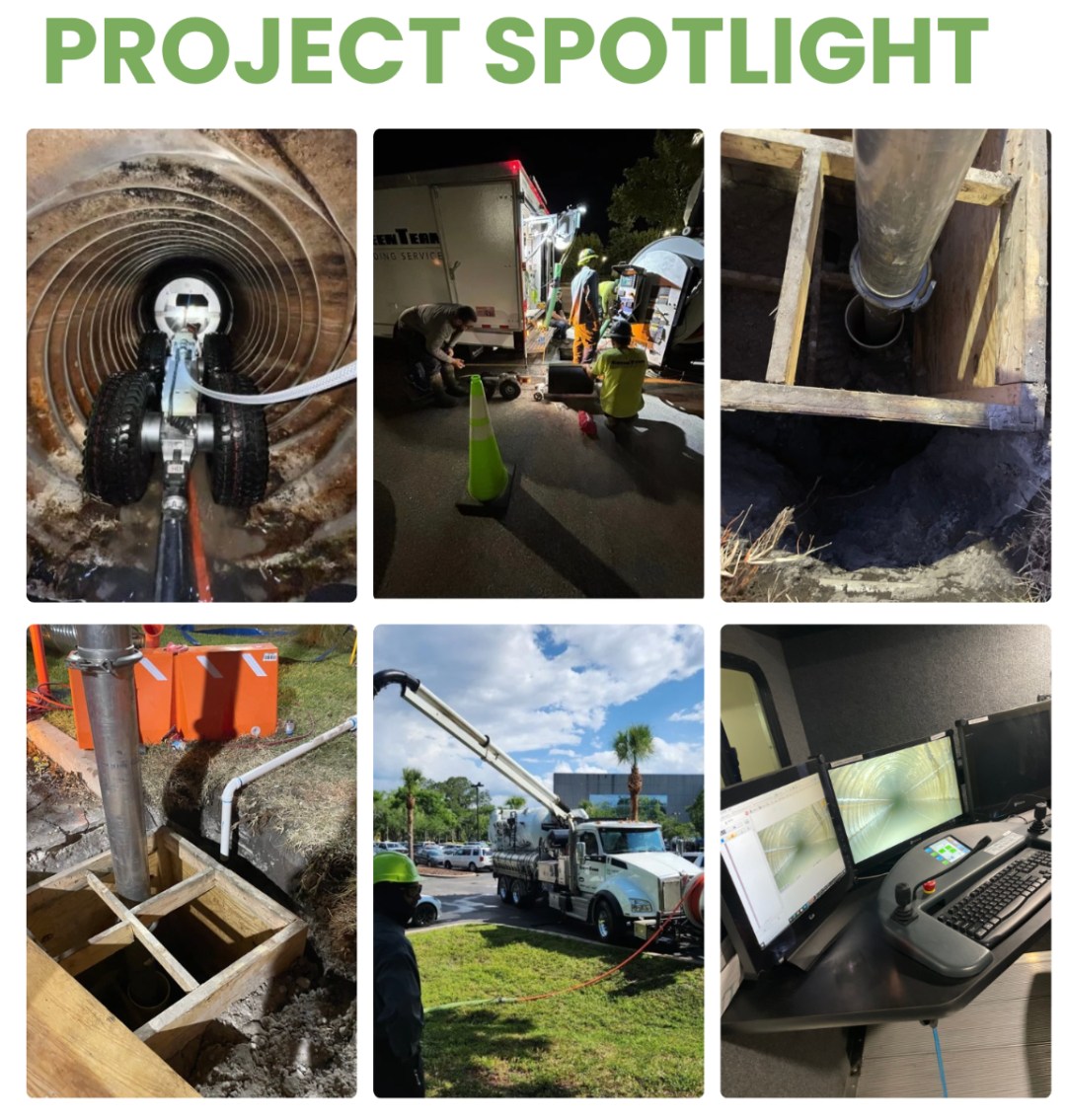
Did you know that CCTV trucks are vital tools for inspecting the condition of underground pipes?
Equipped with high-resolution cameras mounted on crawlers, these trucks can navigate through pipelines, capturing video footage of the interior. This allows inspectors to identify problems like cracks, blockages, corrosion, or misalignment, all without having to dig up the pipes.
This non-destructive method of pipe verification is crucial for preventative maintenance, ensuring the quality of pipelines and helping to diagnose issues before they cause serious problems.
It also helps with making sure the pipes are clear so they dont block up or prevent drainage of your properties parking lots and Loading Docks. Setting up a plan for cleaning and Maintenance is important, especially with the Florida Storms.
SFPMA & Members are ready to Handle Storm Damage & Claims for Condo and HOA Properties!
These Trusted Members are; Legal Firms, Public Adjusters, Roofing, Engineering & Service Companies that work with you on Solutions to Storm Related Damage.
Has your Home, Condo or HOA Sustained Property Damage?
SFPMA has a team of Legal Experts, adjusters, estimators and claim specialists for the benefit of the Condo and HOA’s who sustained damage from the storms and fire, water or mold.
With the know-how and experience to analyze, evaluate, and negotiate the best settlement for your Insurance Claim!
“Get the maximum settlement for your damage claim!”
PROPERTY DAMAGE
Hurricane Storm Damage
Water Damage / Floods
Fire Damage
Mold Damage
Roof Damage and Leaks
Sinkholes & Earthquakes
Property Vandalism and Theft
WHAT WE PROVIDE CONDO & HOA’S
Property Inspections & Site Analysis
Review of your Insurance Policy
Damage Report Backing up the Claim
Loss Estimates Documentation
Negotiation and Settlement with Insurance Companies
A Claim usually includes inspections, detailed estimates, more inspections, client reviews, negotiating with insurance companies, consulting with insurance company and most importantly, getting you your money as fast as possible.

 Don Tyre, building official manager, provided city council members an update on the local process at a committee meeting. He noted that 225 condo buildings must submit reinspection reports this year, as all exist within three miles of the coast.