SFPMA

SFPMA Industry Articles | news, legal updates, events & education! 

Find Blog Articles for Florida’s Condo, HOA and the Management Industry. 

Sales for Members: Advertising in our Magazine/ the News Blast or our website.

Sales for Members: Advertising in our Magazine/ the News Blast or our website.

  • Posted: Apr 29, 2026
  • By:
  • Comments: Comments Off on Sales for Members: Advertising in our Magazine/ the News Blast or our website.

Take advantage of our Advertising Sale Today.

We have Advertising in our magazine and in the News Blast Avail for 2026

  • News blast: Your company will show as a sponsor for the full year, we publish over 3 blasts per week, M,W,F
  • We also have a special Engineering every Thursday on that your logo is on that page with a link to our Directory,
  • ( only 2 spaces left  @ 350.00 for the year )


  • Magazine Advertising Sponsorship’s, Full Pages, Half Pages and quarter page Ads,. This sale is buy 3 months we match it with the same amount of months. (buy 3 months get 3 months free)


ADVERTISING SALES

1-  We are running this sale for all members become a featured sponsor of our Email News Blast

  • We publish our Email Blast filled with News, Articles, Member Information, This is sent 3 days every week. Mon, Wed and Friday at 9am
  • Your company has a 300px by 300px logo picture linked to your website
  • Be seen as supporting sfpma for the year.  52weeks @3x every week

Special Price of 400.00 for the entire year


2- Take out Advertising in our Publication – FLORIDA RISING MAGAZINE

  • Take out half and full pages in our magazine 3 months get 3 months Free.
  • take advantage of this special pricing
  • See our Advertising FLAT Rates:  Special Pricing

*You can write articles every month we will publish. Each month we have the ability to publish member companies articles, promotions used to educate readers on what you do and how you can help. (min 3 months)

Call us today and lock your Spaces or Fill out the Form We will call you!


We publish by the 15th of each month. or once all artwork is in.

Florida Rising Magazine.


    Main Contact Form SFPMA

    Your Name (required)

    Your Email (required)

    Phone: We will call you back (required)

    Your Website URL

    Subject

    Your Message


    Tags: ,
    How are repairs addressed with Property Managers in my building

    How are repairs addressed with Property Managers in my building

    • Posted: Apr 19, 2026
    • By:
    • Comments: Comments Off on How are repairs addressed with Property Managers in my building

    How are repairs addressed with Property Managers in my building

    Maintenance and Repair Costs

    Good maintenance and repairs keep tenants happy and preserve the value of your investment which make them a very important part of land-lording. By hiring a management firm you gain access to both their in-house maintenance staff, as well as their network of licensed, bonded and insured contractors who have already been vetted for good pricing and quality work. This can translate into significant savings compared to going through the yellow pages and hiring a handyman yourself.

    *South Florida Property Management Association has our own Vendor & Business Member directories these members directly aid our Management members giving them cost savings for any work needed in the buildings they manage. This savings means savings for the building owners.


    Increased inspections means happier tenants, It aids in the value of your investment

    Preventative maintenance is achieved through putting systems in place that catch and deal with maintenance and repair issues early on, before they grow into larger more costly problems. This requires a written maintenance check program, detailed maintenance documentation and regular maintenance visits. The management firm can also offer you suggestions and feedback on upgrades and modifications, both how they will affect the rent you can charge, as well as their impact on maintenance and insurance.

    [/accordion-item] [accordion-item title=”Services that Property Managers provide”]The following is a list of the tasks a Manager commonly perform for owners. You may only need some of these services, and the Management companies you interview may offer more or less than what is listed here.

    Evaluate the property and determine an accurate rental rate

    • Perform detailed documentation of the interior and exterior including photos
    • Offer recommendations on repairs and cosmetic improvements that maximize monthly rent while providing good ROI.
    • Gather data on rental rates in the area and work with owners to determine the optimal rental rate. Rent research will vary, but should include looking at the recently rented comparables according to size and type.
    • Discuss with owners the pros and cons of different policies such as accepting pets, allowing smoking etc.


    Market the property for rent

    • Prepare home for rent
      • Clean home and optimize interior appeal
      • Manicure landscaping to increase curb appeal
    • Create ads tailored to the property and advertising medium. Some of the mediums commonly used are:
      • Paid and free rental listing websites
      • Print publications
      • Signs
      • MLS
      • Fliers
    • Work with other realtors and leasing agents to find a tenant
    • Provide a 24-hour hot-line where prospective tenants can listen to detailed information about the property
    • Field calls from prospects for questions and viewings
    • Meet prospective tenants for showings throughout the week and weekend.
    • Provide prospective tenants with rental applications that are legally compliant with fair housing laws
    • Collection applications with application fee
    • Perform a background check to verify identity, income, credit history, rental history, etc.
    • Grade tenant according to pre-defined tenant criteria
    • Inform tenants who were turned down
    • Draw up leasing agreement
    • Confirm move in date with tenant
    • Review lease guidelines with tenant regarding things like rental payment terms and required property maintenance
    • Ensure all agreements have been properly executed
    • Perform detailed move in inspection with tenant and have tenants sign a report verifying the condition of the property prior to move-in.
    • Collect first months rent and security deposit
    • Receiving rent
    • Hunting down late payments
    • Sending out pay or quit notices
    • Enforcing late fees
    • Filing relevant paperwork to initiate and complete an unlawful detainer action
    • Representing owner in court
    • Coordinating with law enforcement to remove tenant and tenants possessions from unit
    • Advise in the event of a legal dispute or litigation
    • Refer owner to a qualified attorney when necessary
    • Understand and abide by the latest local, state and federal legislation that apply to renting and maintaining rental properties.
    • Perform periodic inspections (Inside and outside) on a predefined schedule looking for repair needs, safety hazards, code violations, lease violations, etc.
    • Send owner periodic reports on the condition of the property
    • Provide accounting property management services
    • Make payments on behalf of owner (Mortgage, insurance, HOA dues, etc.)
    • Detailed documentation of expenses via invoices and receipts
    • Maintain all historical records (paid invoices, leases, inspection reports, warranties, etc.)
    • Provide annual reporting, structured for tax purposes as well as required tax documents including a 1099 form
    • Advise owner on relevant tax deductions related to their rental property
    • Provide easy to read monthly cash-flow statements which offer a detailed breakdown of income and itemized expenses
    • Provide and oversee an in-house maintenance crew
    • Establish a preventative maintenance policy to identify and deal with repair needs
    • Provide an network of licensed, bonded and fully insured contractors who have been vetted for good pricing and good work that is up to code.
    • Assign jobs to different parties (in-house employees, handyman and professional contractors) based on who will do the best job for the best price.
    • Maintain outdoor areas
      • Leaf and snow removal
      • Landscaping
      • Removing trash and debris
    • Maintain and monitor a 24 hour emergency repair hot-line
    • Larger renovation or rehab projects
      • Provide recommendations on how the project can maximize rental income.
      • Prepare preliminary cost estimates
      • Get multiple independent bids for the work
      • Act as general contractor overseeing the work
    • Inspect unit and fill out a report on the property’s condition when the client moves out
    • Provide tenant with a copy as well as estimated damages
    • Return the balance of the security deposit to the tenant
    • Forward any portion of the owner’s portion of the tenant deposit to the owner or hold in owner reserves for repairs.
    • Clean unit and perform and needed repairs or upgrades
    • Re-key the locks
    • Put the property back on the market for rent


    How does the community association manager track incoming resident maintenance requests and the subsequent work orders?

    A software solution should be in place here. You want to find a manager with a system that does not allow maintenance requests to fall through the cracks and require multiple tenant requests before the work is done. Ideally, tenants should be able to submit maintenance requests online. ( Add the Page of all PM, Landlord Software )


    How are after hours maintenance requests and emergencies handled and who handles them?

    Make sure its someone qualified to handle the problem. The last thing you want is an answering machine or someone saying you will have to wait till Monday to get your or your tenants issue resolved.


    What system do they have in place to practice preventative maintenance?

    Preventative maintenance is the mechanism a manager uses to maintain the value of your property and avoid letting small issues become larger more expensive problems down the road. This involves things like a predefined maintenance and inspection schedule as well as promptly addressing known issues. This of course assumes owners are willing to make the necessary repairs when they come up. Slum lords may balk, but successful real estate investors know that when you’re in for the long haul you have to engage in sustainable practices that maximize property values, not short-term practices that delay (and multiply) costs.


    Do they have their own maintenance crew?

    If the answer is yes, are they covered by workers compensation and are they licensed, bonded and insured? Additionally are they available 24/7/365 for emergencies?  As a member of SFPMA we have a full listing of vendors & business members on our directories for them to choose from.


    What contractors do they work with?

    Do the contractors carry workers compensation and are they licensed, bonded and insured? Does the management company oversee the contractors’ work for quality, code compliance and cost effectiveness? Some owners like to take the extra step of researching the primary vendors that will be used to make sure there are no red flags. All SFPMA members are checked making sure they have the proper licenses and insurance a requirement for membership.


    What rules do they have in place regarding contractors entering occupied properties?

    Make sure they have an established policy here. Anytime contractors and maintenance personnel are entering occupied units there is potential for trouble if the situation is not handled carefully.


    Do they provide itemized statements with receipts for the work performed?

    This adds accountability and transparency to the billing process. You don’t want to work with a management company that is unwilling to provide solid documentation of where your money is going.


    Do they let tenants perform repairs?

    Tenants perform inferior quality work, and their lack of insurance coverage, liability or workers compensation could leave you liable in the event of an accident or injury. Why take the risk of having them accidentally fall off a roof or ladder, electrocute themselves, or flood your home? If they don’t allow tenant repairs, make sure this is written into the rental agreement. If you are comfortable allowing them, at least have the tenant sign a waiver and agree that the repairs must be approved by the manager.


    Do they allow tenants to hire their own handyman?

    This is also inviting trouble, and the rental agreement should prohibit this. In some cases written into a single family home lease some repairs are included in the rental agreement, Find out if there are any agreement such as this. Check to make sure this is not considered a liability hazard although providing these services eliminates the issue of tenant neglect and can improve tenant satisfaction which helps with retention.


    What is involved in their process for preparing a property to be re-rented after a tenant has vacated? How long does this process take?

    The property should get the usual cleaning, paint job, re-keying, etc. but this is also a good time to consider strategic improvements that will maximize your rental revenue. You want to find a property manager that will proactively offer this kind of feedback on an as needed basis. Obviously the quicker the turnaround time, the better.

    Tags: , , ,

    10 Management Professional things agents should know and do | SFPMA

    10 Management Professional things agents should know and do | SFPMA

    10 Management Professional things agents should know and do.


    1. Immediate Response: As a real estate agent you need to make your response time, when your prospective buyer calls or emails, as quick as possible. If the buyer doesn’t find you available then he may call somebody else. Buyers want instant response and will not wait for you to call them back or respond to mails only when you are in office.

    2. A person he can trust: An agent needs to tell the buyer the truth even if it means losing the sales. While you speak volumes about the virtues of a home, you need to point out the possible defects as well so that the buyer can think twice and not be blinded by only the positive features. The buyer should feel that you are on his side and fluff and untruth will make him lose his confidence in you.

    1. Keep learning on the job: A person is smart when he hires people smarter than he is (Henry Ford). A buyer wants to use your education and experience in order to feel that he has employed the right person to do the job. You should come across as an expert in the field. The best and only way it is done is through constant learning. This can be through trainings and also reading relevant stuff. You should have a ready knowledge about the property that you are highlighting.
    2. Good communication skills: You need to be extremely good at handling your communications. There are all kinds of buyers and while some prefer an e-mail others may like you to call them. The best course is to ask them their preferred mode of communication. Always remember to promise less and deliver more.


    [AdSense-B]


    1. Professional and friendly: Being friendly and at the same time maintaining professionalism is the best way, although a bit difficult. Friendliness is preferred by most buyers as you give out the vibe that you are on their side. At the same time they also want you to be assertive and professional. They want you to handle anything that may come up while they are probably viewing the house or saying €no’ to a particular seller.
    2. Information about the neighborhood: When you are trying to sell a property in a particular neighborhood you should have good knowledge about it in terms of amenities and facilities. Your buyer may be interested in knowing about train stations or bus stops that are close by. The interest could even be a park for children. Make a search and find out all you can about areas where most of the properties that you deal in are located.
    3. Price guide: You need to be the professional who has inside information about the price. The client may be interested in your opinion so prepare yourself well. You need to be careful that you do not quote a price that is too low or too high. You need to be ready with market trends and facts for the particular area and similar properties. Guide them to make an informed decision.
    4. A good inventory: When a buyer visits you he wants to know about as many properties as he can. He expects a wide inventory and you need to be ready with one. Since you cannot predict the kind of home each buyer requires as buyers buy for their own reasons, you need to have all kinds of properties ready. The choice of properties should take care of a wide arena of needs and requirements.
    5. Dedicated time: When a buyer comes to you he expects you to devote all your time to him until he leaves or makes a decision. Remember you may be selling 10 houses in a week but for him it is one single home that he may be buying in a lifetime. You need to show your enthusiasm and zeal and help him to decide on the perfect home. Try and focus on him and the transaction he is going to make and leave all work aside for the time being.
    6. Time saving transactions: The modern real estate buyer is hard pressed for time. He wants the transaction to be fast and take up as little time as possible. And he would like you to handle things in such a way that the total time is cut down and he can proceed with other things. So do your homework and be prepared to save time, both his and yours.

    [AdSense-A]


    Tags: , , ,
    Four reasons why hydrojetting can be important for winter maintenance in the state of Florida. by GreenTeam Building Services.

    Four reasons why hydrojetting can be important for winter maintenance in the state of Florida. by GreenTeam Building Services.

    Hydrojetting is a method of cleaning and maintaining pipes using high-pressure water to remove debris, sediment, and other buildups. While Florida generally experiences milder winters compared to many other regions, there are still reasons why hydrojetting can be important for winter maintenance in the state:

    1. Preventing Clogs from Cold Weather Effects: Hydrojetting prevents winter temperature-related pipe blockages by breaking down and flushing out materials that can solidify in colder water.
    2. Clearing Debris from Storms and Heavy Rain: Heavy rain and storms during Florida winters can lead to debris accumulation in sewer systems. Hydrojetting clears these obstructions, preventing potential flooding.
    3. Maintaining Sewer System Efficiency: Regular hydrojetting as part of winter maintenance prevents blockages and backups, ensuring the optimal year-round operation of sewer systems.
    4. Addressing Potential Tree Root Intrusions: Hydrojetting is effective in removing and preventing tree root intrusions into sewer lines, reducing the risk of disruptions during winter months.
    Hydrojetting is crucial for Florida’s winter maintenance, addressing challenges like temperature-related clogs, storm debris, and tree root intrusions. Stay proactive in preserving your commercial properties sewer systems’ efficiency by contacting us today!
    📍 North Andrews Avenue Extension
    Pompano Beach, Florida 33069
    📞 Call us at (954) 210-4100
    📧Email us at Service@getgreenteam.com
    For other inquiries email us:
    Projects@getgreenteam.com
    Backflow@getgreenteam.com
    Vacservice@getgreenteam.com
    Tags: , ,
    “RIMKUS” IS A WORLDWIDE LEADER IN ENGINEERING, CONSTRUCTION MANAGEMENT AND CONSULTING AND SO MUCH MORE.

    “RIMKUS” IS A WORLDWIDE LEADER IN ENGINEERING, CONSTRUCTION MANAGEMENT AND CONSULTING AND SO MUCH MORE.

    “RIMKUS” ENGINEERING, CONSTRUCTION MANAGEMENT, CONSULTING AND SO MUCH MORE…

    FOR THOSE OF YOU WHO NEED ANY ASSISTANCE WITH YOUR 30, 40 OR 50 YEAR INSPECTIONS, CALCULATING AND PREPARING YOUR NEW RESERVE STUDIES OR NEED REPAIRS TO YOUR CONDOMINIUM PROPERTY — WATCH THEIR ONE MINUTE VIDEO.


    Building Envelope Assessments

     The Rimkus Architecture, Engineering, and Construction (AEC) Building Envelope Services team can provide a complete assessment of a structure’s building envelope (façades, roofs, windows, balconies, walkways, parking areas, etc.) describing the condition of such and all items in need of repair. A recommended timeline and a projected construction cost will also be provided to assist the owner in projecting future budgets.For a full survey of all building components, Rimkus can increase the scope of the survey and provide a full Property Condition Assessment (P.C.A.) including mechanical, electrical and plumbing systems, elevators, and interiors.Building Envelope Assessments and PCAs are typically provided with 5- or 10-year projections; however, they may be customized to the client’s needs. These reports can be utilized as a tool to help create capital expenditure budgets and establish maintenance schedules.

    Maximizing the value and life cycle of a building requires continuously maintaining performance and improving energy efficiency. Our building envelope services include:

    • Façade Inspections
    • Façade Restoration
    • Building Envelope Assessments
    • Roof Consulting
    • Waterproofing and Weatherproofing Assessments and Design
    • Historic Preservation
    • Pavement Engineering

    RIMKUS

    http://www.rimkus.com

    AECAssignments@rimkus.com

    800-580-3228


    Tags: , , , ,
    Condo HOA Expos Florida Dates – You Will Find – Top Companies working together in our Industry! Sign up for Networking and Educational Events!

    Condo HOA Expos Florida Dates – You Will Find – Top Companies working together in our Industry! Sign up for Networking and Educational Events!

    • Posted: Apr 14, 2026
    • By:
    • Comments: Comments Off on Condo HOA Expos Florida Dates – You Will Find – Top Companies working together in our Industry! Sign up for Networking and Educational Events!

    Condo HOA Expos Florida Dates – You Will Find – Top Companies working together in our Industry!
    Sign up for Networking and Educational Events!


    Get face-time with industry experts, browse the latest products and services and learn how to save thousands of the management and maintenance of your condo or HOA.

    Registration is FREE for association managers, board members. Don’t delay!


    COME MEET HUNDRED’S of CONDOMINIUM AND HOA VENDORS AND TAKE CONDO AND HOA EDUCATIONAL CLASSES AND SEMINARS ALL DAY LONG


    Our Partnership from the very first Expo to the present shows with L&L Management has been nothing less then spectacular. Every year the Condo and HOA Expos give’s our members an opportunity to meet and greet the thousands of Board Members, Managers and Industry Professionals who show up to learn about the changes & advancements in our industry.

    On the educational side, the events are a great way to provide Seminars and Board Member Courses to a large group gathered together at one time,  Thanks L&L’s Show Manager Nick Vedder our partner for many years of the Expos.


    April 16, 2026
    AT THE BROWARD COUNTY Convention Center.

    Seminars: 8:30 am – 5:00 pm
    Exhibits: 10:30 am – 3:00 pm

    REGISTER HERE


    Palm Beach Condo & HOA Expo
    April 21, 2026
    AT THE PALM BEACH CONVENTION CENTER.


    Tampa Bay Condo & HOA Expo
    April 10, 2026
    AT THE TAMPA BAY CONVENTION CENTER.

    Seminars: 8:30 am – 5 pm
    Exhibits: 10:30 am – 3:00 pm 


    ORLANDO CONDO & HOA EXPO

    Orange County Convention Center-West Bldg
    9800 International Drive, Orlando,
    Orlando, FL 32819

    April 28, 2026

    Seminars 8:30 am – 5 pm
    Exhibits 10:30 am – 3 pm

    REGISTER HERE


    Naples Condo & HOA Expo & Seminars

    New Hope Event Center
    7675 Davis Blvd. Naples, FL 34104

    April 17, 2026

    Seminars 9:00 am – 4:45 pm

    Exhibits 10:30 am – 3:00 pm

    Register Here


    BRADENTON AREA Condo & HOA Expo

    Property Management Expo & Seminars
    Bradenton Area Convention Center

    No show date set yet.

    Seminars: 8:30 am – 5:00 pm
    Exhibits: 10:30 am – 3:00 pm

    Register Here


    If you wish to take part in an upcoming expo, you can always go to the shows websites and fill out the forms, or contact L&L directly for dates, times, prices and venues. 

    Since its start the State of Florida Property Management  association has been working with Nick to bring the top Companies in front of Managers and Board Members. 


    Nick Vedder
    Show Manager
    Office: 800-374-6463 x114
    CONDO & HOA EXPO

    www.mbcondohoaexpo.com
    www.pbcondohoaexpo.com
    www.browardcondohoaexpo.com
    www.naplescondohoaexpo.com
    www.bradentoncondoexpo.com
    www.orlandocondohoaexpo.com
    www.tampabaycondohoaexpo.com


    Tags: ,
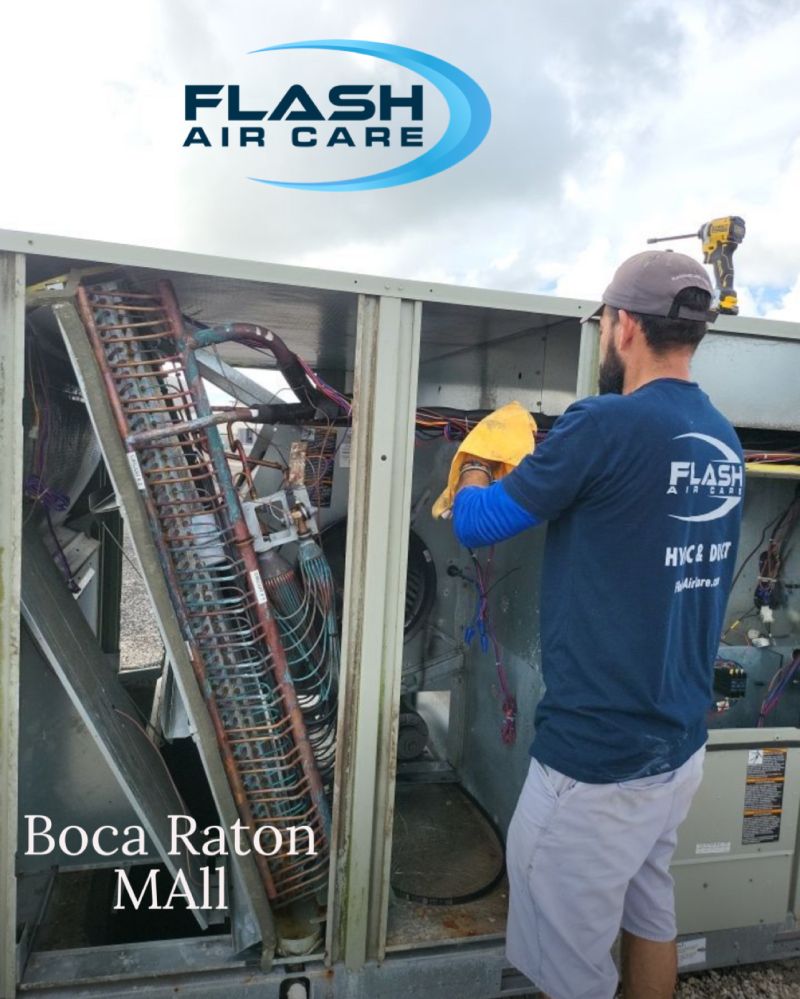
    The second half of the Duct and HVAC cleaning and remediation. Cleaning the Air Handler is a critical part of the process. by Flash Air Care

    The second half of the Duct and HVAC cleaning and remediation. Cleaning the Air Handler is a critical part of the process. by Flash Air Care

    The second half of the Duct and HVAC cleaning and remediation. Cleaning the Air Handler is a critical part of the process.

    Donald Brodsky  President at HOF, Flash Air Care – CAC1817554

    SFPMA Members

    Let’s not forget the HVAC Tech on the roof. We were on this roof today at 4:30 am so we can have a few good hours of no sun on our backs.

    This is the second half of the Duct and HVAC cleaning and remediation. Cleaning the Air Handler is a critical part of the process. Cleaning Ducts without cleaning the machine that moves the air is just a receipe for re-contamination of the entire system.

    Just another job at the Boca Raton Mall this week. Grateful for all the Remediation and Restoration companies that trust Flash Air Care to work side by side on their Mold Remediation projects.

    Tags:
    SFPMA’s Condo and HOA Guide for Budget Planning and RFP’s

    SFPMA’s Condo and HOA Guide for Budget Planning and RFP’s

    • Posted: Feb 17, 2026
    • By:
    • Comments: Comments Off on SFPMA’s Condo and HOA Guide for Budget Planning and RFP’s

    Guide for Budget Planning

    Board membership can be a lot of fun socializing with neighbors and contributing ideas on how to improve the communities. But it also involves serious work with budgets, required by Florida Statutes (FS) and, generally, by the association’s by-laws for many the fun is over when its time to prepare the annual budget.

    Budgets are typically approved on an annual basis during the months of October or November, but many smart boards start the budgeting process late in the summer months.

    Some associations’ fiscal year does run with the annual calendar, so they should prepare their budget 4-5 months before the start of a new fiscal year. Regardless of when your fiscal year begins and ends, board members should begin the budget process by identifying operational needs and estimating expenses for the coming year.


    “Who Is Responsible for Preparing the Budget?
    The requirements for the preparation of the annual budget for condominium associations are set forth in Section 718.112 (2) (f) FS; and for homeowners’ associations, in Section 720.303 (6) FS.
    Generally, the community association manager (CAM) is charged with the responsibility for preparing the preliminary draft of the budget and presenting it to the budget or finance committee for its review and approval. The budget committee, as appointed by the Board of Directors, and, ultimately, the Board itself, is responsible for the adoption of the association’s annual budget.”


    A budget also helps to:

    * Create proper reserve funds. Measure performance throughout the year.

    * Determine the amount of fees to be assessed to each unit owner for the upcoming fiscal year.

    Will homeowners be paying a little more, a little less, or about the same as last year? A well thought out budget supplies the answer.


    -Association Budgeting Rules in Florida

    Whether you serve on a condominium association or an HOA, Florida Statutes have a slew of legal requirements that affect the way budgets are presented and what they must contain. Longtime board members may be familiar with the state’s budgeting requirements under Statutes 718 and 720. If you’re a new board member, it helps to know what’s involved before diving in. Here’s a brief overview.

    * All associations, whether a condominium or HOA, are required to prepare an annual budget.

    * The budget must show the estimated revenues and expenses for the budget year.

    * An estimated deficit or surplus for the end of the current year must be reported.


    “Working Capital
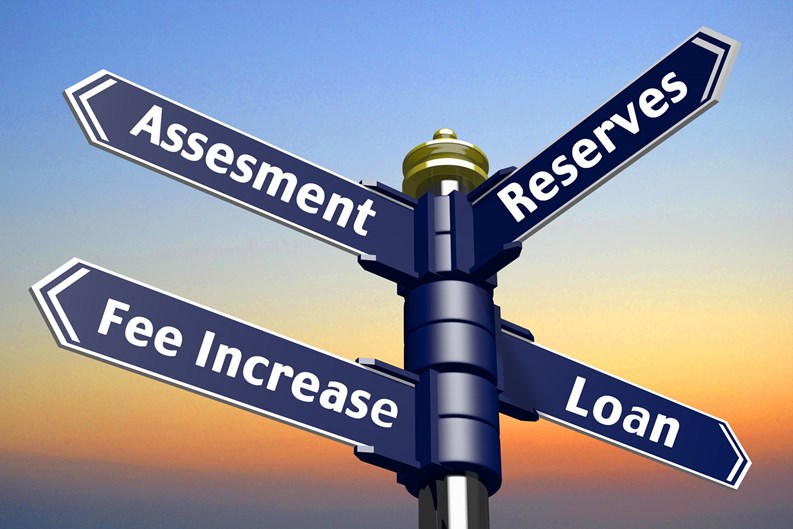
    As a generally accepted guideline, a community association should maintain its operating fund balance (“working capital”) at a minimum of two months’ maintenance assessments. If this guideline is not met, the Board should consider including a line item in the budget to increase working capital. However, if the working capital shortfall is significant, or if there is an accumulated deficit, a special assessment may be the more conservative alternative. The amount of the budget line item or special assessment should be determined after considering the current year’s expected results of operations.
    If the current working capital is sufficient and the current year’s operations are projected to have an excess of revenues over expenses (“operating surplus”), the Board can take advantage of this situation by including line items for special projects or improvements in next year’s budget. Alternatively, that surplus can be applied as a credit to the following year’s assessments to the owners. There are generally income tax considerations in applying this credit and therefore, the Board should consult with the Association’s income tax advisor.”


    -Preparing a Budget for your Condominium or HOA

    The budgeting process really involves preparing two components: an operating and a reserve schedule. The objective is to determine what homeowners will be charged for maintaining the common areas.

    * Operating budget ensures that all operational costs and expenses are identified. They assist in approximating expenses for the upcoming fiscal year.

    * Reserve schedule determines the amounts needed to be set aside for capital expenditures and deferred maintenance.

    Florida Statute regulations may be complex, but that doesn’t mean preparing a budget has to be complicated or overwhelming. In fact, once you understand the basics of calculating expenses, the process becomes clear-cut.

    -Budgeting Tips & Considerations

    Unlike a personal household budget where you figure out what you can spend based on your income, a condominium or HOA budget must begin by estimating costs first, which will then determine the amount an owner will be charged.

    -Operating Component

    1-Compile the current year’s year-to-date expenses. They will serve as the basis for the new budget year.

    2-Analyze these expenses carefully and factor out any that are non- recurring, such as plumbing or storm-related emergencies.

    3-Review your current contracts for escalation clauses and/or scheduled increases.

    4-Request estimated costs for non-contractual expenses like general repairs and maintenance, utilities, and certain administrative expenses.

    “Reserve Schedule

    Reserve funds are used for two expenses: capital expenditures for common area components, such as roof replacement, pavement resurfacing, and elevator upgrades; and deferred maintenance that generally refers to interior and exterior painting. The funds for these big-ticket items are generally collected over years, not just in the year they’re expected to occur.

    The condominium or HOA board may also have certain projects it wants to do that are not covered by reserves. This can include things like pool re-tiling, termite treatments, landscape improvements, and costs to maintain tennis, racquetball, or pickleball courts.

    The projection of these fees must be as accurate as possible. Remember, condominiums and HOAs are not-for-profits so it’s important that they do not have a surplus; of course, you don’t want a deficit, either.

    Budgeting is a big job, but if you break it down in these easy steps should take the stress away. Preparing an accurate budget keeps your condominium or HOA thriving financially now and in the years to come.”


    “Reserves
    Chapters 718 and 720 of the Florida Statutes both require the funding of reserves in the association’s annual budget (with specific waiver provisions for condominium and homeowners’ associations). The use of reserve funds is restricted for capital expenditures and deferred maintenance. A capital expenditure is the use of funds for the replacement or major repair of a common area component. Examples of capital expenditures are roof replacement, pavement resurfacing and elevator upgrades. The term “deferred maintenance” generally refers to interior and exterior painting. Reserves are included in the association’s budget so that funds are available for the eventual replacement of common area components and deferred maintenance. The alternative to funding reserves is the use of available operating funds or, more likely, the adoption of a special assessment. Sound financial management dictates that, concurrent with the adoption of a special assessment, a detailed budget should be established. Include a provision for bad debts commensurate with that of maintenance assessments.


    -Financial stability including accounting, collections, and accounts payable services are the core to a Condo and homeowners association’s strength and future success.

    Boards and their Property Management company work hand in hand providing a checks and balances system. where payables for buildings services are entered by the community manager, processed by the Payables/Accounting dept, reviewed by senior management. These are put in place for protections for all owners of the community.

    Having a Management Company to aid Board Members is important. unlike self managed community associations, no one person or Board member has total control with the financial responsibility for

    *Online payables processing
    *Electronic signatures
    *Accounts receivable collection process
    *Effective internal controls
    *Financial statement preparation
    *Annual Budget preparation

    This way the Management Company and Boards can work together on everything from The Communities:


    “Here are some other guidelines to consider when preparing the Association’s budget:

    *For contractual expenses, read the related contracts to identify any increases that are anticipated in the following year.

    *Contact your insurance agent as early as possible to determine insurance premiums. If financing insurance, try to obtain favorable rates.

    *Request estimated costs for non-contractual expenses such as general repairs and maintenance, certain administrative expenses, trash removal, and utilities.

    *Include a reasonable amount for bad debt expense.

    *Avoid a “Contingency” line item if possible.

    *Look at revenue trends for fee-for-service charges to unit owners such as work orders, laundry, parking, etc. Be sure to consider possible increases.

    *If loan repayments will be required, include the entire payment amount (i.e., principal and interest) in the budget.


    There are other concepts to keep in mind in preparing the annual budget: Be realistic. It is generally difficult to keep maintenance assessments at last year’s levels. The role of an association’s treasurer or president is to run the association’s business. It is not to win a popularity contest. That role should be treated with as much, if not more, respect than the association’s officers’ own businesses.

    The budgeting process doesn’t end with the adoption of the annual budget. Careful and routine monitoring of budget-to-actual results of operations is a vital part of the effective management of a community association.


    Defination of budget Terms:

    -Balance Sheet

    One of the reports included in the Financial Reports presented to the Board of Directors is the Balance Sheet. The Balance Sheet is a statement of the book value of all of the assets and liabilities (including equity) of the association. It provides a “snapshot” of the association’s financial standing as of the end of that particular month.

    -Collection Status Report

    By far one of the most popular and most important reports is the aging report or the Collection Status Report. This report provides the Board with a listing of the owners that are past due. There are many variations of this report, however, the sample shown is the most concise. This report provides a glimpse of the names of those owners that are past due, the total amount past due, and at what stage in the collection process the account is in.

    -Check Register and/or Accounting Software

    A Check Register its a monthly report. This report is a list of all of the checks written by the association during a given period, typically each month. Among other information, it lists, the check number, the vendor’s name, the invoice number, brief description of the payment, and the check mount.

    -Profit & Loss Report

    The second page of the Financial Report summarizes the revenues, costs and expenses incurred during a specific period of time. The Income and Expense Report follows a general format that begins with an entry for Income and subtracts from Income the costs of running thebusiness, including operating expenses, insurance, contracted vendors, and repairs. The bottom line, literally and figuratively, is net income or loss.

    Because we know Associations depend on their budget, our P&L reflects the Actual Expenses vs. the Budget Amount. This comparison is done for the current month as well as year-to-date. You are also provided with the variance (if any) between the actual expense and the budgeted amount.

    -Monthly Ledger

    The Monthly General Ledger is the main accounting record of a business which uses double-entry bookkeeping and is a summary of all of the transactions that occur in the company. It is built up by posting transactions recorded in the general journal. The Balance Sheet and the Income and Expense Report are both derived from the general ledger. The general ledger is where posting to the accounts occurs. Posting is the process of recording amounts as credits and debits in the pages of the general ledger. Because each bookkeeping entry debits one account and credits another account in an equal amount, the double-entry bookkeeping system will ensure that the general ledger will always be in balance.


    In the end Board and Management Companies should upload these reports to the Secure Association website where Owners can view the financial records each year. This avoids Questioning and sometimes fighting by owners in the association regarding fees being paid with the new budgets.


    Tags: , ,
    SFPMA has the top companies ready to help condo and HOA communities, find them on the Members Directory.

    SFPMA has the top companies ready to help condo and HOA communities, find them on the Members Directory.

    SFPMA Directory- 

    SFPMA has many of the top companies ready to help condo and HOA communities with everything from Accountants Attorneys, Collection Companies, website design and Building software(CRM) and Service Companies where estimates and Bidding are always asked during budget season. If you require a RFP (Request For Proposal)Search our Members Directory Business and Service Companies and ask them to help with cost savings for your Budgets.

    Find Members ready to help with Management, Business and Services for your properties.

    Property Maintenance is an integral part of managing the day to day operations for every type of property. Search the Members Directory for Companies working with Property Management, Condo and HOA properties in Florida. Search companies for RFP’s in this Budget Season.


    It takes more than just posting about your company on social media for your companies to get noticed and selected by Board Members and Property Managers.  It takes Trust!

    Become a Member today join SFPMA get listed on our Directory


    <

    p style=”text-align: center;”>[AdSense-A]