SFPMA

SFPMA Industry Articles | news, legal updates, events & education! 

Find Blog Articles for Florida’s Condo, HOA and the Management Industry. 

Update: what happens if condos dont get the florida inspection. sfpma.com

Update: what happens if condos dont get the florida inspection. sfpma.com

What happens if condos dont get the florida inspection?
If a condo in Florida does not undergo the required inspection, the condo association could face significant consequences including: difficulty obtaining insurance renewals, increased insurance premiums, potential legal action from owners, inability to sell units easily due to disclosure requirements, and may be forced to levy special assessments on owners to cover necessary repairs identified in the inspection if they are not completed, potentially leading to financial strain for residentsultimately, if structural issues are severe, the building could be deemed unsafe for occupancy by local authorities.

Key points about Florida condo inspections:
  • New legislation:

    Florida enacted strict laws requiring regular structural inspections for condos, particularly older buildings, following the tragic Champlain Towers collapse in Surfside.

  • Consequences of non-compliance:

    Condo associations that fail to get inspections done could face penalties, including difficulty securing insurance, higher insurance costs, and potential legal action from unit owners.

  • Disclosure requirements:

    Inspection reports must be disclosed to potential buyers, making it difficult to sell units if the building has not been inspected and repairs are needed.

  • Reserve funds:
    Inspections are often tied to the need to build up sufficient reserve funds to cover necessary repairs identified in the inspection

Update Jan, 13, 25
What is the new law for condo inspection in Florida?
Under the laws, all buildings occupied before 1992 must complete a milestone inspection by Dec.31, 2024. This is an examination of the building’s structural integrity by an architect or engineer. The requirement also applies to buildings at least 25 years old that are within 3 miles of the coast

In Florida, if your condo association fails to get a required “milestone inspection” done by the deadline, they could face legal consequences, including potential fines and penalties, as the law mandates these inspections for structural integrity, particularly for buildings reaching 30 years old and every 10 years thereafter; however, if you are actively trying to schedule the inspection and encounter delays due to factors like a backlog of engineers, you might be able to demonstrate “good faith effort” to avoid severe repercussions. 

Key points about Florida condo inspections and missed deadlines:
  • Milestone Inspection Requirement:

    Florida law requires most condominium buildings to undergo a comprehensive “milestone inspection” once they reach 30 years old and then every 10 years after that. 

  • Potential Consequences:

    If the inspection is not completed on time, the condo association could face penalties or legal action from the state or unit owners. 

  • “Good Faith Effort” Defense:

    If the association can demonstrate they were actively trying to schedule the inspection and encountered unavoidable delays (like a shortage of qualified engineers), they might be able to avoid severe penalties. 

  • What to do if you miss the deadline:
    • Contact the condo association: Immediately reach out to the association board to understand the situation and discuss next steps. 
    • Review the inspection requirements: Ensure the association is aware of the specific deadlines and necessary steps for the milestone inspection. 
    • SB 4-D increases the safety of Florida’s condominiums by requiring inspections for all condominiums and cooperative buildings that are three stories or higher. SB 4-D requires the following for condominiums and cooperatives:

      • Condominiums and cooperatives must conduct a Structural Integrity Reserve Study (SIRS) for buildings that are three stories or higher to ensure that necessary funding is available for any future structural repairs that may be needed. This study must be completed at least every 10 years after the condominium’s creation, regardless of the condominium’s age.
      • Structural milestone inspections are required for condominium and cooperative buildings of a certain age, depending on their distance from the coastline.
      • To increase transparency and accountability, all structural inspection reports and reserve studies are required to be part of the condominium association’s’ official record and must be provided to potential purchasers of a condo unit.Consult legal advice: If there are concerns about potential legal issues, consider seeking advice from a legal professional specializing in Florida condominium law.


What is Senate Bill 4-D?  -Some background:

SB 4-D increases the safety of Florida’s condominiums by requiring inspections for all condominiums and cooperative buildings that are three stories or higher. SB 4-D requires the following for condominiums and cooperatives:

  • Condominiums and cooperatives must conduct a Structural Integrity Reserve Study (SIRS) for buildings that are three stories or higher to ensure that necessary funding is available for any future structural repairs that may be needed. This study must be completed at least every 10 years after the condominium’s creation, regardless of the condominium’s age.
  • Structural milestone inspections are required for condominium and cooperative buildings of a certain age, depending on their distance from the coastline.
  • To increase transparency and accountability, all structural inspection reports and reserve studies are required to be part of the condominium association’s’ official record and must be provided to potential purchasers of a condo unit.


What is Senate Bill 154?

SB 154 revised the requirement for condominiums to collect reserves and allows a majority of voting residents to elect not to provide reserves or to provide less reserves than required. However, this legislation prohibits waiving or reducing reserve funding for repairs and maintenance of structural components identified in the SIRS.

Additionally, SB 154 refined the requirements of the SIRS to provide clarification on the items required in a SIRS and expanded who can perform a SIRS.

SB 154 allowed a specific type of condominium (multi-condominium with 25 condominiums or more) to provide no reserves or less reserves than required if an alternative funding method was approved by the Division of Condominiums, Timeshares, and Mobile Homes. The Division received funding to contract with a third-party to review alternative funding methods submitted to the Division for review and approval.


What is House Bill 1021?

HB 1021 increases transparency and accountability through changes to meeting requirements, voting, education for condominium directors, recordkeeping and reporting, and support from the Florida Department of Business and Professional Regulation (DBPR). Additionally, HB 1021 introduced criminal penalties for board members who act in bad faith, increased DBPR’s ability to address resident complaints through investigations, and established a criminal referral process to streamline accountability for individuals that have engaged in criminal activity.

What types of buildings or structures are excluded from the Structural Integrity Reserve study (SIRS) requirements?

The SIRS requirements do not apply to buildings less than three stories in height; single-family, two-family, or three family dwellings with three or fewer habitable stories above ground; any portion or component of a building that has not been submitted to the condominium form of ownership; or any portion or component of a building that is maintained by a party other than the association.

Who is required to do a Structural Integrity Reserve study (SIRS)?

A residential condominium association must complete a SIRS for every building in the condominium that is three stories or higher, as determined by the Florida Building Code.

When is the Structural Integrity Reserve study (SIRS) due, and how often does my association need to complete a SIRS?

Unit owner-controlled associations existing on or before July 1, 2022, must have a SIRS completed by December 31, 2024. A residential condominium must have a SIRS completed at least every 10 years after the condominium’s creation.

The deadline to complete a SIRS is December 31, 2024. When does my association have to start reserving for a SIRS?

If your budget is adopted on or before December 31, 2024, you may vote to waive or provide less than the required SIRS reserves with a majority vote of the total voting interest of the association. You will need to begin funding your SIRS reserves in accordance with the reserve study January 1, 2026.

If your budget is adopted on or after January 1, 2025, you may not waive your SIRS reserves and need to begin funding your SIRS reserves in accordance with the reserve study.

When does my association have to report to the SIRS?

Within 45 days after receiving the SIRS, the association must provide the division with a statement indicating the study was completed and provided to the unit owners.

Can a milestone inspection or inspection for a similar local requirement, such as a re-certification inspection, substitute a SIRS visual inspection?

An association that is required to complete a MI in accordance with section 553.899, Florida Statutes, on or before December 31, 2026, may complete the SIRS simultaneously with the milestone inspection (MI). However, in no event may the SIRS be completed after December 31, 2026.

If the MI required by section 553.899, Florida Statutes, or an inspection completed for a similar local requirement, was performed within the past 5 years and meets the SIRS requirements, such inspection may be used in place of the visual inspection portion of the SIRS.

What is the difference between a milestone inspection and a SIRS?

A milestone inspection is a structural inspection of the building, including the load-bearing elements.

A SIRS is based off a visual inspection of the items required in s. 718.112(2)(g), F.S. and is a budget planning tool that identifies components of a condominium that are the responsibility of the association to maintain and replace and includes a plan to fund future maintenance and repairs.


Accessible parking isn’t just a nice thing to have – it’s the law. – TrueLines

Accessible parking isn’t just a nice thing to have – it’s the law. – TrueLines

  • Posted: Dec 20, 2024
  • By:
  • Comments: Comments Off on Accessible parking isn’t just a nice thing to have – it’s the law. – TrueLines

Accessible parking isn’t just a nice thing to have – it’s the law.

Most parking lots must provide accessible parking spaces that align with ADA standards.

This legal requirement ensures people with disabilities can park safely and conveniently, making it easier for them to patronize businesses, access services, and participate in community life.

Navigating the legal landscape can be challenging, but with our expertise, your parking lot can open doors for all.

Connect with us to stay informed about the crucial aspects of making your parking lot welcoming and accessible to all.

772-349-4669

admin@truelinesinc.com

www.truelinesinc.com


SOUTHEAST FLORIDA’S EXPERT ASPHALT MAINTENANCE CONTRACTOR

Tags:
Hurricane Recovery: A rundown of lessons learned from previous storms from Becker Shareholder Joseph E. Adams

Hurricane Recovery: A rundown of lessons learned from previous storms from Becker Shareholder Joseph E. Adams

Hurricane Recovery: A rundown of lessons learned from previous storms from Becker Shareholder Joseph E. Adams

Recovery From Hurricane Ian

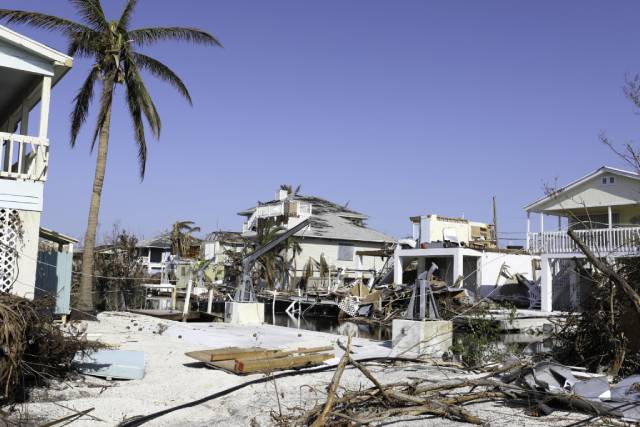
Unfortunately, Hurricane Ian was a historic storm and has left a wide and substantial swath of damage across Southwest Florida. As we all work to recover from the ongoing effects of Hurricane Ian, I would like to share a few pointers we have learned from past storms and some things we are experiencing with Ian:

  1. Flood Damage: A significant part of Ian’s damage resulted from rising water, which is generally and generically referred to as “flood damage”. It is very important to note that flood insurance and processing flood insurance claims is covered by federal law, not Florida law. Among the notable differences, federal law requires that a “Proof of Loss” be filed for flood claims within 60 days, and the statute of limitations under flood policies is one year.
  2. Disaster Recovery Contractors: There are a number of large national companies, as well as others, who employ large crews of “storm chasers”, and arrive at disaster sites to shore up the property, dry it in, and dry it out. This is critical work and many of these companies are reputable, but not all are. Bills for significant damage sites can quickly approach seven figures (one million dollars plus) without proper justification. Associations can understandably feel under pressure to sign these companies up quickly but there are several critical things to keep in mind:
  • Approval From Your Insurer: Most reputable companies will be known to your insurers and be able to demonstrate they have the “go ahead” from the insurer before engaging in major work.
  • Mapping”: As Southwest Florida is a significant disaster zone, insurance adjustors are overwhelmed and one may not visit your property for weeks, or longer. It is very important that the disaster relief contractor properly document the conditions it finds and remediates, commonly known as “mapping.”
  • Assignment of Benefits”: Historically, various participants in this field have asked for an assignment of the association’s insurance policy rights, known as an “AOB”’. AOB contracts are now strictly regulated by statute but should never be given to an outside contractor.

While getting dry-out work started quickly is critical, the association should not enter into a contract with a remediation company, or any vendor, if the association is not comfortable with the term of the agreement and confident in the company. It is always better to take a step back and make a thoughtful decision than to rush into a bad agreement.

  1. Application Of Your Community’s Governing Documents: If the association has experienced significant damage, it is critical that the association be aware of the requirements of the governing documents, especially for condominiums. For example, many documents state that if a certain percentage of the units are rendered “uninhabitable” (usually an undefined term), the condominium is automatically “terminated” (legally extinguished) if a vote to rebuild is not taken, often in a very short time frame such as 60 days after the loss. Other “gotcha” clauses in documents might include the requirement to have a bank act as “insurance trustee” for insurance proceeds.
  2. Emergency Powers: The “emergency powers” provisions of the statutes are now in effect. Among other powers conferred are the power to contract for debris removal and authorize appropriate remediation, including removal of wet drywall and cabinetry, subject to any limitations of the condominium documents. The emergency powers statute also gives associations flexibility in noticing and holding membership and board meetings. As much as is practicable, you should consult with your association’s attorney regarding use of the statutory emergency powers.

The next few months will be a trying time for everyone in Southwest Florida and practically every community association will have to deal with some consequence from Hurricane Ian. The decisions that board members and owners make at this time will, to a great degree, determine outcome for many communities.


Joseph E. Adams is a Board Certified Specialist in Condominium and Planned Development Law, and an Office Managing Shareholder with Becker & Poliakoff. Please send your community association legal questions to jadams@beckerlawyers.com. Past editions of the Q&A may be viewed at floridacondohoalawblog.com.

Tags: , ,
THE BENEFITS OF FLAT CONCRETE ROOFS VERSUS WOOD-TRUSSED TILED ROOFS IN FLORIDA by SRI Consultants, Inc.

THE BENEFITS OF FLAT CONCRETE ROOFS VERSUS WOOD-TRUSSED TILED ROOFS IN FLORIDA by SRI Consultants, Inc.

  • Posted: Oct 20, 2024
  • By:
  • Comments: Comments Off on THE BENEFITS OF FLAT CONCRETE ROOFS VERSUS WOOD-TRUSSED TILED ROOFS IN FLORIDA by SRI Consultants, Inc.

THE BENEFITS OF FLAT CONCRETE ROOFS
VERSUS WOOD-TRUSSED TILED ROOFS IN FLORIDA

BY: SHIRISH RAJPATHAK, M.S., P.E., S. I. | PRESIDENT AND FOUNDER of SRI Consultants, inc. Specialists in structural engineering, civil engineering.


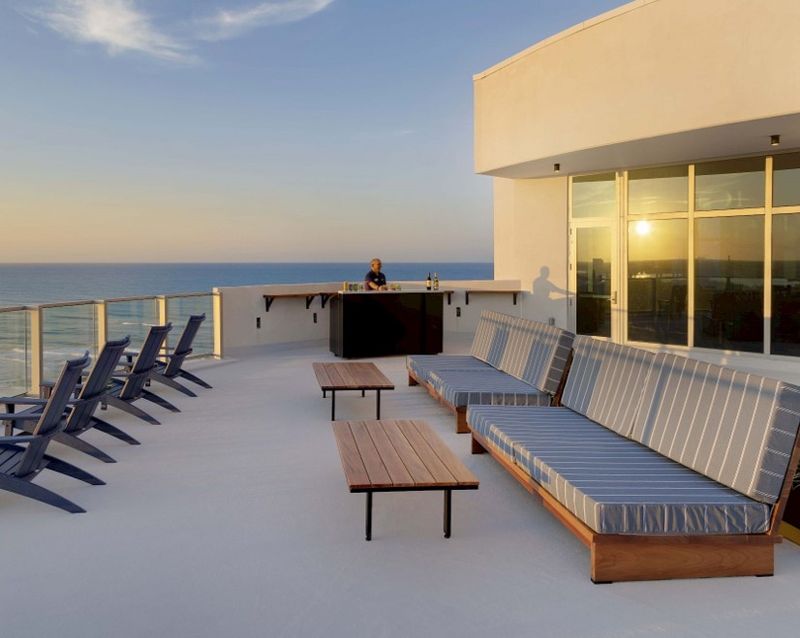
In the architectural and building construction industry, the type of roofing material used can have far-reaching implications not only on the aesthetics of the building but also on the functionality, durability, and cost-effectiveness of the structure. This blog post seeks to compare two types of roofing systems – flat concrete roofs and wood-trussed tiled roofs – in the context of Florida’s challenging weather conditions and the potential for high insurance costs, costly repairs following hurricanes, and fire hazards. It also aims to underscore the advantages of flat concrete roofs in terms of their utilization for gardening, solar panels, and recreational activities.
Flat Concrete Roofs vs. Trussed Tiled Roofs: A Comparative Analysis
  • Insurance Costs: Homeowner’s insurance in Florida is greatly influenced by the type of roofing system used in a building. Wood-trussed tiled roofs, while aesthetically appealing, are often more expensive to insure due to their vulnerability to the region’s frequent hurricanes. The tiles can become airborne during severe weather, causing damage to the structure and surrounding properties. On the other hand, flat concrete roofs are inherently more robust and resistant to hurricane damage. Their seamless design and sturdy material make them less likely to suffer significant damage during storms, which can lower insurance premiums for homeowners.
  • Durability and Repair Costs: Wood-trussed tiled roofs require regular maintenance and are more susceptible to damage from Florida’s extreme weather conditions. The repair costs following a hurricane can be substantial, as replacing tiles and repairing the underlying structure can be labor-intensive and expensive. Conversely, flat concrete roofs are known for their durability and low maintenance requirements. The strength of concrete and the absence of individual tiles that can break away make these roofs less prone to damage and thus less likely to need frequent repairs.
  • Fire Resistance: Concrete is a non-combustible material and provides excellent fire resistance, a crucial factor in areas prone to wildfires or in dense urban environments where fires can easily spread from building to building. Trussed tiled roofs, depending on the material of the tiles, may not offer the same level of fire protection.
Utilization of Roof Space
  • Gardening: Flat concrete roofs offer an excellent opportunity for rooftop gardening. This not only enhances the aesthetic appeal of the building but also promotes sustainability and biodiversity.
  • Solar Panels: The flat surface of concrete roofs provides an ideal base for the installation of solar panels. This can lead to significant energy savings and reduce dependence on grid electricity, contributing to a more sustainable environment.
  • Recreational Activities: The additional outdoor space provided by a flat concrete roof can be used for a variety of recreational activities, from hosting gatherings to creating a rooftop yoga studio or even a rooftop pool. This effectively increases the usable space of the property without expanding its footprint.
Cost Considerations
The cost savings of a concrete flat roof compared to a wood-trussed roof can vary greatly depending on several factors. These factors can include the size and complexity of the roof, the region in which the building is located, labor costs, and the specific materials used. Here are some general aspects to consider:
  • Initial Construction Cost: Concrete roofs can be more expensive to install initially compared to wood-trussed roofs due to the material cost and labor involved. However, the cost can be offset over time through lower maintenance and repair costs.
  • Maintenance and Repair Costs: Wood-0trussed roofs typically require more maintenance than concrete roofs, as wood can be susceptible to rot, pests, and weather-related damage. Repairing or replacing damaged components of a wood-trussed roof can add significantly to the lifetime cost of the roof.
  • Energy Efficiency: Concrete roofs can provide better insulation than wood-trussed roofs, which can lead to savings on heating and cooling costs over the lifetime of the roof.
  • Insurance Costs: As mentioned earlier, concrete roofs can often result in lower insurance premiums due to their durability and resistance to fire and severe weather, which can lead to significant savings over time.
  • Lifespan: Concrete roofs generally have a longer lifespan than wood-trussed roofs, meaning the replacement cost is deferred further into the future. This can result in significant savings when considered over the lifespan of the building.
  • Resale Value: A concrete roof can increase the resale value of a home due to its durability, low maintenance, and energy efficiency.

To get a precise cost comparison, it would be best to obtain quotes from local contractors who can take into account the specific details of the building and local material and labor costs. This will give a more accurate estimate of the potential savings.

‍While both flat concrete roofs and trussed tiled roofs have their merits, when considering factors such as insurance costs, durability, repair expenses, fire resistance, and utilization of roof space, flat concrete roofs offer substantial advantages, particularly in the context of Florida’s unique climate and weather conditions. The ability to use the roof for gardening, solar panels, and recreational activities further adds to the appeal of flat concrete roofs. As we continue to confront the challenges of climate change and urban living, the choice of roofing material has implications beyond aesthetics. It is a decision that can significantly impact a building’s resilience, sustainability, and overall cost-effectiveness. The evidence suggests that, for Florida homeowners, flat concrete roofs represent a compelling choice.

For more information, please contact SRI Consultants, Inc. at (561) 372-1290 or via email at office@sriconsultants.net.
PC: Max Beach Resort
Tags: ,
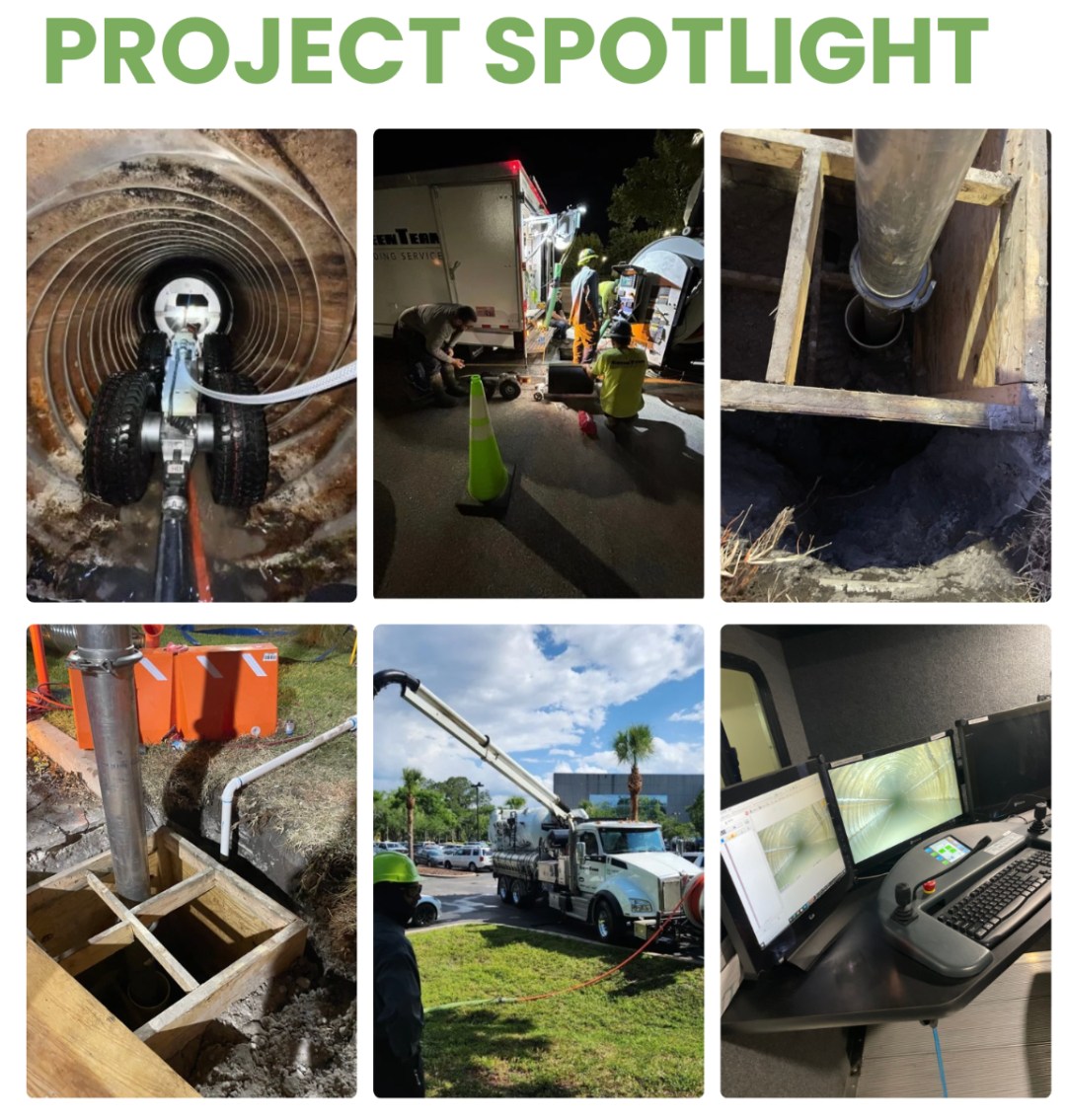
Did you know that CCTV trucks are vital tools for inspecting the condition of underground pipes?

Did you know that CCTV trucks are vital tools for inspecting the condition of underground pipes?

Did you know that CCTV trucks are vital tools for inspecting the condition of underground pipes?
Equipped with high-resolution cameras mounted on crawlers, these trucks can navigate through pipelines, capturing video footage of the interior. This allows inspectors to identify problems like cracks, blockages, corrosion, or misalignment, all without having to dig up the pipes.
This non-destructive method of pipe verification is crucial for preventative maintenance, ensuring the quality of pipelines and helping to diagnose issues before they cause serious problems.
It also helps with making sure the pipes are clear so they dont block up or prevent drainage of your properties parking lots and Loading Docks.  Setting up a plan for cleaning and Maintenance is important, especially with the Florida Storms. 
Call us at (954) 210-4100
📧Email us at Service@getgreenteam.com
For other inquiries email us:
Projects@getgreenteam.com
Backflow@getgreenteam.com
Vacservice@getgreenteam.com
Tags: , , ,
STORM DAMAGE CLAIMS FOR YOUR CONDO AND HOA PROPERTIES!

STORM DAMAGE CLAIMS FOR YOUR CONDO AND HOA PROPERTIES!

SFPMA & Members are ready to Handle Storm Damage & Claims for Condo and HOA Properties!

These Trusted Members are; Legal Firms, Public Adjusters, Roofing, Engineering & Service Companies that work with you on Solutions to Storm Related Damage.


Has your Home, Condo or HOA Sustained Property Damage?

 SFPMA has a team of Legal Experts, adjusters, estimators and claim specialists for the benefit of the Condo and HOA’s who sustained damage from the storms and fire, water or mold.

With the know-how and experience to analyze, evaluate, and negotiate the best settlement for your  Insurance Claim!

“Get the maximum settlement for your damage claim!”


PROPERTY DAMAGE

  • Hurricane Storm Damage
  • Water Damage / Floods
  • Fire Damage
  • Mold Damage
  • Roof Damage and Leaks
  • Sinkholes & Earthquakes
  • Property Vandalism and Theft


WHAT WE PROVIDE CONDO & HOA’S

  • Property Inspections & Site Analysis
  • Review of your Insurance Policy
  • Damage Report Backing up the Claim
  • Loss Estimates Documentation
  • Negotiation and Settlement with Insurance Companies


A Claim usually includes inspections, detailed estimates, more inspections, client reviews, negotiating with insurance companies, consulting with insurance company and most importantly, getting you your money as fast as possible.

http://FloridaAdjusting.com


Here’s an overview of the potential risks associated with ignoring water damage: by SERVTEC Restoration

Here’s an overview of the potential risks associated with ignoring water damage: by SERVTEC Restoration

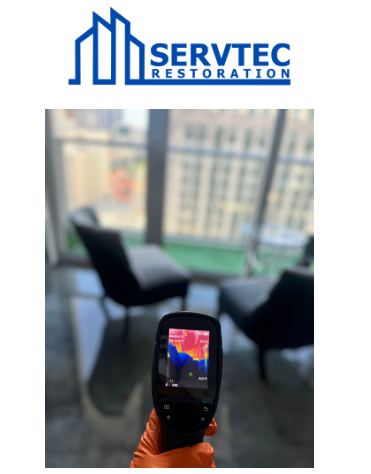
Here’s an overview of the potential risks associated with ignoring water damage:


Structural Integrity

  • Foundation Weakening: Water can erode the foundation of a building, causing cracks and instability. Over time, this can lead to significant structural damage, including shifting or settling of the structure.
  • Wood Rot: Prolonged exposure to moisture causes wooden structures like beams, joists, and studs to rot. This can compromise the building’s stability, leading to sagging floors, walls, and potentially collapse.

  • Metal Corrosion: Metal components such as nails, screws, and steel beams can rust when exposed to moisture, weakening the overall structural integrity.

Mold Growth

  • Health Hazards: Mold spores can cause respiratory issues, allergic reactions, and other health problems, particularly in individuals with asthma or weakened immune systems.
  • Widespread Contamination: If water damage is not addressed promptly, mold can spread throughout the building, making remediation more complex and expensive.

  • Electrical Risks

    • Electrical System Damage: Water can seep into electrical systems, corroding wiring and causing short circuits, which pose a fire hazard.
  • Increased Risk of Electrocution: Damaged electrical systems increase the risk of electrocution, especially in areas with standing water.

  • Decreased Property Value

    • Lower Resale Value: A property with untreated water damage is likely to lose value due to the potential for hidden damage and the cost of repairs. Prospective buyers may be deterred by the need for extensive remediation.
  • Insurance Issues: Untreated water damage can complicate insurance claims and lead to higher premiums, as insurers may view the property as a higher risk.

  • Air Quality Issues

    • Musty Odors: Stagnant water and mold growth can create musty odors that are difficult to eliminate, affecting the indoor air quality and comfort.
  • Increased Humidity: Water damage can lead to higher indoor humidity levels, which can exacerbate mold growth and contribute to further deterioration of building materials.

  • Long-Term Repair Cost

    • Escalating Costs: The longer water damage is left untreated, the more extensive and expensive repairs will become. Early intervention is critical to minimizing repair costs and preventing further damage.
  • Comprehensive Remediation: Addressing untreated water damage may require a full-scale remediation effort, including mold removal, structural repairs, and electrical system replacement.

  • In conclusion, immediate action is essential to mitigate these risks and protect both the building and its occupants. Regular inspections and prompt repair of any water intrusion are key to preventing long-term damage


    To Schedule a Mold Inspection or our

    24 HR Emergency Response Services

    Call Servtec Restoration

    (305) 744-6547


    “When Disaster Strikes, We Are Ready To Respond!”

    Licensed & Insured

    MRSA3914/MRSR4050/ IICRC Certified Firm

    Tags: ,
    The Importance of Pool Bonding and How an Engineer Can Help Your Community

    The Importance of Pool Bonding and How an Engineer Can Help Your Community


    The Importance of Pool Bonding and How an Engineer Can Help Your Community


    Swimming pools are a great source of relaxation and fun, but they come with specific safety requirements to ensure the well-being of users. One of the critical aspects of pool safety is pool bonding. Proper pool bonding not only protects against electrical shock but also ensures that all metal parts are at the same electrical potential. This article will explore why pool bonding is essential and how an engineer can play a crucial role in helping your community maintain a safe and compliant swimming pool.

    What is Pool Bonding?

    Pool bonding involves connecting all metallic components of a pool, such as ladders, lights, and the pool pump, to a common bonding grid or wire. The purpose is to equalize the electrical potential, minimizing the risk of electrical shock to swimmers and anyone around the pool area.

    Why is Pool Bonding Important?

    Prevention of Electrical Shock:

    • When different metal parts around a pool carry different electrical potentials, there is a risk of electrical shock. If a person comes into contact with two parts at different potentials, they could complete an electrical circuit, resulting in a dangerous shock. Proper bonding ensures all parts are at the same electrical potential, mitigating this risk.

    Compliance with Safety Standards:

    • Pool bonding is required by law. Compliance with electrical codes like the National Electrical Code (NEC) in the United States ensures that pools are safe for public use. Proper bonding meets these standards and can prevent costly fines or penalties.

    How Can an Engineer Help with Pool Bonding?

    Electrical engineers and pool safety experts are essential in ensuring that pool bonding is done correctly and efficiently. Here’s how they can assist your community:

    Inspection and Compliance Checks:

    • Engineers can inspect existing pools to ensure that they meet current safety standards and regulations. They can identify issues with bonding and grounding and recommend necessary improvements to comply with safety codes.

    Installation and Upgrades:

    • If a pool does not have an adequate bonding system, engineers can oversee the installation of the necessary bonding grids and connections. They can also upgrade existing systems to meet new regulations or to enhance safety.

    Education and Awareness:

    • Engineers can provide training and educational programs for pool maintenance personnel, property managers, and community members. Understanding the importance of pool bonding and how to maintain it can significantly enhance safety.

    Ongoing Maintenance Support:

    • Engineers can develop maintenance schedules and protocols to ensure that bonding systems remain effective. Regular testing and inspection are essential to ensure the safety of pool users over time.
    • Pool bonding is a critical aspect of pool safety that cannot be overlooked. It not only protects individuals from potential electrical shocks but also ensures the longevity of pool equipment and adherence to safety regulations.

    Contact our experts today at Falcon to help you create a safe and enjoyable pool environment for everyone in your community

    Tags:
    Property damage claims encompass more than just the obvious cases. From water damage to fire damage and beyond,

    Property damage claims encompass more than just the obvious cases. From water damage to fire damage and beyond,

    • Posted: Aug 06, 2024
    • By:
    • Comments: Comments Off on Property damage claims encompass more than just the obvious cases. From water damage to fire damage and beyond,

    “Types of Property Damage Claims: Beyond the Obvious”

    Property damage claims encompass more than just the obvious cases. From water damage to fire damage and beyond, we handle a wide range of property damage claims. If your property has been damaged, contact Maus Law Firm to discuss your options and seek the compensation you deserve.

    WHY MAUS LAW FIRM?


    Direct Contact with Experienced Attorneys

    When you hire us, you speak one on one with our skilled Fort Lauderdale personal injury attorneys or property damage lawyers. We have decades of combined experience between us, and we make sure our clients understand their claim and the legal process.


    We Accommodate Our Clients

    No two clients are the same. Maus Law Firm wants to assist all of the clients who need our services, so we offer 24/7 phone service, free estimates, Spanish-speaking staff members, house calls, after hours appointments and more.


    Results That Speak for Themselves

    Our Fort Lauderdale injury lawyers handled thousands of accident and property damage claims and received settlements over $1 million. Our happy clients have left us wonderful reviews, and we strive for the best legal outcome for each case we represent.

    Call For a Free Consultation   (855) 999-5297

    Tags: , , ,