Become our Member : JOIN SFPMA TODAY   LogIn / Register: LOGIN/REGISTER

SFPMA Industry Articles | news, legal updates, events & education! 

Find Blog Articles for Florida’s Condo, HOA and the Management Industry. 

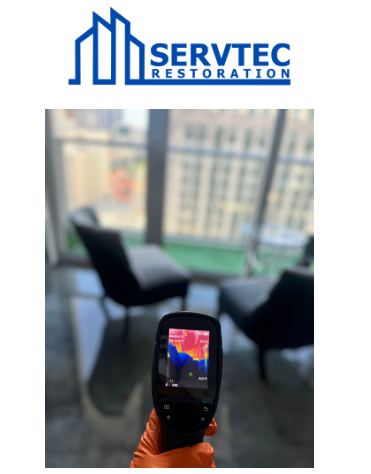
Here’s an overview of the potential risks associated with ignoring water damage: by SERVTEC Restoration

Here’s an overview of the potential risks associated with ignoring water damage: by SERVTEC Restoration

Here’s an overview of the potential risks associated with ignoring water damage:


Structural Integrity

  • Foundation Weakening: Water can erode the foundation of a building, causing cracks and instability. Over time, this can lead to significant structural damage, including shifting or settling of the structure.
  • Wood Rot: Prolonged exposure to moisture causes wooden structures like beams, joists, and studs to rot. This can compromise the building’s stability, leading to sagging floors, walls, and potentially collapse.

  • Metal Corrosion: Metal components such as nails, screws, and steel beams can rust when exposed to moisture, weakening the overall structural integrity.

Mold Growth

  • Health Hazards: Mold spores can cause respiratory issues, allergic reactions, and other health problems, particularly in individuals with asthma or weakened immune systems.
  • Widespread Contamination: If water damage is not addressed promptly, mold can spread throughout the building, making remediation more complex and expensive.

  • Electrical Risks

    • Electrical System Damage: Water can seep into electrical systems, corroding wiring and causing short circuits, which pose a fire hazard.
  • Increased Risk of Electrocution: Damaged electrical systems increase the risk of electrocution, especially in areas with standing water.

  • Decreased Property Value

    • Lower Resale Value: A property with untreated water damage is likely to lose value due to the potential for hidden damage and the cost of repairs. Prospective buyers may be deterred by the need for extensive remediation.
  • Insurance Issues: Untreated water damage can complicate insurance claims and lead to higher premiums, as insurers may view the property as a higher risk.

  • Air Quality Issues

    • Musty Odors: Stagnant water and mold growth can create musty odors that are difficult to eliminate, affecting the indoor air quality and comfort.
  • Increased Humidity: Water damage can lead to higher indoor humidity levels, which can exacerbate mold growth and contribute to further deterioration of building materials.

  • Long-Term Repair Cost

    • Escalating Costs: The longer water damage is left untreated, the more extensive and expensive repairs will become. Early intervention is critical to minimizing repair costs and preventing further damage.
  • Comprehensive Remediation: Addressing untreated water damage may require a full-scale remediation effort, including mold removal, structural repairs, and electrical system replacement.

  • In conclusion, immediate action is essential to mitigate these risks and protect both the building and its occupants. Regular inspections and prompt repair of any water intrusion are key to preventing long-term damage


    To Schedule a Mold Inspection or our

    24 HR Emergency Response Services

    Call Servtec Restoration

    (305) 744-6547


    “When Disaster Strikes, We Are Ready To Respond!”

    Licensed & Insured

    MRSA3914/MRSR4050/ IICRC Certified Firm

    Tags: ,
    The Importance of Pool Bonding and How an Engineer Can Help Your Community

    The Importance of Pool Bonding and How an Engineer Can Help Your Community


    The Importance of Pool Bonding and How an Engineer Can Help Your Community


    Swimming pools are a great source of relaxation and fun, but they come with specific safety requirements to ensure the well-being of users. One of the critical aspects of pool safety is pool bonding. Proper pool bonding not only protects against electrical shock but also ensures that all metal parts are at the same electrical potential. This article will explore why pool bonding is essential and how an engineer can play a crucial role in helping your community maintain a safe and compliant swimming pool.

    What is Pool Bonding?

    Pool bonding involves connecting all metallic components of a pool, such as ladders, lights, and the pool pump, to a common bonding grid or wire. The purpose is to equalize the electrical potential, minimizing the risk of electrical shock to swimmers and anyone around the pool area.

    Why is Pool Bonding Important?

    Prevention of Electrical Shock:

    • When different metal parts around a pool carry different electrical potentials, there is a risk of electrical shock. If a person comes into contact with two parts at different potentials, they could complete an electrical circuit, resulting in a dangerous shock. Proper bonding ensures all parts are at the same electrical potential, mitigating this risk.

    Compliance with Safety Standards:

    • Pool bonding is required by law. Compliance with electrical codes like the National Electrical Code (NEC) in the United States ensures that pools are safe for public use. Proper bonding meets these standards and can prevent costly fines or penalties.

    How Can an Engineer Help with Pool Bonding?

    Electrical engineers and pool safety experts are essential in ensuring that pool bonding is done correctly and efficiently. Here’s how they can assist your community:

    Inspection and Compliance Checks:

    • Engineers can inspect existing pools to ensure that they meet current safety standards and regulations. They can identify issues with bonding and grounding and recommend necessary improvements to comply with safety codes.

    Installation and Upgrades:

    • If a pool does not have an adequate bonding system, engineers can oversee the installation of the necessary bonding grids and connections. They can also upgrade existing systems to meet new regulations or to enhance safety.

    Education and Awareness:

    • Engineers can provide training and educational programs for pool maintenance personnel, property managers, and community members. Understanding the importance of pool bonding and how to maintain it can significantly enhance safety.

    Ongoing Maintenance Support:

    • Engineers can develop maintenance schedules and protocols to ensure that bonding systems remain effective. Regular testing and inspection are essential to ensure the safety of pool users over time.
    • Pool bonding is a critical aspect of pool safety that cannot be overlooked. It not only protects individuals from potential electrical shocks but also ensures the longevity of pool equipment and adherence to safety regulations.

    Contact our experts today at Falcon to help you create a safe and enjoyable pool environment for everyone in your community

    Tags:
    Property damage claims encompass more than just the obvious cases. From water damage to fire damage and beyond,

    Property damage claims encompass more than just the obvious cases. From water damage to fire damage and beyond,

    • Posted: Aug 06, 2024
    • By:
    • Comments: Comments Off on Property damage claims encompass more than just the obvious cases. From water damage to fire damage and beyond,

    “Types of Property Damage Claims: Beyond the Obvious”

    Property damage claims encompass more than just the obvious cases. From water damage to fire damage and beyond, we handle a wide range of property damage claims. If your property has been damaged, contact Maus Law Firm to discuss your options and seek the compensation you deserve.

    WHY MAUS LAW FIRM?


    Direct Contact with Experienced Attorneys

    When you hire us, you speak one on one with our skilled Fort Lauderdale personal injury attorneys or property damage lawyers. We have decades of combined experience between us, and we make sure our clients understand their claim and the legal process.


    We Accommodate Our Clients

    No two clients are the same. Maus Law Firm wants to assist all of the clients who need our services, so we offer 24/7 phone service, free estimates, Spanish-speaking staff members, house calls, after hours appointments and more.


    Results That Speak for Themselves

    Our Fort Lauderdale injury lawyers handled thousands of accident and property damage claims and received settlements over $1 million. Our happy clients have left us wonderful reviews, and we strive for the best legal outcome for each case we represent.

    Call For a Free Consultation   (855) 999-5297

    Tags: , , ,
    Announcement: Structural Workshop Opens New Office in South Florida

    Announcement: Structural Workshop Opens New Office in South Florida

    Structural Workshop Opens New Office in South Florida

    Structural Engineering and Building Consulting firm


    Pompano Beach, Florida – Structural Workshop is pleased to announce their recent expansion into the South Florida market.  The new office is located in Pompano Beach, Florida and will be Structural Workshop’s third office.

    The Mountain Lakes, New Jersey based firm will bring their extensive experience in conducting building inspections and reports, specifically for commercial, multifamily residential and parking structures to the South Florida market – specifically Miami-Dade, Broward and Palm Beach Counties.

    “There is a lot of opportunity in the condo world and beyond for engineering services in Florida,” says President Joe DiPompeo, PE, F.SEI, F.ASCE.  “There is an immediate need to help condo associations and commercial buildings keep up with compliance and maintain a safe place for their tenants. We also have some multifamily ground up projects in Florida that we can better serve from a Florida office.


    About Structural Workshop (SFPMA Members)

    Structural Workshop is a Structural Engineering and Building Consulting firm founded in 2004.
    We provide a full range of Structural Engineering and Building Consulting Services for all types and sizes of projects from a single-family home to mid-rise buildings and everything in between.

    For more information, please visit:  www.structuralworkshop.com or contact us at info@structuralworkshop.com


    Jessica Vail

    Vail Marketing Solutions

    (908) 528.4087

    www.vailmarketingsolutions.com

    Tags: , ,
    GET READY FOR HURRICANE SEASON WITH OUR NEWEST MEMBER – Claremont Property Co

    GET READY FOR HURRICANE SEASON WITH OUR NEWEST MEMBER – Claremont Property Co

    • Posted: Jul 24, 2024
    • By:
    • Comments: 0

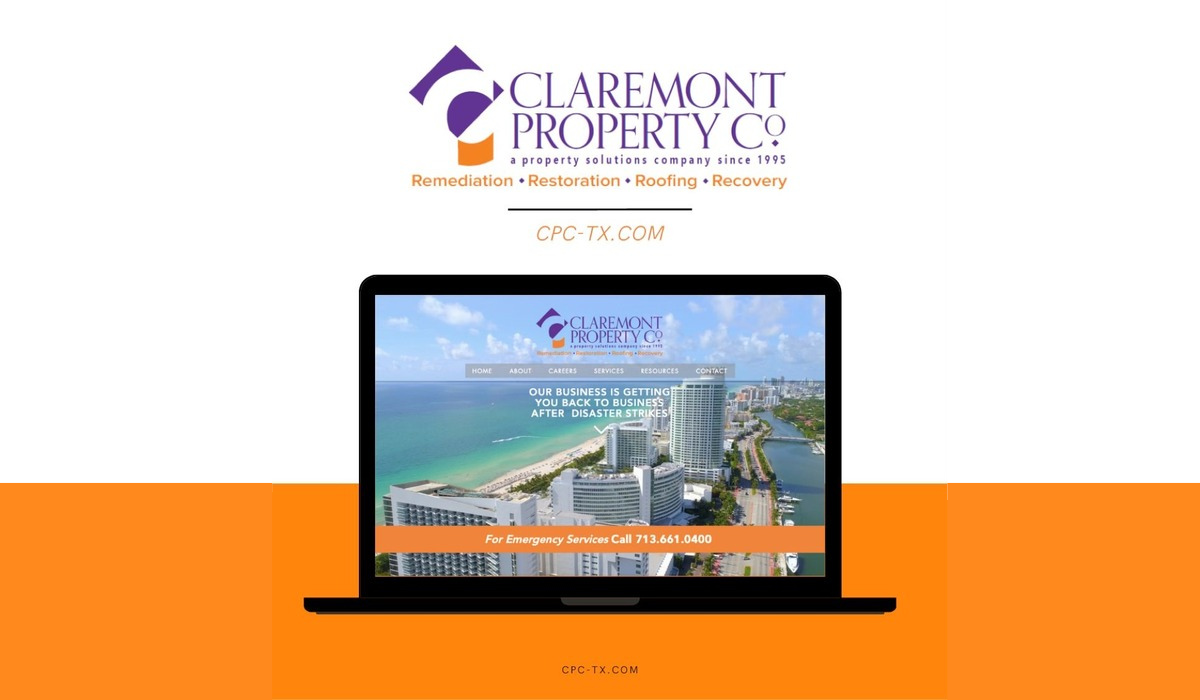
    Claremont Property Co. recently opened its new office in Bonita Springs, Florida, and it is helping rebuild our beautiful West Coast after Hurricane Ian. They joined SFPMA to offer their services to Boards and Managers all over Florida. View their website, learn more about the services they offer!

    They started in 1995 and are headquartered in Houston, Texas. They have additional offices in Dallas, Texas, Wilmington, North Carolina, Charleston and Myrtle Beach, South Carolina, Fort Lauderdale, Destin, and Panama City, Florida, and Mobile and Orange Beach, Alabama.

    They can service your property needs just about anywhere your property is located.

    Whether your property has been impacted by a loss from fire, water, hail, wind or you simply need improvements to your property, their many years of experience allows them to provide you with the complete spectrum of remediation, roofing, and general contracting services.

    Their list of services include:

    ·    Claims Advocacy

    ·    Emergency Services

    ·    Remediation Services

    ·    Restoration Services

    ·    Roofing Services

    ·    Pre-Loss Services

    Their management team has decades of collective practice managing large scale commercial, multi-family, and hospitality projects from the design stages through completion. They have helped their clients settle millions of dollars in insurance claims and completed tens of thousands of square feet of demolition, mitigation, restoration, and roofing projects along the way.

    For more information, please visit their website at www.cpc-tx.com or contact Diana Kato, Business Developer, Email: Diana@cpc-tx.com    Cell: 954-832-4573.


    SFPMA.com

    SFPMA works throughout the State of Florida, we are a multi-member organization for the Condo, HOA and Property Management industry. Through knowledge based Articles, Events and our Members Directory, Clients find the right information to make an informed decisions for their Florida properties.


    Tags: , , ,
    Hurricane Preparedness Kit: Your Family’s Lifesaver – Share this essential hurricane preparedness kit checklist with your loved ones. Let’s stay safe together! 

    Hurricane Preparedness Kit: Your Family’s Lifesaver – Share this essential hurricane preparedness kit checklist with your loved ones. Let’s stay safe together! 

    • Posted: Jul 24, 2024
    • By:
    • Comments: Comments Off on Hurricane Preparedness Kit: Your Family’s Lifesaver – Share this essential hurricane preparedness kit checklist with your loved ones. Let’s stay safe together! 

    Hurricane Preparedness Kit: Your Family’s Lifesaver

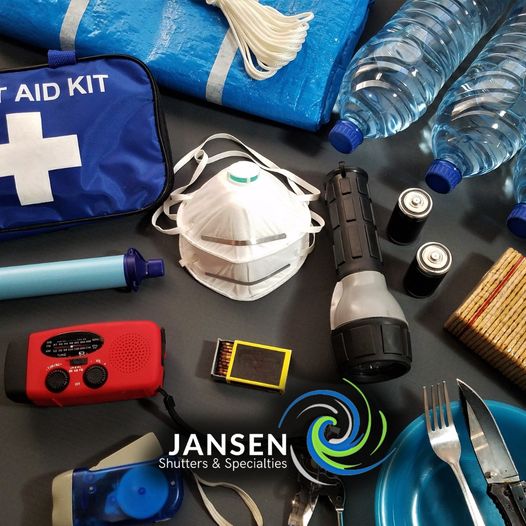
    Hurricane season is here and being prepared can make all the difference. Share this essential hurricane preparedness kit checklist with your loved ones. Let’s stay safe together!

    What to Include:
    1. Water: At least one gallon per person per day for three days.
    2. Non-Perishable Food: Canned goods, energy bars, and ready-to-eat meals.
    3. Flashlights: Make sure you have extra batteries too.
    4. First Aid Kit: Bandages, antiseptic wipes, and necessary medications.
    5. Battery-Powered Radio: Stay informed with weather updates.
    6. Important Documents: Keep copies of IDs, insurance, and medical records.
    7. Multi-Tool Kit: Handy for various needs.
    8. Personal Hygiene Items: Toothbrush, toothpaste, soap, and sanitizer.
    9. Cash: In case ATMs and cards are inaccessible.
    10. Blankets and Clothing: Stay warm and dry.
    11. Phone Charger: Portable chargers can be a lifesaver.
    Remember, preparedness is the key to safety. Share this post to help others get ready for hurricane season! 🌀
    📞 (941) 484-4700
    Tags: , ,
    Architectural Committees Formal Procedures, Published Standards, and Self Help by REMBAUM’S ASSOCIATION ROUNDUP

    Architectural Committees Formal Procedures, Published Standards, and Self Help by REMBAUM’S ASSOCIATION ROUNDUP

    • Posted: Jun 19, 2024
    • By:
    • Comments: Comments Off on Architectural Committees Formal Procedures, Published Standards, and Self Help by REMBAUM’S ASSOCIATION ROUNDUP

    Architectural Committees Formal Procedures, Published Standards, and Self Help

    by REMBAUM’S ASSOCIATION ROUNDUP

    Formal Procedures

    There are strict legal requirements that a homeowners’ association’s (HOA) architectural review committee (ARC) must follow, most especially if the ARC intends to deny an owner’s request. As this author has witnessed countless times, it is likely that many ARCs do not conduct their activities in conformity with Florida law such that an ARC denial may not withstand judicial scrutiny. If these legal requirements are not followed, and the ARC denies the owner’s architectural request, then it would be quite easy for the owner to challenge the ARC’s decision and prevail. Upon prevailing, the owner would be entitled to their prevailing party attorney’s fees and costs, as well. It is so easy to avoid this outcome, yet so few associations take the time to do it right.

    Pursuant to §720.303(2), Florida Statutes, a meeting of the ARC is required to be open and noticed in the same manner as a meeting of the association’s board of directors. Notice of the ARC meeting must be posted in a conspicuous place in the community at least 48 hours in advance of the meeting, and the meeting must be open for all members to attend. Further, pursuant to §720.303(2)(c)(3), Florida Statutes, members of the ARC are not permitted to vote by proxy or secret ballot. Also, bare bone minutes should be taken to create a record of ARC decisions—especially denials.

    We often hear from many HOAs that the ARC does not meet openly and does not notice their meetings. This leaves decisions made by the ARC vulnerable to challenge. If the ARC denies an application but fails to do so at a properly noticed board meeting, the owner can challenge the denial, claiming that it is not valid because the ARC did not follow proper procedure. In such cases, the ARC’s denial of an application is not valid because the ARC failed to comply with the procedural requirements for the meeting even if an application violates the declaration or other association-adopted architectural standards. However, by complying with the provisions of Chapter 720, Florida Statutes, your HOA can work to avoid this debacle.


    Published Standards

    Often a top priority for an HOA is ensuring that homes in the community maintain a harmonious architectural scheme in conformity with community standards and guidelines, and because the ARC is at the frontline of owners’ alterations and improvements to their homes, it is instrumental in ensuring that the community standards and guidelines are met. Pursuant to §720.3035(1), Florida Statutes, an HOA, or the ARC, “has the authority to review and approve plans and specifications only to the extent that the authority is specifically stated or reasonably inferred as to location, size, type, or appearance in the declaration or other published guidelines and standards.” But not every owner request is typically addressed in the declaration or other published guidelines and standards. If not, then the association may not be in a good position for proper denial. Therefore, the ARC is only as effective as the objective guidelines and standards (set forth in the declaration and other published guidelines and standards) are inclusive. So, what is the association to do when the ARC receives an owner’s application for an alteration to the home, but the association does not have any architectural guidelines or standards regulating the requested alteration?

    While not court tested yet, a possible solution for this conundrum is to include a “catch-all” provision in the declaration to proactively address those ARC applications where a member may request a modification that is not directly addressed by the governing documents. Such a “catch-all” provision stands for the proposition that, if such a request is made, then the existing state of the community is the applicable standard by which the ARC application is to be judged. For example, imagine if an owner applies to the ARC to paint the owner’s house pink. If there are no architectural guidelines or standards that address what color a house must be, and there are no pink houses in the community, then the existing state of the community may provide a lawful basis for the ARC to deny the request because there are no existing pink houses in the community.

    The Trouble With Self-Help Provisions

    What if an owner refuses to maintain the owner’s property, such as pressure washing a dirty roof, despite the HOA sending demand letters, levying a fine, and perhaps even suspending the owner’s right to use the HOA’s recreational facilities? What is the HOA’s next step? Is it time to file a lawsuit to compel compliance? Well, Chapter 718 (governing condominiums), Chapter 719 (governing cooperatives), and Chapter 720 (governing HOAs) of the Florida Statutes authorize the association to bring an action at law or in equity to enforce the provisions of the declaration against the owner. Additionally, many declarations contain “self-help” language that authorizes the association to cure a violation on behalf of the owner and even, at times, assess the owner for the costs of doing so. These “self-help” provisions generally contain permissive language, meaning the association, may, but is not obligated to, cure the violation. Sadly, in this instance the word “may” means “shall,” and to find out why, read on.

    There is a general legal principal that, if a claimant has a remedy at law (e.g., the ability to recover money damages under a contract), then it lacks the legal basis to pursue a remedy in equity (e.g., an action for injunctive relief). Remember, too, that an association’s declaration is a contract. In the context of an association, the legal remedy would be exercising the “self-help” authority granted in the declaration. An equitable remedy would be bringing an action seeking an injunction to compel an owner to take action to comply with the declaration. Generally, a court will only award an equitable remedy when the legal remedy is unavailable, insufficient, or inadequate.

    Assume that the association’s declaration contains both the permissive “self-help” remedy and the right to seek an injunction from the court. Accordingly, it would appear the association has a decision to make—go to court to seek the injunction or enter onto the owner’s property, cure the violation, and assess the costs of same to the owner. However, recent Florida case law affirmed a complication to what should be a simple decision. In two cases decided ten years apart, Alorda v. Sutton Place Homeowners Association, Inc., 82 So.3d 1077 (Fla. 2nd DCA 2012) and Mauriello v. Property Owners Association of Lake Parker Estates, Inc., 337 So.3d 484 (Fla. 2nd DCA 2022), Florida’s Second District Court of Appeal decided that an association did not have the right to seek an injunction to compel an owner to comply with the declaration if the declaration provided the association the authority, but not the obligation, to engage in “self-help” to remedy the violation. Expressed simply, this is because the legal contractually based “self-help” remedy must be employed before one can rely upon equitable remedy of an injunction. Therefore, even though the declaration provided for an optional remedy of “self-help,” it must be used before seeking the equitable remedy of an injunction.

    In Alorda, the owners failed to provide the association with proof of insurance required by the declaration. Although the declaration allowed the association to obtain the required insurance, the association filed a complaint against the owners seeking injunctive relief, asking the court to enter a permanent mandatory injunction requiring the owners to obtain the requested insurance. The owners successfully argued that even though they violated the declaration, the equitable remedy of an injunction was not available because the association already had an adequate legal remedy—the “self-help” option of purchasing the required insurance and assessing them for same. The Court agreed.

    In Mauriello, the declaration contained similar language as in Alorda but involved the issue of the owners failing to keep their lawn and landscaping in good condition as required by the declaration. The association filed a complaint seeking a mandatory injunction ordering the owners to keep their lawn and landscaping in a neat condition. However, the facts were complicated by the sale of the home in the middle of the suit when the new owners voluntarily brought the home into compliance with the declaration. The parties continued to fight over who was entitled to prevailing party attorney’s fees with the association arguing it was entitled to same because the voluntary compliance was only obtained after the association was forced to commence legal action. The owners, citing Alorda, argued that the complaint should have been dismissed at the onset because the association sought an equitable remedy (injunction) when a legal remedy was already available—the exercise of its “self-help” authority. The Court considered the award of attorney’s fees after the dismissal of the association’s action for an injunction. Ultimately, the Court held that the owners were the prevailing party as the association could not seek the injunction because it already had an adequate remedy at law.

    Accordingly, if your association’s declaration contains a “self-help” provision, and your association desires to seek an injunction against an owner rather than pursue “self-help,” the board should discuss the issue in greater detail with the association’s legal counsel prior to proceeding. Also, remember that if the association wants to enforce architectural standards, then they must be published to the membership; and always remember to notice ARC meetings and take minutes.


    Tags: , , ,
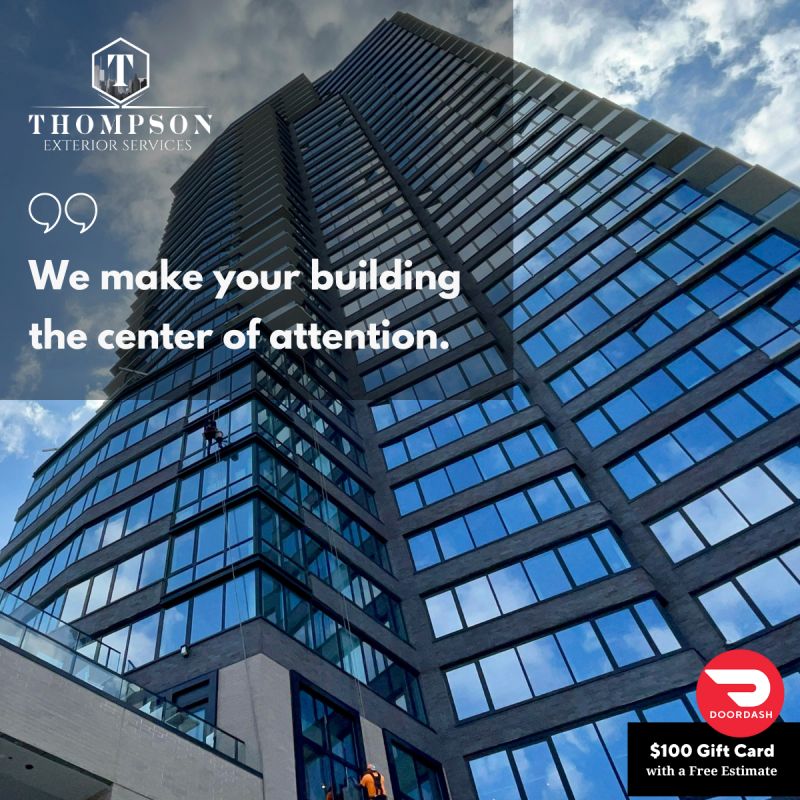
    Does your building’s exterior need a facelift? Our team of experts specializes in building maintenance and exterior services, from high-rise window cleaning to garage restoration.

    Does your building’s exterior need a facelift? Our team of experts specializes in building maintenance and exterior services, from high-rise window cleaning to garage restoration.

    Does your building’s exterior need a facelift?

    Well it now the Building Inspection! and Your Condo needs this NOW!

    Our team of experts specializes in building maintenance and exterior services, from high-rise window cleaning to garage restoration.

    Don’t miss out on this opportunity to revamp your building’s look and enjoy a delicious meal on us!

    Contact us today to schedule your estimate.

    Our Expertise

    Our 20+ years expertise in this industry guarantees our work will exceed your expectations.

    HIGH-RISE WINDOW CLEANING

    FALL PROTECTION

    CONCRETE REPAIR & RESTORATION

    POWER WASHING & WATERPROOFING

    GLASS WINDOW REPLACEMENT

    FISP SAFETY INSPECTIONS


    Why Choose Thompson

    Our core values lies in exceeding expectations for our clients, with a focus on accurate quotes, quality work, and the overall positive customer experience. 

    Our Expertise

    Our 10+ years expertise in this industry guarantees our work will exceed your expectations.

    Accurate Quotes

    We meet with your team for a quick walkthrough to determine options available within your budget.

    Customer Care

    We are confident that our customer experience will always be top-notch.

    Contact Us:

    LET’S CHAT!   (732) 997-8138


    Tags: , , ,