SFPMA

SFPMA Industry Articles | news, legal updates, events & education! 

Find Blog Articles for Florida’s Condo, HOA and the Management Industry. 

MANDATORY CONDOMINIUM & COOPERATIVE BUILDING INSPECTIONS & NON-WAIVABLE RESERVE REQUIREMENTS SENATE BILL 4-D

MANDATORY CONDOMINIUM & COOPERATIVE BUILDING INSPECTIONS & NON-WAIVABLE RESERVE REQUIREMENTS SENATE BILL 4-D

  • Posted: Dec 18, 2024
  • By:
  • Comments: Comments Off on MANDATORY CONDOMINIUM & COOPERATIVE BUILDING INSPECTIONS & NON-WAIVABLE RESERVE REQUIREMENTS SENATE BILL 4-D

MANDATORY CONDOMINIUM & COOPERATIVE BUILDING INSPECTIONS & NON-WAIVABLE RESERVE REQUIREMENTS

We are reposting this, for all the buildings That have not had inspections…..

SENATE BILL 4-D

With home insurers leaving Florida in droves, and following pressure from members of both political parties in the legislature to actually do something about it, in May 2022, the governor called a special legislative session to address the problem. A very real concern to the insurers is the effect of both time and inclement weather on Florida’s aging high-rise buildings. Until now, and for the most part, Florida law largely ignored these concerns. Enter Senate Bill 4-D (SB 4-D) which already became effective upon being signed into law by Governor DeSantis on May 26, 2022. This new piece of legislation addresses condominium and cooperative building inspections and reserve requirements (while this article primarily addresses these new laws in the context of condominium association application, they are equally applicable to cooperative associations).

By way of background, during the regular legislative session, there were several bills introduced in the Florida House of Representatives (House) and in the Florida Senate (Senate) addressing building safety issues, but none of them were passed into law due to the inability to match the language of the bills in both the House and the Senate which is a requirement for legislation to pass and go to the governor for consideration. As such, it was a little surprising to many observers that the legislature was able to approve SB 4-D in essentially a 48-hour window during the special session in May. The language used in SB 4-D was initially drafted into a proposed bill in November 2021. At that time, and during the most recent legislative session, input was provided by many industry professional groups including engineers, reserve study providers, and association attorneys. Many of these industry professionals indicated that there were challenges with some of the language and concepts being proposed in SB 4-D during session.

Notwithstanding these challenges, and in an effort to ensure some form of life safety legislation was passed this year, SB 4-D was unanimously approved in both the House and Senate and signed by the governor. A plain reading of this well intended, but in some instances not completely thought-out, legislation evidences these challenges. Some will say it is a good start that will need significant tweaking, which is expected during the 2023 Legislative Session. Others praise it, and yet others say it is an overreach of governmental authority, such as an inability to waive or reduce certain categories of reserves. You be the judge. We begin by examining the mandatory inspection and reserve requirements of SB 4-D.

I. MILESTONE INSPECTIONS: MANDATORY STRUCTURAL INSPECTIONS FOR CONDOMINIUM AND COOPERATIVE BUILDINGS. (§553.899, Fla. Stat.)

You will not find these new milestone inspection requirements in Chapters 718 or 719 of the Florida Statutes, but rather in Chapter 553, Florida Statutes, as cited above.

MILESTONE INSPECTIONS:

The term “milestone inspection” means a structural inspection of a building, including an inspection of load-bearing walls and the primary structural members and primary structural systems as those terms are defined in section 627.706, Florida Statutes, by a licensed architect or engineer authorized to practice in this state for the purposes of attesting to the life safety and adequacy of the structural components of the building and, to the extent reasonably possible, determining the general structural condition of the building as it affects the safety of such building, including a determination of any necessary maintenance, repair, or replacement of any structural component of the building. The purpose of such inspection is not to determine if the condition of an existing building is in compliance with the Florida Building Code or the fire safety code.

SUBSTANTIAL STRUCTURAL DETERIORATION:

The term “substantial structural deterioration” means substantial structural distress that negatively affects a building’s general structural condition and integrity. The term does not include surface imperfections such as cracks, distortion, sagging, deflections, misalignment, signs of leakage, or peeling of finishes unless the licensed engineer or architect performing the phase one or phase two inspection determines that such surface imperfections are a sign of substantial structural deterioration.

MILESTONE INSPECTIONS FOR BUILDINGS THREE STORIES OR MORE IN HEIGHT:

A condominium association under chapter 718 and a cooperative association under chapter 719 must have a milestone inspection performed for each building that is three stories or more in height by December 31 of the year in which the building reaches 30 years of age, based on the date the certificate of occupancy for the building was issued, and every 10 years thereafter.

WITHIN THREE MILES OF COASTLINE:

If the building is three or more stories in height and is located within three miles of a coastline, the condominium association or cooperative association must have a milestone inspection performed by December 31 of the year in which the building reaches 25 years of age, based on the date the certificate of occupancy for the building was issued, and every 10 years thereafter.

The condominium association or cooperative association must arrange for the milestone inspection to be performed and is responsible for ensuring compliance.

The condominium association or cooperative association is responsible for all costs associated with the inspection.

IF THE CERTIFICATE OF OCCUPANCY WAS ISSUED BEFORE JULY 1, 1992:

If a milestone inspection is required under this statute and the building’s certificate of occupancy was issued on or before July 1, 1992, the building’s initial milestone inspection must be performed before December 31, 2024. If the date of issuance for the certificate of occupancy is not available, the date of issuance of the building’s certificate of occupancy shall be the date of occupancy evidenced in any record of the local building official.

Upon determining that a building must have a milestone inspection, the local enforcement agency must provide written notice of such required inspection to the condominium association or cooperative association by certified mail, return receipt requested.

Within 180 days after receiving the written notice the condominium association or cooperative association must complete phase one of the milestone inspection. For purposes of this section, completion of phase one of the milestone inspection means the licensed engineer or architect who performed the phase one inspection submitted the inspection report by e-mail, United States Postal Service, or commercial delivery service to the local enforcement agency.

A MILESTONE INSPECTION CONSISTS OF TWO PHASES:

    (a) PHASE 1: For phase one of the milestone inspection, a licensed architect or engineer authorized to practice in this state must perform a visual examination of habitable and non-habitable areas of a building, including the major structural components of a building, and provide a qualitative assessment of the structural conditions of the building. If the architect or engineer finds no signs of substantial structural deterioration to any building components under visual examination, phase two of the inspection (discussed below) is not required. An architect or engineer who completes a phase one milestone inspection shall prepare and submit an inspection report.

    (b) PHASE 2: A phase two of the milestone inspection must be performed if any substantial structural deterioration is identified during phase one. A phase two inspection may involve destructive or nondestructive testing at the inspector’s direction. The inspection may be as extensive or as limited as necessary to fully assess areas of structural distress in order to confirm that the building is structurally sound and safe for its intended use and to recommend a program for fully assessing and repairing distressed and damaged portions of the building. When determining testing locations, the inspector must give preference to locations that are the least disruptive and most easily repairable while still being representative of the structure. An inspector who completes a phase two milestone inspection must prepare and submit an inspection report.

POST-MILESTONE INSPECTION REQUIREMENTS:

Upon completion of a phase one or phase two milestone inspection, the architect or engineer who performed the inspection must submit a sealed copy of the inspection report with a separate summary of, at minimum, the material findings and recommendations in the inspection report to the condominium association or cooperative association, and to the building official of the local government which has jurisdiction. The inspection report must, at a minimum, meet all of the following criteria:

    (a) Bear the seal and signature, or the electronic signature, of the licensed engineer or architect who performed the inspection.

    (b) Indicate the manner and type of inspection forming the basis for the inspection report.

    (c) Identify any substantial structural deterioration within a reasonable professional probability based on the scope of the inspection, describe the extent of such deterioration, and identify any recommended repairs for such deterioration.

    (d) State whether unsafe or dangerous conditions, as those terms are defined in the Florida Building Code, were observed.

    (e) Recommend any remedial or preventive repair for any items that are damaged but are not substantial structural deterioration.

(f) Identify and describe any items requiring further inspection.

LOCAL GOVERNMENT ENFORCEMENT:

A local enforcement agency may prescribe time lines and penalties with respect to compliance with the milestone inspection requirements.

A board of county commissioners may adopt an ordinance requiring that a condominium or cooperative association schedule or commence repairs for substantial structural deterioration within a specified time frame after the local enforcement agency receives a phase two inspection report; however, such repairs must be commenced within 365 days after receiving such report. If an association fails to submit proof to the local enforcement agency that repairs have been scheduled or have commenced for substantial structural deterioration identified in a phase two inspection report within the required time frame, the local enforcement agency must review and determine if the building is unsafe for human occupancy.

BOARD’S DUTY AFTER OBTAINING THE MILESTONE REPORT:

Upon completion of a phase one or phase two milestone inspection and receipt of the inspector-prepared summary of the inspection report from the architect or engineer who performed the inspection, the association must distribute a copy of the inspector-prepared summary of the inspection report to each unit owner, regardless of the findings or recommendations in the report, by United States mail or personal delivery and by electronic transmission to unit owners who previously consented to receive notice by electronic transmission; must post a copy of the inspector-prepared summary in a conspicuous place on the condominium or cooperative property; and must publish the full report and inspector-prepared summary on the association’s website, if the association is required to have a website.

WHO PAYS FOR THE MILESTONE INSPECTION:

Pursuant to section 718.112, Florida Statutes, if an association is required to have a milestone inspection performed, the association must arrange for the milestone inspection to be performed and is responsible for ensuring compliance with all of the requirements thereof. The association is responsible for all costs associated with the inspection.

FAILURE TO OBTAIN THE MILESTONE INSPECTION:

If the officers or directors of an association willfully and knowingly fail to have a milestone inspection performed pursuant to section 553.899, Florida Statutes, such failure is a breach of the officers’ and directors’ fiduciary relationship to the unit owners.

MANAGER’S DUTY:

If a community association manager or a community association management firm has a contract with a community association that has a building on the association’s property that is subject to milestone inspection, the community association manager or the community association management firm must comply with the requirements of performing such inspection as directed by the board.

EXEMPTIONS:

For clarity, the otherwise required milestone inspection does not apply to a single family, two-family, or three-family dwelling with three or fewer habitable stories above ground.

FLORIDA BUILDING COMMISSION REQUIREMENTS:

The Florida Building Commission must review the milestone inspection requirements and make recommendations, if any, to the legislature to ensure inspections are sufficient to determine the structural integrity of a building. The commission must provide a written report of any recommendations to the Governor, the President of the Senate, and the Speaker of the House of Representatives by December 31, 2022.

The Florida Building Commission must consult with the State Fire Marshal to provide recommendations to the legislature for the adoption of comprehensive structural and life safety standards for maintaining and inspecting all types of buildings and structures in this state that are three stories or more in height. The commission must provide a written report of its recommendations to the Governor, the President of the Senate and the Speaker of the House of Representatives by December 31, 2023.

II.    STRUCTURAL INTEGRITY RESERVE STUDIES AND MANDATORY RESERVES:

The reserve legislation set out in section 718.112 (f)(2)(a), Florida Statutes, is, for all intents and purposes, re-written. Prior to examining these most recent revisions, it is necessary to first examine the definitions set out in section 718.103, Florida Statutes, where a brand new term is added as follows:

    Structural integrity reserve study means a study of the reserve funds required for future major repairs and replacement of the common areas based on a visual inspection of the common areas applicable to all condominiums and cooperative buildings 3 stories or higher.

Hereafter, the structural integrity reserve study is referred to as “SIRS”. Now we can turn our attention to the requirements of the SIRS as set out in section 718.112 (f)(2)(a), Florida Statutes

THE STRUCTURAL INTEGRITY RESERVE STUDY (required for all condominium and cooperative buildings three stories or higher regardless of date of certificate of occupancy):

An association must have a SIRS completed at least every 10 years after the condominium’s creation for each building on the condominium property that is three stories or higher in height which includes, at a minimum, a study of the following items as related to the structural integrity and safety of the building:

a.     Roof.

b. Load-bearing walls or other primary structural members.

c. Floor.

d. Foundation.

e. Fireproofing and fire protection systems.

f. Plumbing.

g. Electrical systems.

h. Waterproofing and exterior painting.

i.  Windows.

j. Any other item that has a deferred maintenance expense or replacement cost that exceeds $10,000 and the failure to replace or maintain such item negatively affects the items listed in subparagraphs a.-i., as determined by the licensed engineer or architect performing the visual inspection portion of the structural integrity reserve study.

The SIRS may be performed by any person qualified to perform such study. However, the visual inspection portion of the structural integrity reserve study MUST be performed by an engineer licensed under chapter 471 or an architect licensed under chapter 481.

As further set out in the legislation, at a minimum, “a structural integrity reserve study must identify the common areas being visually inspected, state the estimated remaining useful life and the estimated replacement cost or deferred maintenance expense of the common areas being visually inspected, and provide a recommended annual reserve amount that achieves the estimated replacement cost or deferred maintenance expense of each common area being visually inspected by the end of the estimated remaining useful life of each common area.”

The amount to be reserved for an item is determined by the association’s most recent structural integrity reserve study that must be completed by December 31, 2024. If the amount to be reserved for an item is not in the association’s initial or most recent structural integrity reserve study or the association has not completed a structural integrity reserve study, the amount must be computed using a formula based upon estimated remain useful life and estimated replacement cost or deferred maintenance expense of each reserve item.

If the condominium building is less than three stories then the legislation provides that, “in addition to annual operating expenses, the budget must include reserve accounts for capital expenditures and deferred maintenance. These accounts must include, but are not limited to, roof replacement, building painting, and pavement resurfacing, regardless of the amount of deferred maintenance expense or replacement cost, and any other item that has a deferred maintenance expense or replacement cost that exceeds $10,000.”

The association may adjust replacement reserve assessments annually to take into account any changes in estimates or extension of the useful life of a reserve item caused by deferred maintenance.

If an association fails to complete a SIRS, such failure is a breach of an officer’s and director’s fiduciary relationship to the unit owners.

NON-WAIVABLE AND WAIVABLE RESERVES IN THE UNIT OWNER CONTROLLED ASSOCIATION:

As to the SIRS, the legislation is patently clear that unit owners may not vote for no reserves or lesser reserves for items set forth SIRS report. There is on-going debate amongst attorneys in regard to whether a condominium under three stories can waive or reduce reserves for any of the reserve items required to be in the SIRS that are included in the under three story condominium reserve, for example, roof and painting (For those interested, examine lines 1029 to 1033 and 1050 to 1071 in SB 4-D).

MANDATORY RESERVES IN THE DEVELOPER CONTROLLED ASSOCIATION:

Before turnover of control of an association by a developer to unit owners other than a developer pursuant to section 718.301, Florida Statutes, the developer-controlled association may not vote to waive the reserves or reduce the funding of the reserves (Previously, a developer could fully waive all reserves for the first two years, meaning this is a monumental change).

PRE-TURNOVER DEVELOPER DUTY:

Before a developer turns over control of an association to unit owners other than the developer, the developer must have a SIRS completed for each building on the condominium property that is three stories or higher in height.

III.    OFFICIAL RECORDS:

Official records of the condominium and cooperative association include structural integrity reserve studies, financial reports of the association or condominium, and a copy of the inspection reports and any other inspection report relating to a structural or life safety inspection of condominium or cooperative property.

In addition to the right to inspect and copy the declaration, bylaws and rules renters have the right to inspect the milestone inspection report and structural integrity reserve study inspection reports as well.

Structural integrity reserve studies must be maintained for at least 15 years after the study is completed. In addition, inspection reports report and any other inspection report relating to a structural or life safety inspection of condominium property must be maintained for 15 years after receipt of such report.

IV.    ASSOCIATION WEBSITES:

In addition to other positing requirements, the inspection reports described above and any other inspection report relating to a structural or life safety inspection of condominium property and the association’s most recent structural integrity reserve study must be posted to the website.

V.    JURISDICTION OF DIVISION OF CONDOMINIUMS, TIMESHARES, AND MOBILE HOMES:

Pre-turnover, the Division of Florida Condominiums, Timeshares, and Mobile Homes (Division) may enforce and ensure compliance with rules relating to the development, construction, sale, lease, ownership, operation, and management of residential condominium units, and complaints related to the procedural completion of milestone inspections. After turnover has occurred, the Division has jurisdiction to investigate complaints related only to financial issues, elections, and the maintenance of and unit owner access to association records, and the procedural completion of structural integrity reserve studies.

VI. NEW REPORTING REQUIREMENTS FOR ALL CONDOMINIUM AND COOPERATIVE ASSOCIATIONS:

On or before January 1, 2023, condominium associations existing on or before July 1, 2022, must provide the following information to the Division in writing, by e-mail, United States Postal Service, commercial delivery service, or hand delivery, at a physical address or e-mail address provided by the division and on a form posted on the division’s website:

  1. The number of buildings on the condominium property that are three stories or higher in height.
  2. The total number of units in all such buildings.
  3. The addresses of all such buildings.
  4. The counties in which all such buildings are located.

An association must provide an update in writing to the division if there are any changes to the information in the list within six months after the change.

VII.    APPLICABLE TO ALL SELLERS OF UNITS:

As a part of the sales process, the seller of a condominium or cooperative unit and developers must provide to potential purchasers a copy of the inspector-prepared summary of the milestone inspection report and a copy of the association’s most recent structural integrity reserve study or a statement that the association has not completed a structural integrity reserve study.

VIII.    GLITCHES:

As with any new legislation of such a substantial nature, there often follow in subsequent years what are referred to as “glitch bills” which help provide additional clarity, remove ambiguity, and fix unintended errors. To name a few: (i) the term “common areas” is used in the legislation when in fact the correct term is “common element;” (ii) clarity needs to be provided regarding whether reserve items that are required to be in SIRS, but show up in the under three story reserves, such as paint and paving, can be waived or reduced by the membership; and (iii) for those buildings that are within three miles of the coastline, additional clarity could be provided to provide better guidance as to how to perform the measurement.    

Tags: , ,
Should Delinquent Owners Voting Rights Be Revoked?

Should Delinquent Owners Voting Rights Be Revoked?

  • Posted: Nov 04, 2024
  • By:
  • Comments: Comments Off on Should Delinquent Owners Voting Rights Be Revoked?

Should Delinquent Owners Voting Rights Be Revoked?

by Steve Walz

One of the thorniest issues to tackle in an HOA is homeowners in delinquency – not paying their dues or being significantly behind on dues payments. The community and owner dues are two sides of the same coin. The community canno maintain the grounds, amenities, or sidewalks without yearly owner dues. However, financial issues are a minefield of complications from family tragedy to cantankerous entitlement.

A challenging question arises: What should an HOA do if a homeowner refuses to pay their dues? Your options range from leveling fines to revoking voting rights. Many communities favor withdrawing voting rights – cutting off the privilege of community control that comes from being a contributing homeowner in the community. Any HOA considering this route should plan carefully to ensure this decision is legal, permitted, and potentially effective before putting it in place.

Is it Legal to Suspend Delinquent Owner Voting Rights?

Your state determines the legality of suspending voting rights in an HOA. Some states allow for the suspension of HOA voting rights for specific reasons or in general, but others prohibit the rest of any remaining owner voting rights. You will need to check the detailed laws regarding HOAs in your state. There may also be rules relating to HOA homeowner rights regarding delinquency and suspension of voting rights in your county and municipality.

Is it Permitted to Suspend Voting Rights Over Dues Delinquency?

The next question is whether your own HOA permits this policy. Next, check your governing documents and by-laws to determine if there are already policies regarding dues delinquency and when an owner’s voting rights can be permitted.

The legal language in HOA governing documents can vary widely. For example, according to some condo associations, all homeowners are subject to the same rules, which means no voting rights. On the other hand, some HOAs may define that an owner always has certain voting rights, like council elections. Still, you may be able to suspend lesser voting rights regarding community matters.

Can Suspending Voting Rights Effectively Resolve Delinquent Dues?

Finding a practical consequence for delinquent dues has always been a challenge for HOAs. The community can’t support many homeowners using the roads and amenities without paying into the infrastructure. Nevertheless, choosing the proper measures to achieve your goals is also imperative.

Considerations

  • If a homeowner never votes on anything, suspending their voting rights will not impact them in any way. Likewise, if the community votes on very little.
  • How can you fairly make exceptions for invested people experiencing financial hardship?
  • How can you protect against people who take advantage of safety net systems?
  • Never combine vote suspension and leveled fees  (not dues). This opens the door to corruption and the ability for the board to tax a homeowner out of being able to vote, then drive them from the community. If you revoke voting rights, this must only be for dues and not the total owed amount in fees.
  • You may revoke some – but not all – types of voting. Most HOAs take a few types of votes: meeting votes, election votes, special assessment votes, and so on. You may find selective vote limitations to be more effective – or permitted by your documents.
  • Prevent them from making changes, but don’t prevent them from self-advocation.

Other Potentially Effective Ways to Penalize Delinquent Dues

Suspending voting rights is a sticky proposition. Some homeowners won’t care, some will be devastated. This means it’s also worth considering a few alternatives or additional penalties that may drive homeowners to get right with their dues more effectively.

Denying Permit Approvals

  • Parking permits
  • Building permits

Refuse delinquent owners of any more permit approvals. No guest parking, and no home improvement projects. Guest parking is for people who are contributing to the neighborhood road and lot maintenance.

Denying Amenity Access

  • Pool access
  • Spa/Fitness room access
  • Clubhouse bookings
  • Sport court reservations

A first-time refusal to allow someone access to the pool due to their inability to maintain it can emphasize its importance. Consider denying non-paying homeowners something they will miss that their dues contribute to paying for if this type of solution is permitted in your state and governing documents. Your HOA gets to have sweet amenities because everyone pays in. Those who don’t, don’t. Also, this has a fair, lower impact on families experiencing financial hardship. However, they may need to use their voting rights to oppose special assessments they cannot pay or fight an oppressive fee structure.

When approaching the issue of HOA owners with delinquent dues, remember to create an adaptive and considerate system of response. Build a plan that equally accounts for the absent-minded, the scam artists, the family hardships, and the belligerent bullies. Whatever your solution, make it your central goal to resume regular dues for each property without causing or being subject to unnecessary loss.

 

Tags: , ,
GET READY FOR HURRICANE SEASON WITH OUR NEWEST MEMBER – Claremont Property Co

GET READY FOR HURRICANE SEASON WITH OUR NEWEST MEMBER – Claremont Property Co

Claremont Property Co. recently opened its new office in Bonita Springs, Florida, and it is helping rebuild our beautiful West Coast after Hurricane Ian. They joined SFPMA to offer their services to Boards and Managers all over Florida. View their website, learn more about the services they offer!

They started in 1995 and are headquartered in Houston, Texas. They have additional offices in Dallas, Texas, Wilmington, North Carolina, Charleston and Myrtle Beach, South Carolina, Fort Lauderdale, Destin, and Panama City, Florida, and Mobile and Orange Beach, Alabama.

They can service your property needs just about anywhere your property is located.

Whether your property has been impacted by a loss from fire, water, hail, wind or you simply need improvements to your property, their many years of experience allows them to provide you with the complete spectrum of remediation, roofing, and general contracting services.

Their list of services include:

·    Claims Advocacy

·    Emergency Services

·    Remediation Services

·    Restoration Services

·    Roofing Services

·    Pre-Loss Services

Their management team has decades of collective practice managing large scale commercial, multi-family, and hospitality projects from the design stages through completion. They have helped their clients settle millions of dollars in insurance claims and completed tens of thousands of square feet of demolition, mitigation, restoration, and roofing projects along the way.

For more information, please visit their website at www.cpc-tx.com or contact Diana Kato, Business Developer, Email: Diana@cpc-tx.com    Cell: 954-832-4573.


SFPMA.com

SFPMA works throughout the State of Florida, we are a multi-member organization for the Condo, HOA and Property Management industry. Through knowledge based Articles, Events and our Members Directory, Clients find the right information to make an informed decisions for their Florida properties.


Tags: , , ,
Hurricane Preparedness Kit: Your Family’s Lifesaver – Share this essential hurricane preparedness kit checklist with your loved ones. Let’s stay safe together! 

Hurricane Preparedness Kit: Your Family’s Lifesaver – Share this essential hurricane preparedness kit checklist with your loved ones. Let’s stay safe together! 

  • Posted: Jul 24, 2024
  • By:
  • Comments: Comments Off on Hurricane Preparedness Kit: Your Family’s Lifesaver – Share this essential hurricane preparedness kit checklist with your loved ones. Let’s stay safe together! 

Hurricane Preparedness Kit: Your Family’s Lifesaver

Hurricane season is here and being prepared can make all the difference. Share this essential hurricane preparedness kit checklist with your loved ones. Let’s stay safe together!

What to Include:
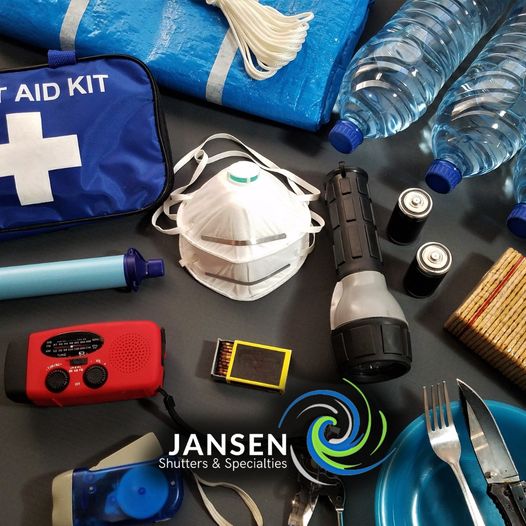
1. Water: At least one gallon per person per day for three days.
2. Non-Perishable Food: Canned goods, energy bars, and ready-to-eat meals.
3. Flashlights: Make sure you have extra batteries too.
4. First Aid Kit: Bandages, antiseptic wipes, and necessary medications.
5. Battery-Powered Radio: Stay informed with weather updates.
6. Important Documents: Keep copies of IDs, insurance, and medical records.
7. Multi-Tool Kit: Handy for various needs.
8. Personal Hygiene Items: Toothbrush, toothpaste, soap, and sanitizer.
9. Cash: In case ATMs and cards are inaccessible.
10. Blankets and Clothing: Stay warm and dry.
11. Phone Charger: Portable chargers can be a lifesaver.
Remember, preparedness is the key to safety. Share this post to help others get ready for hurricane season! 🌀
📞 (941) 484-4700
Tags: , ,
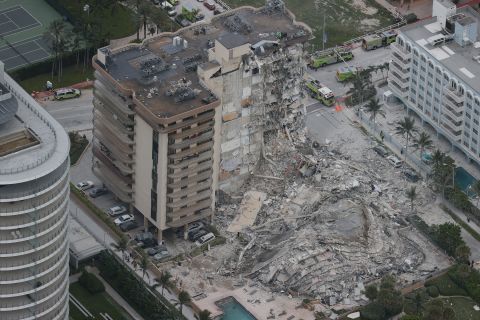
One thing has become clear since the fall of the Champlain Towers South condo: many condos are falling apart, often because owners don’t want to spend the money to maintain them. Soon, they might have no choice but to pay.

One thing has become clear since the fall of the Champlain Towers South condo: many condos are falling apart, often because owners don’t want to spend the money to maintain them. Soon, they might have no choice but to pay.

  • Posted: Jul 16, 2024
  • By:
  • Comments: Comments Off on One thing has become clear since the fall of the Champlain Towers South condo: many condos are falling apart, often because owners don’t want to spend the money to maintain them. Soon, they might have no choice but to pay.

A Broward task force will likely ask the state to boost inspections and change funding of reserves. But any new rules will face regulatory and political hurdles.

Broward County task force agreed, informally, to recommend a change in state law that would make it harder for condos to waive the proper funding of reserves and to require more frequent inspections for coastal condos. The changes, if adopted by the state, could make condo living more expensive, but safer.

“It’s going to hurt in the beginning, but that’s where we have to get,” insurance expert Paul Handerhan, president of the Federal Association for Insurance Reform (FAIR), told the committee Monday, echoing many of their own opinions. “… There’s no way to get out of this without paying.”

Monday’s was the second of three meetings for the Broward County Condominium Structural Issues Committee, set up by Mayor Steve Geller to quickly offer recommendations to the Florida Legislature, whose committee meetings begin next month.

The Florida Bar and the Community Associations Institute trade group also are studying issues arising from the June 24 condo collapse in Surfside, and will offer recommendations to the governor and Legislature.

All are focused on just a few topics, including the issues of reserves and inspections.

Currently, reserves can be waived by majority vote of those present at a condo meeting. And the first major inspection is not required in Broward until a building turns 40.

“We’re here to try to come up with creative ways to make buildings safe. What Surfside has done is made city officials, building officials, condo residents, everybody aware of the widespread lack of maintenance in older condos,” said Hollywood Commissioner Caryl Shuham, who has a degree in civil engineering and is an attorney.

She recommended, and the committee conceptually agreed, that condos should have to present a reserve study to unit owners and secure a super-majority vote to waive full funding of reserves. She also suggested reserves not be waived unless an engineer has inspected the building and issued a report.

The potential cost to condo owners is not lost on state, county and city officials or the civic and industry leaders huddling on the issue. While some million-dollar condo owners might have no trouble forking over extra money, many unit owners are not in that category. Even the inspections are costly, one condo representative said. Unit owners could be forced out and condo sales could be stifled, some said.

“In certain cases, you could be mandating the death of a building,” said Fred Nesbitt, president of the Galt Ocean Mile condo association in Fort Lauderdale, which opposes reserve mandates. “I think we should still give owners choice.”

Geller said condos that don’t properly save for repairs face sticker shock with giant special assessments. By the time a major problem is found, he said, it’s too late to start paying into reserves.

“You can’t insure a burning building, and you can’t start reserving for an emergency that has already arrived,” he said.

The cause of the Champlain collapse remains unknown but is under investigation. Because there was evidence of poor maintenance and crumbling, cracking concrete at the Champlain, there has been a sharp focus on how government can ensure that condos are kept in good repair.

“It’s terrifying to me that we’re in this place,” said state Sen. Lauren Book, one of four state legislators on the county committee. Book complained that there’s no one keeping track of individual condos – where they stand with insurance, reserves and repairs.

The committee also debated whether more frequent inspections are needed. Broward is one of two counties in Florida – the other being Miami-Dade – that requires buildings to be inspected for electrical and structural safety at age 40 and every 10 years subsequently.

Dr. Jennifer Jurado, Broward County’s climate change sustainability director, said the striking increase in sea level here – more than a foot over 20 years – could increase deterioration of concrete in buildings along the coast. She also cited temperate change and flood levels in saying that inspections should begin earlier, at 25 or 30 years.

But Dan Lavrich, a structural engineer and chairman of the Broward County Board of Rules and Appeals, which oversees application of the building code, questioned the need. Any change in the inspection program would have to be approved by Rules and Appeals, and the Florida Building Commission.

“The rest of the state has no program at all,” he said of the 40-year safety program, “and they don’t have any problems.”

The Broward committee will hold what it expects to be its final meeting next week, on Aug. 30, where formal recommendations will be voted on.

Reposted via: https://www.floridarealtors.org/news-media/news-articles/2021/08/condo-law-changes-likely-after-surfside-its-complicated


Tags: , , , ,
“Video Cameras—for Surveillance Purposes Only”  by Kevin L. Edwards of Becker Lawyers

“Video Cameras—for Surveillance Purposes Only” by Kevin L. Edwards of Becker Lawyers

“Video Cameras—for Surveillance Purposes Only”

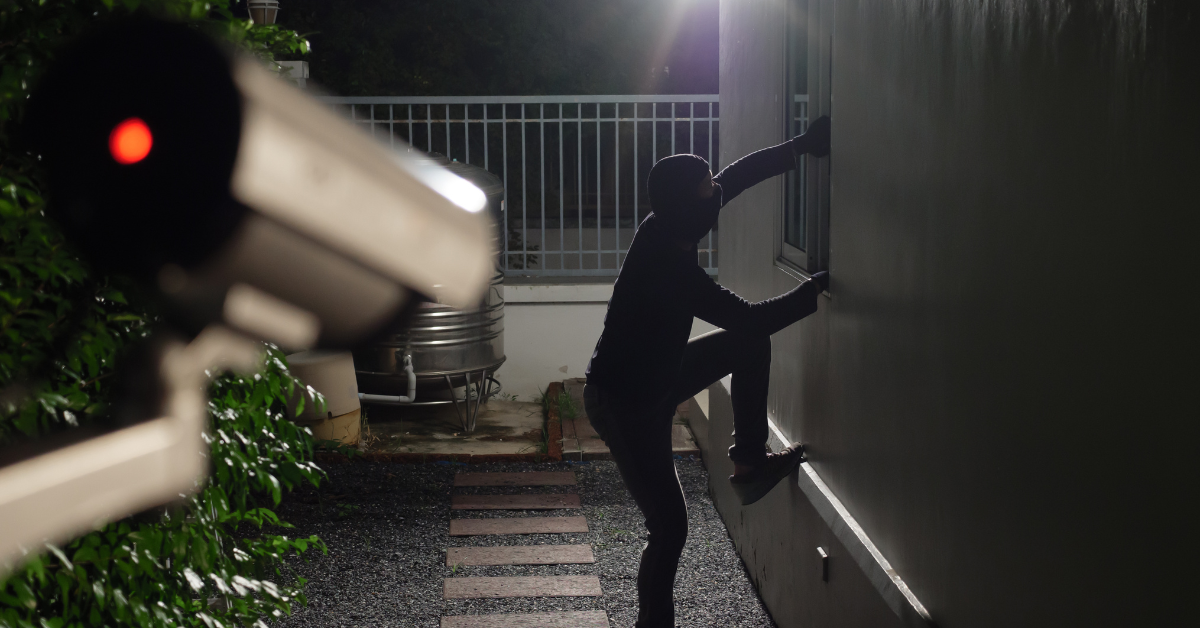
Many associations have installed video surveillance cameras within the community common areas as a means to provide security for their residents. However, good intentions often lead to unanticipated consequences. In fact the use of video cameras may expose an association to liability.

Generally, an association is not a guarantor or insurer of any person’s safety and is not obligated to provide “security” to its residents. However, once an association assumes a duty to provide security, it must do so in a non-negligent manner. This may very well be the case with installing “security cameras.” Florida courts have routinely held that if an association undertakes, or appears to undertake, the duty to provide security for its community, it must also take certain measures to prevent criminal activity from occurring on the premises.

For example, the court in Vazquez v. Lago Grande Homeowners Ass’n, 900 So. 2d 587 (Fla. 3d DCA 2004), ruled that the association had a duty to exercise reasonable care to guard its residents against crime or criminal activity because the association had undertaken the responsibility to provide such security. In this case the association was a gated community with a guardhouse staffed 24 hours a day. The developer marketed the complex on the basis of safety, and the association collected a specific part of its assessments to provide for security. A resident of the association moved into the community because it appeared safe and was gated. The resident had many visitors, including a former neighbor and the neighbor’s children. One day the  former neighbor’s estranged husband came into the community to pick up his children and got into an argument with the resident. Thereafter, the resident instructed the association’s security guards not to let the estranged husband into the community. Despite this, the security guards allowed the estranged husband to enter the community, and he shot the resident, shot and killed his ex-wife, and killed himself. The court found that the association had breached its duty to provide security because it continued to employ the security guards despite knowing that they routinely let unauthorized individuals into the community. Therefore, the association was found liable for the death of a visitor and  injury of a resident.

Thus, associations may wish to be careful not to label the video cameras as “security cameras” and instead let the owners know that the cameras are for surveillance purposes only. As previously mentioned, associations have no duty to provide security, and having “security cameras” will lead owners to believe that the association is providing security.

Regardless of whether the association uses video cameras, it is still liable for criminal conduct that is reasonably foreseeable. In Czerwinski v. Sunrise Point Condominium, 540 So. 2d 199 (Fla. 3rd DCA 1999), the court ruled that a landlord generally has no duty to ensure the safety of its tenants or to protect them from the criminal acts of third persons unless the criminal occurrence is reasonably foreseeable. The court further noted that the landlord’s knowledge of prior crimes, against both persons and property, is relevant to the issue of foreseeability, even if the prior criminal acts are lesser crimes than the one committed against the plaintiff.

Based on these cases, community associations have been held liable in tort for failure to take precautions against criminal activities committed against the owners and residents if those criminal activities are reasonably foreseeable; and in addition they have been held liable when they voluntarily provide security services but fail to provide them in a reasonable manner.

Thus, if the association is inclined to install video cameras, it must do so in a reasonably prudent manner and should make sure the cameras are always being maintained in good condition and repaired as needed.

Another issue with providing cameras in the community is whether or not the cameras record audio. Florida law (Section 934.03, FS) makes it illegal to intentionally intercept, attempt to intercept, or procure any other person to intercept any wire, electronic, or oral communication through the use of a device if one does not have the prior consent of all parties. Therefore, the association’s cameras must be limited to visual images. The process of taking and recording video is perfectly legal, and you do not need to notify the owners or post signs upon the property that the association is taking or recording video. There is no privacy issue as long as the cameras are not directed into a resident’s home or into a bathroom, shower, changing room, or other area where there is a reasonable expectation of privacy. There is no reasonable expectation of privacy for persons who use the common areas or come onto the association’s property (with the exception of bathrooms, showers, units, etc.).

Lastly, a surveillance camera’s video recordings are not part of the association’s official records. The association’s official records are limited to written records, and a video recording is not a written record. As such, video camera recordings are not open for review by the association’s membership. Moreover, an association is not legally obligated to store the recordings for any specific period of time. However, if stored for any amount of time, the association must be sure to preserve the video in case it may be used as evidence in a court proceeding. Video footage should, therefore, be made and stored in a location where it will not be tampered with or duplicated. The footage should be stored in a secure location with access limited to authorized personal. Any footage that is to be kept should be preserved in an original and unaltered version by saving it in a secure manner that is incapable of being edited.


Mr. Edwards manages the community association practice in Becker’s Sarasota office and serves as corporate counsel to hundreds of condominium, cooperative, mobile home, and homeowners’ associations located in Sarasota, Manatee, Charlotte, and Highlands Counties. Mr. Edwards is also one of only 190 attorneys statewide who is a board-certified specialist in condominium and planned development law.

In addition to his extensive experience as a community association lawyer, Mr. Edwards has trial and appellate experience in many areas of corporate and civil litigation, construction litigation, covenant enforcement, real estate, and foreclosure law.

For more information email kedwards@beckerlawyers.com, or visit www.beckerlawyers.com.


Tags: , ,
Our national team recently completed this striping and sealcoating job in Weston, FL!

Our national team recently completed this striping and sealcoating job in Weston, FL!

Do you have properties across the nation? Contact ASP, we will assign an account manager for all of your properties and handle it from there.


Join us Wednesday at the Palm Beach Condo & HOA Expo!

Make sure to stop by booth 332 and meet a few of our local account managers 😉


PARKING LOT &
PAVEMENT MANAGEMENT SOLUTIONS

OUR WORK

  • HOA
  • MULTIFAMILY
  • UNIVERSITIES/SCHOOLS
  • COMMERCIAL REAL ESTATE
  • MUNICIPALITIES
  • INDUSTRIALDo you have questions about asphalt sealing in West Palm Beach? The best way to protect asphalt surfaces is to sealcoat asphalt parking lots. If you are looking for the most trustworthy Asphalt Sealcoating Palm Beach Gardens company look no further than Atlantic Southern Paving!Asphalt is durable and flexible, but it can also deteriorate. It is possible to double the lifespan of asphalt by applying asphalt sealcoating. This protects the asphalt from future damage.

    Continue reading to learn about the environmental factors that can cause asphalt surfaces to deteriorate. To schedule a free assessment and request a quote from one of the best paving companies West Palm Beach, please call Atlantic Southern Paving and Sealcoating.

    Asphalt Oxidation and The Sun

    Sealcoating asphalt in West Palm Beach homes is a great way to protect your property from oxidation and ultraviolet rays. Asphalt starts to deteriorate at a microscopic level as soon as it is installed.

    The asphalt’s binders begin to harden when it is exposed to oxygen. The asphalt surface can crack and become brittle from the continued hardening. Rainwater, moisture, and oxygen can penetrate pavement surfaces even if they have the smallest cracks.

    The asphalt subbase can be affected by water and moisture. This can cause it to weaken and lose its strength. Sealcoating is very helpful as it protects the surface against oxidation and fills surface voids.

    How water damages asphalt

    The asphalt sealcoating of parking lots and driving surfaces allows them to resist water and prevent it from contacting the asphalt surface. Water can seep through asphalt, particularly when it is heavy rain.

    Water can cause sub-base to become softened if it collects. Soft subbases can cause potholes or expensive repairs. Sealcoating asphalt surfaces create a protective layer that repels water. Sealcoating asphalt surfaces can help you save significant money on future repairs.

    Oil and Gas Spills

    Parking lots and asphalt surfaces must withstand harmful car chemicals like oil and gas. Particularly vulnerable to chemicals from automobiles are parking spaces.

    The asphalt can soften if it is contaminated with gasoline or automobile oil. Oil or gasoline can penetrate asphalt pavement and cause sub base to degrade.

    Asphalt sealcoating is made up of additives that protect asphalt from chemicals used in automobiles. You can also fill surface voids to reduce the depth of oil and gas that can penetrate asphalt.

    Professional Asphalt Sealcoating In West Palm Beach

    It is important to find a reliable and experienced contractor to sealcoat your West Palm Beach property. Atlantic Southern Paving and Sealcoating provides asphalt maintenance and construction services for more than two decades.

    Every job we do is completed with customer satisfaction in mind. Atlantic Southern Paving can be reached at 954-518 4315 to speak with an expert about sealing asphalt surfaces. Ask for a free estimate on sealing your property.

    Asphalt Sealcoating Palm Beach Gardens


Tags: , , ,
HB 1203: LOTS OF NEW PROTECTIONS FOR MEMBERS LIVING IN HOAs MAKES IT HARDER FOR CAMs

HB 1203: LOTS OF NEW PROTECTIONS FOR MEMBERS LIVING IN HOAs MAKES IT HARDER FOR CAMs

  • Posted: Mar 27, 2024
  • By:
  • Comments: Comments Off on HB 1203: LOTS OF NEW PROTECTIONS FOR MEMBERS LIVING IN HOAs MAKES IT HARDER FOR CAMs

HB 1203: LOTS OF NEW PROTECTIONS FOR MEMBERS LIVING IN HOAs MAKES IT HARDER FOR CAMs

House Bill 1203 and SB 7046 merged to eventually create a huge bill for the protection of homeowners in HOAs.  It starts by placing lots of responsibilities on community association managers.

A community association manager or community association management firm that is authorized by contract to provide community association management services to a homeowners’ association must do all of the following:

(a) Attend in person at least one member meeting or board meeting of the homeowners’ association annually.

(b) Provide to the members of the homeowners’ association the name and contact information for each community association manager or representative of a community association management firm assigned to the homeowners’ association, the manager’s or representative’s hours of availability, and a summary of the duties for which the manager or representative is responsible. The homeowners’ association must also post this information on the association’s website or application required under s.720.303(4)(b). The community association manager or community association management firm must update the homeowners’ association and its members within 14 business days after any change to such information.

(c) Provide to any member upon request a copy of the contract between the community association manager or community association management firm and the homeowners’ association and include such contract with association’s governing documents.

So what do you think so far of the new protections for members of an HOA?


Every Sunday:  Ask Questions get them answered! 

Join us Sunday at 11am on YouTube https://youtube.com/live/DdNkcu9wrsw?feature=share


Tags: , ,
How long should HOA repairs take?

How long should HOA repairs take?

How long should HOA repairs take?

We recently published an article on how communities can speed up maintenance projects. In this article, we’ll look at how long some common maintenance jobs should take to complete.


Table of contents


The obligation to maintain the property

HOAs have an obligation to maintain certain parts of the development. They must set aside a portion of the dues or fees collected from owners to pay for big and small maintenance projects. If the association fails to meet those obligations, it not only creates safety problems for members, but legal issues for the association as well.

If members feel that the board is not properly caring for the property, they can write official complaints, vote to remove board members, or even sue the HOA.

Maintenance must be taken seriously, but it is far easier to manage when you have a system or solution that enables you to organize components, schedule/assign work, and track tasks.


Defining maintenance obligations

The maintenance responsibilities of an association versus those assigned to individual owners depend primarily on whether the item or equipment is classified as part of a common area, exclusive use common area, or separate interest.

Common areas typically refer to shared spaces such as pools, sidewalks and roads. Exclusive use common areas are spaces or elements used by one or more, but fewer than all, of the owners. Separate interests are the separately owned lots belonging to members.

While some maintenance obligations are quite clear, others can be a little murky. This is especially true with exclusive common areas since they tend to be things like patios and windows. Roof maintenance may also be confusing; some HOAs cover roof repairs while others do not.

The association’s CC&Rs should detail maintenance obligations and define who is responsible for what. But if there is some uncertainty, boards are advised to refer to civil codes and/or consult with the HOA’s attorney.


Why timelines matter

There are several reasons why time matters when it comes to maintenance projects. The main one is so staff and management can plan for disruptions and costs. However, there are times when maintenance work will impact owners, and they will also need to know approximately how long the work will impact their day-to-day lives.

For example, if a parking lot is being repaved, owners will need to be informed of the work, they will need to move their vehicles before the work begins, and know how long they will have to find temporary parking.

Contractors can’t know for sure how long maintenance work will take to complete, but they should be able to provide an educated estimate. Tracking the time it takes for professionals to complete routine and unplanned maintenance is another good way to predict future repair timelines. Having this knowledge allows those responsible for setting up maintenance work to complete projects with more confidence (plus they’ll know if a vendor is taking too long to complete certain jobs).


How long should HOA repairs take?

There is no way to know for sure how long any maintenance project will take. Even a standard preventative maintenance job can become lengthy if a contractor discovers additional damage to an element. Other factors, including availability of materials, permit requirements, complexity of the project, size of the community, and weather will all impact the timeline of a project.

That being said, below are some estimates of how long common HOA maintenance work takes to complete.

To get a more accurate time estimate, speak with a contractor or repair expert. They will be able to look at the specific qualities of your community and provide you with a realistic timeline.

Pool repairs

There are many different types of pool repairs. Some can be completed in a couple of hours while others will take several days.

A simple structural leak generally takes a day or two of work. Half a day is needed to complete the first step of a crack injection repair, and another half day is required to “staple” the cracks together and plaster the damaged area.

If your pool has a heater and the warming system breaks, the entire pool may be shut down for a week. The heater can be replaced in a day, but it could take longer. After the new pool heater is installed, it might be another three days before the pool is warm enough to use again.

Most plumbing leaks can be resolved in two days, but the time it takes to fix a pool leak from plumbing can vary according to the extent of the damage.

Pool resurfacing involves the removal and replacement of the top layer of the pool surface. This may be done to give the pool a clean fresh look, or to address several small cracks. In general, this renovation process takes one to three weeks.


Water/electricity lines

A water line is an underground pipe that transports water from a water source to a home’s or building’s service pipe. These pipes typically run beneath sidewalks and streets.

A water line pipe might crack, allowing water to spill out. This can cause many issues, including unsanitary water, higher water bills, low water pressure, and floods.

Due to the severity of this problem, a water main break needs immediate attention. Plumbing technicians will need to turn the water off while they repair the break. Once the pipe is in working order, they will flush it before reconnecting it to the plumbing system.

The good news is this type of repair only takes between four and eight hours.

If an electricity line goes out due to weather, it can generally be restored in a couple of hours. However, if an entire pole comes down, the outage could easily last a full day.


Roofs

In many cases, HOAs have delegated the responsibility of maintaining roofs to the individual owners. But if the association covers the costs of repairs, expect each home to take up 1-3 days of the contractors’ time. More complex designs and materials will add time to that estimate.


Gutters and downspouts

Routine maintenance of gutters and downspouts prevents more serious water damage from occurring. Like roofs, many HOAs have stated that owners are responsible for maintaining these items.

Minor gutter repairs can be completed in as little as one to two hours. Partial replacements can take two to four hours, and full replacements can take two to three days of work.

The timing is similar for downspout repairs and replacements.


Parking lots

Most HOAs can complete routine parking lot maintenance in two to three weeks, but timing will vary depending on the size of the lot and weather conditions.

Paving can take less than a week, but keep in mind that proper curing (letting the asphalt cool and settle) is an important part of the process as well. Depending on the size of the parking lot, thorough curing can take anywhere from one to two weeks.


General landscaping

While not a traditional repair, landscaping is a maintenance job that can be hard to plan for, at least the first couple of times. The size of the property, availability of materials, and weather conditions can greatly impact the time it takes to finish the job. Once you have found a landscaper that you like, you will become more familiar with the time it takes to do certain jobs.

From start to finish, most projects fall into the two- to three-week range, but cutting grass or trimming plans can take half a day.


Conclusion

HOAs have an obligation to maintain certain areas of the development. By scheduling routine maintenance, associations help prolong the useful life of elements and components, and keep the community safe and attractive too.

It’s important for staff, board members and management to have repair timelines so that they can budget for costs and time accordingly. While projects don’t always go according to plan, just having a guideline allows them to manage expectations more effectively.


Tags: ,