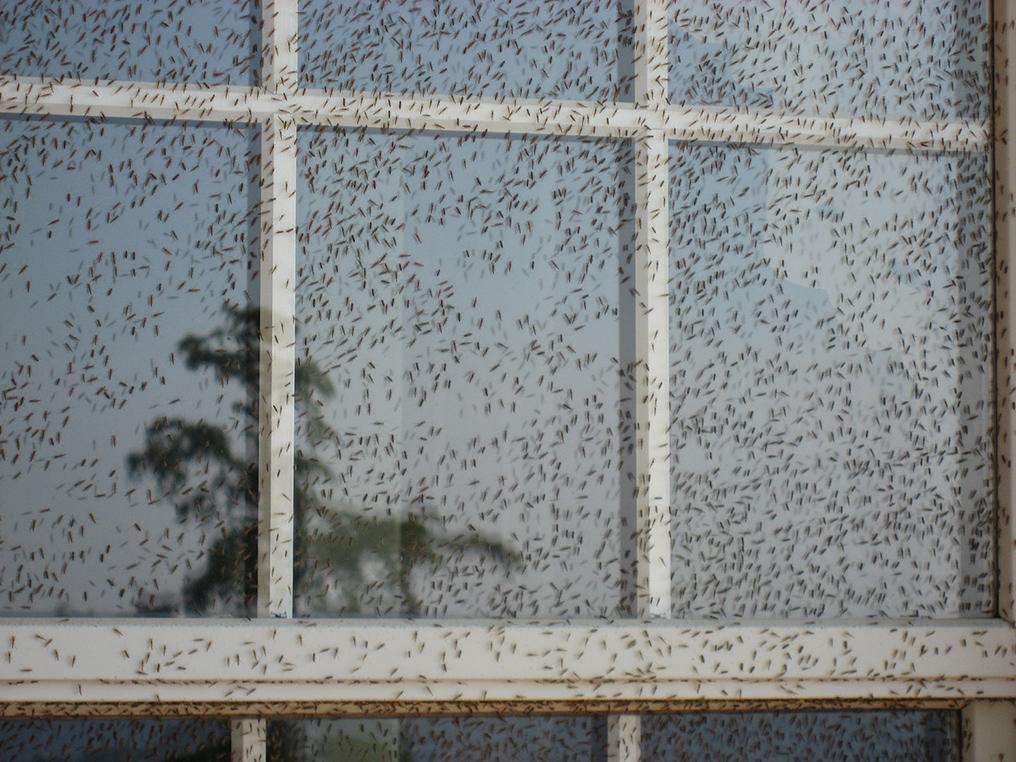
Allstate Resource Management offers full-service larvicide spraying and/or briquette treatments to attack the insect’s breeding ground.
|
|

Find Blog Articles for Florida’s Condo, HOA and the Management Industry.
|
|
Discover how to naturally manage aquatic weed growth in your waterbody via hydro-raking or mechanical harvesting.
The answer depends on several factors, including the type of vegetation you want to be removed.
Both solutions allow you to naturally remove nuisance aquatic weeds with instant results, but which one is best for your lake or pond?
There is rarely one specific remedy for helping restore a waterbody. Often times, restoration includes a multiyear management program encompassing a combination of aquatic management tools and techniques, such as herbicide and algaecide treatments, nutrient remediation, aeration and biological augmentation. Mechanical removal is an additional management method that may be incorporated into a restoration program, and has a number of ecological benefits including nutrient mitigation, water circulation and open water habitat restoration.
Mechanical aquatic weed removal services encompasses two distinct management tools and approaches: aquatic weed harvesting and hydro-raking. While both provide ecological benefits, it is important to distinguish which option is better-suited for the specific management objectives of your lake or pond.


The aquatic weed harvester is a floating barge that cuts and effectively removes nuisance vegetation and algae from the surface of the waterbody. The plant material is collected and then offloaded, either into a container to be transported offsite or to a designated onshore compost area.
Mechanical lake weed removal offers an eco-friendly solution that does not create temporary water use restrictions during or after the work. For sensitive aquatic ecosystems, it can act as an alternative to herbicides. Mechanical harvesting can be an ideal management option for annual plants that are invasive or at nuisance levels. The aquatic weed harvester has been proven effective on water chestnut (Trapa natans), giant salvinia (Salvinia molesta), water soldier (Stratiotes aloides), and water hyacinth (Eichhornia crassipes).


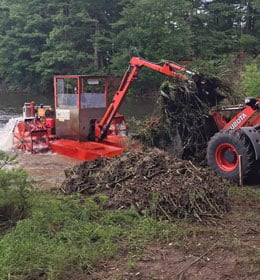
The hydro-rake is also a floating barge run by two hydraulic paddle wheels, but is equipped with a 12-foot hydraulic arm with a rake attachment that is used to rake the pond bottom and remove detritus, organic sediment and aquatic vegetation with attached root systems. The hydro-rake, having no on-board storage, must offload the collected material directly onshore or onto a transport barge for removal.
Hydro-raking can be an effective alternative to herbicide and algaecide applications, but it has also proven effective in unison with these treatments. When managing emergent or floating leaf species, such as common reed (Phragmites australis) or water lily (Nymphaea sp.), herbicide application is often the first management approach, followed by hydro-raking. Hydro-raking is commonly utilized after control, to collect the plant biomass and associated root structure, negating it from contributing to the organic matter substrate below. This approach has proven effective on a number of aquatic plants such as cattails (Typha sp.), purple loosestrife (Lythrum salicaria), pickerelweed (Pontederia cordata), watershield (Brasenia schreberi) and Alligator weed (Alternanthera philoxeroides).
Hydro-raking can also serve as a more environmentally friendly and cost effective alternative to dredging. Additionally, if a lake or pond is periodically maintained through hydro raking, the need to perform a large scale dredge project may be negated, saving financial resources and prolonging ecological disruption in the process.
Both aquatic weed harvesting and hydro-raking collect plant biomass before it decomposes and contributes to the organic muck layer, maintaining or increasing overall water depth. In addition to the plant biomass, these mechanical options remove the associated nutrients (phosphorus and nitrogen) that contribute to increased plant and algae growth and, potentially, eutrophication.
These management techniques are used in a wide variety of projects on private, public and state waterbodies to help maintain or restore the open water space of shorelines, coves, inlets and outlets. Depending on the lake management objective and the target aquatic species for control, mechanical projects are usually part of a multiyear program. The next time you look out at your lake or pond, remembering its former attributes and beauty, consider investigating how mechanical lake weed removal services can be applied to help restore balance to your aquatic ecosystem.
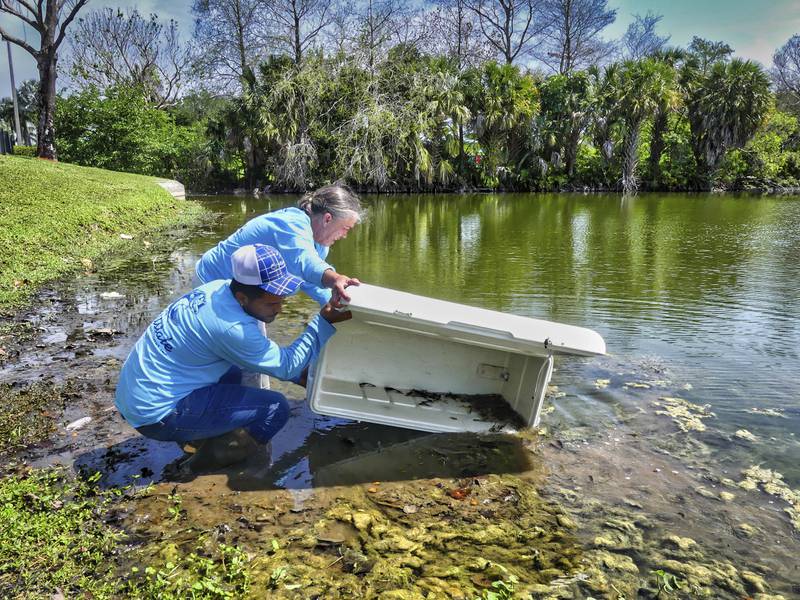
 Allstate Resource Management can handle all of your fish stocking needs in South Florida, whether it is triploid grass carp for assistance in weed control or largemouth bass for the avid angler. A balanced, healthy fish population can help to absorb nutrients in the water, control undesirable weeds, insects and other aquatic pests. They also provide a recreational asset for enjoyment. Call us today to find out more about our fish stocking services in South Florida.
We can design a lake or pond fish stocking program that is customized to meet your needs and budget which will include recommended fish species, quantity, government requirements and costs. For information on fish stocking, call us now
One of the most challenging aspects of lake maintenance is communicating the management program to the clients. A homeowner that sees a lake from a purely aesthetic point of view has a vastly different understanding than an applicator that is actively managing it.
We have the ability to help you educate your homeowners about their lakes and what we do. When you have questions about how your lake is being cared for, our experienced applicators are available to provide you with the answers you need. Feel free to print any of our “Understanding Your Lake” articles in this resource section.
If you would like us to supply articles for your HOA newsletters regarding waterway issues, please give us a call. We are also available for consultation presentations to HOA’s. We are a DBPR approved provider of CEU credits for CAM s and are available to supply your property management company with accredited courses.
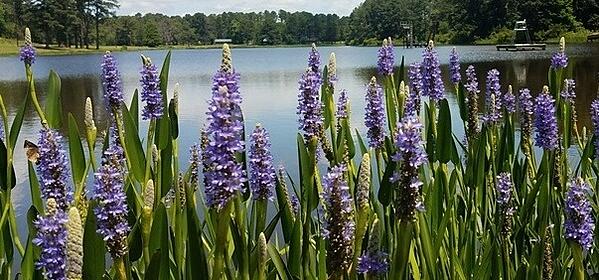
Enhance the health of your freshwater waterbodies with natural solutions like nutrient remediation, aeration, and more…
 |
| SOLitude Lake Management, 2844 Crusader Circle, Ste 450, Virginia Beach, VA 23453, 888.480.LAKE
|
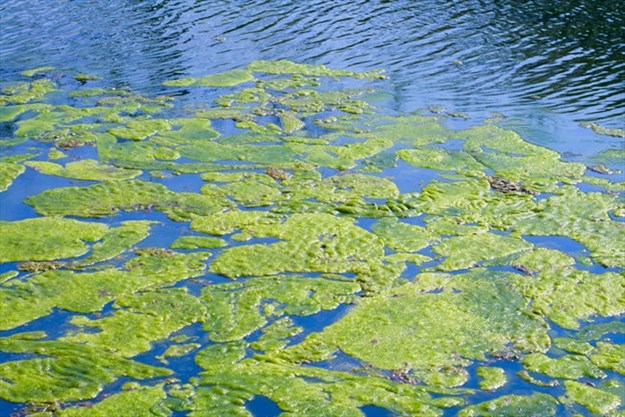
by Allstate Resource Management

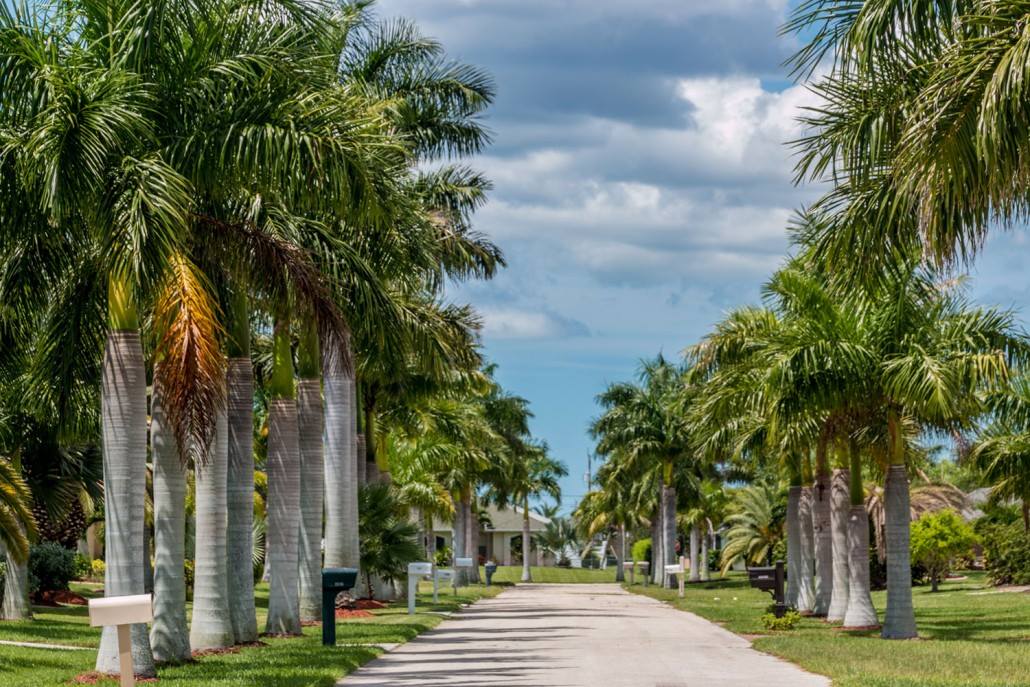
The most important step is even before you have planted the first tree. You should select the right tree for the right location. You should always select trees that are wind tolerant and have good branch structure. Trees with good branch structure will have less overextended limbs, included bark and tree defects. Some trees handle decay from pruning better than others making species an important factor in the right tree. If your trees don’t have all the desired characteristics don’t worry you can still have the tree pruned by a Certified Arborist to remove or reduce the defects in the tree. So many people overreact and remove their trees out of fear of the unknown. This isn’t always necessary and is a waste of money.
You should always have a Certified Arborist inspect your trees on an annual basis. A Certified Arborist will be able to identify tree defects and make recommendations on corrective actions. Be sure the Certified Arborist you are working with has the TRAQ (Tree Risk Assessment Qualification) credential. Ask your Certified Arborist to provide you proof of his qualifications so you are sure your getting sound advice. Don’t be afraid to get a second opinion before you commit to having work done. We recommend you first work with a consulting Certified Arborist that doesn’t perform tree service work so they have no financial interest in the recommendations made to you.
So now were ready to prune. I know you have tons of questions and I’m here to help you answer them.
Should you thin your trees so the wind can flow through them? No this can lead to overextended limbs which can fail during wind events.
Should you top your trees? Absolutely not, this is one of the biggest mistakes tree owners make. Topping trees will lead to weak attachment points, heavier upper canopy growth and reduced tree vigor.
Should you have the dead, broken, cracked or overextended limbs pruned or removed? Yes you should. Overextended limbs are long and have most of the weight at the end. Cracked or broken limbs have a high likelihood of failing during wind events, Dead limbs can break off and impact important property.
Should I prune my palms so they will survive the hurricane apocalypse? No palms are adapt to wind storms and have zero benefits from hurricane pruning. You will want to have them inspected by a Certified Arborist so any defects can be pointed out to you.
What can you do to help your trees survive a windstorm event? Plant the correct tree for the location, Have a Certified Arborist inspect them annually, prune only when you have a valid reason to prune them, provide fertilization when necessary and most of all don’t fall victim to fear or bad information.
If you are in need of a Certified Arborist to inspect your trees or help you determine what the best course of action is for your trees please contact our Certified Arborist at http://www.arborologyinc.com. We will be glad to meet you and empower you on managing your trees.

Ronnie Simpson
Board Certified Master Arborist
Arboriology Inc
http://www.arborologyinc.com
When lakes and ponds exhibit problems like algae, aquatic weeds, bad odors, cloudiness, or muck development, it can prevent us from benefiting from the connection with nature that our waterbodies provide. Aquatic experts use a variety of techniques to diagnose the underlying issue. One of the most important tools is water quality testing. By analyzing water samples in a professional laboratory, scientists can identify the chemical imbalances that are preventing you from enjoying your waterbody to the fullest. Once data is collected, experts will implement tailored management solutions to restore the balance and beauty of the ecosystem. One natural and highly effective solution is Alum.
 Utilizing Alum to Restore Water Quality
Alum has been a long-standing tool in our toolbox of lake and pond management solutions—and is a particular favorite of professionals who strive to use only sustainable maintenance practices. Alum (also known as Aluminum Sulfate) is used in a wide array of industries and applications such as drinking water management and wastewater treatments. In the lake and pond management industry, Alum is used to reset the chemical balance of aquatic environments to improve water quality. When water quality is enhanced, it creates an environment that is less hospitable to algae, nuisance weeds, and toxic cyanobacteria.
 Perform Water Quality Tests
There is no one-size-fits-all approach to lake and pond management. This means that Alum may not be the right solution for each and every waterbody. Water quality tests help us understand the problems occurring under the surface and make this decision. Most often, Alum is deployed when water quality tests reveal unusually high levels of nutrients like Phosphorus, which is typically the root cause of undesirable organic growth.

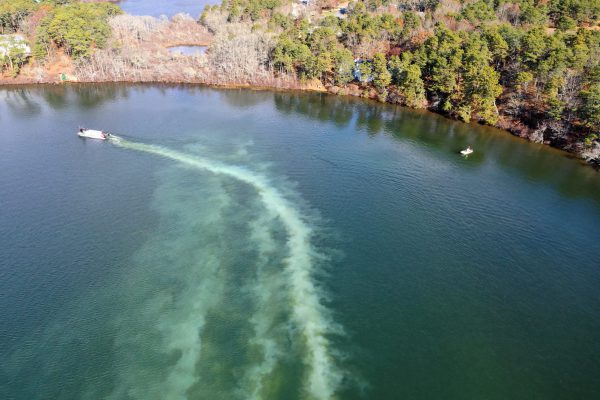
Alum is applied to lakes and ponds as a white, powdery substance. As the Alum mixes into the water column, it binds with free-reactive nutrients, creating a cloudy trail behind the boat or a specially-designed application barge. After a short period of time, the particles sink to the bottom where they will remain inactive. Alum is considered very safe when applied by a professional and provides fast-acting results that can last for years. Almost immediately after an application is complete, the water column will become more clear. Over the course of days and weeks, the water quality improves.
Once the waterbody is restored to more balanced conditions, it’s important to prevent future nutrient loading by addressing the external sources of Phosphorus. Trash, pet waste, fertilizers, motor oil, sewage, and yard waste are often to blame. They can flow into lakes and ponds during rainstorms. Rainfall and weather events can also damage the shoreline, causing nutrient-rich soil and plant matter to crumble into the water. Stakeholders can slow this problem by establishing a robust vegetative buffer around the shoreline. Professionals recommend using native plants that grow approximately 18 inches high and develop complex root systems to naturally hold soil in place. If shorelines have sustained significant damage over the years, it may be necessary to completely rebuild them using bioengineered mesh technology that can be seeded with the grass and buffer plants following installation.
 Alternative Nutrient Remediation Solutions
Alum is not the only natural substance that removes nutrients in the water column. Solutions like Phoslock and EuroSORB work similarly to target Phosphorus.
Phoslock is a lanthanum-modified clay that binds with excess phosphorus, chemically changing its composition so that they can no longer support weeds and algae. EutroSORB, on the other hand, is a filtration technology that captures nutrients in the water column. It is particularly effective in waterbodies with significant movement and mixing, such as stormwater ponds, streams, and canals. Once the filter is fully saturated with phosphorus, it is pulled from the water for disposal. In some cases, experts may also choose to use an aqueous form of EutroSORB that can be poured or sprayed on the surface, or applied via subsurface injection.
 Determining The Best Solution for Your Lake or Pond
Your lake and pond management professional may consider a number of factors when choosing which of these three nutrient remediation products to implement. These may include your waterbody’s size, location, use, pH, dissolved oxygen concentration, muck level, and degree of water movement.
The well-being of our aquatic environments reflects our own. Science shows that humans are happier, healthier, and more relaxed when spending time around beautiful water. Nutrients are the building blocks that help create these amazing ecosystems that delight us, but it’s necessary to maintain them at balanced levels as nature intended. Alum is one of many eco-friendly tools employed through an annual maintenance program. Like most solutions, it is most effective when used proactively. Click to learn more about the benefits of Alum and the important role it plays in a year-round management plan.
Tags: Lake Management Articles
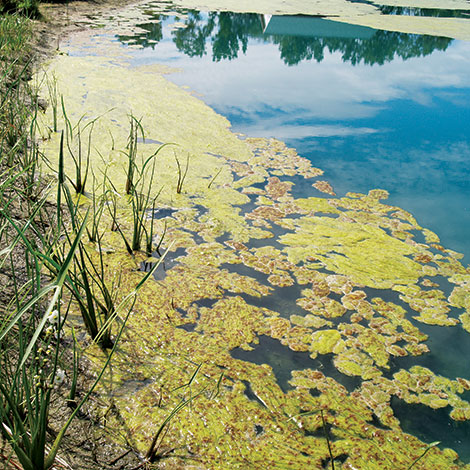
Wetlands are frequently mandated by state and county statute. When you work with Allstate, you can be assured that we are following all regulations and mandates for wetland preserves and wetland management in South Florida.
Did you know! In Florida there are more 400 water recycling projects, making our state a national leader in the use of reclaimed water. The treatment process eliminates harmful substances, but leaves traces of nitrogen and phosphorous that act as fertilizers when reclaimed water is applied to lawns and landscape. Reclaimed water can cause spikes in algae growth on lakes.
Call us at 954-382-9766 for more information on causes for algae growth

Allstate Resource Management has over 25 years of experience in maintaining the health of lakes, ponds, wetlands, and stormwater systems. We have continued since our inception to be the leader in resource management. Our services include lake management, wetland management, stormwater drain cleaning and maintenance, erosion control, fish stocking, native plantings, debris removal, water quality, aquatic pest control, and upland management. All of our technicians are thoroughly trained and certified in order to meet the strict standards imposed by governmental agencies. This ensures that your property will be treated by only the most competent individuals who are proud of the services we render.
In addition to providing a healthy habitat, we specialize in the installation and maintenance of beautiful color lit fountains, bringing beauty and enjoyment to any lake or pond.
We also offer support services for property managers and HOA’s including educational presentations and CEU programs. Our approved courses offer continuing education credit to CAMs. Find us on the SFPMA Members Directory.
 A stormwater system is a tool for managing the runoff from rainfall. When rainwater lands on rooftops, parking lots, streets, driveways and other surfaces that water cannot penetrate, the runoff flows into grates, swales or ditches located around your property and neighborhood. These grates, swales and ditches carry the runoff into stormwater ponds. A stormwater pond is specifically designed to help prevent flooding and remove pollutants from the water before it can drain into the groundwater or into streams, rivers, lakes, wetlands, or the ocean.
Colleen Sullivan
Marketing Manager
www.allstatemanagement.com
6900 SW 21st Court, Building #9
Davie, Florida 33317
Phone: (954) 382-9766
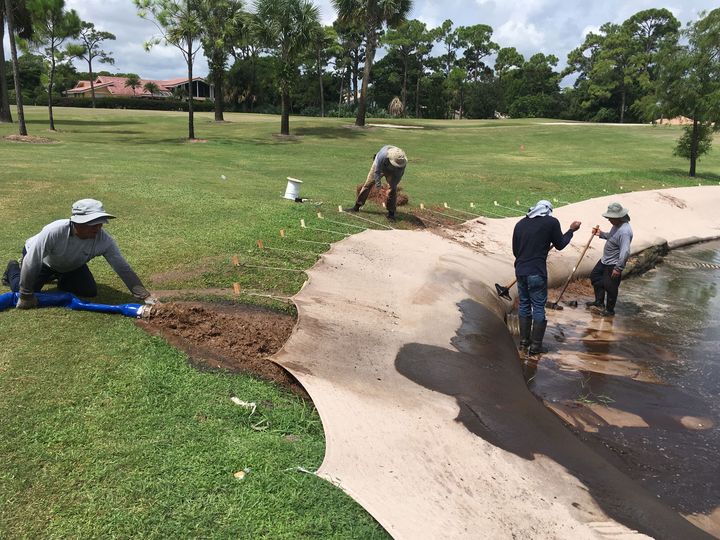

If your community is having problems with your Lake, contact SOLitude today