Contact: Allstate Resource Management to create a detailed water quality program for your property.
Allstate Resource Management can create a detailed water quality program for your property.

Become our Member : JOIN SFPMA TODAY LogIn / Register: LOGIN/REGISTER
Find Blog Articles for Florida’s Condo, HOA and the Management Industry.

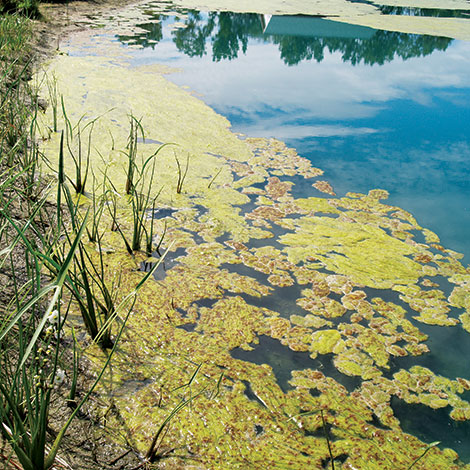
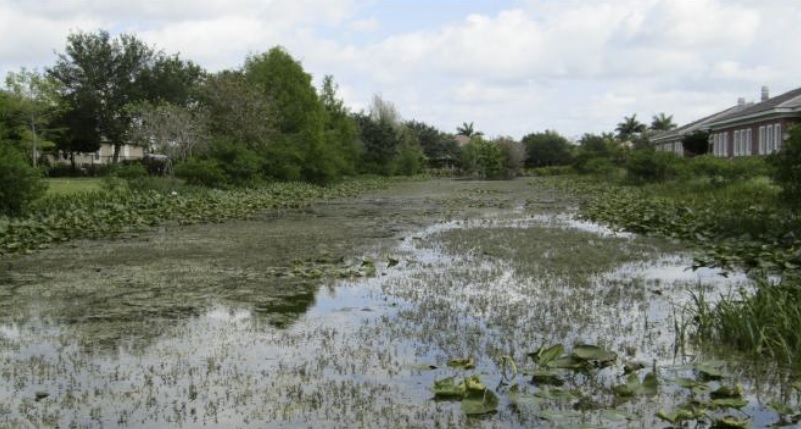
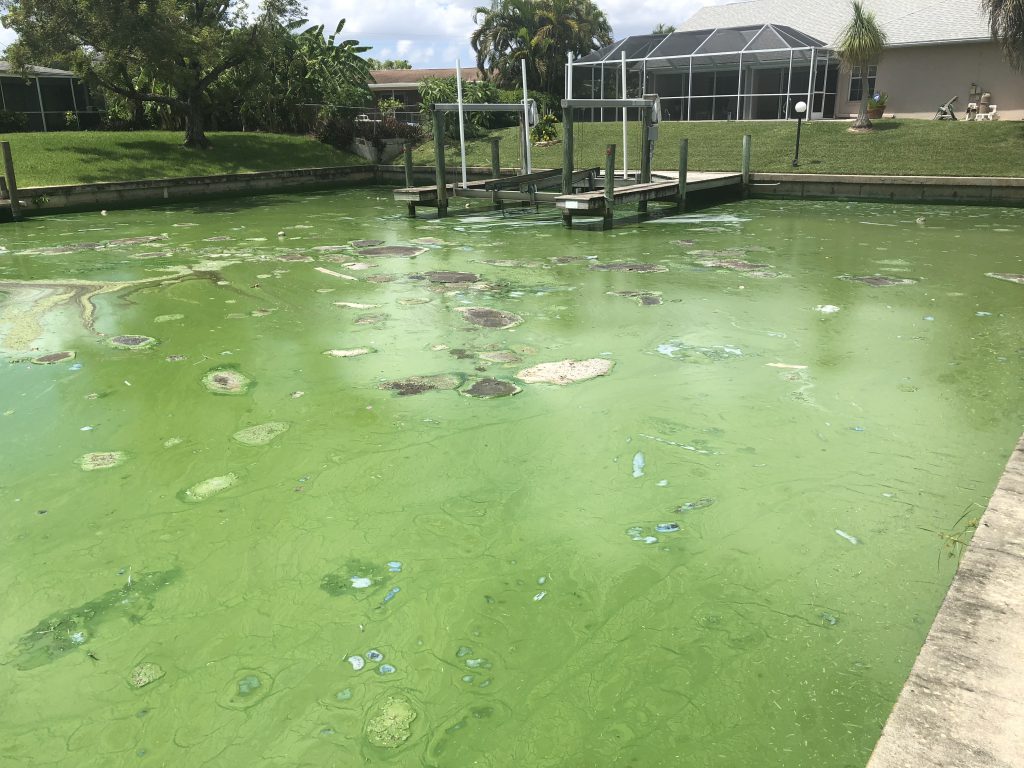
Algae growth in South Florida lakes is not an uncommon thing, but it seems to be more of a nuisance in the summer months. What are the causes of algae growth in our community lakes and why is it more prevalent in our warmer, rainy season? Algae, like all other plants, requires sunlight and nutrients to grow. These ingredients are the primary factors in how much and how fast algae is going to grow, but our urban waterways have unique circumstances that also contribute to the potential for algae growth during our summer months.

Wetlands play an extremely important role in the ecosystem, particularly in Florida. In addition to their cultural relevance, they are a central feature that is home to thousands of incredible species. Preserving them is not only beneficial to the natural ecosystem, it benefits our communities in many ways.
Simply put, wetlands are lands that transition between terrestrial and aquatic environments. More specifically, wetlands contain soils that are inundated long enough to support the growth and reproduction of diverse vegetation.
The plants that grow in wetlands have adapted in a way that lets them survive in the hydric or wet soils. Swamps, marshes, bayheads, bogs, cypress domes and strands, sloughs, wet prairies, riverine swamps, mangrove swamps, and other similar areas meet the criteria of wetlands.
There are wetlands on every continent. Although the Everglades are the most well-known wetlands in Florida, there are many other wetland areas throughout the state. A healthy wetland supports a wide range of wildlife such as birds, amphibians, crustaceans, fish, and reptiles.
The aquatic freshwater and marine life of Florida depend on wetlands for feeding grounds and nurseries for their young. In addition, wetlands also offer outstanding recreational opportunities for fishing, boating, bird watching, and photography – to name just a few. Unfortunately, wetlands face many threats:

Wetlands originally covered approximately 60% of the state’s land, but over time, wetlands have been reduced by urban development to less than half of that amount. Human activities are arguably the greatest threat to wetlands due to the draining of these lands for agriculture or development. Historically, wetlands were considered wastelands and were drained and cleared of vegetation without a second thought to make way for homes, roads, and shopping centers.
Loss of wetlands habitat not only affects animals and plants, but it also diminishes the water supply for the human population, since wetlands hold, filter, and slowly release immense amounts of rainwater into the aquifers that serve as central and south Florida’s only source of freshwater.

Like all ecosystems, the survival of the plants and animal species that live in wetlands depend on a delicately balanced environment. When non-native species are brought in, either on purpose or accidentally, it can unbalance the existing system. Invasive species compete with native species for limited resources. When native species start to die off as a result of competition with an invasive species, the food chain of the ecosystem is disrupted.
For example, some wetlands are being overrun by water hyacinth. This plant is held in check in its native environment, but in North American habitats, it spreads at an alarming rate. Similarly, Burmese pythons were brought into the country as pets and released into local wetlands where they grow too big to be sufficiently supported by their environment. These large snakes thrive in wetlands like the Everglades and threaten the survival of endangered species.

Wetlands work as natural water filtration units. Polluted water washes into the wetlands and is purified as it flows through and out of the wetlands. The pollutants either settle to the bottom of the wetlands or are used by the plants growing in these habitats. But if the concentration of pollutants reaches and then crosses the saturation level, and toxic contaminants continue entering the wetlands, the plants and animals struggle to survive.
In addition, wetlands are often used as dumping grounds for industrial and household waste and sewage. High pollution rates in wetlands kill off fish, wildlife, and plants, destroying the habitat.

Like other ecosystems and habitats, wetlands are also affected by alterations to the environment caused by climate change. Sea-level rise caused by warming temperature is submerging or drowning wetlands, while extreme weather such as drought is drying them out. Higher water levels and lower water levels are caused by the various effects of climate change.

The construction of dams that alter the natural flow of a river also has a huge impact on the environment where it is built. Altering the flow of a river disturbs the ecosystems that depend on that river. Wetlands like swamps or marshes suffer from a higher or lower flow of water when a dam is built. Dams can permanently damage wetland ecosystems.
Wetlands are productive ecosystems that provide environmental benefits to the areas that surround them. Waterfowl and migratory birds, and other wildlife make wetlands their home. As important as that is, these dynamic natural systems provide services such as removing harmful chemicals and excess nutrients from storm runoff, recharging aquifers used for drinking water and irrigation, and protecting communities from coastal storm surges and flooding.
Coastal wetlands and estuaries support diverse habitats that provide shelter and food for recreational and commercial fisheries, which in turn contribute to local economies. People are often drawn to wetlands for outdoor recreation and wellness. Outdoor recreation is important for the health of the population as well as the economy.
These important functions make wetlands a vital part of our environment. Maintaining and improving the health of wetlands support plants, animals, and people. Here are five ways to help conserve Florida’s wetlands:
Improve the health of wetlands by planting buffer strips of native plants near and around water resources. These buffers can help filter out fertilizers and pollutants before they enter the water and cause environmental imbalances. They also help hold soil in place for lasting structure and aesthetic appeal.
Non-native plants that quickly become invasive can have devastating consequences on wetlands. They choke out native species and change the function of the wetlands. Likewise, invasive animals compete with native wildlife for food and habitat, creating a negative cycle within the food web. Monitor the area and report the presence of any invasive species immediately.
Avoid using pesticides and fertilizers for lawn or garden care. These chemicals can harm aquatic species and wildlife by negatively affecting water quality and encouraging invasive plant growth. When absolutely necessary, use organic products in place of chemicals.
Animal waste can wreak havoc on wetlands and their population. Make sure that pet waste is kept out of wetlands by keeping dogs fenced in or leashed, and keeping your cats inside as much as possible. When walking pets or playing outdoors, always pick up and properly dispose of any waste.
Wetlands are amazing ecosystems containing a complex web of plants, animals, fish, and organisms. Change is always occurring, so it’s important to stay informed about the health of the environment. Freshwater management professionals are experienced in monitoring and maintenance solutions aimed at preserving the health and beauty of these habitats. Consider implementing an annual management program to preserve wetlands in your area.
Florida is known for its magnificent wetlands, but that doesn’t mean they will be around forever. Through urban development, invasive species introduction, pollution, and other factors, humans have expedited the deterioration of wetland areas. We should each play an active role in the protection of these unique aquatic ecosystems so that we can enjoy, admire, and benefit from them for as long as possible.
Is your waterbody suffering from erosion damage? Enter to win a $10,000 shoreline makeover for a chance to enhance your waterbody. Entries due March 31, 2022.
Humans have a powerful connection to water. Learn how consistent lake management can help create happier, healthier communities.
It is scientifically proven that being around healthy, beautiful water can reduce anxiety and stress, boost creativity and improve our overall wellness. This is one of the many reasons why our community’s freshwater resources should be maintained with diligence. Discover how to best manage water quality issues and create a more relaxing, enjoyable space you, your loved ones, and your community can enjoy.
Lakes, rivers, beaches, and even swimming pools have beneficial effects on the well-being of visitors that are hard to define. Water is not only essential for our survival, it has a profoundly relaxing and refreshing impact on people’s mental health and happiness. Human beings will always be inextricably connected to water physically, mentally, and spiritually. This helps explain why communities near large water systems are common vacation destinations and highly desirable places for residential communities. It also underscores the importance of preserving our precious aquatic resources.
Maintaining balanced aquatic ecosystems is more important than ever as water scarcity, eutrophication, drought, and increasing demand continue to cause depletion and degradation of water quality worldwide. Water pollution can lead to Harmful Algal Blooms, toxicity, nuisance and invasive aquatic weed growth, bad odors, and taste issues in drinking water reservoirs – among many other issues. These types of water quality challenges can lead to diminished property values and will undoubtedly have a negative effect on swimming, boating, fishing, wildlife watching, and overall enjoyment of nature.
In many areas, it’s common for water quality problems to shut down lakes and beaches throughout the summer, but few people are cognizant of why these problems occur and how significantly they can threaten our innate connection with the water. Assessing and addressing issues with water quality requires the experience and knowledge of experts who focus on optimizing all the benefits that balanced water can provide.
Preserving and enhancing water quality calls for successful proactive management with long-term results in mind. Lake and pond management is a science and taking all variables into account is the only way to address water quality issues at their root causes. Aquatic biologists pay close attention to detail and consider the entire aquatic ecosystem when collecting sound physical, chemical, and biological data.
Water quality assessments are a common starting point to uncover this important information and identify potential nutrient imbalances, pollutants, watershed inputs, algal populations, or other problems. With every visit to your waterbody, aquatic biologists can learn more from each new water sample. This data creates a basis for management recommendations and informs the use of eco-friendly tools and advanced technologies.
Depending on the challenges your waterbody faces, it may require a combination of solutions. Fountains and submersed aerators are excellent at increasing healthy dissolved oxygen levels in the water while circulating different areas of the water column. Likewise, new aeration solutions like side stream supersaturation are changing the game by making it possible to directly inject oxygen into the water to correct deficiencies, eliminate bottom muck, and potentially end reliance on herbicides.
In the event that herbicides are required to achieve lasting aquatic weed control, advanced drone technology is now available to efficiently and precisely target affected areas. Drones also aid in surveillance, making it easier than ever to identify problems such as eroded shorelines, which can be rebuilt with innovative mesh technologies that integrate seamlessly into the landscape for lasting stabilization. These efforts are often paired with sediment removal strategies like hydro-raking and the application of nutrient management products that prevent future algae and aquatic weed growth. These steps can be further supported with the introduction of deep-rooted native vegetation, which form beneficial shoreline buffers that prevent undesirable nutrients and pollutants from entering the water.
These solutions provide immediate benefits, but they are not permanent. Lakes and ponds require year-round care for long-term success. An annual management program comprehensively supports aquatic ecosystems with many of these solutions and others that nurture waterbody health and functionality. When an annual plan is uniquely tailored to the individual characteristics of your waterbody, you can maximize the many physical, mental, and spiritual benefits of time spent in and around the water.
Is your eroded shoreline hindering the enjoyment of your waterbody? Enter to win a shoreline makeover and enhance your lake or pond.
Florida is famous for its beautiful wetlands, but these natural treasures are threatened by hundreds of different factors, from the composition of bottom sediments to features in the surrounding landscape. The space where these environments meet provides valuable insight about the health and diversity of an aquatic ecosystem. This unique area is called the littoral zone.
The littoral zone is the down-sloping shelf of a pond or lake. This is the area that stretches from the high-water mark to the shore and into the area where sunlight penetrates through to the sediments at the bottom of a waterbody. Although the exact definition of littoral zone can change depending on the waterbody, it is generally considered the shallow area close to the shore in both saltwater and freshwater environments.
When healthy, the littoral zone looks like a miniature wetland. The beneficial plants that grow here often feature purple, white, yellow, or blue flowers that usually bloom all year long in Florida’s climates. These plants may include Golden Canna, Pickerelweed, Southern Blue Flag Iris, Fragrant Water Lily, and Florida Swamp-Lily.
The littoral zone or littoral shelf supports a large number of native plants and aquatic life. Because Florida’s aquatic species are so diverse, some plants can survive partially or completely submerged while others do just fine floating on the water’s surface. Waterbodies that support a wide variety of native plant species tend to provide more nutrients to the native wildlife that are key to maintaining cover and habitat. In addition to supplying food to ponds and lake fish, local plants help maintain balanced levels of oxygen and other key elements.
In addition to protecting the health of lakes or ponds, the littoral zone can enhance the aesthetic appeal of any Florida waterbody. When filled with thriving plants and wildlife, a well-tended littoral zone adds value to the shoreline and even the surrounding property.
A littoral zone helps improve water quality by fostering beneficial species that consume the excess nutrients that contribute to nuisance algae and invasive aquatic weed growth. Additionally, when located near a flow structure, the littoral shelf helps filter out the minerals and nutrients in water before it leaves the lake or pond. This improved water quality has the added benefit of keeping mosquitos at bay and reducing foul odors exuding from the water.
Littoral shelves also help maintain the shoreline and prevent erosion. The native plant roots hold the soil and make the banks more stable and durable, which in turn helps reduce the need for extensive restoration or dredging projects in the future.
Because the littoral zone transitions from dry land to the aquatic environment, it responds to natural and human influences and activities in the land ecosystem as well as the aquatic one. And because it is important for many industrial and recreational purposes, the littoral shelf is often drastically affected by human activities that amplify algal and weed growth, nutrient loading, overgrowth of invasive species as well as cause acidification and fluctuations in the water level. This underscores the importance of the littoral zone and littoral shelf maintenance for the health of lakes and ponds.
When properly established and managed, the littoral zone is less likely to require herbicide or algaecide applications. Recurring proactive management strategies such as nutrient remediation, biological bacteria applications, water quality testing, aeration, Oxygen Saturation Technology (OST), and other sustainable solutions can have a lasting positive impact in Florida’s delicate aquatic environments. A SOL Pro Annual Management program will help any property owner prolong the balance and beauty of their lake or pond’s littoral zone.
At International Subsea Services LLC, we are focused on providing Subsea Solution services with the highest levels of customer satisfaction –
We will do everything we can to meet your expectations with a variety of offerings to choose from, we’re sure you’ll be happy working with us. I am currently an independent contractor and have been in the commercial offshore industry for the past 14 years. I have worked as a Project Manager that produces results for a wide variety of clientele. The base of my experience is in Diving/ ROV operations/ subsea installations and construction projects worldwide. I have performed a variety of jobs such as offshore oil rig subsea operations and completions, flow line jumper, measurement and construction of flexible and rigid jumper pipeline, seabed and rig surveys, onsite intervention projects of various natures in remote locations, First subsea pipeline repair done exclusively with ROV and intervention tooling. ROV intervention SIT’s and FAT’s for a wide variety of equipment including ROV access and tooling interface. We look forward to working with you and joining you Project management team.