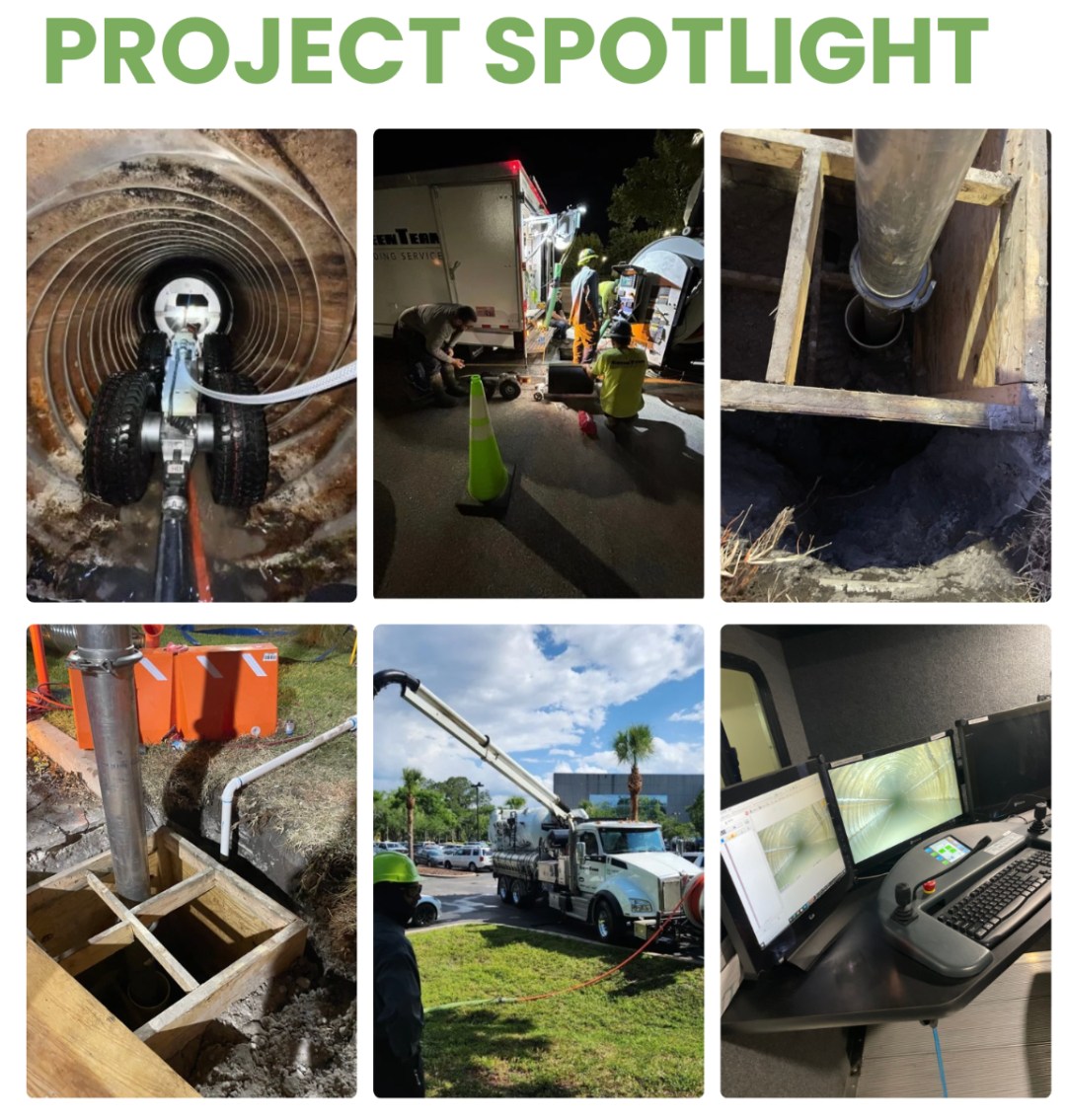
Did you know that CCTV trucks are vital tools for inspecting the condition of underground pipes?

Find Blog Articles for Florida’s Condo, HOA and the Management Industry.

We provide extensive consulting to every accounting client. Detailed management notes are provided in addition to a comprehensive Financial Statement package.
Our bookkeeping help goes far beyond just balancing the books. Our Bookkeeping outsourcing, saves you time and money, while reducing stress levels.
Structural Integrity
Wood Rot: Prolonged exposure to moisture causes wooden structures like beams, joists, and studs to rot. This can compromise the building’s stability, leading to sagging floors, walls, and potentially collapse.
Metal Corrosion: Metal components such as nails, screws, and steel beams can rust when exposed to moisture, weakening the overall structural integrity.
Mold Growth
Widespread Contamination: If water damage is not addressed promptly, mold can spread throughout the building, making remediation more complex and expensive.
Electrical Risks
Increased Risk of Electrocution: Damaged electrical systems increase the risk of electrocution, especially in areas with standing water.
Decreased Property Value
Insurance Issues: Untreated water damage can complicate insurance claims and lead to higher premiums, as insurers may view the property as a higher risk.
Air Quality Issues
Increased Humidity: Water damage can lead to higher indoor humidity levels, which can exacerbate mold growth and contribute to further deterioration of building materials.
Long-Term Repair Cost
Comprehensive Remediation: Addressing untreated water damage may require a full-scale remediation effort, including mold removal, structural repairs, and electrical system replacement.
In conclusion, immediate action is essential to mitigate these risks and protect both the building and its occupants. Regular inspections and prompt repair of any water intrusion are key to preventing long-term damage
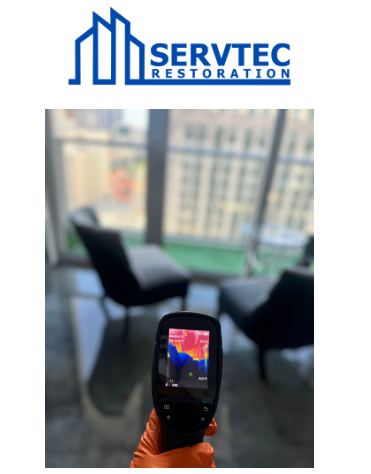
To Schedule a Mold Inspection or our
24 HR Emergency Response Services
Call Servtec Restoration
(305) 744-6547
“When Disaster Strikes, We Are Ready To Respond!”
Licensed & Insured
MRSA3914/MRSR4050/ IICRC Certified Firm
Tags: Damage Restoration, Members Articles
The Importance of Pool Bonding and How an Engineer Can Help Your Community
Swimming pools are a great source of relaxation and fun, but they come with specific safety requirements to ensure the well-being of users. One of the critical aspects of pool safety is pool bonding. Proper pool bonding not only protects against electrical shock but also ensures that all metal parts are at the same electrical potential. This article will explore why pool bonding is essential and how an engineer can play a crucial role in helping your community maintain a safe and compliant swimming pool.
What is Pool Bonding?
Pool bonding involves connecting all metallic components of a pool, such as ladders, lights, and the pool pump, to a common bonding grid or wire. The purpose is to equalize the electrical potential, minimizing the risk of electrical shock to swimmers and anyone around the pool area.
Why is Pool Bonding Important?
Prevention of Electrical Shock:
Compliance with Safety Standards:
How Can an Engineer Help with Pool Bonding?
Electrical engineers and pool safety experts are essential in ensuring that pool bonding is done correctly and efficiently. Here’s how they can assist your community:
Inspection and Compliance Checks:
Installation and Upgrades:
Education and Awareness:
Ongoing Maintenance Support:
Contact our experts today at Falcon to help you create a safe and enjoyable pool environment for everyone in your community
|
|
|
Property damage claims encompass more than just the obvious cases. From water damage to fire damage and beyond, we handle a wide range of property damage claims. If your property has been damaged, contact Maus Law Firm to discuss your options and seek the compensation you deserve.
When you hire us, you speak one on one with our skilled Fort Lauderdale personal injury attorneys or property damage lawyers. We have decades of combined experience between us, and we make sure our clients understand their claim and the legal process.
No two clients are the same. Maus Law Firm wants to assist all of the clients who need our services, so we offer 24/7 phone service, free estimates, Spanish-speaking staff members, house calls, after hours appointments and more.
Our Fort Lauderdale injury lawyers handled thousands of accident and property damage claims and received settlements over $1 million. Our happy clients have left us wonderful reviews, and we strive for the best legal outcome for each case we represent.

According to the National Oceanic and Atmospheric Administration (NOAA), approximately 40% of the American population lives within coastal areas, despite the fact that they only make up 10% of the country’s total landmass. As anyone who lives on the coast can tell you, populations have continued to increase in recent years. It is unsurprising then that a large concern of many homeowners in these areas is the threat of hurricanes and the associated damage.
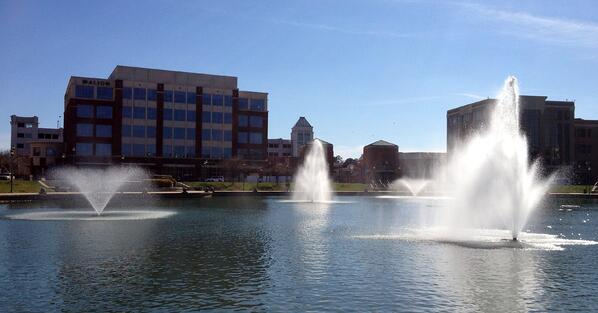
Most people in coastal areas typically live on or near man-made stormwater systems, which use inlet and outlet structures, forebays, safety benches, and other specialized components to collect runoff during storms. However, these sites can become a concern any time a hurricane approaches due to the increased risk of equipment damage and catastrophic flooding. The water in stormwater ponds is likely to rise much higher than normal during these events, so it’s important that community associations, municipalities, and private property owners take steps to ensure their waterbodies are in proper working condition during hurricane season.

Yard debris should be removed from around the site and streets should be cleaned of trash, since this will be flushed into the ponds via storm drains. Even a single plastic bag or soda bottle could effectively block a control structure and keep water from flowing off-site. Installing debris guards on control structures can be an effective preventative method, as well as the periodic flushing of trash from street drains.

Many lakes and ponds have fish feeders, fountains, submersed aeration systems, and other electrically run equipment. Unless it is absolutely necessary (like a pump), it is important to shut off and even remove this equipment from the premises. This minimizes the chance of damage to the equipment during a storm, especially if there are any electrical fluctuations. Another option is to install an anemometer to your fountain control box, which will shut off fountain power if wind speeds rise to dangerous levels.

A common phenomenon, both during and after a hurricane, is a fish kill. These events are often caused by the introduction of brackish (high salinity) water or an increase in turbidity (when large amounts of sediment are washed into a waterway). Many freshwater fish species near the coast can tolerate slight changes in water quality if they become acclimated to it, but rapid changes can lead to suffocation.
Fish kills can also be caused by stratification. This means the water is separated by distinct layers of temperatures and dissolved oxygen (DO) levels. The merging of these layers during hazardous storms can cause a fish kill – sometimes within a few hours or days. If it does occur during the storm, once it’s safe to do so it is important to remove as much of the dead fish as possible to prevent poor odors, decay, and the subsequent nutrient pollution that fuels nuisance plant and algae growth. But, if a fish kill has not yet occurred, it may be possible to reverse some of the negative impacts of the storm. Introducing a fountain or a submersed aeration system can help rebalance the water column by gradually circulating and increasing DO. Better yet, Oxygen Saturation Technology can be utilized to rapidly restore DO in the specific water layers that need it without creating thermal stratification.

One of the best proactive strategies is a professional stormwater inspection. During these inspections, aquatic management professionals can identify shoreline erosion, clogging or damage to concrete inlets and outlets, problematic invasive species infestations, and any other problems within the infrastructure that may lead to complications during high-water events. Sometimes this inspection can lead to recommendations such as flushing storm drains, repairing cracking hardscape, or clearing vegetation within the wetlands behind outflow structures to facilitate the flow of water from a pond.
Hurricanes are stressful events, even without having to worry about stormwater ponds in your coastal community. Understanding the potential areas of concern and creating an action plan ahead of time can help alleviate this stress. A few precautionary measures will help prepare your freshwater systems and will help minimize the chance of flooding, infrastructure damage, and fish kills during this dangerous yet inevitable weather event.
Tags: Lake Management Articles
Pompano Beach, Florida – Structural Workshop is pleased to announce their recent expansion into the South Florida market. The new office is located in Pompano Beach, Florida and will be Structural Workshop’s third office.
The Mountain Lakes, New Jersey based firm will bring their extensive experience in conducting building inspections and reports, specifically for commercial, multifamily residential and parking structures to the South Florida market – specifically Miami-Dade, Broward and Palm Beach Counties.
“There is a lot of opportunity in the condo world and beyond for engineering services in Florida,” says President Joe DiPompeo, PE, F.SEI, F.ASCE. “There is an immediate need to help condo associations and commercial buildings keep up with compliance and maintain a safe place for their tenants. We also have some multifamily ground up projects in Florida that we can better serve from a Florida office.”
About Structural Workshop (SFPMA Members)
Structural Workshop is a Structural Engineering and Building Consulting firm founded in 2004.

We provide a full range of Structural Engineering and Building Consulting Services for all types and sizes of projects from a single-family home to mid-rise buildings and everything in between.
For more information, please visit: www.structuralworkshop.com or contact us at info@structuralworkshop.com
Jessica Vail
Vail Marketing Solutions
(908) 528.4087
www.vailmarketingsolutions.com
Tags: Engineering Articles, Florida Building Inspections, Management NewsClaremont Property Co. recently opened its new office in Bonita Springs, Florida, and it is helping rebuild our beautiful West Coast after Hurricane Ian. They joined SFPMA to offer their services to Boards and Managers all over Florida. View their website, learn more about the services they offer!
They started in 1995 and are headquartered in Houston, Texas. They have additional offices in Dallas, Texas, Wilmington, North Carolina, Charleston and Myrtle Beach, South Carolina, Fort Lauderdale, Destin, and Panama City, Florida, and Mobile and Orange Beach, Alabama.
They can service your property needs just about anywhere your property is located.
Whether your property has been impacted by a loss from fire, water, hail, wind or you simply need improvements to your property, their many years of experience allows them to provide you with the complete spectrum of remediation, roofing, and general contracting services.
Their list of services include:
· Claims Advocacy
· Emergency Services
· Remediation Services
· Restoration Services
· Roofing Services
· Pre-Loss Services
Their management team has decades of collective practice managing large scale commercial, multi-family, and hospitality projects from the design stages through completion. They have helped their clients settle millions of dollars in insurance claims and completed tens of thousands of square feet of demolition, mitigation, restoration, and roofing projects along the way.
For more information, please visit their website at www.cpc-tx.com or contact Diana Kato, Business Developer, Email: Diana@cpc-tx.com Cell: 954-832-4573.

SFPMA.com
SFPMA works throughout the State of Florida, we are a multi-member organization for the Condo, HOA and Property Management industry. Through knowledge based Articles, Events and our Members Directory, Clients find the right information to make an informed decisions for their Florida properties.
Tags: Board of Directors, Damage Restoration, Management News, SFPMA Members News
As of July, associations are required to send delinquent owners a Notice of Late Assessments, giving the owners 30 days to bring the account current prior to turning the account over to the association’s legal counsel for collections.
Failure to provide the delinquent owner with this 30-day notice will preclude the association from recovering legal fees related to past due assessments, i.e., any fees incurred in a subsequent collection/foreclosure action.
The notice must be sent via first class United States mail to the owner’s last address as reflected in the association’s official records, and if the last address is not the property address, the notice must also be sent to the property address by first class United States mail. The notice is deemed delivered upon mailing and a rebuttable presumption that the notice was mailed as required can be established by a sworn affidavit executed by a board member, officer or agent of the association, or by a licensed manager.
A form for the 30-day notice, titled “Notice of Late Assessment” can be found in §§718.121, 719.108 and 720.3085, Fla. Stat.
While the statutory instructions for the Notice of Late Assessment may appear to be straight-forward and easy to follow, there are several ways that the process can go awry. These missteps can result in an association having to send out a new Notice of Late Assessment, further delaying the collections and foreclosure process and adding to the association’s workload and frustration. But fear not! An association can avoid pitfalls in the process by incorporating the following best practices when drafting and sending the Notice of Late Assessment.
First, when detailing the delinquency in the Notice, the assessments, interest and late fees owed should be broken out rather than listed as a lump sum.
If there are other amounts owed, such as fines, these should be listed separately from the monthly or quarterly assessments. Late fees (if applicable) and interest should be listed below the monthly or quarterly assessments and the annual rate of interest should be detailed as well.
Second, when sending the Notice of Late Assessment, the association should check the county property appraiser’s website and the current deed for additional mailing addresses for the owner. While the statute requires the association to send the notice to the property address and the last address “as reflected in the association’s records”, there is always the possibility that the association’s records have not been properly updated or maintained to include additional addresses. Taking a few minutes to conduct this search at the beginning of the process can eliminate the possibility of an owner subsequently arguing that the association failed to send the notice to a relevant address. If the owner is successful in this argument, the association will be precluded from collecting the subsequent legal fees incurred in the collections/foreclosure process.
Third, the association should keep a copy of each Notice of Late Assessment sent to an owner as part of the association’s records. This will enable the association to provide the copy in support of the association’s sworn affidavit that the notice was mailed to the owner, should the owner subsequently dispute that the notice was provided.
In addition to following the best practices detailed above, the association should consult with its legal counsel to confirm that the association’s collections policy, practices and procedures are in conformance with the applicable statutory requirements.
Tags: Assessments, Collections