SFPMA

SFPMA Industry Articles | news, legal updates, events & education! 

Find Blog Articles for Florida’s Condo, HOA and the Management Industry. 

How to Manage Littoral Zones in Florida by SOLitude

How to Manage Littoral Zones in Florida by SOLitude

  • Posted: Jan 30, 2022
  • By:
  • Comments: Comments Off on How to Manage Littoral Zones in Florida by SOLitude

How to Manage Littoral Zones in Florida

Littoral Zones in Florida Waterbodies

Florida is famous for its beautiful wetlands, but these natural treasures are threatened by hundreds of different factors, from the composition of bottom sediments to features in the surrounding landscape. The space where these environments meet provides valuable insight about the health and diversity of an aquatic ecosystem. This unique area is called the littoral zone.

What Is a Littoral Zone?

The littoral zone is the down-sloping shelf of a pond or lake. This is the area that stretches from the high-water mark to the shore and into the area where sunlight penetrates through to the sediments at the bottom of a waterbody. Although the exact definition of littoral zone can change depending on the waterbody, it is generally considered the shallow area close to the shore in both saltwater and freshwater environments.

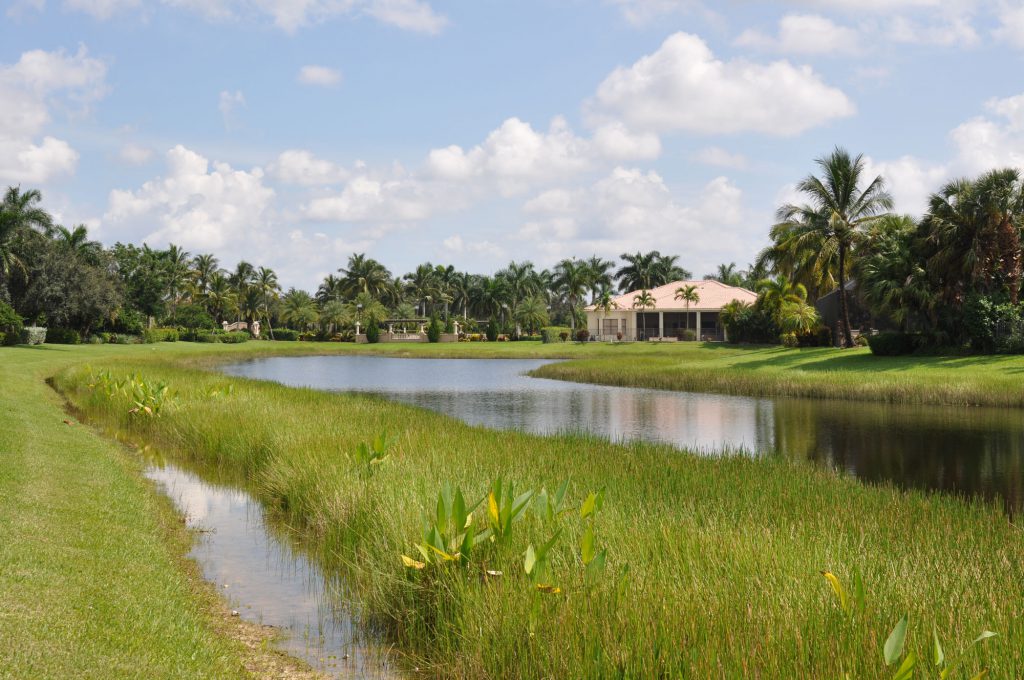
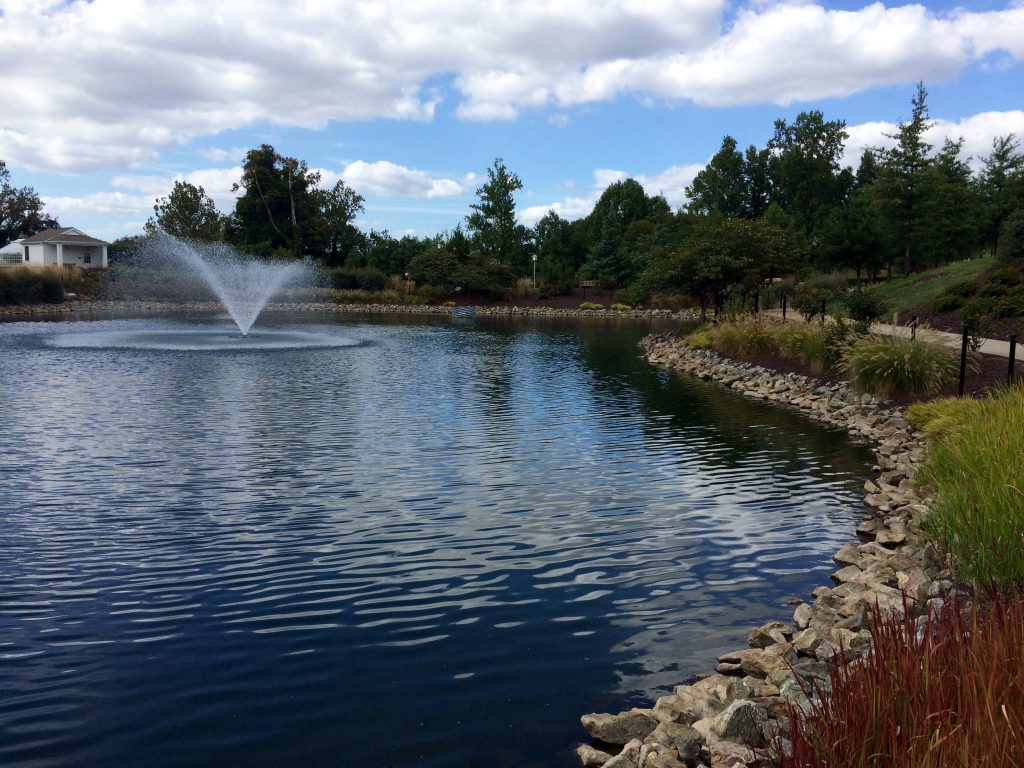
When healthy, the littoral zone looks like a miniature wetland. The beneficial plants that grow here often feature purple, white, yellow, or blue flowers that usually bloom all year long in Florida’s climates. These plants may include Golden Canna, Pickerelweed, Southern Blue Flag Iris, Fragrant Water Lily, and Florida Swamp-Lily.

Importance of a Littoral Zone

The littoral zone or littoral shelf supports a large number of native plants and aquatic life. Because Florida’s aquatic species are so diverse, some plants can survive partially or completely submerged while others do just fine floating on the water’s surface. Waterbodies that support a wide variety of native plant species tend to provide more nutrients to the native wildlife that are key to maintaining cover and habitat. In addition to supplying food to ponds and lake fish, local plants help maintain balanced levels of oxygen and other key elements.

Benefits of a Littoral Zone

In addition to protecting the health of lakes or ponds, the littoral zone can enhance the aesthetic appeal of any Florida waterbody. When filled with thriving plants and wildlife, a well-tended littoral zone adds value to the shoreline and even the surrounding property.

A littoral zone helps improve water quality by fostering beneficial species that consume the excess nutrients that contribute to nuisance algae and invasive aquatic weed growth. Additionally, when located near a flow structure, the littoral shelf helps filter out the minerals and nutrients in water before it leaves the lake or pond. This improved water quality has the added benefit of keeping mosquitos at bay and reducing foul odors exuding from the water.

Littoral shelves also help maintain the shoreline and prevent erosion. The native plant roots hold the soil and make the banks more stable and durable, which in turn helps reduce the need for extensive restoration or dredging projects in the future.

Littoral Zone Maintenance

Because the littoral zone transitions from dry land to the aquatic environment, it responds to natural and human influences and activities in the land ecosystem as well as the aquatic one. And because it is important for many industrial and recreational purposes, the littoral shelf is often drastically affected by human activities that amplify algal and weed growth, nutrient loading, overgrowth of invasive species as well as cause acidification and fluctuations in the water level. This underscores the importance of the littoral zone and littoral shelf maintenance for the health of lakes and ponds.

Establish A SOL Pro Plan for A Balanced, Healthy Waterbody

When properly established and managed, the littoral zone is less likely to require herbicide or algaecide applications. Recurring proactive management strategies such as nutrient remediation, biological bacteria applications, water quality testingaerationOxygen Saturation Technology (OST), and other sustainable solutions can have a lasting positive impact in Florida’s delicate aquatic environments. A SOL Pro Annual Management program will help any property owner prolong the balance and beauty of their lake or pond’s littoral zone.

 

Tags: ,
At International Subsea Services LLC, we are focused on providing Subsea Solution services with the highest levels of customer satisfaction  832-257-0813

At International Subsea Services LLC, we are focused on providing Subsea Solution services with the highest levels of customer satisfaction  832-257-0813

  • Posted: Jan 29, 2022
  • By:
  • Comments: Comments Off on At International Subsea Services LLC, we are focused on providing Subsea Solution services with the highest levels of customer satisfaction  832-257-0813

International Subsea Services LLC

832-257-0813

At International Subsea Services LLC, we are focused on providing Subsea Solution services with the highest levels of customer satisfaction –

We will do everything we can to meet your expectations with a variety of offerings to choose from, we’re sure you’ll be happy working with us. I am currently an independent contractor and have been in the commercial offshore industry for the past 14 years. I have worked as a Project Manager that produces results for a wide variety of clientele. The base of my experience is in Diving/ ROV operations/ subsea installations and construction projects worldwide. I have performed a variety of jobs such as offshore oil rig subsea operations and completions, flow line jumper, measurement and construction of flexible and rigid jumper pipeline, seabed and rig surveys, onsite intervention projects of various natures in remote locations, First subsea pipeline repair done exclusively with ROV and intervention tooling. ROV intervention SIT’s and FAT’s for a wide variety of equipment including ROV access and tooling interface. We look forward to working with you and joining you Project management team.

International Subsea Services

Tags: ,
Are Algal Blooms Harmful to Humans? by SOLitude

Are Algal Blooms Harmful to Humans? by SOLitude

  • Posted: Jan 26, 2022
  • By:
  • Comments: Comments Off on Are Algal Blooms Harmful to Humans? by SOLitude

Are Algal Blooms Harmful to Humans?

by SOLitude Lake Management


Are Lake & Pond Algal Blooms Harmful to Humans?

During the summer, we all look forward to recreational activities on local lakes and ponds; however, sometimes our plans are canceled due to unsightly, smelly, harmful algal blooms. Knowing a little about how HABs form can help us understand their health effects, ways to identify them, and strategies to prevent them.

How Do Harmful Algal Blooms Form in a Lake?

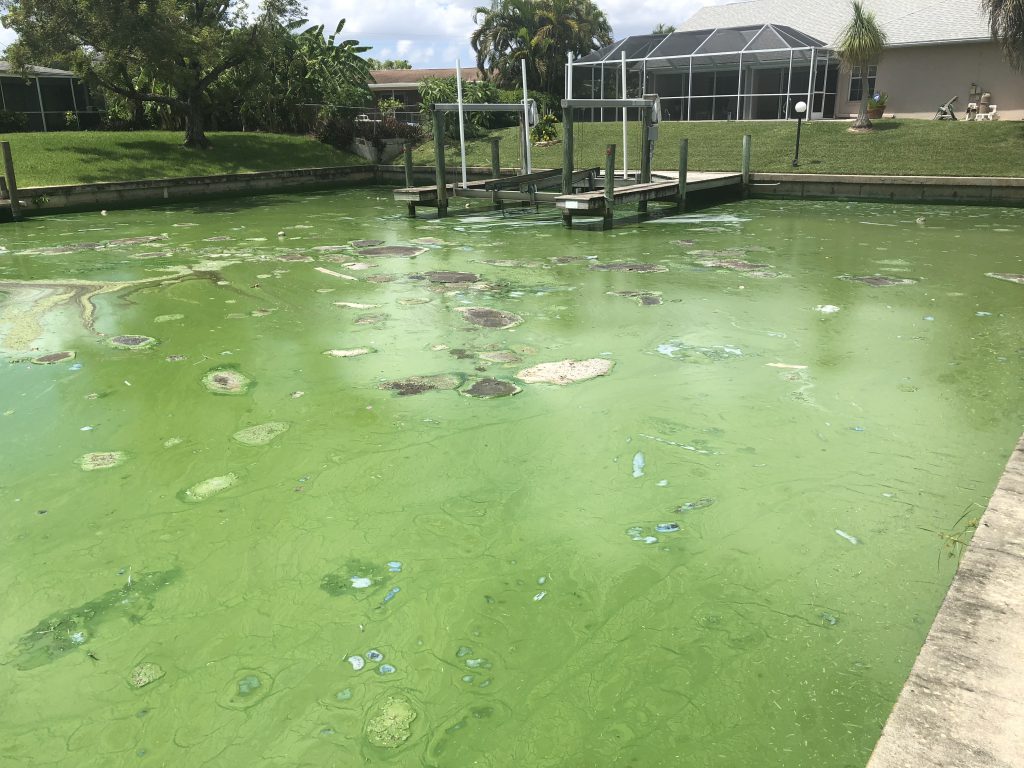
Algae are a natural feature in many aquatic ecosystems. Most lakes have some algae growth on a regular basis, especially during the warm summer months, but it is crucial to stay on top of the algae development since blooms can happen quickly – before you know it, there are ugly floating mats on the lake’s surface. Likewise, certain species like cyanobacteria (also referred to as blue-green algae) can create concerning conditions by releasing dangerous toxins into the water.

Here are some signs that a bloom may be harmful:

  • Visible pond scum on the lake’s surface
  • Various colors such as reddish-brown, blue-green, or pea soup color
  • Often looks like paint floating on the water

Toxicity of Blue-Green Algae

Each bloom’s toxicity can vary and it’s hard to predict how dangerous a bloom will be as its toxicity changes daily. If the lake on your property looks like it may be developing dangerous levels of algae growth, take immediate steps. Not all blooms are toxic, and the only way to be sure that a bloom may become toxic is through laboratory testing. However, it can take a few days to collect and test samples, and by then, it may be too late.

Why Do Lakes Have Algal Blooms?

Most often, harmful and toxic algal blooms occur because a lake or pond is not healthy. The lake may have an excess nutrient load due to the presence of too much phosphorus and nitrogen. When there are too many of these nutrients in the lake water, algae can overgrow or bloom.

A waterbody’s health can change year over year, depending on the weather and other factors in its surrounding environment. This is why a lake that was seemingly healthy suddenly experiences a bloom. This doesn’t necessarily mean the lake is destined for poor health, but it does indicate that there are imbalances that must be addressed.

Conditions that may change lake health and cause a harmful algal bloom include:

  • Changing weather and climate—longer dry spells can lead to more algal blooms.
  • Excess nutrients in sediment—nutrients are absorbed by the lake’s sediment but are sometimes released due to a variety of conditions that are difficult to predict
  • Development around a lake—if the lake or pond area is developed and the vegetation removed, there can be more pollution in the waterbody due to runoff
  • Water flow changes—if the water flow is no longer adequate, it may become stagnant and the temperature may rise, creating conditions that are favorable for algae blooms

What Are the Effects of Harmful Algal Blooms?

The toxins produced by harmful algal blooms can cause serious health impacts to pets, people, wildlife, and livestock. These health effects can range from skin irritation and rashes, gastrointestinal illnesses, neurological problems, and even death.


Strategies to Manage Harmful Algal Blooms

Once algae have overgrown enough to cause a large bloom, management can be challenging. Prevention is the best way to ensure harmful algal blooms don’t occur. Association boards and community managers can help prevent or minimize the risk of harmful algal blooms by taking the following steps:

  • Ensure there is plenty of water movement and dissolved oxygen by installing fountains and submersed aerators.
  • Pick up and properly dispose of pet waste, which is a common source of excess bacteria and nutrients.
  • Implement landscaping strategies such as xeriscaping that help improve groundwater filtration before the water enters the lake.
  • Replace manicured lawns or cement banking around the lake with native plants for additional filtration and shoreline stabilization. Allow native deep-rooted plants to grow close to the water’s edge.
  • Promptly remove grass clippings and leaves to prevent their decomposition in and around lakes and ponds.
  • Reduce nutrient-rich runoff by using phosphorus-free fertilizers and detergents.
  • Stock fish, such as triploid grass carp, that feed on algae and nuisance aquatic plants. Triploid grass carp are not legal in all states. Make sure to check your state regulations before stocking.

Maintaining Balanced Water Quality

To eliminate algae, the best course of action is to contact a freshwater management professional who can monitor and maintain balanced water quality and advise and apply appropriate management solutions. These professionals will ensure that the lake or pond’s water is clean and healthy and that the levels of algae remain at beneficial, manageable levels.

DOWNLOAD A FREE TOXIC ALGAE GUIDE


Tags: ,
BuildingLink – Forward Focus: Re-engineering for the next 20 years by Richard Worth Regional Sales Director – Florida

BuildingLink – Forward Focus: Re-engineering for the next 20 years by Richard Worth Regional Sales Director – Florida

  • Posted: Jan 25, 2022
  • By:
  • Comments: Comments Off on BuildingLink – Forward Focus: Re-engineering for the next 20 years by Richard Worth Regional Sales Director – Florida

BuildingLink – Forward Focus: Re-engineering for the next 20 years

by BuildingLink


The “What” and “Why” behind the changes BuildingLink is making.
BuildingLink has been hard at work – making our groundbreaking management system even better! The BuildingLink architecture we launched 20 years ago has withstood well the test of time – as evidenced by our amazing 5,800 property customer base. We know it is time to revisit and re-engineer what we had built, to make our management platform even more amazing. What are we currently working on?


We started with these core modules – Maintenance & Repairs, Amenity Reservations, Unit Overview, and Announcements – and have nearly completed rearchitecting their entire back end and front-end with these goals in mind:

·  Creating a state-of-the-art, eye-pleasing design.

·   Enhancing BuildingLink’s navigation experience by switching to a new single-page application (SPA) approach using Vue.js (instead of server-based page rendering) with dynamic drill-downs, pop-ups, and mouse-overs.

·   Implementing a super-secure back-end data layer built on API calls (technology that protects, limits, and speeds up access to your data).

·   Modularizing the code functionality to make it more predictable, reusable, and expandable by our developer team.

·   Preparing our site to support the latest and greatest in scalable, resilient technology – the stuff developers are excited to work with!

·   Moving to an entirely new and more “muscular” data center with better and faster servers and lots more internet connections. (Now Complete)

We hope you like what you have been seeing – we’re designing the changes by asking, managers, board members and BuildingLink fans to participate in our evolution through continuous user feedback.

We’ve already implemented more than 30 awesome suggestions from our valued BuildingLink users (THANK YOU!).


Rest assured that we take every bit of feedback to heart. We are working on the most important things first, the best way to influence the changes you would like to see is to please share with us your feedback
Call or email our Florida Sales Director

Thank you
Richard Worth
Regional Sales Director – Florida
407-529-6063
Richard@BuildingLink.com


Tags:
Should I feed the ducks? by Allstate Resource Management

Should I feed the ducks? by Allstate Resource Management

Should I feed the ducks?

Allstate Resource Management

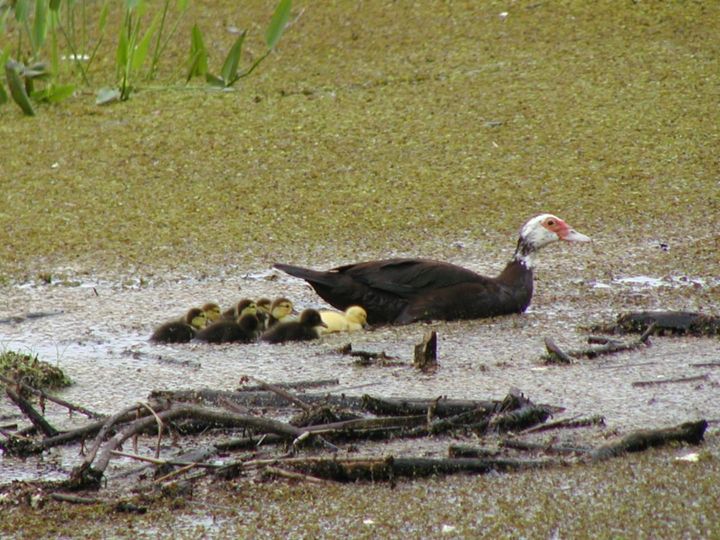
First of all, it is not healthy for them as they become dependent on people for food. The best food for ducks is what they eat naturally— algae, insects and a variety of plants which are abundant in our subtropical climate. Humans most often feed them bread and similar items. These have no nutritional value for the duck. Additionally, feeding by humans makes the ducks reliant on such hand-outs, too lazy to continue foraging for their natural dietary items and uneaten “human” food will rot quickly in warm weather.

Second, feeding ducks encourages them to use the neighborhood as their bathroom, leaving droppings on patios, sidewalks and porches. As a result, controversies frequently arise between residents who enjoy the birds and residents who consider them a nuisance. Even duck lovers have complained about the problem of duck droppings on the lawns, drive-ways, patios, and even in their swimming pools. This is not healthy for people, particularly for the children playing in these areas. Wild ducks can spread disease to humans.  When small children, the elderly and persons with immune system problems directly handle newly-hatched chicks, they may be exposed to salmonella. Muscovies can also transmit disease to wild waterfowl. All confirmed outbreaks of DVE, also known as duck plague (a sometimes-devastating viral infection) in wild waterfowl have been linked to domestic ducks. Fowl cholera is another serious disease that is transmittable between domestic and wild waterfowl. Although we have had no major outbreaks reported yet in Florida, the potential for Muscovies to spread this disease to wild waterfowl is a biological concern.

Second, feeding ducks encourages them to use the neighborhood as their bathroom, leaving droppings on patios, sidewalks, and porches. As a result, controversies frequently arise between residents who enjoy the birds and residents who consider them a nuisance.

Feeding ducks is a fun. But before you head off to your local pond, here are a few things to keep in mind:

DON’T: Feed ducks bread or junk food. Foods like bread and crackers have no nutritional value to ducks and can cause malnutrition and painful deformities if consumed too much.

DON’T: Leave uneaten food lying around. Leftover food in the water can rot and cause deadly algae blooms that affect local wildlife.

DON’T: Try to pet wild ducks. They may not appreciate your efforts!

Keep a respectful distance and remain nonthreatening, especially to ducklings who may become stressed or injured more easily.


Tags: , ,
SRI Consultants, Inc – ENGINEERING AND ARCHITECTURAL SERVICES

SRI Consultants, Inc – ENGINEERING AND ARCHITECTURAL SERVICES

  • Posted: Jan 25, 2022
  • By:
  • Comments: Comments Off on SRI Consultants, Inc – ENGINEERING AND ARCHITECTURAL SERVICES

ENGINEERING AND ARCHITECTURAL SERVICES

Here at SRI Consultants, Inc., we take pride in what we do. The extra effort and attention to detail put forth by our team ensure you receive the highest quality services available to the industry, all while saving you time and money. Coastal areas like South Florida have a unique need for concrete rehabilitation and protection services predominantly related to assessing structural damage. Our team has specialists in structural engineering, civil engineering, environmental engineering and corrosion engineering at your disposal.


We offer engineering services for projects related to single family homes, multi-story structures, condominiums, hotels and motels, cooling towers, and seawalls. All project drawings are prepared using the latest AutoCad software. SRI can also deliver projects in Revit Architectural and Revit Structural.


[one_half]
Structural Design & Analysis
Structural analysis using state-of-the-art computer analysis programs for various building code requirements – FBC, IBC, ASCE, AISC. Structure types include reinforced concrete, metal and heavy timber structures. Cooling tower supports and retrofits. Window and door replacements for high-rise buildings and store fronts.
Corrosion Engineering
Corrosion condition assessment of concrete structures using corrosion potential mapping and corrosion rate measurements. Design of corrosion mitigation systems such as Cathodic Protection and/or Prevention. Building piping corrosion remediation for cooling water systems and domestic water lines.
Civil Engineering
Site planning, drainage design, and grading
[/one_half] [one_half_last]
Environmental Engineering
Phase I and II assessments (ASTM Standard), contamination assessments, corrective action plans (CAP), contamination assessment reports (CAR), remedial action plans (RAP), and fuel tank closure assessments
Conversion of Paper Design Documents to CAD
Conversion of paper-based design documents to data-rich 3D models, improving document preservation, organization, and storage. Revit modes incorporate all disciplines in one file and allow users to view structures from many different perspectives and cross sections.
Expert Witness Services
Client support for reviewing technical documents, commenting, preparing opinion letters, and providing testimonials.
[/one_half_last]


SFPMA Members Find us on the members Directory


https://wp.me/p6Iu1B-bFr


Tags: , ,
Avoid These Mistakes After a Car Accident These tips should be avoided after an accident to maximize recovery potential: by Maus Law Firm

Avoid These Mistakes After a Car Accident These tips should be avoided after an accident to maximize recovery potential: by Maus Law Firm

  • Posted: Jan 23, 2022
  • By:
  • Comments: Comments Off on Avoid These Mistakes After a Car Accident These tips should be avoided after an accident to maximize recovery potential: by Maus Law Firm

Avoid These Mistakes After a Car Accident These tips should be avoided after an accident to maximize recovery potential


#1) Don’t Leave the Scene of the Accident.
Unless you’re injured in an auto accident and have to be removed by medical personnel, do not leave the scene! Leaving early could allow others involved in the crash to assert facts about your actions that are false.
If you leave the scene of an accident, you could be charged with a felony.
#2) Say Nothing That Sounds Like You’re Accepting Blame
“I’m sorry” comes automatically. While you may mean that you are sorry that the incident occurred, others may interpret “I am sorry” as meaning that you caused the accident. Avoid those words at all costs.
Do not say anything after the accident so your words cannot be taken out of context.
#3 ..Don’t Wait Too Long Before Contacting Your Insurance Company
You must report the accident to your insurance company within the specified time period. Make sure you do so. Just report the occurrence do not offer any opinion
#4). Don’t make official statements, sign releases, or answer questions until you’ve spoken with your accident attorney.
#5) Make No Guesses About What Happened
We naturally try to determine what caused an accident or injuries.
However, do not mention your speculations to the police, insurance companies, witnesses, or anyone else involved in the accident.
If you are wrong, you may be accused of lying. You may lose credibility.
Consult an attorney before you settle
Insurance companies want to pay as little as possible, so they won’t offer a fair valuation until you demonstrate that you understand the value of your case.
A lawyer could compare your losses with similar verdicts and settlements to determine your full compensation.


The Maus Law Firm

call 954-784-6310 to schedule a consultation.


Tags: , ,
Condo and HOA Expo: February 1st in Palm Beach, February 4th in Miami Beach and February 15th in Broward. See you there!

Condo and HOA Expo: February 1st in Palm Beach, February 4th in Miami Beach and February 15th in Broward. See you there!

  • Posted: Jan 22, 2022
  • By:
  • Comments: Comments Off on Condo and HOA Expo: February 1st in Palm Beach, February 4th in Miami Beach and February 15th in Broward. See you there!

Condo and HOA Expo’s: February 1st in Palm Beach, February 4th in Miami Beach and February 15th in Broward. See you there!


Learn From The Industry Leaders

Get the tools and information you need to manage your condo or HOA more efficiently. Regional and national experts will offer insights into the latest industry trends and best practices in legal oversight, financing, maintenance, renovations, energy efficiency, administration, communication and more. Bring your questions to these lively, informative sessions and come away with a clear blueprint for improved management for the future.


Palm Beach County Convention Center
Tuesday, February 1, 2022

For one day only, the Palm Beach Convention Center will be packed with the latest products and services as well as an array of industry experts. It’s an unparalleled opportunity to make valuable connections and speak directly with local and national experts about the topics that are relevant to you and your property.

Get legal insights, financial advice, communication tips, proactive management solutions and much more from some of the region’s top professionals. This one-day event will also give you a sneak peek at the latest design trends gracing today’s most prestigious developments, plus innovations in building and remodeling and the newest energy efficiency options.

Register to Attend


Miami Beach Condo & HOA Expo
Join Us on February 4th!

For one day only, the Miami Beach Convnetion Center will be packed with the latest products and services as well as an array of industry experts. It’s an unparalleled opportunity to make valuable connections and speak directly with local and national experts about the topics that are relevant to you and your property.

Get legal insights, financial advice, communication tips, proactive management solutions and much more for some of the region’s top professionals. Attend FREE educational seminars and CEU courses covering all of today’s essential property management topics. This one-day event will also give you a sneak peek at the latest design trends gracing today’s most prestigious developments, plus innovations in building and remodeling and the newest energy efficiency options.

Register to Attend


The Broward County Condo & HOA Expo
Join Us Tuesday, February 15, 2022!

For one day only, The Signature Grand will be packed with the latest products and services as well as an array of industry experts. It’s an unparalleled opportunity to make valuable connections and speak directly with local and national experts about the topics that are relevant to you and your property.

Get legal insights, financial advice, communication tips, proactive management solutions and much more from some of the region’s top professionals. This one-day event will also give you a sneak peek at the latest design trends gracing today’s most prestigious developments, plus innovations in building and remodeling and the newest energy efficiency options.

Register to Attend


Condo, HOA and Property Management Expo
Tampa Convention Center

Thursday, February 10th, 2022

Seminars: 9:00 am – 4:30 pm  Exhibits: 10:30 am – 3:00 pm 

Sign up for the networking and educational event of the year! Get face-time with industry experts, browse the latest products and services and learn how to save thousands on the management and maintenance of your condo or HOA.

It’s the ONLY event to bring everything you need under one convenient roof for a single, information-packed day.

Registration is FREE for community association managers, board members, board presidents, active HOA members and industry professionals. Don’t delay… register for this one-of-a-kind event today!


Naples Condo & HOA Expo & Seminars
March 25, 2022

New Hope Event Center
7675 Davis Blvd. Naples, FL 34104

Seminars 9:00 am – 4:30 pm   Exhibits 10:30 am – 3:00 pm

Sign up for the networking and educational event of the year! Get face-time with the industry experts, browse the latest products and services and learn how to save thousands of the management and maintenance of your condo or HOA.

Registration is FREE for association managers, board members. Don’t delay!


Orlando Condo HOA Property Management Expo & Seminars

Orange County Convention Center-West Bldg
Tuesday, April 12, 2022

Seminars 9:00 am – 4:30 pm  Exhibits 10:30 am-3:00 pm

Sign up for the networking and educational event of the year!
Get face-time with the industry experts, browse the latest
products and services and learn how to save thousands on the
management and maintenance of your condo or HOA.

Registration is FREE for association managers, and board members. Don’t delay!


[AdSense-A]

Tags: , ,
Repair Erosion for a Healthier Waterbody by SOLitude

Repair Erosion for a Healthier Waterbody by SOLitude

  • Posted: Jan 21, 2022
  • By:
  • Comments: Comments Off on Repair Erosion for a Healthier Waterbody by SOLitude

Repair Erosion for a Healthier Waterbody

Shoreline erosion can be detrimental to the health of your waterbody as well as the safety and value of your property.

The Many Effects of Erosion on Florida Lakes

Most communities throughout Florida utilize lakes and ponds to enhance the aesthetics of homes and golf courses, as well as support recreational opportunities such as boating and fishing for residents. The majority of these waterbodies were man-made for practical and functional purposes, such as capturing stormwater to prevent flooding or storing water to use for irrigation. Unfortunately, natural erosion of the shoreline is inevitable. It is an issue that only gets worse over time and should be addressed immediately, followed by consistent monitoring.

Effects of Shoreline Erosion in Lakes

Shoreline erosion is a serious issue for waterbodies of all sizes and uses. It can degrade shoreline property, increase the risk of flooding, interfere with recreational opportunities, and threaten aesthetic appeal. In many cases, the deep cracks and gullies that appear can expose sprinkler systems, drainage pipes, and electrical cables, leading to costly repairs. Likewise, due to the effects of erosion, lakefront homeowners may find that their property decreases in size and value over time.

When slopes become too steep, the shoreline can also become unsafe for residents, children, pets, and recreationers. Steep slopes increase the risk of someone falling into the lake and being injured. The steepness of the slope can also make it hard for someone to get out of the lake when they fall in. This can pose a significant liability for HOAsgolf coursescommercial properties, and private homeowners.

What Causes Lake Shorelines to Erode

Erosion has many natural causes:

  • Changing water levels due to seasonal rains and other weather events
  • Strong winds that cause waves to pound into banks and reduce stability over time
  • Improper drainage systems that allow stormwater runoff to cause damage, especially when the shoreline is exposed due to low lake elevation

The presence of nuisance fish and wildlife such as invasive armored catfish and otters that burrow into banks and cause them to collapse

Erosion Caused by Humans

Although these causes are natural, human activities can also increase the rate of erosion:

  • Clear-cutting of beneficial buffers composed of native vegetation removes the natural erosion protection provided by complex root systems that hold soil in place
  • Gardening and lawn care can cause excess fertilizer and pesticides to enter a waterbody, disrupting its natural health and balance
  • When too much land is covered by pavement or asphalt, these hard surfaces can accelerate the stormwater that enters a lake or pond, rather than allowing natural absorption into the soil


How Lake Shoreline Erosion Can Be Prevented

Despite the best efforts of HOAs, golf course superintendents, and municipalities, all waterbodies will experience erosion to some degree. However, there are many strategies to control or mitigate erosion.


Native Plants

Planting deep-rooted grasses and flowering vegetation will help retain, hold and stabilize the soil. This ground cover also helps to deter nuisance and invasive species from entering the aquatic ecosystem. It is imperative to use native plants rather than exotic species that are known to damage the habitat that nurtures beneficial fish, birds, and other wildlife.

Bioengineered Shoreline Control

Bioengineered erosion control technology is an excellent tool to restore shorelines and mitigate future erosion. Knitted ShoreSOX® and DredgeSOX® repurpose eroded muck by anchoring it to the shoreline for lasting stability. SOX solutions integrate naturally into the landscape and can be planted directly with vegetation for further erosion protection.

Riprap and Root Trap

With riprap, rocks are placed over a filter blanket to keep the soil in place. Similar to riprap, root trap is achieved by covering the rocks with topsoil and installing native, deep-rooted plants that contain the sediment in place as they grow.

Bulkheads and Retaining Walls

Bulkheads and retaining walls can be effective at controlling the effects of erosion; however, if not installed correctly, they run the risk of falling into the water or eroding from underneath and becoming unsafe.

Erosion Control Blankets

Coir logs or fiber roll material can be installed to slow down the movement of the water or create a “pooling” effect that allows sediment to filter out. They can be made of natural or synthetic fibers or a blend of straw, coconut fiber, or polypropylene (plastic).

Contact Us to Protect Your Shoreline Against Erosion

Call us at 866-781-8904 or complete the form below to get connected with an aquatic management expert.


[AdSense-A]

Tags: , ,
Security Tips for Managing the Association’s Bank Accounts Online  By: Sara K. Wilson, Esq. / Becker

Security Tips for Managing the Association’s Bank Accounts Online By: Sara K. Wilson, Esq. / Becker

  • Posted: Jan 14, 2022
  • By:
  • Comments: Comments Off on Security Tips for Managing the Association’s Bank Accounts Online By: Sara K. Wilson, Esq. / Becker

Security Tips for Managing the Association’s Bank Accounts Online

By: Sara K. Wilson, Esq.  Becker

Increasing numbers of people and small businesses, including community associations, have switched to managing their bank accounts exclusively over the internet.  Not surprisingly, these numbers surged even higher during the pandemic.  While online banking has become common place, so have incidents of cybercrime and fraud.  Banks of course use a variety of security measures to protect their customers’ accounts, but there are also steps that you as the customer should take to minimize risk.

  1. Verify that your bank is using the latest security technology in step with banking industry standards.
  2. Have a dedicated computer for conducting the association’s online banking, and make sure that computer stays current with anti-virus protection and updates. If the dedicated computer is a laptop, never conduct online banking in public spaces or use public Wi-Fi.
  3. Choose passwords that are complex by using a combination of letters, numbers, and symbols, and institute a policy for changing passwords on a regular basis. Limit the number of people who know the password to only those who are managing the accounts.  Passwords should not be recorded on personal computers or mobile devices or accessible to other owners, family members, guests, etc.  Avoid automatic logins to prevent unauthorized persons from easily accessing the association’s accounts.
  4. Be on high alert for phishing scams. Phishing is a technique that cyber-criminals use to gain sensitive information, like bank account numbers and passwords, through fraudulent emails and texts.  Your bank will never ask for your password via email or text; so if you receive such an email or text, delete it. Also beware of any email requesting that you “update your account,” or of any email warning of dire consequences if you do not act immediately.  If you are not sure whether the email came from your bank, contact your banking institution to verify whether they sent the email.  Because phishing scams are so prevalent, it is important to provide information about phishing to anyone who will be managing the association’s accounts online so they know what to look for.
  5. Reconcile your bank accounts on a regular basis – ideally daily – to avoid an irregularity going unnoticed. Inquire whether your bank sends alerts for transactions over a certain amount or if your account drops below a certain amount for added protection.

These are just a few of the steps an association can take to decrease risks when managing its bank accounts online. Because a community association has a fiduciary responsibility to its members, it is imperative that it takes the necessary steps to minimize potential cyber threats to its bank accounts. While there is no guarantee that even a well-protected system won’t be hacked, by adopting and following online banking security policies, an association greatly lessens its chances of being an easy target for a potentially devastating cybercrime.

Sara K. Wilson

Tags: