How to Manage Littoral Zones in Florida by SOLitude
How to Manage Littoral Zones in Florida
Littoral Zones in Florida Waterbodies
Florida is famous for its beautiful wetlands, but these natural treasures are threatened by hundreds of different factors, from the composition of bottom sediments to features in the surrounding landscape. The space where these environments meet provides valuable insight about the health and diversity of an aquatic ecosystem. This unique area is called the littoral zone.
What Is a Littoral Zone?
The littoral zone is the down-sloping shelf of a pond or lake. This is the area that stretches from the high-water mark to the shore and into the area where sunlight penetrates through to the sediments at the bottom of a waterbody. Although the exact definition of littoral zone can change depending on the waterbody, it is generally considered the shallow area close to the shore in both saltwater and freshwater environments.
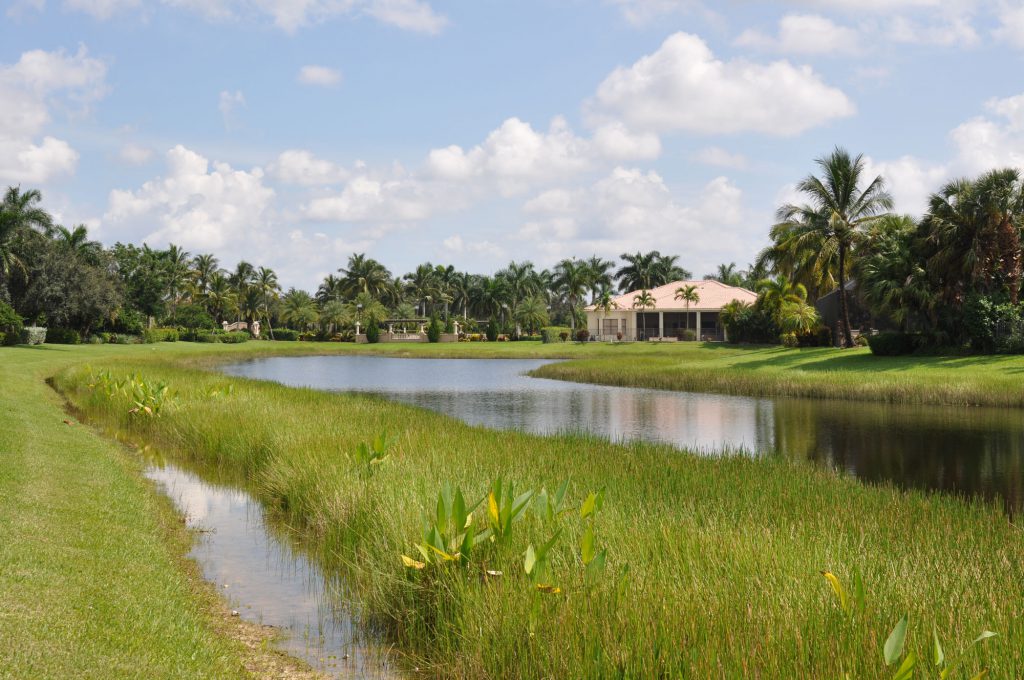
When healthy, the littoral zone looks like a miniature wetland. The beneficial plants that grow here often feature purple, white, yellow, or blue flowers that usually bloom all year long in Florida’s climates. These plants may include Golden Canna, Pickerelweed, Southern Blue Flag Iris, Fragrant Water Lily, and Florida Swamp-Lily.
Importance of a Littoral Zone
The littoral zone or littoral shelf supports a large number of native plants and aquatic life. Because Florida’s aquatic species are so diverse, some plants can survive partially or completely submerged while others do just fine floating on the water’s surface. Waterbodies that support a wide variety of native plant species tend to provide more nutrients to the native wildlife that are key to maintaining cover and habitat. In addition to supplying food to ponds and lake fish, local plants help maintain balanced levels of oxygen and other key elements.
Benefits of a Littoral Zone
In addition to protecting the health of lakes or ponds, the littoral zone can enhance the aesthetic appeal of any Florida waterbody. When filled with thriving plants and wildlife, a well-tended littoral zone adds value to the shoreline and even the surrounding property.
A littoral zone helps improve water quality by fostering beneficial species that consume the excess nutrients that contribute to nuisance algae and invasive aquatic weed growth. Additionally, when located near a flow structure, the littoral shelf helps filter out the minerals and nutrients in water before it leaves the lake or pond. This improved water quality has the added benefit of keeping mosquitos at bay and reducing foul odors exuding from the water.
Littoral shelves also help maintain the shoreline and prevent erosion. The native plant roots hold the soil and make the banks more stable and durable, which in turn helps reduce the need for extensive restoration or dredging projects in the future.
Littoral Zone Maintenance
Because the littoral zone transitions from dry land to the aquatic environment, it responds to natural and human influences and activities in the land ecosystem as well as the aquatic one. And because it is important for many industrial and recreational purposes, the littoral shelf is often drastically affected by human activities that amplify algal and weed growth, nutrient loading, overgrowth of invasive species as well as cause acidification and fluctuations in the water level. This underscores the importance of the littoral zone and littoral shelf maintenance for the health of lakes and ponds.
Establish A SOL Pro Plan for A Balanced, Healthy Waterbody
When properly established and managed, the littoral zone is less likely to require herbicide or algaecide applications. Recurring proactive management strategies such as nutrient remediation, biological bacteria applications, water quality testing, aeration, Oxygen Saturation Technology (OST), and other sustainable solutions can have a lasting positive impact in Florida’s delicate aquatic environments. A SOL Pro Annual Management program will help any property owner prolong the balance and beauty of their lake or pond’s littoral zone.
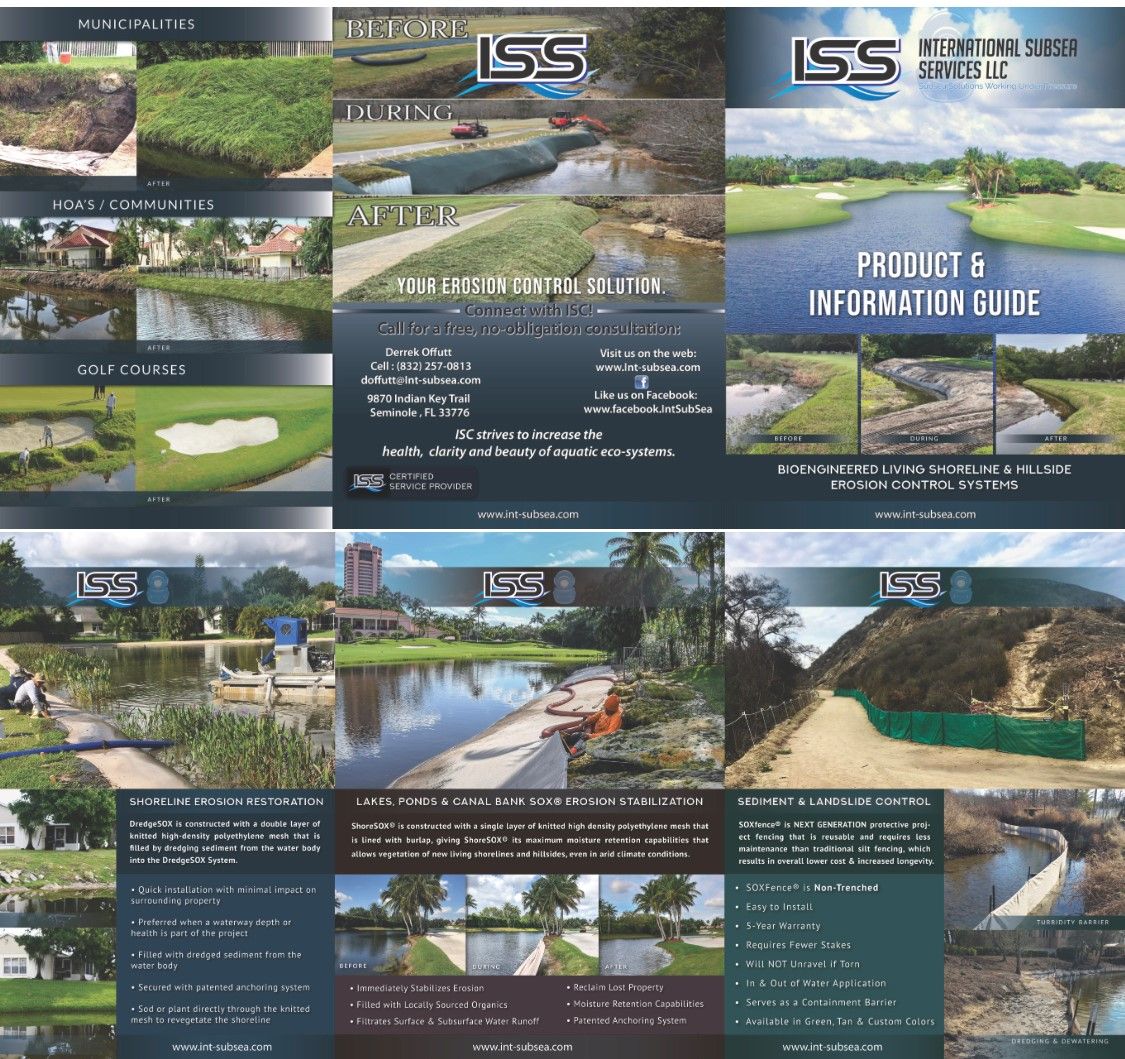
 We will do everything we can to meet your expectations with a variety of offerings to choose from, we’re sure you’ll be happy working with us. I am currently an independent contractor and have been in the commercial offshore industry for the past 14 years. I have worked as a Project Manager that produces results for a wide variety of clientele. The base of my experience is in Diving/ ROV operations/ subsea installations and construction projects worldwide. I have performed a variety of jobs such as offshore oil rig subsea operations and completions, flow line jumper, measurement and construction of flexible and rigid jumper pipeline, seabed and rig surveys, onsite intervention projects of various natures in remote locations, First subsea pipeline repair done exclusively with ROV and intervention tooling. ROV intervention SIT’s and FAT’s for a wide variety of equipment including ROV access and tooling interface. We look forward to working with you and joining you Project management team.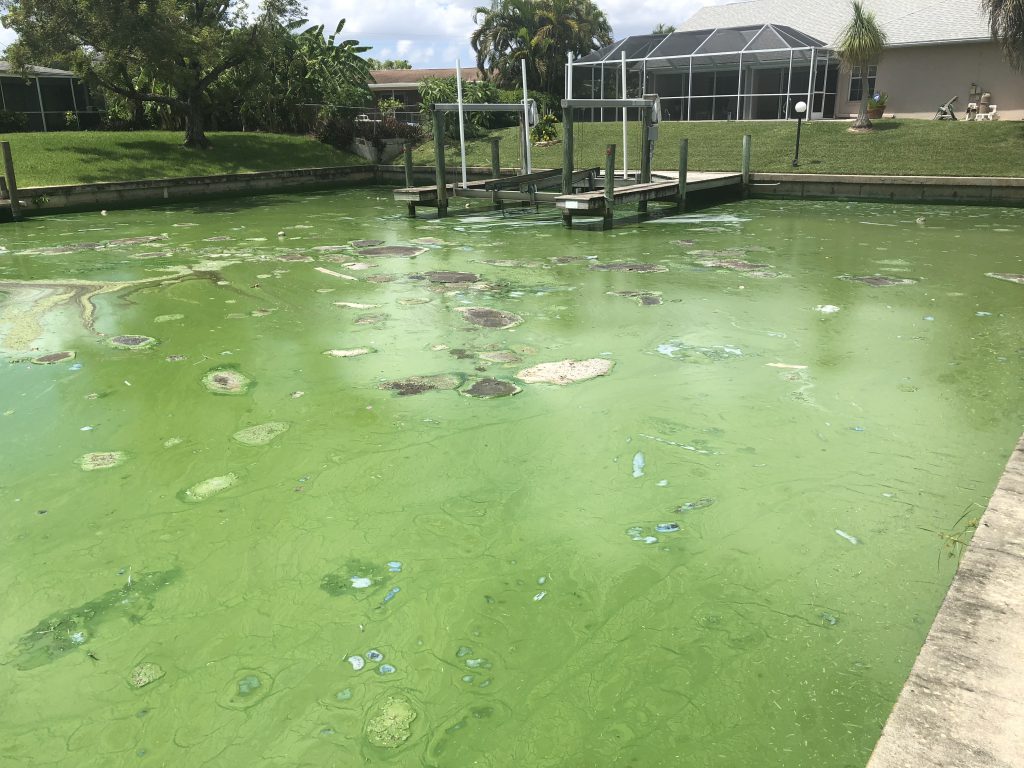

 The “What” and “Why” behind the changes BuildingLink is making.



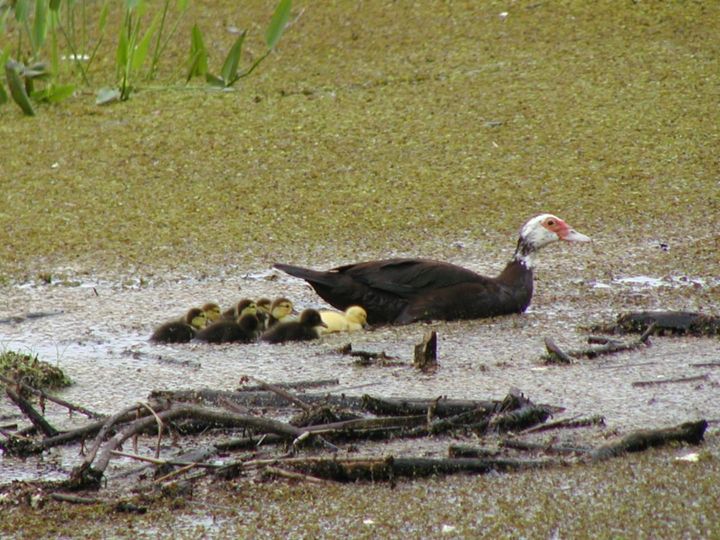
 First of all, it is not healthy for them as they become dependent on people for food. The best food for ducks is what they eat naturally— algae, insects and a variety of plants which are abundant in our subtropical climate. Humans most often feed them bread and similar items. These have no nutritional value for the duck. Additionally, feeding by humans makes the ducks reliant on such hand-outs, too lazy to continue foraging for their natural dietary items and uneaten “human” food will rot quickly in warm weather.