SFPMA

SFPMA Industry Articles | news, legal updates, events & education! 

Find Blog Articles for Florida’s Condo, HOA and the Management Industry. 

What Are the Duties of Condominium Boards?

What Are the Duties of Condominium Boards?

What Are the Duties of Condominium Boards?

Condominium boards have complete management responsibility for their community. Even if they outsource some duties to a professional management company, boards still retain these responsibilities. Since individual homeowners, who may not be well-versed in real estate management and legal issues, serve on these boards, all members should understand their duties and responsibilities. Condominium boards should also retain experienced legal counsel and/or accountants to be information resources and advisers.

Condominium Association Bylaws

Board members must become intimately familiar with their condominium association bylaws. Management of all condominiums is governed by the association bylaws. Board members must understand all items addressed in the bylaws, often called the “condo docs.” Further, boards must learn all state statutes that relate to bylaw subjects and strictly follow the letter of state laws to avoid legal problems.

Common Areas and Building Exteriors

The condominium association board must maintain–and keep in good repair–all common areas and building exteriors. Common areas are those used by all unit owners who have deeded title to small percentages of these areas. These areas include building lobbies, open land or parks, tennis courts, pools and other amenities available to all residents. Whether a high-rise style, townhouses or cluster housing, building exteriors require maintenance and repair, particularly the siding and roofs.

Condominium Association Budget

Creating and managing the association budget is a critical duty for condominium boards. The most common reason for condominium problems is mismanagement or misuse of the budget. Association boards without an experienced accountant as a member should consider getting advice from an outside CPA to ensure that their budget is reasonable and complete. Condominium budgets should be built like those of nonprofit corporations. By estimating expenses, including insurance, landscaping, trash removal and similar operating costs for the coming year, the association board determines the amount of monthly individual homeowner assessments, commonly called “condo fees.”

Maintenance and Repair Reserves

Along with operating expenses, the association must carefully consider the funds needed as “reserves” for maintenance and repair. As part of the budgetary process, establishing realistic reserves is often overlooked by association boards, sometimes with dire consequences. For example, picture a 48-unit high-rise condominium, with each unit having a suspended wooden deck for relaxing and entertaining. Decks need periodic staining and water protection applications. Further, on older condominium projects, deck replacement would be needed at some point. Neglecting to build reserves into the annual budget for deck maintenance and replacement could result in “special homeowner assessments” of thousands of dollars. Condominium boards must diligently add these to annual budgets to build up cash to make these repairs.

Collecting Assessments

Monthly homeowner assessments–condo fees–must be collected by condominium boards. While most condominium bylaws permit boards to place liens on individual units for unpaid condo fees, liens do not equal money. Unit owners may not refinance or sell their homes for many years, leaving the condominium association short of funds to meet budget and reserve demands. Boards have a duty to establish an effective collection policy, much like a bank, to ensure consistent monthly cash flow into the association account to meet operating expenses.

Fiduciary Duty

Condominium associations must fulfill their fiduciary responsibility to manage the project in a businesslike and conservative manner. Depending on the size of the condominium project, association boards may manage many dollars and complex business issues. Fiduciary duty is typically measured by evaluating the actions of individuals or groups that “reasonably prudent” persons would take. For example, neglecting to collect condo fees, putting sufficient reserves in the budget or not completing necessary repairs is a breach of fiduciary responsibility. Condominium boards usually have individual and collective fiduciary responsibility and could be subject to serious lawsuits from unit owners for failing to act prudently.


Tags: , , ,
Florida Condo & HOA Expos – COME MEET HUNDRED’S of CONDOMINIUM AND HOA VENDORS AND TAKE CONDO AND HOA EDUCATIONAL CLASSES AND SEMINARS ALL DAY LONG

Florida Condo & HOA Expos – COME MEET HUNDRED’S of CONDOMINIUM AND HOA VENDORS AND TAKE CONDO AND HOA EDUCATIONAL CLASSES AND SEMINARS ALL DAY LONG

Condo HOA Expos Florida Dates – You Will Safely Find – Top Companies working together in our Industry!
Sign up for the Safe Networking and Educational Events!

COME MEET HUNDRED’S of CONDOMINIUM AND HOA VENDORS AND TAKE CONDO AND HOA EDUCATIONAL CLASSES AND SEMINARS ALL DAY LONG


BROWARD COUNTY CONDO & HOA EXPO


AT THE SIGNATURE GRAND IN BROWARD
6900 W State RD 84
Davie, FL 33317

Tuesday, February 7, 2023

Seminars: 8:30 am – 5:00 pm
Exhibits: 10:30 am – 3:00 pm

REGISTER HERE


PALM BEACH CONDO & HOA EXPO

Palm Beach County Convention Center
650 Okeechobee Boulevard
West Palm Beach, FL 33401

Tuesday, February 22, 2023

9am – 4:45pm

REGISTER HERE


TAMPA BAY CONDO HOA EXPO


AT THE TAMPA CONVENTION CENTER
333 S. Franklin Street
Tampa, FL 33602

FEBRUARY 28TH, 2023

Seminars: 8:30 am – 5 pm
Exhibits: 10:30 am – 3:00 pm 


Find and share this with others,

Condo HOA Expos Florida Dates – You Will Safely Find – Top Companies working together in our Industry! Sign up for the Safe Networking and Educational Events!

New Florida laws take effect in January, including from recent special session / SFPMA

New Florida laws take effect in January, including from recent special session / SFPMA

New Florida laws take effect in January.

TALLAHASSEE, Fla. (WFLA) — The new year means a few new Florida laws will go into effect, after passage during the 2022 legislative session, as well as the bills passed in December’s special session.

Eight new laws go into effect on Jan. 1, 2023. Among the various bills’ effects, Floridians can expect changes to newborn healthcare, public notices, and ways to file taxes in 2023.

Arguably the least controversial is a bill that requires newborns to be tested for congenital cytomegalovirus within three weeks of birth. CMV is the most common infectious cause of birth defects in the United States.

The virus affects one in every 200 babies each year. Senate Bill 292, passed with widespread support in the March 2022 legislative session, aims to catch long term health problems that cmv causes like hearing and vision loss.

Also taking effect in January is a bill allowing local government agencies the option to publish legal notices on a publicly accessible website instead of in a print newspaper.

House Bill 7049 also takes effect Jan. 1, 2023, but hasn’t seen the uniform support that the newborn screening bill did. Lawmakers weighed in on the impacts.

“This is the most available legal notices will be for people in the history of Florida,” Sen. Jason Brodeur (R-Lake Mary).

However, former Sen. Gary Farmer (D-Broward), the former Senate minority leader, argued against the bill.

“The bottom line is the underlying intent of bills like this throughout the country are to weaken news outlets and close the vice grip of corporate control over the news,” Farmer said.

Another piece of legislation, Senate Bill 2514 allows more taxpayers to file taxes electronically by authorizing the Florida Department of Revenue to lower the payment threshold from $20,000 to $5,000.

Those were just a few of the laws going into effect next year. Also starting in January are the bills passed during the December special session of the legislature focused on property insurancetoll relief, and Hurricane disaster recovery.


2022 Laws Already in Effect:

ADVERTISING
  • HJR 1: Additional Homestead Property Tax Exemption for Specified Critical Public Service Workforce
  • SB 58: Relief of Yeilyn Quiroz Otero by Miami-Dade County
  • SB 70: Relief of Donna Catalano by the Department of Agriculture and Consumer Services
  • SB 74: Relief of Harry Augustin Shumow/Public Health Trust of Miami-Dade County, d/b/a Jackson Memorial Hospital
  • SB 80: Relief of Christeia Jones/Department of Highway Safety and Motor Vehicles
  • SB 96: Emergency Preparedness and Response Fund
  • SB 98: Emergency Preparedness and Response Fund
  • SB 156: Loss Run Statements
  • HB 159: Pub. Rec./Lottery Winners
  • SB 282: Mental Health and Substance Use Disorders
  • SB 288: Electronic Dissemination of Commercial Recordings and Audiovisual Works
  • SB 350: Procedures for Petitions for Utility Rate Relief
  • HB 395: “Victims of Communism Day”
  • HB 397: Court Fiscal Administration
  • SB 364: Specialty License Plates
  • SB 430: Interstate Compact on Educational Opportunity for Military Children
  • SB 434: Florida Tourism Marketing
  • SB 438: United States Space Force
  • HB 455: Rupert J Smith Law Library, St. Lucie County
  • HB 457: St. Lucie County
  • HB 461: Florida Bright Futures Scholarship Program Student Service Requirements
  • HB 471: Town of Lake Clarke Shores, Palm Beach County
  • SB 494: Fish and Wildlife Conservation Commission
  • HB 513: Comprehensive Review Study of the Central and Southern Florida Project
  • SB 514: Substitution of Work Experience for Postsecondary Educational Requirements
  • SB 518: Private Property Rights to Prune, Trim, and Remove Trees
  • SB 520: Public Records and Public Meetings
  • SB 524: Election Administration
  • SB 534: Prescription Drugs Used in the Treatment of Schizophrenia for Medicaid Recipients
  • HB 535: Barefoot Bay Recreation District, Brevard County
  • HB 539: Nursing Home Financial Reporting
  • SB 542: Evidentiary Standards for Actions Arising During an Emergency
  • HB 543: Uterine Fibroid Research and Education
  • SB 544: Drug-related Overdose Prevention
  • SB 566: Mental Health Professional Licensure
  • SB 638: Early Childhood Music Education Incentive Pilot Program
  • SB 704: Substance Abuse Service Providers
  • HB 749: Fraud Prevention
  • SB 846: Florida Statutes
  • SB 848: Florida Statutes
  • SB 850: Florida Statutes
  • SB 852: Florida Statutes
  • HB 873: Pub. Rec./Execution Information
  • HB 893: Child Welfare Placements
  • HB 895: Lakewood Ranch Stewardship District, Manatee and Sarasota Counties
  • HB 925: Benchmark Replacements for London Interbank Offered Rate
  • SB 926: Licensure Examinations for Dental Practitioners
  • HB 927: Downtown Crystal River Entertainment District, Citrus County
  • HB 929: City of West Palm Beach, Palm Beach County
  • SB 934: Public Records/Homelessness Counts and Information Systems
  • SB 962: Residential Development Projects for Affordable Housing
  • SB 968: Individual Retirement Accounts
  • SB 988: In-person Visitation
  • HB 993: Sebring Airport Authority, Highlands County
  • HB 1045: West Villages Improvement District, Sarasota County
  • SB 1046: Public Records/Law Enforcement Geolocation Information
  • HB 1047: Cedar Hammock Fire Control District, Manatee County
  • SB 1048: Student Assessments
  • HB 1057: Evidence of Vendor Financial Stability
  • SB 1058: Property Insurer Reimbursements
  • SB 1062: Service of Process
  • SB 1078: Soil and Water Conservation Districts
  • HB 1103: North River Ranch Improvement Stewardship District, Manatee County
  • HB 1105: Lake County Water District, Lake County
  • HB 1107: City of Inverness, Citrus County
  • HB 1135: Santa Rosa County
  • HB 1189: Firefighters’ Relief and Pension Fund of the City of Pensacola, Escambia County
  • SB 1222: Acute and Post-acute Hospital Care at Home
  • HB 1231: East Lake Tarpon Community, Pinellas County
  • SB 1239: Nursing Homes
  • SB 1380: Real Property Rights
  • HB 1423: City of Edgewood, Orange County
  • HB 1427: Hillsborough County Aviation Authority
  • HB 1429: City of Ocala, Marion County
  • HB 1431: City of Apopka, Orange County
  • HB 1433: Orange County
  • HB 1435: Code and Traffic Enforcement
  • HB 1475: Cleanup of Perfluoroalkyl and Polyfluoroalkyl Substances
  • HB 1495: Immokalee Water and Sewer District, Collier County
  • HB 1497: City of Jacksonville, Duval County
  • HB 1499: City of Key West, Monroe County
  • HB 1563: Homestead Property Tax Exemptions for Classroom Teachers, Law Enforcement Officers, Firefighters, Emergency Medical Technicians, Paramedics, Child Welfare Professionals, and Servicemembers
  • HB 1581: Jackson County Sheriff’s Office
  • HB 1583: Emerald Coast Utilities Authority, Escambia County
  • HB 1591: Hernando County
  • SB 1614: Public Records/Motor Vehicle Crashes/Traffic Citations
  • SB 1658: Executive Appointments
  • SB 1808: Immigration Enforcement
  • SB 2516: Office of the Judges of Compensation Claims
  • HB 6513: Relief/Kareem Hawari/Osceola County School Board
  • SB 7014: Civil Liability for Damages Relating to COVID-19
  • HB 7027: The Judicial Branch

Taking Effect in July:

  • HB 3: Law Enforcement
  • HB 5: Reducing Fetal and Infant Mortality
  • HB 7: Individual Freedom
  • HB 31: Firefighter Inquiries and Investigations
  • HB 45: Educational Opportunities for Disabled Veterans
  • HB 105: Regulation of Smoking By Counties and Municipalities
  • SB 144: Identification Cards
  • SB 160: Transportation-related Facility Designations
  • HB 173: Care of Students with Epilepsy or Seizure Disorders
  • HB 195: Juvenile Diversion Program Expunction
  • SB 196: Florida Housing Finance Corporation
  • HB 197: Pub. Rec./Nonjudicial Arrest Record of a Minor
  • SB 222: Swimming Pool Specialty Contracting Services
  • SB 224: Regulation of Smoking in Public Places
  • HB 225: Charter School Charters
  • SB 226: Care for Retired Police Dogs
  • SB 235: Restraint of Students with Disabilities in Public Schools
  • SB 236: Children with Developmental Delays
  • SB 254: Religious Institutions
  • HB 255: Private Instructional Personnel Providing Applied Behavior Analysis Services
  • SB 266: Motor Vehicle Insurance
  • SB 282: Mental Health and Substance Use Disorders
  • SB 288: Electronic Dissemination of Commercial Recordings and Audiovisual Works
  • SB 312: Telehealth
  • SB 350: Procedures for Petitions for Utility Rate Relief
  • SB 352: Construction Liens
  • HB 357: Pharmacies and Pharmacy Benefit Managers
  • HB 375: Structural Engineering Recognition Program for Professional Engineers
  • HB 381: Breach of Bond Costs
  • HB 397: Court Fiscal Administration
  • SB 418: Assistive Technology Advisory Council
  • HB 423: Building Regulation
  • SB 442: Powers of Land Authorities
  • HB 453: Officer and Firefighter Physical Examination Requirements and Records
  • SB 454: Florida Commission on Offender Review
  • HB 469: Patient Care in Health Care Facilities
  • SB 474: Recreational Off-highway Vehicles
  • HB 481: Temporary Underground Power Panels
  • HB 459: Step-therapy Protocols
  • HB 469: Patient Care in Health Care Facilities
  • SB 514: Substitution of Work Experience for Postsecondary Education Requirements
  • SB 518: Private Property Rights to Prune, Trim, and Remove Trees
  • SB 534: Prescription Drugs Used in the Treatment of Schizophrenia for Medicaid Recipients
  • HB 539: Nursing Home Financial Reporting
  • SB 542 Evidentiary Standards for Actions Arising During an Emergency
  • HB 543: Uterine Fibroid Research and Education
  • SB 544: Drug-related Overdose Prevention
  • SB 562: Military Occupational Licensure
  • HB 593: Telecommunicator Cardiopulmonary Resuscitation
  • SB 596: Criminal Conflict and Civil Regional Counsels
  • SB 598: Public Records/Criminal Conflict and Civil Regional Counsel Office
  • SB 606: Boating Safety
  • HB 615: Human Trafficking
  • HB 631: Airport Funding
  • SB 632: Occupational Therapy
  • SB 634: Judicial Notice
  • HB 689: Workers’ Compensation Benefits for Posttraumatic Stress Disorder
  • SB 706: School Concurrency
  • SB 722: Education for Student Inmates
  • SB 752: Probationary or Supervision Services for Misdemeanor Offenders
  • SB 758: Education
  • SB 768: Department of Health
  • SB 806: Alzheimer’s Disease and Related Forms of Dementia Education and Public Awareness
  • HB 817: Emergency Medical Care and Treatment to Minors Without Parental Consent
  • HB 837: Hurricane Loss Mitigation Program
  • SB 838: Fire Investigators
  • SB 854: Florida Statutes
  • HB 855: Managed Care Plan Performance
  • SB 856: Private Provider Inspections of Onsite Sewage Treatment and Disposal Systems
  • SB 882: Inventories of Critical Wetlands
  • SB 896: Educator Certification Pathways for Veterans
  • SB 898: Lodging Standards
  • HB 899: Mental Health of Students
  • HB 909: Pollution Control Standards and Liability
  • SB 914: Department of Highway Safety and Motor Vehicles
  • HB 915: Commercial Motor Vehicle Registration
  • HB 921: Campaign Financing
  • HB 959: Department of Financial Services
  • HB 963: Funding for Sheriffs
  • HB 965: Environmental Management
  • HB 967: Golf Course Best Management Practices Certification
  • SB 1000: Nutrient Application Rates
  • SB 1006: State Symbols
  • SB 1012: Victims of Crimes
  • HB 1023: Insolvent Insurers
  • SB 1038: Florida Seaport Transportation and economic Development Council
  • SB 1048: Student Assessments
  • SB 1054: Financial Literacy Instruction in Public Schools
  • HB 1097: Florida Citrus
  • HB 1099: Living Organ Donors in Insurance Policies
  • SB 1110: Grease Waste Removal and Disposal
  • HB 1119: Grandparent Visitation Rights
  • SB 1140: Alarm Systems
  • SB 1186: Agritourism
  • SB 1190: Two-way Radio Communication Enhancement Systems
  • HB 1209: Administration of Vaccines
  • SB 1222: Acute and Post-acute Hospital Care at Home
  • SB 1236: County and Municipal Detention Facilities
  • SB 1244: Statutes of Limitation for Offenses Relating to Sexual Performance by a Child
  • SB 1246: County and Municipal Detention Facilities
  • HB 1249: Treatment of Defendants Adjudicated Incompetent to Stand Trial
  • SB 1262: Mental Health and Substance Abuse
  • SB 1304: Public Records/Trust Proceedings
  • HB 1349: Guardianship Data Transparency
  • SB 1360: Governor’s Medal of Freedom
  • SB 1368: Trusts
  • SB 1374: Clinical Laboratory Testing
  • HB 1411: Floating Solar Facilities
  • HB 1421: School Safety
  • SB 1432: Vessel Anchoring
  • HB 1445: OGSR/Dependent Eligibility Information/DMS, contingent upon SB 7026
  • HB 1467: K-12 Education
  • HB 1469: Transportation Facility Designations
  • SB 1474: Online Training for Private Security Officers
  • SB 1502: Estates and Trusts
  • SB 1526: Public Records/Annuity Contract Payees
  • SB 1552: Direct-support Organization for the Florida Prepaid College Board
  • HB 1557: Parental Rights in Education
  • HB 1577: Homeless Youth
  • SB 1680: Financial Institutions
  • SB 1712: Veteran Suicide Prevention Training Pilot Program
  • SB 1764: Municipal Solid Waste-to-Energy Program
  • SB 1770: Donor Human Milk Bank Services
  • SB 1844: Mental Health and Substance Abuse
  • SB 1950: Statewide Medicaid Managed Care Program
  • SB 2510: Florida Gaming Control Commission
  • SB 2518: Information Technology
  • SB 2524: Education
  • SB 2526: Health
  • SB 2530: Motor Vehicle Title Fees
  • HB 5001: General Appropriations Act
  • HB 5003: Implementing the 2022-2023 General Appropriations Act
  • HB 5005: Collective Bargaining
  • HB 5007: State-administered Retirement Systems
  • HB 5009: State Group Insurance Program
  • HB 5301: Capitol Complex
  • SB 7026: OGSR/Dependent Eligibility Verification Services
  • HB 7029: Time Limitations for Preadjudicatory Juvenile Detention Care
  • SB 7034: Child Welfare
  • SB 7036: Lifeline Telecommunications Service
  • SB 7044: Postsecondary Education
  • HB 7053: Statewide Flooding and Sea Level Rise Resilience
  • HB 7055: Cybersecurity
  • HB 7057: Pub. Rec. and Meetings/Cybersecurity, contingent upon HB 7055
  • HB 7065: Child Welfare
  • HB 7071: Taxation

Laws Taking Effect in 2023

  • HB 273: Money Services Businesses, takes effect Jan. 1, 2023
  • SB 292: Newborn Screenings, takes effect Jan. 1, 2023
  • SB 336: Uniform Commercial Code, takes effect Jan. 1, 2023
  • SB 754: Mobile Home Registration Periods, takes effect Sept. 1, 2023
  • HB 7049: Legal Notices, takes effect Jan. 1, 2023


It’s too easy to steal from vulnerable Florida homeowners. Lawmakers can fix HOA laws  Read more at: https://www.miamiherald.com/opinion/op-ed/article269211377.html#storylink=cpy

It’s too easy to steal from vulnerable Florida homeowners. Lawmakers can fix HOA laws Read more at: https://www.miamiherald.com/opinion/op-ed/article269211377.html#storylink=cpy

The recent arrests of Hammocks Community Association members have cast a long-overdue light on the plight of helpless homeowners when the directors of a homeowners association (HOA) go deliberately wrong.

The Florida Legislature specifically designed the state’s HOA law to limit government’s ability to regulate HOAs, explaining, “It is not in the best interest of homeowners’ associations or the individual association members thereof to create or impose a bureau or other agency of state government to regulate the affairs of homeowners’ associations.”

While this may be a virtuous conceptual approach, it has created the unintended consequence of leaving homeowners with little, if any, protection or opportunity of redress when HOA board members raid association bank accounts. In this criminal case, we believe the evidence can prove the theft of well over $1 million of homeowners’ monies. But we think the actual loss is much higher.

Sadly, we have seen instances of greedy or unscrupulous board members take advantage of this lack of oversight before. They often hide their misconduct by making it extraordinarily difficult and expensive for homeowners to effectively access and examine any records. Ironically, homeowners typically are stuck paying exorbitant legal fees for accessing information to which they should be entitled. Current law renders the only Florida agency with the slightest regulatory authority, the Department of Business and Professional Regulation (DBPR), impotent to provide the oversight that HOA residents deserve. The law also makes it unnecessarily burdensome for law-enforcement officers to obtain evidence of wrongdoing.

In 2016, I brought similar problems regarding condominium oversight and financial records accessibility to the attention of our grand jury. Their detailed report included a number of recommendations to alleviate the problem. While condominiums are not HOAs, the problems of records accessibility and financial mismanagement are surprisingly similar.

Homeowners in HOAs should be protected. Based on experiences learned during our criminal investigation, the Florida Legislature can take several steps that would go far to help vulnerable homeowners throughout Miami-Dade County, and all of Florida, without creating the government overreach the lawmakers rightfully wished to avoid:

▪ Amend the HOA law to include the same minimal protections given to condominium owners.

▪ Amend the HOA and condominium laws to provide criminal penalties for the destruction of association records or the failure to provide records upon lawful request.

▪ Amend both statutes to include criminal penalties for election fraud.

▪ Amend the law to allow DBPR to oversee HOAs and condominiums more effectively. At a minimum, the Legislature should authorize DBPR to inspect records and to personally fine board members for failing to comply with the law or provide reports to members in a timely manner.

▪ Expand the Florida condominium ombudsman’s ability to oversee condominiums and allow the ombudsman to review HOA complaints.

I was gratified to see the Miami Herald’s Editorial Board recognize some of the challenges we face during our ongoing criminal prosecution and continued investigation into the Hammocks Community Association and the clear need for focused change in the oversight of Florida’s thousands of HOAs.

As always, I would welcome the opportunity to work closely with any of our legislators who want to address the homeowners victimized by one of Florida’s largest HOAs. This issue is far too important to ignore.
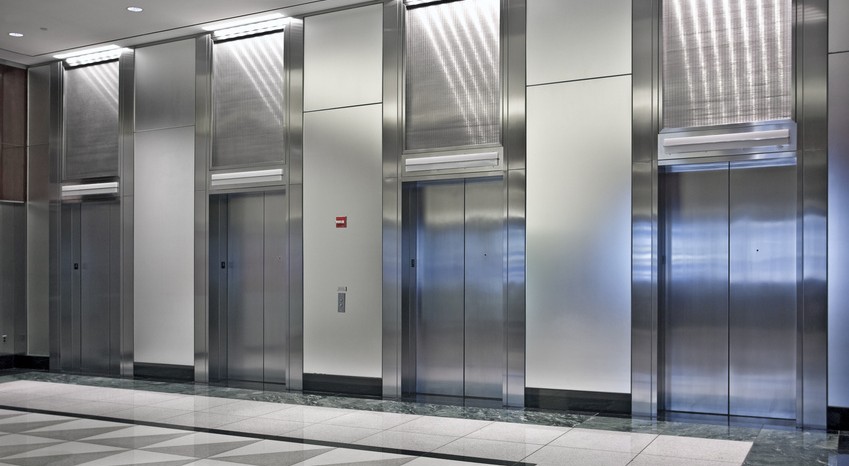

 

The State of Florida has issued a recent update to the State of Florida Elevator Code that requires that all existing elevators must be in compliance

The State of Florida has issued a recent update to the State of Florida Elevator Code that requires that all existing elevators must be in compliance

Attention Florida Property Managers & Building Owners:

The State of Florida has issued a recent update to the State of Florida Elevator Code that requires that all existing elevators must be in compliance with part 3.10.12 of ASME A17.3-2015, Safety Code for Existing Elevators and Escalators.


A17.3-2015 Contains the Retroactive Requirement 3.10.12 System to Monitor and Prevent Automatic Operation of the Elevator with Faulty Door Contact Circuits. All conveyances licensed by the State of Florida Bureau of Elevator Safety, including those located within the 5 contracted jurisdictions (Broward, Miami-Dade, City of Miami, City of Miami Beach, Reedy Creek Development District) must be in compliance with the above Code by December 31, 2023. This system is referred to as Door Lock Monitoring.

By December 31, 2023 ALL Existing Elevator Must Have Been:

·         For Elevators Installed Prior to A17.1 2000 (MOST ELEVATORS)

Equipped with a New Hardware and Software Upgrade and Inspected by a Licensed Elevator Contractor.


·         For Elevators Installed Under A17.1 2000 or Newer

Inspected by a Licensed Elevator Contractor to Ensure Door Lock Monitoring is Functional and Code Compliant. These elevators may STILL require New Hardware and Software Upgrades depending on the Controller Manufacturer.


Frequently Asked Questions

Is Door Lock Monitoring Mandatory for my County?

Yes, Door Lock Monitoring is mandatory for ALL elevators in the State of Florida


Do I need to use my Current Vendor to install Door Lock Monitoring?

No, you can use any experienced vendor to perform your Door Lock Monitoring installation. This is considered work outside your Service Agreement.


What happens if I do not comply?

Failure to comply with Door Lock Monitoring will result in failed inspections and fines from the State and/or County.


Contact your Elevator Contractor or find top companies on our Directory for Florida Members


Florida condo owners brace for rising insurance rates State lawmakers set to meet Dec. 12 for special session regarding issue

Florida condo owners brace for rising insurance rates State lawmakers set to meet Dec. 12 for special session regarding issue

Florida condo owners brace for rising insurance rates

State lawmakers set to meet Dec. 12 for special session regarding issue

SINGER ISLAND, Fla. — Many South Florida condo owners are getting a holiday surprise they weren’t expecting — paying more for insurance. It’s all part of the state’s insurance crisis that has hit homeowners all year.

“The insurance this year is hitting us hard,” Johannes Neckermann, who sits on a condo board on Singer Island, said.

The rate hikes are not only hitting condo owners but also condo associations, which then pass on the costs to the condo owners.

“We raised this year the rate on unit owners just to afford the insurance,” Neckermann said.

He said in some cases the costs were up 40% over last year.

Florida property owners are already paying the most in the country for insurance, and it’s only getting worse.

Many condo owners are just discovering this, especially the part-time residents who are now arriving for the winter months.

“There’s a little bit of a sticker shock for people who don’t follow Florida year-round,” Robert Norberg of Arden Insurance in Lantana said.

Experts said there are several reasons for the increase in rates, all of which are making it very tough for insurance companies to stay afloat.

“It’s been several years of claim problems, and things like, that impact associations, as well as individual unit owners, plus now the Surfside [condo collapse in 2021], plus the issues with recent hurricanes,” Norberg said. “They’re all taking losses, and it hits not only the unit owner but the association in a big way.”

Condo owners are getting hit twice on those fees and then with their own insurance going up.

As with homeowners, it’s likely to drive condo dwellers to the state-run Citizens Property Insurance, which is already ballooning with more than a million policies.

Florida lawmakers are supposed to meet Dec. 12 for a special session on fixing the insurance issues, but there are no promises anything can be fixed quickly.

“They can’t force insurance companies to charge,” Norberg said. “The only thing they can do is help regulate the rates of admitted carriers.”


Tags:
Dorothy followed the yellow brick road after a weather related Storm carried her..to Oz

Dorothy followed the yellow brick road after a weather related Storm carried her..to Oz

  • Posted: Nov 21, 2022
  • By:
  • Comments: Comments Off on Dorothy followed the yellow brick road after a weather related Storm carried her..to Oz

Dorothy followed the yellow brick road after a weather related Storm carried her..to Oz

In Florida during our Wicked storm season Condo’s and HOA’s need protections like those ruby slippers Dorothy wore while she went looking for a way home.

SFPMA and our Members are here to help!

STORM DAMAGE CLAIMS FOR YOUR CONDO AND HOA PROPERTIES!

Has your Home, Condo or HOA Sustained Property Damage?

SFPMA has a team of Legal Experts, adjusters, estimators and claim specialists for the benefit of the Condo and HOA’s who sustained damage from the storms and fire, water or mold.

With the know-how and experience to analyze, evaluate, and negotiate the best settlement for your Insurance Claim!

“Get the maximum settlement for your damage claim!”


From Roof Leaks, Windows Broken, Trees up rooted, and electric lines that snap, to the inside from pulling permits to repairing damage from broken pipes, Mold and Mitigation and restoration companies, construction repairs, to finding the right engineering company to inspect structural integrity with an understanding of leak detection and injection to prevent water intrusions. Just some of the member companies
lined up to help you during Florida’s Storm Season ready to repair your properties and completed.

SFPMA and  FloridaAdjusting.com

Is pleased to provide you with The Top Florida Adjusters, Roofing repair companies and Law Firms that fight on your behalf with the Insurance companies to get your claims paid fast.

When you dont know who to call or your insurance company will not pay the total cost of you estimated Damage when Water intrusions can destroy a building’s structural integrity, harbor mold, and become a serious hazard.


Use your Brain, Have some heart and with the knowledge each one of the members bring to settle your claim and fix the damage you will be way ahead of any other person who needs their home protected and repaired!


Find Legal firms, Public Adjusters, Roofing Companies, and general contractors that are full Members of sfpma, these professionals are ready to help get your properties ready and repaired after the storms all of these companies are working together with insurance companies and will repairs damage and fight for your rights.


Tags: ,
Homeowner claims her house was foreclosed and sold by HOA without her knowing

Homeowner claims her house was foreclosed and sold by HOA without her knowing

Homeowner claims her house was foreclosed and sold by HOA without her knowing

NORTH CAROLINA — When the caller on the other end of the phone asked Trenita Rogers when she was moving out of her house, she thought it was a joke.

She’s owned her home in Pitt County, North Carolina, for 12 years and even paid it off. So she was shocked when a man told her that he’d bought it.

“I said, ‘I don’t know anything about that.’ And he said, ‘Yeah, I bought your home in an upset bid and I need to know when you will be moving,'” Rogers remembered.

She quickly found out he wasn’t lying. At the county courthouse, she found the paper that showed that her home, which is valued at $413,000, was sold for just over $221,000.

The sale came after the property was foreclosed on — something that Rogers said also happened without her knowledge.

This all stemmed from a debt of $1,491 to an HOA that Rogers didn’t know she was a part of.

“I’ve been there for 12 years. I’ve never paid an HOA. I’ve never been invited to an HOA,” Rogers said.

The debt was an accumulation of a decade’s worth of annual HOA dues.

Rogers said she would have paid the debt if she had known. Court records show the HOA had filed liens against Rogers’ property in the past for late dues. A lien is on file for the property in 2013 and 2017; both for unpaid HOA dues. Rogers claimed she was unaware of these.


This summer, Rogers eventually got an eviction notice. She moved out of her “forever” home and is living with a friend.

“My life has become an open book,” Rogers said. But now, she is working to reverse the last chapter.

Rogers hired Chapel Hill-based attorney Jim White to fight for her home back.

“I told my daughter, I said, ‘Mom’s gonna fight for this because this is wrong,'” Rogers said.

White said Rogers did receive letters from a law office but she thought they were junk mail and the law requires more notification than that.

“The HOA never served her lawsuit papers. They just didn’t do it and that is fatal,” White said.

White explained the papers for the foreclosure hearing were sent out as certified mail but instead of getting Rogers’ signature, the mail carrier just wrote C-19 for COVID-19 in place of the signature. This practice was used at the height of the pandemic to limit carriers’ exposure to the virus. Rogers claimed she never saw the documents from the mail carrier.

“The law says you’ve got to serve somebody. You’ve got to. If you’re suing somebody, you’ve got to make sure that they’ve gotten notice,” White said. “The thought that someone could just casually move forward at someone’s home over a $1,400 debt without turning over heaven and earth to make sure that they knew just seems wrong to me.”

The lawsuit White filed on Rogers’ behalf does state that someone from the Pitt County Sheriff’s Office did try twice to deliver a notice of the hearing in-person last September, but they were “unsuccessful.”

Rogers’ HOA, Irish Creek Section 2 Owners Association, declined to comment on the issue, citing the pending lawsuit.


The attorney representing the seller who bought Rogers’ home said while Rogers never signed the official papers, the C-19 signature doesn’t mean she didn’t see them. The attorney also said his client bought the house in a competitive bidding process and has been unable to access the home.

Rogers has a court date next month where she hopes to reverse the sale and the foreclosure due to the lack of notification she received.

Unfortunately, White said he continues to hear from clients with similar stories.

He’s seen cases where associations foreclosed on a fully owned home for $250 in unpaid fees. In other instances, the HOA was sending the bills to the wrong address, which led to late fees and then foreclosures.

“We’ve had so many situations of people; these are their neighbors, they knew where they lived. Somebody could have knocked on the door. Somebody could have called and they did not do that,” White said.

White said the law surrounding notification is a big area where small legal changes could make a difference.

“I think the problem is there really is no such thing as an HOA foreclosure defense in North Carolina. The law is tilted heavily in favor of homeowners associations,” White said.

He explained HOAs have just as much power as banks in foreclosures, which means they don’t need to go in front of a judge.

While many imagine HOA boards as a group of pesky neighbors, they are often run by national management companies with no real connection to properties.

“The law is set up to protect homeowner associations, not homeowners. The laws were written by lobbyists and attorneys for homeowners associations to make it easier for them to do what they need to do,” said Jason Pickler, a senior staff attorney for the North Carolina Justice Center. “The consumer protections are not robust.”

And often when the issue with the HOA is not over a large amount of money, it can become increasingly challenging for homeowners to find a lawyer to represent them.

Pickler said additionally there is also a lack of resources and education for people facing housing issues.

“Even though your home is so important to you… and it’s your biggest asset, unfortunately, if someone is trying to take that home away from you, it’s not criminal; it’s civil,” Pickler said. “So if you don’t have the money to pay an attorney, then you’re scrambling to try to get help.”

White advised residents who do know they have HOA dues and if they know they are behind to get caught up to avoid foreclosure altogether.

But White said there are things lawmakers can do to make this process harder.

“I think the process should be a lot harder. There should be strict notice requirements and strict proof of notice,” White said.

“The law says that an HOA has this right. And then the question is, what you legally can do just versus what ethically is right,” White said. “What’s going on, it’s just not right. It’s really that simple.”

Advice for homeowners with HOAs:

  • Stay current on HOA payments and fines.
  • White said to become involved with the HOA board. He said to vote, and participate, even run for office.
  • Keep notes when interacting with HOAs.
  • Before buying into a neighborhood decide if you want to be in one that has an HOA.
  • Read the bylaws of the HOA you are buying into before purchasing your home.


Marketing the property for rent now that you made your selection for a Manager.

Marketing the property for rent now that you made your selection for a Manager.

  • Posted: Nov 17, 2022
  • By:
  • Comments: Comments Off on Marketing the property for rent now that you made your selection for a Manager.

Marketing the property for rent

Now that you have made your selection for the Property management Company, You and the Management Company have to get the property ready for the market and get it rented. some of these are setting rents, creating curb appeal, showings, screening, Lease agreements to name a few.

We can not forget! Any repairs that will be needed for safety to prospective Tenants. This is key, when you make the necessary repairs to properties you can rest assured that many of the small things a renter or Tenant may complain about have been taken care of so the properties are primed for a future of making consistent income. Its not to say that problems will not come up as the rental goes forward but taking care of them and staying on top of them is very important.


[AdSense-A]


Market the property for rent

  • Prepare home for rent
    • Clean home and optimize interior appeal
    • Manicure landscaping to increase curb appeal
  • Create ads tailored to the property and advertising medium. Some of the mediums commonly used are:
    • Paid and free rental listing websites
    • Print publications
    • Signs
    • MLS
    • Fliers
  • Work with other realtors and leasing agents to find a tenant
  • Provide a 24-hour hot-line where prospective tenants can listen to detailed information about the property
  • Field calls from prospects for questions and viewings
  • Meet prospective tenants for showings throughout the week and weekend.
  • Provide prospective tenants with rental applications that are legally compliant with fair housing laws
  • Collection applications with application fee
  • Perform a background check to verify identity, income, credit history, rental history, etc.
  • Grade tenant according to pre-defined tenant criteria
  • Inform tenants who were turned down
  • Draw up leasing agreement
  • Confirm move in date with tenant
  • Review lease guidelines with tenant regarding things like rental payment terms and required property maintenance
  • Ensure all agreements have been properly executed
  • Perform detailed move in inspection with tenant and have tenants sign a report verifying the condition of the property prior to move-in.
  • Collect first months rent and security deposit
  • Receiving rent
  • Hunting down late payments
  • Sending out pay or quit notices
  • Enforcing late fees
  • Filing relevant paperwork to initiate and complete an unlawful detainer action
  • Representing owner in court
  • Coordinating with law enforcement to remove tenant and tenants possessions from unit
  • Advise in the event of a legal dispute or litigation
  • Refer owner to a qualified attorney when necessary
  • Understand and abide by the latest local, state and federal legislation that apply to renting and maintaining rental properties.
  • Perform periodic inspections (Inside and outside) on a predefined schedule looking for repair needs, safety hazards, code violations, lease violations, etc.
  • Send owner periodic reports on the condition of the property
  • Provide accounting property management services
  • Make payments on behalf of owner (Mortgage, insurance, HOA dues, etc.)
  • Detailed documentation of expenses via invoices and receipts
  • Maintain all historical records (paid invoices, leases, inspection reports, warranties, etc.)
  • Provide annual reporting, structured for tax purposes as well as required tax documents including a 1099 form
  • Advise owner on relevant tax deductions related to their rental property
  • Provide easy to read monthly cash-flow statements which offer a detailed breakdown of income and itemized expenses
  • Provide and oversee an in-house maintenance crew
  • Establish a preventative maintenance policy to identify and deal with repair needs
  • Provide an network of licensed, bonded and fully insured contractors who have been vetted for good pricing and good work that is up to code.
  • Assign jobs to different parties (in-house employees, handyman and professional contractors) based on who will do the best job for the best price.
  • Maintain outdoor areas
    • Leaf and snow removal
    • Landscaping
    • Removing trash and debris
  • Maintain and monitor a 24 hour emergency repair hot-line
  • Larger renovation or rehab projects
    • Provide recommendations on how the project can maximize rental income.
    • Prepare preliminary cost estimates
    • Get multiple independent bids for the work
    • Act as general contractor overseeing the work
  • Inspect unit and fill out a report on the property’s condition when the client moves out
  • Provide tenant with a copy as well as estimated damages
  • Return the balance of the security deposit to the tenant
  • Forward any portion of the owner’s portion of the tenant deposit to the owner or hold in owner reserves for repairs.
  • Clean unit and perform and needed repairs or upgrades
  • Re-key the locks
  • Put the property back on the market for rent


[AdSense-B]

Tags: ,