
SFPMA

SFPMA Industry Articles | news, legal updates, events & education! 

Find Blog Articles for Florida’s Condo, HOA and the Management Industry. 

Architectural Committees Formal Procedures, Published Standards, and Self Help by REMBAUM’S ASSOCIATION ROUNDUP

Architectural Committees Formal Procedures, Published Standards, and Self Help by REMBAUM’S ASSOCIATION ROUNDUP

  • Posted: Apr 29, 2026
  • By:
  • Comments: Comments Off on Architectural Committees Formal Procedures, Published Standards, and Self Help by REMBAUM’S ASSOCIATION ROUNDUP

Architectural Committees Formal Procedures, Published Standards, and Self Help

by REMBAUM’S ASSOCIATION ROUNDUP

Formal Procedures

There are strict legal requirements that a homeowners’ association’s (HOA) architectural review committee (ARC) must follow, most especially if the ARC intends to deny an owner’s request. As this author has witnessed countless times, it is likely that many ARCs do not conduct their activities in conformity with Florida law such that an ARC denial may not withstand judicial scrutiny. If these legal requirements are not followed, and the ARC denies the owner’s architectural request, then it would be quite easy for the owner to challenge the ARC’s decision and prevail. Upon prevailing, the owner would be entitled to their prevailing party attorney’s fees and costs, as well. It is so easy to avoid this outcome, yet so few associations take the time to do it right.

Pursuant to §720.303(2), Florida Statutes, a meeting of the ARC is required to be open and noticed in the same manner as a meeting of the association’s board of directors. Notice of the ARC meeting must be posted in a conspicuous place in the community at least 48 hours in advance of the meeting, and the meeting must be open for all members to attend. Further, pursuant to §720.303(2)(c)(3), Florida Statutes, members of the ARC are not permitted to vote by proxy or secret ballot. Also, bare bone minutes should be taken to create a record of ARC decisions—especially denials.

We often hear from many HOAs that the ARC does not meet openly and does not notice their meetings. This leaves decisions made by the ARC vulnerable to challenge. If the ARC denies an application but fails to do so at a properly noticed board meeting, the owner can challenge the denial, claiming that it is not valid because the ARC did not follow proper procedure. In such cases, the ARC’s denial of an application is not valid because the ARC failed to comply with the procedural requirements for the meeting even if an application violates the declaration or other association-adopted architectural standards. However, by complying with the provisions of Chapter 720, Florida Statutes, your HOA can work to avoid this debacle.


[AdSense-A]


Published Standards

Often a top priority for an HOA is ensuring that homes in the community maintain a harmonious architectural scheme in conformity with community standards and guidelines, and because the ARC is at the frontline of owners’ alterations and improvements to their homes, it is instrumental in ensuring that the community standards and guidelines are met. Pursuant to §720.3035(1), Florida Statutes, an HOA, or the ARC, “has the authority to review and approve plans and specifications only to the extent that the authority is specifically stated or reasonably inferred as to location, size, type, or appearance in the declaration or other published guidelines and standards.” But not every owner request is typically addressed in the declaration or other published guidelines and standards. If not, then the association may not be in a good position for proper denial. Therefore, the ARC is only as effective as the objective guidelines and standards (set forth in the declaration and other published guidelines and standards) are inclusive. So, what is the association to do when the ARC receives an owner’s application for an alteration to the home, but the association does not have any architectural guidelines or standards regulating the requested alteration?

While not court tested yet, a possible solution for this conundrum is to include a “catch-all” provision in the declaration to proactively address those ARC applications where a member may request a modification that is not directly addressed by the governing documents. Such a “catch-all” provision stands for the proposition that, if such a request is made, then the existing state of the community is the applicable standard by which the ARC application is to be judged. For example, imagine if an owner applies to the ARC to paint the owner’s house pink. If there are no architectural guidelines or standards that address what color a house must be, and there are no pink houses in the community, then the existing state of the community may provide a lawful basis for the ARC to deny the request because there are no existing pink houses in the community.

The Trouble With Self-Help Provisions

What if an owner refuses to maintain the owner’s property, such as pressure washing a dirty roof, despite the HOA sending demand letters, levying a fine, and perhaps even suspending the owner’s right to use the HOA’s recreational facilities? What is the HOA’s next step? Is it time to file a lawsuit to compel compliance? Well, Chapter 718 (governing condominiums), Chapter 719 (governing cooperatives), and Chapter 720 (governing HOAs) of the Florida Statutes authorize the association to bring an action at law or in equity to enforce the provisions of the declaration against the owner. Additionally, many declarations contain “self-help” language that authorizes the association to cure a violation on behalf of the owner and even, at times, assess the owner for the costs of doing so. These “self-help” provisions generally contain permissive language, meaning the association, may, but is not obligated to, cure the violation. Sadly, in this instance the word “may” means “shall,” and to find out why, read on.

There is a general legal principal that, if a claimant has a remedy at law (e.g., the ability to recover money damages under a contract), then it lacks the legal basis to pursue a remedy in equity (e.g., an action for injunctive relief). Remember, too, that an association’s declaration is a contract. In the context of an association, the legal remedy would be exercising the “self-help” authority granted in the declaration. An equitable remedy would be bringing an action seeking an injunction to compel an owner to take action to comply with the declaration. Generally, a court will only award an equitable remedy when the legal remedy is unavailable, insufficient, or inadequate.

Assume that the association’s declaration contains both the permissive “self-help” remedy and the right to seek an injunction from the court. Accordingly, it would appear the association has a decision to make—go to court to seek the injunction or enter onto the owner’s property, cure the violation, and assess the costs of same to the owner. However, recent Florida case law affirmed a complication to what should be a simple decision. In two cases decided ten years apart, Alorda v. Sutton Place Homeowners Association, Inc., 82 So.3d 1077 (Fla. 2nd DCA 2012) and Mauriello v. Property Owners Association of Lake Parker Estates, Inc., 337 So.3d 484 (Fla. 2nd DCA 2022), Florida’s Second District Court of Appeal decided that an association did not have the right to seek an injunction to compel an owner to comply with the declaration if the declaration provided the association the authority, but not the obligation, to engage in “self-help” to remedy the violation. Expressed simply, this is because the legal contractually based “self-help” remedy must be employed before one can rely upon equitable remedy of an injunction. Therefore, even though the declaration provided for an optional remedy of “self-help,” it must be used before seeking the equitable remedy of an injunction.

In Alorda, the owners failed to provide the association with proof of insurance required by the declaration. Although the declaration allowed the association to obtain the required insurance, the association filed a complaint against the owners seeking injunctive relief, asking the court to enter a permanent mandatory injunction requiring the owners to obtain the requested insurance. The owners successfully argued that even though they violated the declaration, the equitable remedy of an injunction was not available because the association already had an adequate legal remedy—the “self-help” option of purchasing the required insurance and assessing them for same. The Court agreed.

In Mauriello, the declaration contained similar language as in Alorda but involved the issue of the owners failing to keep their lawn and landscaping in good condition as required by the declaration. The association filed a complaint seeking a mandatory injunction ordering the owners to keep their lawn and landscaping in a neat condition. However, the facts were complicated by the sale of the home in the middle of the suit when the new owners voluntarily brought the home into compliance with the declaration. The parties continued to fight over who was entitled to prevailing party attorney’s fees with the association arguing it was entitled to same because the voluntary compliance was only obtained after the association was forced to commence legal action. The owners, citing Alorda, argued that the complaint should have been dismissed at the onset because the association sought an equitable remedy (injunction) when a legal remedy was already available—the exercise of its “self-help” authority. The Court considered the award of attorney’s fees after the dismissal of the association’s action for an injunction. Ultimately, the Court held that the owners were the prevailing party as the association could not seek the injunction because it already had an adequate remedy at law.

Accordingly, if your association’s declaration contains a “self-help” provision, and your association desires to seek an injunction against an owner rather than pursue “self-help,” the board should discuss the issue in greater detail with the association’s legal counsel prior to proceeding. Also, remember that if the association wants to enforce architectural standards, then they must be published to the membership; and always remember to notice ARC meetings and take minutes.

[AdSense-C]


Tags: , , ,
Collection of Fees for Property Managers. How are they determined?

Collection of Fees for Property Managers. How are they determined?

  • Posted: Apr 22, 2026
  • By:
  • Comments: Comments Off on Collection of Fees for Property Managers. How are they determined?

Collection of Fees for Property Managers. How are they determined?


Rental income and fees are the lifeblood of the business. If the mechanisms are not put in place to bring in the right amount at the right time each month, the business will eventually wither and die. When properly performed, this is what allows top real estate investors to achieve a higher than average return on investment.Here’s a list of issues to review and questions to ask the Community Association Management firms you interview: How do they determine their fees & rates?
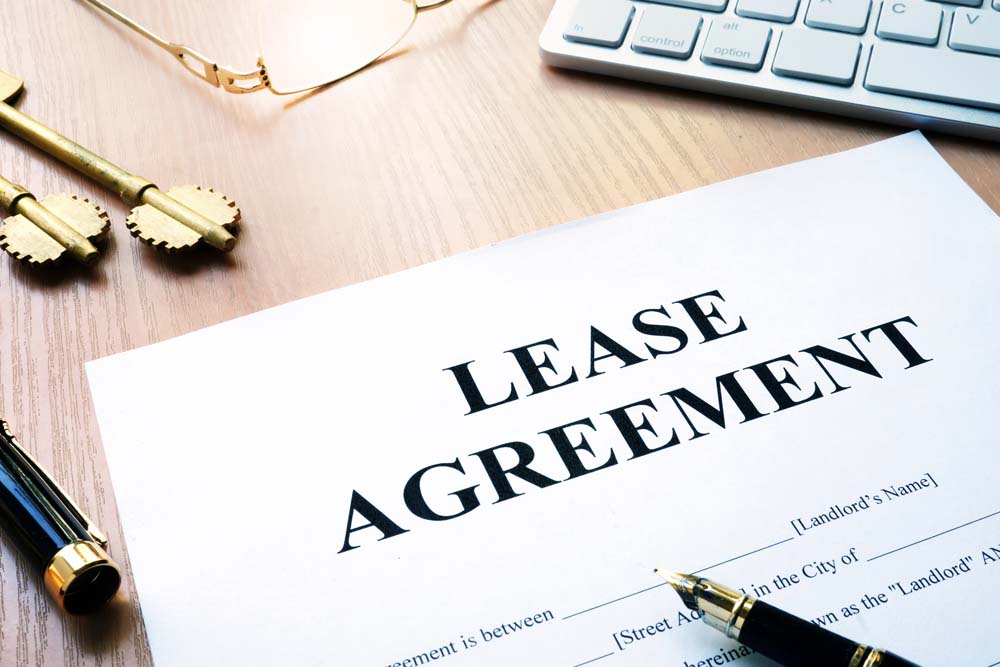
There is a science behind maximizing rents for a community association manager to achieve this requires them to have knowledge of the local market and perform solid research on the last 10-20+ most recently rented comparables. Rules of thumb like the 1% rule (charging 1% of the property’s value as the monthly rent) are handy for reference, but can not replace thorough research using current market data. Aside from affecting rental income, your rental rate can also impact the properties value. The goal should be to get the unit rented within a month.


How often do they raise fees & rents?

Rental rate surveys should be performed at least annually, and more frequently if there are vacancies or lease renewals. Contractual rent escalators allow the rents to be raised without the need to negotiate, offer an explanation or give notice. Tenants know they have already agreed to it so it doesn’t feel arbitrary, and tenants are actually grateful if the firm decides to not enforce the full rate hike.


How is rent collected?

It’s a plus if the management company offers direct debit for tenants. Processing fewer checks improves cash flow and saves time and money. This lets you know as soon as possible if funds aren’t there and eliminates excuses about checks lost in the mail.


How do they deal with bounced checks?

This is usually a warning sign of trouble ahead; after the first bounced check tenants should be prohibited from writing personal checks until at least 6 months of good payment history has been established. Additionally, there should be a provision in the rental agreement that says tenants agree to pay the maximum the law allows for all returned checks.

[AdSense-C]

How do they deal with delinquent payments?

Find a Community Association Management company with a process that is firm but reasonable. Tenants & Owners will start paying later and later if the management company lets them, therefore it is imperative they enforce ALL aspects of the lease. Once they identify a tenant with a trend of delinquencies, they should keep a close eye making sure they either get back on track or deal with the consequences. Remember that a strict collections process is only balanced out by the community association manager quickly responding to owners & tenants’ needs with quality service.


What is their current rate of delinquency?

Find out if they run a tight ship or allow things to get out of hand. When is rent due? Is there a grace period, if so how long?  Due on the first day of the month (in hand not postmarked), late on the second day of the month is standard. A grace period that extends to either the 3rd or the 5th is also standard. Keeping it shorter prevents it from getting significantly delayed in the event of a holiday or long weekend.


How much is the late fee?

While late fees can generate revenue, their primary function is to get owners & tenants back on track to timely payments as quickly as possible. This community association management fee is typically between five and ten percent of rent, sometimes a small daily fee is added to this as an incentive to catch up ASAP. In theory, the late fees are supposed to reflect the penalty the owner would experience in the event of a late mortgage payment.


[AdSense-B]

How do they handle evictions?

How quickly do they usually get repossession of the property when an eviction takes place?  Their process should be well documented, and although the best course of action will vary based on the circumstances, they should be able to explain to you the basic checklist they go through each time. You want to deal with a company that acts quickly, documents their actions, and understands your area’s unique laws for this process. Find a manager who excels at containing and eliminating the problem as quickly as possible. This is basically a small monthly fee that insures that the management company will pay for all attorney and court costs associated with evicting a tenant they placed. It’s not a widely offered service, but it’s a valuable service that speaks to the property management companies confidence in their screening process.


We have a partnership with  www.NationalEvictions.com A Web based Eviction Information Company helping Landlords, Building Owners, Property Managers, and Real Estate Professionals with the Process of an Eviction in their State. Offering Information on Landlord Tenant Laws, Eviction Process, Articles State Specific, Access to All Forms for Evictions along with Business Forms ( ie: Leases Letters to Tenants, Amendments, and many others) Filing Services for Property Managers and much more…

State of Florida Property Management Association Offers this to the Management Members.


The State of Florida Property Management Association has partnered with NationalEvictions.com – Many of our Managers are using them for protections and filing of Evictions in Florida. 

NationalEvictions sets their fees accordingly Managers send them a list of who has not paid rents in the month, Letters, Notices to Quit are prepared and served to Tenants and Renters every month. These Notices for Non Payment of Rents have a set time – Usually 3 days Notice, If the Tenant, Renter does not pay, The Property manager must make the decision to go forward with the Eviction.  As a company being serviced the fees are much lower than calling NationalEvictions for one Eviction.  EX: We change from 300 to 450. per Eviction – When a Management company is under contract we charge our fees at 275.00 We prepare and file the evictions for them ( Clerks fee for payments to file are not included in our fees, ( clerks filing fees plus our fees ) ). Serving the Tenant with Notices are also set lower if we are contracted each month to prepare and serve to the Tenant, rather than calling our office to serve one or two in any month. ( We can charge for each Tenant in any month 35.00 for preperation and service to Tenant) with Managers that usually have about 5-7 Tenants that do not pay, this on the 1st of each month comes to  about 250.00 and we follow up and keep track of each tenant’s Time as per the Notices given.

Its really not a lot of money for the services we provide! We get results, When Tenants see that you are ontop of your rents and management! THEY KNOW YOU MEAN BUSINESS.

Find out more about them on NationalEvictions.com


[AdSense-A]

Breakdown of fees for a management company

While Community Association Management fees are important they must be viewed in light of what other firms are charging, the scope of services provided and the quality of those services. The company you hire will be stewarding one of your biggest assets and the last thing you want to do is make your decision based solely (or even primarily) on who charges the lowest fees.A lower price may reflect either an acknowledgment they don’t provide top tier service, or an attempt to gain business by undercutting the competition. The problem with the latter is that it leads to slim margins for the firm which lowers the ceiling on the quantity and quality of service they can provide and still remain profitable. If a firm is under-pricing their services across the board it is possible they may try to make up for it by overloading their managers with as many properties as they can (or can’t) handle.The truth is that price is one of the last things to consider. Not because it is the least important factor, but because you should only think about price, and actually hiring an MC after you have determined that they will provide quality services tailored to your needs. What good are low fees if the management company does a poor job?Other common mistakes are failure to identify all the potential fees for Community Association Management, as well as not making a true ‘apples-to-apples’ comparison of costs between property management companies. A lower management fee could easily be wiped out by a lot of expensive back-end charges and vice versa.Remember that all fees are negotiable, so before you make your final decision, you should try negotiating the best rate possible from the firm whom you think would do the best job.


Management fee
There is a significant difference between commercial vs residential property management fees but the average management fee ranges between 4-12% of monthly rent. For a single family home you might expect to pay 10% in rental property management fees. This fee will vary based on the number of properties you need managed, the number of units in each property, the location and condition of the property, and most importantly, what services are included for that fee. (Fees also vary market by market, Other pricing models include flat fees, or a hybrid that sets both a percentage and a flat fee and asks you to pay whichever is lesser/greater. Find out if fees are billed or deducted directly from owner accounts.


Vacancy fee
Many management companies don’t require this—if they do, pay close attention. Some management companies charge a monthly vacancy fee ($50) that is prorated when a tenant is landed. Other companies expect to collect the full monthly property management fee even though there is no rent coming in. Make sure that the language in the contract indicates management fees are to be paid out of “Collected rent” or “Rent collected” as opposed to “Scheduled rent” or “Rent due”. Ensuring this language is in place will also protect you from having to pay management fees in the event that a tenant stops paying rent.


Set-up fee
This fee is for the time invested in setting-up a new account. It ranges from 0$-300$. Find out if the fee is per unit or per property, and if it makes a difference if the unit is occupied or not.


Leasing fee
Leasing fees compensate the manager for the time, effort and cost associated with getting you a new tenant. While this fee is common, some owners are opposed to paying it, preferring that it be padded into the management fee so there is more incentive for the management company to find long term tenants.
In truth, a good management company views the management fee, NOT the leasing fee as the primary profit center. This is why leasing fees as a stand alone service (meaning without other property management services are typically much higher (75-100% of first months rent). A transparent fee structure is laid out in such a way that high tenant turnover hurts, rather than rewards the management company. The only time this is not the case is when the fee is excessive, or there are significant vacancy fees. In the event that you are fortunate enough to have a long term tenant, you will benefit by not having to pay a leasing commission that is padded into the monthly management fee.


Advertising fee
There are plenty of ways to generate leads using free resources like signs, craigslist, etc. but with vacancies time is money and prolonging the search process to save a few advertising dollars is a bad idea. This fee could be charged in addition to the leasing fee so it’s important to ask who pays and what the typical fees are. The better they are at marketing the less you will pay, if they have a good strategy and use tools should be around $100 and certainly not more than $200.


Lease renewals
Some community association managers charge this fee whenever they have to draw up the paperwork to renew a tenant’s lease. The fee typically ranges from 0-200$. The process doesn’t require a lot of work, so a big fee should be a red flag. You should ask if they require lease renewals or if they allow tenants to go month to month after the initial term is up.


Reserve fund fee
These funds are used to pay day-to-day operating expenses, making sure that services are performed promptly and bills are paid in a timely manner. A reserve of $200-$500 is normal for single family properties.


Maintenance fees
Will they contact you with an estimate before performing repairs over a pre-defined amount? Is this negotiable?


Their policy may be to notify you if an expense exceeds a higher figure like $500-$1,000, but you may want to ask if this can be set lower ($100-$200) starting out and increased over time as you become more comfortable with the property management companies judgment. Additionally, if this notification is waived during “emergencies”, ask that they define what qualifies as an emergency.


Do they have their own maintenance/repair crew?
Companies that don’t offer this may portray it as an ethical hazard since the company could overcharge, but so long as you confirm that the billing rate and process is reasonable, it should not be a problem. If managed properly, an in house crew is a benefit that can lead to cost savings and a more streamlined process.

[AdSense-C]

Here are some questions to ask:
What services do they perform?
What is the billing rate? ($30-$40/hr is average.) Does it vary based on the work being done?
Is there a trip charge, or a minimum billing time?
Are they available 24/7/365? Is there an extra fee/higher billing rate if they are called on off hours, weekends, or holidays?


For larger remodeling/upgrade projects, do they act as the general contractor overseeing the work that is done? Is there a fee for this?
Do they get at least three independent bids for larger ($500+) projects?
Do they belong to a network to get better repair rates on the work they outsources
Do they charge a “mark-up” fee?

This fee is stacked on top of the final bill for the work performed. Not all firms have this fee; if they do it should come in around 10%.


Eviction fee
Fee for serving notices, dealing with attorneys, court appearances, evictions, etc. Hourly rates are typically $25-$50 while a flat fee for the whole eviction process usually comes in between $500-$600 (plus court costs). Find out if they typically use an attorney for evictions and what their billing rate is.


Unpaid invoice fee
This is a small service charge (typically 1.5%) that is added each month to all unpaid invoices that are past due.


Bill payment fee
Fee for making owner payments such as mortgage, insurance, home owners association dues, etc. Some management firms don’t charge a separate fee, while others don’t even provide this service.


Sales commission if property is sold
Some management firms require an exclusive arrangement to broker your properties. If this is their policy, find out the brokerage rate and make sure there is a limited term which will allow you to re-list with another firm if the property does not sell within a reasonable period of time. Also, if the firm requires it, how much would the sales commission be in the event that a tenant ends up wanting to purchase the property they are occupying? This is typically 1-3% but we have seen higher, always make sure to check the contract.


Other income
Find out if they will be keeping any portion of the following sources of income:

  • Late fees
  • Returned check fees
  • Pet deposits
  • Lease violation fees
  • Interest on security deposits (may not be applicable depending on state laws) and owner funds held by manager
  • Income from laundry and vending machines

Extra duties fee
Some contracts contain a list of extra services not included in the contract along with the billing rate in the event the owner requests any of them be performed. Check to see if this clause exists, what services are listed, and what the billing rate is.


[AdSense-A]

Tags: , ,
Property Management Legal Forms: forms are always needed for proper operation.

Property Management Legal Forms: forms are always needed for proper operation.

  • Posted: Apr 22, 2026
  • By:
  • Comments: Comments Off on Property Management Legal Forms: forms are always needed for proper operation.

Property Management Legal Forms

As you become a CAM Manager and start your business or have a Property Management Business that is established, forms are always needed for proper operation.


We offer Subscriptions – Where for a small fee you can download and get access to EVERY FORM YOU WILL NEED FROM THOUSANDS OF FORMS


[button link=”https://sfpma.com/property-managers-legal-forms/” size=”large” target=”” icon=”” color=”orange” lightbox=””]View the Property Management Forms[/button]


PMLegalForms.com – Property Management, Eviction, Notices to Tenants and Owners, Letters, and many other Legal Documents can be found, View from over 85,000+ Legal Forms simply find and download!  

With our New Subscription Plans you can subscribe and get access to all of our Forms at any time!  We now have Forms for every State in the US. You can buy just the single form you need or Subscribe and get access to all of the Forms for one low price!


Just some of the essential forms to assist Property Managers with: leasing your premises, complying with legal requirements, and keeping relations with your tenants amicable. Forms include the 1. Landlord Tenant Closing Statement to Reconcile Security Deposit, 2. Residential Rental Lease Application, 3. Residential Rental Lease Agreement, 4. Commercial Building or Space Lease, 5. Security Deposit Agreement and other forms.


Tags: , ,
HUD to Strengthen Landlords’ Rights in Service Animal

HUD to Strengthen Landlords’ Rights in Service Animal

  • Posted: Apr 22, 2026
  • By:
  • Comments: Comments Off on HUD to Strengthen Landlords’ Rights in Service Animal

HUD to Strengthen Landlords’ Rights with Service Animals

Landlords and property managers are entitled to “reliable verification” of a tenant’s need for a service animal and can require proof beyond an online certification, a Department of Housing and Urban Development official said Tuesday at the REALTORS® Legislative Meetings & Trade Expo in Washington, D.C.

Lynn Grosso, director of HUD’s Fair Housing and Equal Opportunity Enforcement Office, told the Land Use, Property Rights & Environment Committee that a predatory cottage industry has developed for assistance animal certifications. Consumers are being misled to believe that an online verification letter—often provided by unlicensed medical professionals at a cost of a few hundred dollars—guarantees them the right to have an animal in multifamily housing regardless of pet policy, she added.

“HUD does not recognize these pay-to-play certifications as reliable,” Grosso said. “You should not feel held hostage by a policy where tenants don’t have to demonstrate in a reliable manner a legitimate need for the assistance of an animal.”

Grosso said HUD is developing new guidance that will address for the first time what “reliable verification” means as it pertains to tenants’ service animal requests. It’s not clear when the guidance, which is currently under federal review, will be released.

But Grosso offered some clarity to the committee Tuesday on the substance of the guidance. While landlords and property managers are legally prohibited from inquiring about the nature or severity of a tenant’s disability, they can express concern about the reliability of a service animal certification letter and provide steps for the tenant to take for further verification. This may include asking the tenant to provide additional documentation from their medical provider. The most reliable form of verification is a letter from a medical provider who has a history of treating the tenant, and the letter should name the tenant’s disability and the animal most qualified to assist him or her, Grosso said. “It’s best to have a policy on this issue rather than doing it on an ad hoc basis,” she added.

However, if you can “readily observe” that a tenant has a disability and an animal that provides a service, it’s wise not to push the issue of additional verification, Grosso said. She added that HUD’s forthcoming guidance also will address exotic animals such as alligators and the number of animals each individual tenant can request in their unit.

It’s important not to trivialize the issue of service animals because of abuses of the law, Grosso said. “Very often, there is some nefarious attribution to people who request assistance animals,” she said. “But many times, there are people with significant disabilities who legitimately need the assistance of a service animal. They bear the burden of the effects of service animal abuses.”


Tags: , ,
Communication is the key to everything and we make sure our clients and their tenants are up-to-date and informed on everything throughout the project duration

Communication is the key to everything and we make sure our clients and their tenants are up-to-date and informed on everything throughout the project duration

  • Posted: Apr 21, 2026
  • By:
  • Comments: Comments Off on Communication is the key to everything and we make sure our clients and their tenants are up-to-date and informed on everything throughout the project duration

Communication is the key to everything and we make sure our clients and their tenants are up-to-date and informed on everything throughout the project duration.

Emails and daily reports are sent to the client and representatives every day.


South Florida Commercial Roofing Contractor

PSI Roofing provides premium services and products by educating our clients and creating trust, respect and satisfaction while forming long-lasting relationships.

Emergency Roof Repair

PSI provides 24/7 emergency leak repair service with a 4 hour maximum emergency response time. We are qualified to make repairs to any type of roof and are approved to complete warranty repairs.

Roof Replacement

Are you looking for a commercial roofing contractor in Florida? PSI Roofing is a South Florida roofing contractor whose philosophy is to install the best roof possible in every situation.

Roof Maintenance

Regular maintenance on your commercial roof can save time and headache longterm. PSI Roofing’s maintenance program locks in your cost and provides a watertight leak free guarantee.

Asset Management

Our Roof Assets Management services include regular maintenance, custom replacement options, work history reports, annual budget summaries, warranty tracking and inspections.

Restorations

We specialize in restoring commercial properties damaged by wind, fire and other disasters. We offer all of the needed assistance to complete your building restoration and get back in business.

Waterproofing

Extend the life of your roof by having PSI install a waterproofing and coating system. These waterproofing solutions can also be installed on parking decks, masonry and exterior walls.

Contact us for your roofing Needs!

Tags: , , ,
Before you look to hire a Property Manager, you have to ask yourself these Questions

Before you look to hire a Property Manager, you have to ask yourself these Questions

  • Posted: Apr 19, 2026
  • By:
  • Comments: Comments Off on Before you look to hire a Property Manager, you have to ask yourself these Questions

Before you look to hire a Property Manager, you have to ask yourself these Questions

How far do you live from your rental property and how frequently can you visit the property?

If you are close you may be able to make the regular visits required for maintenance, inspections, collections, etc., otherwise the further you live the higher your travel time and expenses will be. The larger the distance the more temptation there is to not keep a close eye on things, and that can be a recipe for disaster. You should plan making monthly scheduled visits and there is always the potential for a middle of the night emergency call that requires your immediate attention. In the long run, is this feasible for you?

How do you deal with the of day to day operations yourself?

This is a tough one. we all like to think of ourselves as level-headed and even-keeled, but at the end of the day it takes a special kind of person to deal with the ups and downs of property management. Behind the seemingly simple task of collecting rent every month lie a number of unpredictable problems can push people to their limits. Ask yourself how you would react in the unfortunate event that tenants:

  • Get in fights with other tenants or neighbors
  • Have domestic disputes
  • Conduct illegal business in the dwelling
  • Carry on all night parties and revelry
  • Try to sneak extra people or animals into the home
  • Decide to sue you
  • Trash the property
  • Incite the wrath of the HOA because of repeated deed restriction violations
  • Refuse to pay rent because they are a “professional tenant” and know how to work the legal system for the maximum amount of free housing at the owners expense?


How many rental properties or units do you have?

As your portfolio grows so do the management challenges, and it becomes easier for things to fall through the cracks. Investors with large portfolios stand to reap significant benefit by leveraging the efficiencies a property manager can provide. Size can also constrain investors’ ability to consider purchasing new properties if they’re already maxed out managing their current holdings.


Do you do all the maintenance and repairs yourself?

If you can’t do it yourself, do you know who to call? Finding reliable handymen and contractors can take a while and in the mean time you may unknowingly hire people that are unethical, uninsured, do poor quality work, over charge etc. maintenance and repairs are a significant component of land lording and if you question your ability to ensure the work is done well and in a timely manner, you might want to consider hiring a property management company.

How quickly are you able to get your unit ready to be rented?

Advertising, fielding calls, and showing the unit can take a considerable amount of time, but are critical tasks as vacancies will quickly eat into your profit margins. If you question whether you have the skills or the time to make this happen, or if you have historically had an unacceptably high vacancy rate, you may want to consider hiring a property management company.


Are you capable of handling the paperwork nightmare.?

From profit and loss statements to tax deductions, this area needs special attention and becomes an increasingly larger burden for larger portfolios. some owners (especially those with a back ground in finance) will do just fine, others may opt to hire an accountant to help with the book keeping. If you feel like this might be a weak point you might want to consider hiring a Community Association or Condo Management Company.


Are you willing to be on call 24/7/365?

Its important to answer this question honestly, because when an emergency happens at your property you can’t ignore it. Your special event, important meeting, vacation, or personal crisis doesn’t relieve you of your obligation to your tenant. These emergencies don’t happen all the time, but when they do you have to be willing to handle them immediately. can you handle being called at 2 in the morning to fix someone’s overflowing toilet?


Are you willing to confront tenants about late payments and if need be evict them from the property?

Many new owners dislike feeling like the bad guy and try to be understanding by making exceptions. The problem is that this only invites additional abuses and excuses by tenants. Late payments must be dealt with immediately, and while sometimes a friendly reminder is all that’s needed, other times, it can be a very confrontational process ending in eviction. Unlike running a charity, running a successful rental business means enforcing the rules even it means evicting a single mother who lost her job and won’t be able to pay rent anytime soon.


How well do you understand the laws governing Community Association Management

Ensuring the property is run in accordance with the law is critical in both preventing lawsuits and shielding yourself from liability if you are sued. Familiarity with contracts is also very important as your rental agreement is the only binding agreement between you and the tenant.


Many property owners can benefit from hiring a Manager. State of Florida Property Management Association and our Members located all over the State of Florida are vetted holding licensing, Insurances, the leaders in our Industry. You can find many of them listed on our Directory, If you want or need more help with the selection contact us! We are always ready to help.  SFPMA.com


Tags: ,

How are repairs addressed with Property Managers in my building

How are repairs addressed with Property Managers in my building

  • Posted: Apr 19, 2026
  • By:
  • Comments: Comments Off on How are repairs addressed with Property Managers in my building

How are repairs addressed with Property Managers in my building

Maintenance and Repair Costs

Good maintenance and repairs keep tenants happy and preserve the value of your investment which make them a very important part of land-lording. By hiring a management firm you gain access to both their in-house maintenance staff, as well as their network of licensed, bonded and insured contractors who have already been vetted for good pricing and quality work. This can translate into significant savings compared to going through the yellow pages and hiring a handyman yourself.

*South Florida Property Management Association has our own Vendor & Business Member directories these members directly aid our Management members giving them cost savings for any work needed in the buildings they manage. This savings means savings for the building owners.


Increased inspections means happier tenants, It aids in the value of your investment

Preventative maintenance is achieved through putting systems in place that catch and deal with maintenance and repair issues early on, before they grow into larger more costly problems. This requires a written maintenance check program, detailed maintenance documentation and regular maintenance visits. The management firm can also offer you suggestions and feedback on upgrades and modifications, both how they will affect the rent you can charge, as well as their impact on maintenance and insurance.

[/accordion-item] [accordion-item title=”Services that Property Managers provide”]The following is a list of the tasks a Manager commonly perform for owners. You may only need some of these services, and the Management companies you interview may offer more or less than what is listed here.

Evaluate the property and determine an accurate rental rate

  • Perform detailed documentation of the interior and exterior including photos
  • Offer recommendations on repairs and cosmetic improvements that maximize monthly rent while providing good ROI.
  • Gather data on rental rates in the area and work with owners to determine the optimal rental rate. Rent research will vary, but should include looking at the recently rented comparables according to size and type.
  • Discuss with owners the pros and cons of different policies such as accepting pets, allowing smoking etc.


Market the property for rent

  • Prepare home for rent
    • Clean home and optimize interior appeal
    • Manicure landscaping to increase curb appeal
  • Create ads tailored to the property and advertising medium. Some of the mediums commonly used are:
    • Paid and free rental listing websites
    • Print publications
    • Signs
    • MLS
    • Fliers
  • Work with other realtors and leasing agents to find a tenant
  • Provide a 24-hour hot-line where prospective tenants can listen to detailed information about the property
  • Field calls from prospects for questions and viewings
  • Meet prospective tenants for showings throughout the week and weekend.
  • Provide prospective tenants with rental applications that are legally compliant with fair housing laws
  • Collection applications with application fee
  • Perform a background check to verify identity, income, credit history, rental history, etc.
  • Grade tenant according to pre-defined tenant criteria
  • Inform tenants who were turned down
  • Draw up leasing agreement
  • Confirm move in date with tenant
  • Review lease guidelines with tenant regarding things like rental payment terms and required property maintenance
  • Ensure all agreements have been properly executed
  • Perform detailed move in inspection with tenant and have tenants sign a report verifying the condition of the property prior to move-in.
  • Collect first months rent and security deposit
  • Receiving rent
  • Hunting down late payments
  • Sending out pay or quit notices
  • Enforcing late fees
  • Filing relevant paperwork to initiate and complete an unlawful detainer action
  • Representing owner in court
  • Coordinating with law enforcement to remove tenant and tenants possessions from unit
  • Advise in the event of a legal dispute or litigation
  • Refer owner to a qualified attorney when necessary
  • Understand and abide by the latest local, state and federal legislation that apply to renting and maintaining rental properties.
  • Perform periodic inspections (Inside and outside) on a predefined schedule looking for repair needs, safety hazards, code violations, lease violations, etc.
  • Send owner periodic reports on the condition of the property
  • Provide accounting property management services
  • Make payments on behalf of owner (Mortgage, insurance, HOA dues, etc.)
  • Detailed documentation of expenses via invoices and receipts
  • Maintain all historical records (paid invoices, leases, inspection reports, warranties, etc.)
  • Provide annual reporting, structured for tax purposes as well as required tax documents including a 1099 form
  • Advise owner on relevant tax deductions related to their rental property
  • Provide easy to read monthly cash-flow statements which offer a detailed breakdown of income and itemized expenses
  • Provide and oversee an in-house maintenance crew
  • Establish a preventative maintenance policy to identify and deal with repair needs
  • Provide an network of licensed, bonded and fully insured contractors who have been vetted for good pricing and good work that is up to code.
  • Assign jobs to different parties (in-house employees, handyman and professional contractors) based on who will do the best job for the best price.
  • Maintain outdoor areas
    • Leaf and snow removal
    • Landscaping
    • Removing trash and debris
  • Maintain and monitor a 24 hour emergency repair hot-line
  • Larger renovation or rehab projects
    • Provide recommendations on how the project can maximize rental income.
    • Prepare preliminary cost estimates
    • Get multiple independent bids for the work
    • Act as general contractor overseeing the work
  • Inspect unit and fill out a report on the property’s condition when the client moves out
  • Provide tenant with a copy as well as estimated damages
  • Return the balance of the security deposit to the tenant
  • Forward any portion of the owner’s portion of the tenant deposit to the owner or hold in owner reserves for repairs.
  • Clean unit and perform and needed repairs or upgrades
  • Re-key the locks
  • Put the property back on the market for rent


How does the community association manager track incoming resident maintenance requests and the subsequent work orders?

A software solution should be in place here. You want to find a manager with a system that does not allow maintenance requests to fall through the cracks and require multiple tenant requests before the work is done. Ideally, tenants should be able to submit maintenance requests online. ( Add the Page of all PM, Landlord Software )


How are after hours maintenance requests and emergencies handled and who handles them?

Make sure its someone qualified to handle the problem. The last thing you want is an answering machine or someone saying you will have to wait till Monday to get your or your tenants issue resolved.


What system do they have in place to practice preventative maintenance?

Preventative maintenance is the mechanism a manager uses to maintain the value of your property and avoid letting small issues become larger more expensive problems down the road. This involves things like a predefined maintenance and inspection schedule as well as promptly addressing known issues. This of course assumes owners are willing to make the necessary repairs when they come up. Slum lords may balk, but successful real estate investors know that when you’re in for the long haul you have to engage in sustainable practices that maximize property values, not short-term practices that delay (and multiply) costs.


Do they have their own maintenance crew?

If the answer is yes, are they covered by workers compensation and are they licensed, bonded and insured? Additionally are they available 24/7/365 for emergencies?  As a member of SFPMA we have a full listing of vendors & business members on our directories for them to choose from.


What contractors do they work with?

Do the contractors carry workers compensation and are they licensed, bonded and insured? Does the management company oversee the contractors’ work for quality, code compliance and cost effectiveness? Some owners like to take the extra step of researching the primary vendors that will be used to make sure there are no red flags. All SFPMA members are checked making sure they have the proper licenses and insurance a requirement for membership.


What rules do they have in place regarding contractors entering occupied properties?

Make sure they have an established policy here. Anytime contractors and maintenance personnel are entering occupied units there is potential for trouble if the situation is not handled carefully.


Do they provide itemized statements with receipts for the work performed?

This adds accountability and transparency to the billing process. You don’t want to work with a management company that is unwilling to provide solid documentation of where your money is going.


Do they let tenants perform repairs?

Tenants perform inferior quality work, and their lack of insurance coverage, liability or workers compensation could leave you liable in the event of an accident or injury. Why take the risk of having them accidentally fall off a roof or ladder, electrocute themselves, or flood your home? If they don’t allow tenant repairs, make sure this is written into the rental agreement. If you are comfortable allowing them, at least have the tenant sign a waiver and agree that the repairs must be approved by the manager.


Do they allow tenants to hire their own handyman?

This is also inviting trouble, and the rental agreement should prohibit this. In some cases written into a single family home lease some repairs are included in the rental agreement, Find out if there are any agreement such as this. Check to make sure this is not considered a liability hazard although providing these services eliminates the issue of tenant neglect and can improve tenant satisfaction which helps with retention.


What is involved in their process for preparing a property to be re-rented after a tenant has vacated? How long does this process take?

The property should get the usual cleaning, paint job, re-keying, etc. but this is also a good time to consider strategic improvements that will maximize your rental revenue. You want to find a property manager that will proactively offer this kind of feedback on an as needed basis. Obviously the quicker the turnaround time, the better.

Tags: , , ,

If you’re looking for accurate, timely, and comprehensive accounting and financial services for your property, Seacrest Services is the place for you!

If you’re looking for accurate, timely, and comprehensive accounting and financial services for your property, Seacrest Services is the place for you!

  • Posted: Apr 19, 2026
  • By:
  • Comments: Comments Off on If you’re looking for accurate, timely, and comprehensive accounting and financial services for your property, Seacrest Services is the place for you!

If you’re looking for accurate, timely, and comprehensive accounting and financial services for your property,

Seacrest Services is the place for you!

Residential Property Management

Having a residential property manager can make things much easier for both you and your tenants. As a landlord, or someone part of a homeowners’ association or property owners’ association, you’re typically accountable for a lot, but with Seacrest Services, you can take your mind off most of the day-to-day responsibilities.


What We Do

When you turn to Seacrest Services for residential property management, we can assure you that everything we have our hands on will be completed efficiently and professionally. Some of what we take care of for you includes:

  • Landscaping
  • Addressing the needs of your tenants
  • Maintenance and repair
  • 24/7 customer service
  • Our goal is to keep you and your tenants happy by making every process, issue, and task as convenient as possible.


The Benefits of Residential Property Management

Whether you have another job you need to focus on, or you live in a completely different location than the property, sometimes you just don’t have the time or resources to manage a property on your own. Putting trust in a residential property manager can save you from stressful situations. Here are some other great benefits:

  • Happier tenants, meaning minimal turnover
  • Well maintained property
  • No worry about the day-to-day issues
  • Consistency and organization for HOAs and POAs


What Makes Us Stand Out?

At Seacrest Services, we pride ourselves on our experience and skill in maintaining various types of properties. Each one is unique, and we treat it that way through complete hands-on care. We want all parties to be satisfied with our work, making everyone’s lives a little easier.


Searching for Residential Property Management Services?

If you’re looking for a residential property manager to relieve much of the workload associated with your property, Seacrest Services has professionals who can make it happen. Contact us today to get started.


Tags: , ,
10 Management Professional things agents should know and do | SFPMA

10 Management Professional things agents should know and do | SFPMA

10 Management Professional things agents should know and do.


  1. Immediate Response: As a real estate agent you need to make your response time, when your prospective buyer calls or emails, as quick as possible. If the buyer doesn’t find you available then he may call somebody else. Buyers want instant response and will not wait for you to call them back or respond to mails only when you are in office.

2. A person he can trust: An agent needs to tell the buyer the truth even if it means losing the sales. While you speak volumes about the virtues of a home, you need to point out the possible defects as well so that the buyer can think twice and not be blinded by only the positive features. The buyer should feel that you are on his side and fluff and untruth will make him lose his confidence in you.

  1. Keep learning on the job: A person is smart when he hires people smarter than he is (Henry Ford). A buyer wants to use your education and experience in order to feel that he has employed the right person to do the job. You should come across as an expert in the field. The best and only way it is done is through constant learning. This can be through trainings and also reading relevant stuff. You should have a ready knowledge about the property that you are highlighting.
  2. Good communication skills: You need to be extremely good at handling your communications. There are all kinds of buyers and while some prefer an e-mail others may like you to call them. The best course is to ask them their preferred mode of communication. Always remember to promise less and deliver more.


[AdSense-B]


  1. Professional and friendly: Being friendly and at the same time maintaining professionalism is the best way, although a bit difficult. Friendliness is preferred by most buyers as you give out the vibe that you are on their side. At the same time they also want you to be assertive and professional. They want you to handle anything that may come up while they are probably viewing the house or saying €no’ to a particular seller.
  2. Information about the neighborhood: When you are trying to sell a property in a particular neighborhood you should have good knowledge about it in terms of amenities and facilities. Your buyer may be interested in knowing about train stations or bus stops that are close by. The interest could even be a park for children. Make a search and find out all you can about areas where most of the properties that you deal in are located.
  3. Price guide: You need to be the professional who has inside information about the price. The client may be interested in your opinion so prepare yourself well. You need to be careful that you do not quote a price that is too low or too high. You need to be ready with market trends and facts for the particular area and similar properties. Guide them to make an informed decision.
  4. A good inventory: When a buyer visits you he wants to know about as many properties as he can. He expects a wide inventory and you need to be ready with one. Since you cannot predict the kind of home each buyer requires as buyers buy for their own reasons, you need to have all kinds of properties ready. The choice of properties should take care of a wide arena of needs and requirements.
  5. Dedicated time: When a buyer comes to you he expects you to devote all your time to him until he leaves or makes a decision. Remember you may be selling 10 houses in a week but for him it is one single home that he may be buying in a lifetime. You need to show your enthusiasm and zeal and help him to decide on the perfect home. Try and focus on him and the transaction he is going to make and leave all work aside for the time being.
  6. Time saving transactions: The modern real estate buyer is hard pressed for time. He wants the transaction to be fast and take up as little time as possible. And he would like you to handle things in such a way that the total time is cut down and he can proceed with other things. So do your homework and be prepared to save time, both his and yours.

[AdSense-A]


Tags: , , ,
Four reasons why hydrojetting can be important for winter maintenance in the state of Florida. by GreenTeam Building Services.

Four reasons why hydrojetting can be important for winter maintenance in the state of Florida. by GreenTeam Building Services.

Hydrojetting is a method of cleaning and maintaining pipes using high-pressure water to remove debris, sediment, and other buildups. While Florida generally experiences milder winters compared to many other regions, there are still reasons why hydrojetting can be important for winter maintenance in the state:

1. Preventing Clogs from Cold Weather Effects: Hydrojetting prevents winter temperature-related pipe blockages by breaking down and flushing out materials that can solidify in colder water.
2. Clearing Debris from Storms and Heavy Rain: Heavy rain and storms during Florida winters can lead to debris accumulation in sewer systems. Hydrojetting clears these obstructions, preventing potential flooding.
3. Maintaining Sewer System Efficiency: Regular hydrojetting as part of winter maintenance prevents blockages and backups, ensuring the optimal year-round operation of sewer systems.
4. Addressing Potential Tree Root Intrusions: Hydrojetting is effective in removing and preventing tree root intrusions into sewer lines, reducing the risk of disruptions during winter months.
Hydrojetting is crucial for Florida’s winter maintenance, addressing challenges like temperature-related clogs, storm debris, and tree root intrusions. Stay proactive in preserving your commercial properties sewer systems’ efficiency by contacting us today!
📍 North Andrews Avenue Extension
Pompano Beach, Florida 33069
📞 Call us at (954) 210-4100
📧Email us at Service@getgreenteam.com
For other inquiries email us:
Projects@getgreenteam.com
Backflow@getgreenteam.com
Vacservice@getgreenteam.com
Tags: , ,