
4 “Tricks” to a Healthier Lake! Regularly test the water quality! by Allstate Resource Management
The first step in keeping your lake healthy is regularly testing the water quality. Ensure that your lake management company is testing the water before treatments.
Algae is a common problem in Florida lakes, but there are methods you can use to control it. Partnering with a professional lake company is key! A lake maintenance company can put together a comprehensive plan designed specifically for your lake.
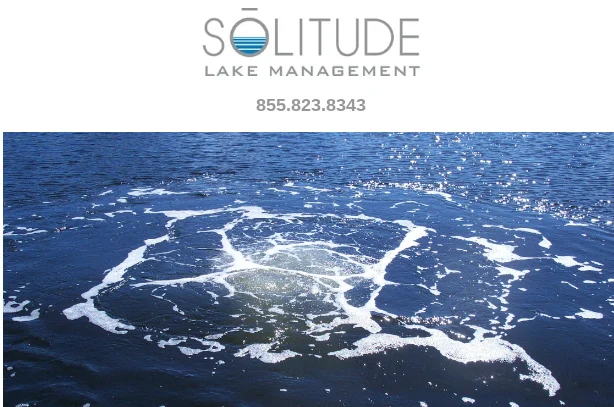
Aeration is essential for maintaining healthy oxygen levels in your lake. Use a lake aerator to keep the water moving and to promote healthy oxygen levels.
Invasive plant species, such as cattails or water hyacinths, can quickly take over your lake and create an unhealthy environment for aquatic life. Let our lake specialists work with your HOA to help control and eradicate invasive plants.
6900 S.W. 21st Court
Building 9
Davie, FL 33317
Building 9
Davie, FL 33317
Toll-Free: 800.270.6558
Local: 954.382.9766
Tags: Common Area Issues, Lake Management Articles, Management News, Members Articles
Local: 954.382.9766



 Bob Lee, President of Lee Composites Inc, has over 50 years of experience in the composites and plastics industry. Bob started his career with Dow Chemical Corporation after graduating from Georgia institute of Technology. As Vice President of a small emerging composite pultrusion, molding and fabrication company for 10 years he became widely recognized for his outstanding entrepreneurial and creative expertise.