We Make your business shine on the web with a creative website!
We Make your business shine on the web with a creative website! Grow your business with us!
Become our Member : JOIN SFPMA TODAY LogIn / Register: LOGIN/REGISTER
Find Blog Articles for Florida’s Condo, HOA and the Management Industry.
We Make your business shine on the web with a creative website! Grow your business with us!
Coastal areas like South Florida have a unique need for concrete rehabilitation and protection services predominantly related to assessing structural damage.
SRI Consultants, we provide the highest level of expertise in assessing the state of aging structures and are committed to saving clients time and money by determining repair quantities during inspection. With over thirty-five years of experience, and a registered professional engineer in Florida & Virginia, the president and founder of SRI, Mr. Shirish “Raj”pathak, is a NACE Cathodic Protection Specialist. We have specialists in structural engineering, civil engineering, environmental engineering and corrosion engineering at your disposal. The extra effort and attention to detail put forth by our team ensure you receive the highest quality services available to the industry.

We are dedicated to providing the highest level of expertise in assessing the state of aging structures. Our staff is committed to saving clients time and money by determining any repair quantities during inspection.
Creativity + Partnership. Our architectural services include new building design, remodeling, site planning, interior design, and historic renovation. We collaborate with independent architects to ensure the excellence of site plans, building design and finishes.
Technical Expertise. We are experts in our field with certifications from NACE and FL Board of Professional Engineers. Our team offers civil, environmental, structural and corrosion engineering services for single & multi-story structures, condos, hotel and motels, cooling towers and seawalls.
Comprehensive Solutions. Together, we have over 50 years of experience in structural rehab, offering a full range of integrated services including condition assessments, testing, specifications preparation, bid & permit prep and project management.
Precision + Innovation. We use the most advanced tools to identify concrete defects, assess steel corrosion, and locate moisture in structures. We offer remediation services to measurably extend the life of your investments.
We have specialists in structural engineering, civil engineering, environmental engineering and corrosion engineering at your disposal. The extra effort and attention to detail put forth by our team ensure you receive the highest quality services available to the industry.

Mosquitos or Midges BUGGING you?
Tags: Lake Management Articles
Managing nuisance algae and aquatic weeds in your lake can be challenging, but it doesn’t have to be. Learn how proactive management solutions can help improve lake health and create an ecosystem that is less likely to develop common water quality issues.
One of the biggest headaches lake and pond owners or managers face is nuisance growth of algae and aquatic weeds. Aquatic weeds and algae are an eyesore and a top complaint from stakeholders. People look forward to enjoying the water during the warmer months, but if nuisance growth is not prevented before spring, it may come to define your property all summer long. Poorly-maintained waterbodies can lead to disconnected communities, reduced property values, liability issues, and weak confidence in leadership.
Aquatic weeds and algae can be hard to eliminate as they are merely a symptom of more systemic water quality issues – in particular, a surplus of nutrients in the waterbody. Warm weather combined with excess nutrients can create imbalances that make lakes and ponds more susceptible to weeds and algae. These imbalances can be further exacerbated by depleted dissolved oxygen levels, poor circulation, and erosion.
A Reactive Strategy to Algae & Weed ControlNutrients commonly enter lakes and ponds through stormwater runoff that picks up pollutants, lawn clippings, animal waste, and eroded shoreline sediment. Nutrients are released as these materials break down. If these problems are allowed to continue for too long, property owners and managers will have to turn to more reactive solutions like mechanical harvesting or EPA-registered herbicides and algaecides to eliminate nuisance growth. Though they do not address the root cause, these are often the quickest and most cost-effective strategies to quickly remove nuisance growth, and introduce an annual management program from a “clean slate.”
A Proactive Approach to Algae & Weed ControlProactive management begins with in-depth water quality testing to identify water quality imbalances before they manifest. After establishing a baseline, professionals continue monitoring to spot changes and take action early on. Dissolved oxygen is essential to a healthy waterbody, so fountains and aerators are often the next step. Fountains circulate and oxygenate lakes and ponds from the surface, while submersed aerators pump oxygen-rich bubbles from the bottom. In tandem, they work to restore balance to the water column.

This is where shoreline management comes in. Native plants introduced around the water’s perimeter can help slow runoff and filter out pollutants. They also help contain soil along the bank to prevent erosion. If a shoreline is too impaired, bioengineering materials and techniques can be used to rebuild it for years of erosion protection.
“One of our lakes has been experiencing regular algae blooms and SOLitude’s biologist performed a comprehensive lake and water analysis to determine the cause of the problem. Recommendations were presented and the problem was resolved!”
Peter D., Community Manager

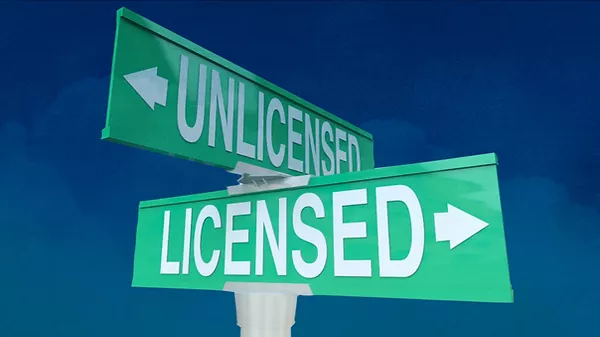
One of the most important questions property managers ask contractors is, “Are you a licensed contractor?” Why is it so important to know if a contractor is licensed and how do you discern a licensed contractor from an unlicensed contractor?
Let’s break this down. In Florida, contractors are required to have a license issued by the Construction Industry Board of the Florida Department of Business and Professional Regulation (DBPR) to legally operate their business throughout the state. Additionally, local building departments require an occupational license for businesses to legally perform construction services within their jurisdiction
Contractors must have special qualifications to acquire a license. Their processes and workmanship must meet specific industry standards. Licensure ensures that contractors know, and will follow, local laws and building codes.
How do you know if a contractor is licensed in the State of Florida?
Florida Statute 489 defines the requirements for all Florida-licensed contractors to legally perform contracting services in Florida. The Construction Industry Licensing Board of the DBPR is tasked with overseeing licensing. The Board regulates Florida’s construction industry, creating and enforcing rules for licensed contractors and processing licensing applications. The Board also addresses complaints against licensed contractors.
License numbers are assigned to contractors for different services they provide. For example, Beachfront’s general contractor license number is #CGC1531681. Our roofing license number is #CCC1333373. If ever in doubt, you can contact the DBPR at www.myfloridalicense.com for questions about your contractor and its licensing status. In fact, you can verify a license online given a company’s name, city or county, license number or license type. Additionally, you can contact the Florida Division of Financial Services (DFS) at www.myfloridacfo.com to confirm a contractor has all of its workers compensation insurance current.
Need another way to gauge a contractor’s licensing status? Observe its sales, marketing, and operations processes. Licensed contractors submit a legally binding estimate and contract for projects with their state license numbers attached. They have all of their sales and marketing pieces properly adorned with their company name and license information including, but not limited to, proposals, advertising, vehicle signage, and company uniforms. A licensed contractor’s staff typically work as W-2 employees and not as 1099 employees. Licensed contractors will submit for permits per Florida law for all work performed over $2,500.
What are the pros of hiring a licensed contractor?
First, a licensed contractor is vetted by the DBPR Construction Industry Board and is required to have all its workers’ compensation and general liability insurance to legally perform contracting services. Additionally, a licensed contractor must provide the DBPR with a bond, Federal Employment Identification Number (F-EIN) and credit reports for both personal and business financials to prove it is financially responsible.
Second, licensed contractors stand behind their work and issue a workmanship warranty, not only a limited material warranty. They are professional, executing projects to meet schedules on or under budget. Licensed contractors provide valuable references for customers, vendors and material suppliers. There are many pros to working with a licensed contractor, but one of the most important reasons is they can be held liable in a court of law for negligence, breach of contract or any other matter requiring a court’s authority to assist.
How can you spot unlicensed contractors?
It’s easy! Look at their bid estimates or contracts. If a contractor’s business name doesn’t match the exact business name as licensed by the DBPR, that’s a red flag that the contractor is unlicensed. If it can’t produce the correct state license information, occupational license information, workers compensation documents or associated employee names and employment information, so a customer can verify with the DBPR and DFS, the contractor is most likely unlicensed.
Here’s an example of how some unlicensed contractors operate:
XYZ Waterproofing & Painting, Inc. is a licensed general contractor with a main office in Tampa, Florida. XYZ Waterproofing & Painting, Inc. is also a licensed roofing contractor with an office in Ocala, Florida. Both services and offices are registered with the DBPR.
A new contractor, XYZ Painting & Waterproofing, LLC (notice the twist on the company name) opens an office in West Palm Beach, Florida and performs general contracting and roofing services. However, the LLC is not legally licensed by the DBPR Construction Industry Board. Because its name is so similar to the Inc., the LLC operates as if it “shares” the general contractor and roofing licenses across the general name of “XYZ.” In fact, it does not.
Unfortunately, contractors like XYZ Painting & Waterproofing, LLC operate without recourse until a savvy customer, attorney, permit office or consultant does some background work with the DBPR to unveil the illegal, fraudulent and unscrupulous business practices. Do not depend on your material vendors or suppliers to vet contractors because they are in the business of selling products not ensuring your contractor is actually licensed or not.
What are the pitfalls of using an unlicensed contractor?
First, contractors who do not meet the standards for licensure may not follow municipal building codes or may cut corners and deliver subpar work. In some instances, failure to follow building codes can result in issues with structural safety. At other times, a less-skilled contractor may perform tasks on the job site that void product warranties. In addition to decreasing the value of a property, bad workmanship often results in rework, wasting time and money.
In addition to rework, there are other financial consequences to hiring an unlicensed and/or uninsured contractor. If a contractor doesn’t have general liability insurance, its customer can be held responsible for any damages incurred during the course of a project on that customer’s or a neighbor’s property. For example, if you hire an unlicensed painting contractor and a painter accidentally sprays paint on a neighbor’s structure, then you are liable for damages to your neighbor’s structure. If an unlicensed contractor destroys power, sewer or water lines during the course of a project, that contractor’s customer is responsible to fix the power, sewer or water lines.
Similarly, if an unlicensed contractor doesn’t have workers’ compensation to cover its employees, a customer can be held responsible for any damages resulting from a workplace injury. If a roofer that works for an unlicensed contractor falls from the roof, the customer can be held responsible for all of the roofer’s medical bills as well as lost wages when the roofer is unable to work.
Unfortunately, being sued for damages or injuries for work performed by an unlicensed contractor is all too real. And there is limited legal recourse to the customer who knowingly hires an unlicensed contractor or allows a licensed contractor to use unlicensed subcontractors. In addition to financial responsibility for damages and injuries, customers can incur expensive legal fees trying to locate, serve and process any legal case against an unlicensed contractor and actually collect on any financial award ordered by a court.
Finally, Florida’s construction lien law allows some unpaid contractors, subcontractors, and materials suppliers to file liens against customer properties even if a customer has made payment for a project in full. What does that mean? In layman’s terms, if you pay your contractor and the contractor doesn’t pay its subs and suppliers, you can be liable to make additional payments to your contractor’s subs and suppliers. If you don’t, they can file a lien against you to secure payment.
Unlicensed contracting, depending on the situation, is often considered a felony in Florida. Where the crime occurs will dictate how it is handled. Yet not every county or city law enforcement agency handles unlicensed construction activity. All too often, a local law enforcement agency will defer victims to the DBPR to file a complaint. Unfortunately, as with most governmental agencies, DBPR’s law enforcement officers sometimes carry 200 to 300 cases per officer, so timeliness to follow up on a complaint is gravely diminished.
Special Notes: Unlicensed contracting is a serious problem throughout Florida. If you suspect unlicensed construction activity, please contact the DBPR. Rewards are available to individuals who identify an unlicensed contractor. Always have your attorney review every contract for construction work. Call references—material suppliers and previous customers—for any contractor you hire for construction work in Florida. A reputable and legally licensed contractor will have no problem with you doing this. There are many reasons to use a licensed contractor but none are more important than avoiding costly legal battles.
About Jim: Jim is a licensed Florida roofing contractor (CCC1329933) and Virginia roofing tradesman. Jim has over 20 years of general construction sales experience throughout Florida and specializes in liquid applied fluid systems for commercial, industrial and high-rise residential waterproofing and roofing systems. Jim is a Certified Applicator for brand-name manufacturers such as Sherwin Williams, GACO Western, HENRY, Tropical Roofing Products, Karnak, and Carlisle.

![]() |
Allstate Resource Management sponsored:10th Annual Make-A-Wish Polen Capital Golf Tournament at The Boca RatonThis past weekend, Allstate Resource Management sponsored the 10th Annual Make-A-Wish Polen Capital Golf Tournament at The Boca Raton! The event raised over $570,000! Our Vice-President/Golf Enthusiast, Andy Fuhrman, enjoyed the day on the green and was joined by Norman Wedderburn, the President/CEO of Make-A-Wish Southern Florida. Thanks to Allstate Resource Management and other amazing sponsors, the Make-A-Wish Polen Capital Golf Tournament has granted more than 300 heartfelt wishes for the brave and deserving children battling critical illnesses in our local community. |
Tags: Lake Management Articles, SFPMA Members News

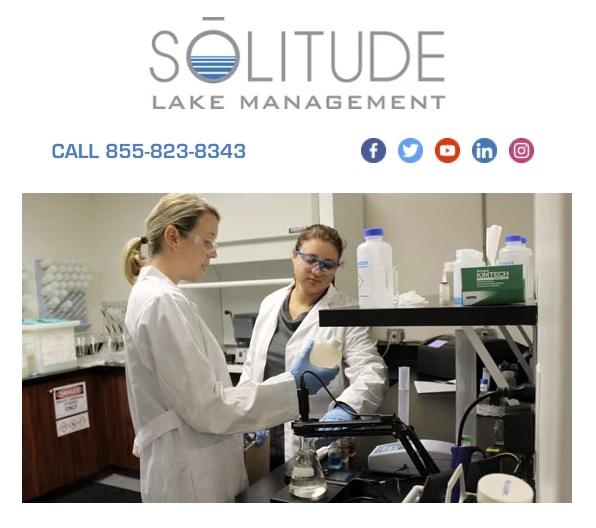
Water quality is the foundation of any healthy water resource. If you think about going to the doctor and getting blood drawn to identify a health issue, you could compare that with water quality testing. In lake and pond management, scientists evaluate these and many other water quality parameters to determine the root of water quality issues.

The first parameter typically measured in water quality tests is oxygen. Oxygen is one of the most important elements to humans. Just like humans and animals, waterbodies also utilize oxygen to survive. In lake and pond management, we use tools to test for dissolved oxygen (DO) levels in the water. If dissolved oxygen levels are low, aquatic life becomes stressed. This usually occurs when excess organic materials, such as large algal blooms, are decomposed by microorganisms.
Like oxygen, ammonia can cause parallel issues in aquatic environments if levels are unbalanced. For example, high levels of ammonia can make fish become lethargic and even cause them to die off. Higher concentrations of ammonia are more likely when dissolved oxygen levels are very low or when the water is polluted. The introduction of floating fountains or submersed aeration systems can help maintain healthy levels of both oxygen and ammonia.
Another parameter measured is phosphorus, another essential element of all living things. However, when in excess, it can cause many systemic changes to the ecosystem such as increased production of algae and aquatic plants, as well as depletion of fish species. How can we stop this from happening and create a balanced ecosystem? Try reducing fertilizer use around your lake or pond and treat phosphorus-laden bottom sediments with nutrient remediation solutions like Alum, Phoslock, or biologicals.
Nitrogen is a similar parameter measured during water quality testing. Nitrogen provides food for plants, algae, fish, and smaller organisms in the water. Nitrogen can enter the water through fertilizer runoff, and when in excess, it can lead to the growth of nuisance aquatic plants and algae, creating an unbalanced ecosystem. To maintain healthy levels of nitrogen, reduce fertilizer runoff to water resources, and implement nutrient remediation solutions when needed. Excess nitrogen levels, along with other elements, can be reduced by repairing erosion damage and establishing a native vegetative buffer and littoral zone that helps filter excess nutrients before they enter the water column.
Another parameter commonly tested is alkalinity. The alkalinity of a waterbody is very important. Think of this in terms of human physiology. Your blood pH should always be balanced to allow enzymes to function effectively. In lakes and ponds, alkalinity is a measure of the waterbody’s ability to neutralize acids and bases, and thus, maintain a stable pH level. If the alkalinity is too low, this can lead to dangerous pH swings, which can become life-threatening to aquatic life. Professional liming is often recommended to increase alkalinity and prevent pH swings.
Knowing the levels of each water quality testing parameter is vital. Through recurring water quality testing and monitoring, aquatic resource experts can develop effective management plans that meet the needs of your waterbody. SOLitude is proud to offer a variety of water quality testing packages, tailored to fit the needs and budget of your waterbody. With insight from our biologists, you can stay ahead of water quality issues and maintain a healthy, beautiful waterbody year after year.
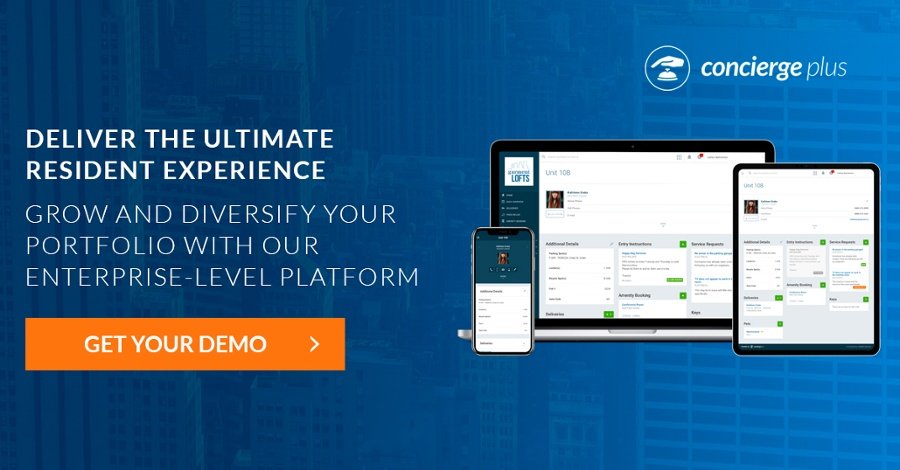
Due to pandemic restrictions, many management offices were inaccessible to residents. This caused a greater reliance on telephone and e-mail communication. For many residents, failure of management to respond to their queries in a proper way created distrust and a perception that the management company is incompetent. The root cause to this problem is the lack of an effective portal solution for managing electronic communications with features that increases the resident experience. In this article, we look at how our Resident Experience Management platform can help you deliver superior resident experiences and help you exceed resident expectations.
The main responsibility of any management company is to ensure that community associations are well maintained. Residents should be able to report maintenance requests as soon as possible from wherever they are. While calls and text messages can get your attention, residents might not be able to explain the situation entirely. However, via Concierge Plus’ Service Request feature, they can give details of their concern and even upload pictures or videos to aid their explanation.
Requests are always tracked by unit, so you’ll always be able to access a history of what happened. And full reporting features mean you can very quickly generate all the information you need to update your board or your residents.

Since the tragic Surfside condo collapse in Miami, residents are asking for more transparency from their elected board members. Transparency is characterized by visibility or accessibility of information concerning association practices.
Board members can use Concierge Plus as a platform for keeping residents in the loop with regards to anything related to building maintenance. Since the tragic Surfside condo collapse, we’ve been told that residents are particularly asking for their board’s plan on risk mitigation.
Board members can share documents such as a Reserve Study with unit owners using our File Sharing feature. This is a password-protected repository for important documents and is a great place to store articles of incorporation, meeting minutes, rules and regulations.

As the pandemic eases and we resume in-person gatherings, hybrid meetings are slowly becoming a permanent part of how community associations function.
Board members can easily add HD web conferencing, automate attendance, enable eligible owners to vote online, and more through our all-in-one virtual meeting platform integration with GetQuorum.
Advanced and real-time electronic voting allows owners to vote securely on important meeting matters before or during the meeting using GetQuorum’s dynamic online platform.
Electronic voting offers substantial cost savings, improved efficiency and significantly reduces errors associated with traditional paper-based voting.
Community managers, security guards and concierges everywhere are fighting a losing battle trying to keep up with the unrelenting wave of incoming parcels during the holiday season. When staff members spend more time accepting, storing and retrieving parcels, they can’t focus on their security duties.
With Concierge Plus’ Notification feature, you can avoid ending up with front desk congestion and angry residents. Use Concierge Plus to manage package deliveries with automated emails and an easy tracking process. Residents can select to be notified by text message (SMS) or by an automated phone call, which is perfect for urgent and timely notifications.
With our barcode scanner your team can quickly scan every package that arrives, and when residents come to pick-up their packages, they simply sign on a digital signature pad to confirm their identity permanently and securely.
Last but not least, we also offer beautifully designed, 40″ digital lobby display screens which you can use to alert residents that items are available for pick-up.

For most residents, the safety factors associated with condo living are a huge consideration in choosing life in a community association.
Concierge Plus can help you manage who is coming in and out, where they are parking, and if they have permission to enter the building. Our integrated hardware offerings alleviate confusion with parking pass printers that clearly denote who is parking where.
The printer connects easily to your computer and facilitates tracking of visitor vehicle details such as license plate number, make, and color. A parking pass receipt will print automatically for visitors to display on their dashboards.
Tags: Management Tools