
Happy Holidays & A Joyful New Year from the SOLitude Family
Happy Holidays & A Joyful New Year
As 2025 wraps up, we want to thank you for joining us in our mission to protect freshwater resources.


Find Blog Articles for Florida’s Condo, HOA and the Management Industry.
As 2025 wraps up, we want to thank you for joining us in our mission to protect freshwater resources.
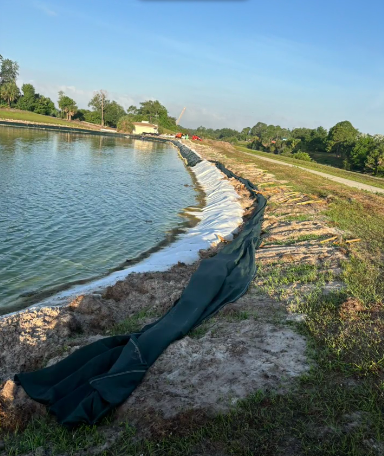
Geosynthetic Clay Liners (GCL) are high-performance geocomposites that are used as an alternative to conventional compacted clay liners. GCLs consist of two layers of geotextile stitched together enclosing a layer of processed sodium bentonite. Bentonite is a natural sealant, and when in contact with water, swells to form a low permeability clay liner. Geosynthetic clay liners have a long-lasting resistance to physical and chemical break-down in harsh environments such as landfills and other containment systems.
Advantages
* Unique self-sealing attributes that reduce the risk of punctures and leakage.
* Excellent shear resistance properties due to needlepoint reinforcement.
* Reduced leakage by a factor of 30 over compacted clay.
* Better hydraulic performance.
* Ease of installation. & Increased air space.
* Cost-effective: one truckload of GCL replaces 200 truckloads of clay.
SS your Lake Bank Restoration Specialist!!!!
Call today to schedule a free onsite estimate !
https://lnkd.in/ebRqUP2X
727-742-5982
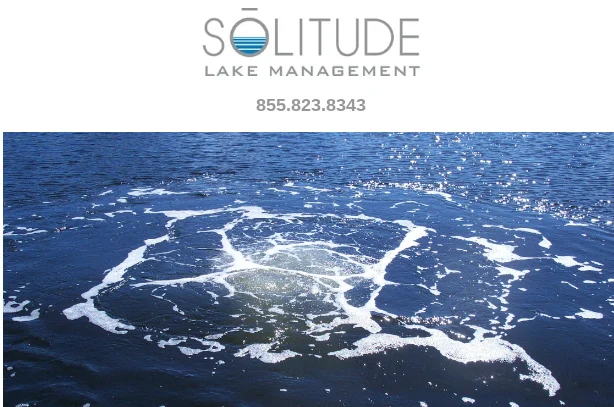
Fortunately, many solutions are available to correct DO deficiencies, promote healthy water quality, and help prevent future issues.


Warm weather often comes with an increase in algal blooms in our waterways. Algae is a nuisance – it can grow in slimy, smelly mats, create eyesores, and entangle swimmers and fishing hooks.
Rather than creating places to connect with neighbors, watch beautiful sunsets, and host fun activities, waterbodies containing nuisance algae growth can lead to nasty comments and complaints. But in worst-case scenarios, it may pose a danger to the community.
Although most algae aren’t dangerous to our health, we must be mindful and diligent about limiting our exposure to certain types of algal blooms. Harmful Algal Blooms (HABs), also known as blue-green algae or cyanobacteria, are a very serious issue impacting the safety of our waterways. Exposure to HABs can be life-threatening for people, pets, and wildlife due to toxins they are capable of releasing.
However, the toxicity of an algal bloom cannot be confirmed with a visual inspection. Suspected HABs must be sampled and tested at a lab to confirm the species of algae present. Once the species is confirmed, a management plan can be implemented.

Harmful algal blooms can look like blue or green paint spilled into the water. It may also appear as thick, puffy blue or green foam on the surface of the water, or as swirling colors beneath the surface of the water. HABs can also have distinct smells that have been described as grassy, fishy, or septic.
Here are four things to do – or not do! – if you see anything that looks like an HAB in your waterbody:

Keeping your community safe and happy is an utmost priority – because safe, happy residents are more engaged with each other, pleased with community leadership, and proud of where they live. An annual management program is one of the best ways to maintain the safety and aesthetics of your waterbodies. When monitored and managed on a consistent basis, it’s possible to identify and get ahead of HABs or other water quality problems before community members are affected.

Annual management programs are tailored to your specific needs, and may integrate an array of professional tools and strategies, including water quality testing, fountains and aeration, nutrient remediation, biological bacteria applications, shoreline management and restoration, bathymetric mapping, and mechanical solutions like mechanical hydro-raking or dredging. Contact your lake management professional to begin designing your custom annual management program.
 |
 |
Virtually all explanations of dredging include the physical scooping up of underwater sand and clay sediments to enhance a merchant ship’s access to a port or waterway. If these waterways become inaccessible, the economic consequences are far-reaching.
Today, however, massive algal blooms, animal fatalities from toxic byproducts of algae, and the spread of invasive plants and animals are sharing the front-page news with national economic interests. For those of us living on a waterbody, it’s clear that our personal economic interests are rewarded via higher property values if the nearby water is both navigable and healthy. As a waterbody ages and becomes “silted-in,” organic nutrients fuel invasive plant and algae growth, and property owners suffer the consequences of bright green water, fish kills, and dangerous swimming conditions. Unfortunately, the solution to these rampant biological problems involves more than just scooping up the muck. Hence, we need to look at dredging options and aquatic management in a unified perspective.
Fortunately, there are many proactive aquatic management solutions that can be implemented to help slow or prevent the aging of waterbodies, such as proper land use management, maintenance of beneficial vegetative buffers and sediment traps, installation of aeration systems, and utilization of nutrient absorbing products. However, when sediment buildup is too much to dock a boat or when aquatic plants and algae are perpetually out of control, you’ll need to call in a professional waterbody manager accompanied by a portfolio of dredging techniques.
There are several methods of sediment or muck removal: hydraulic dredging, clamshell or backhoe dredging, dry dredging, and hydro-raking. The chosen method will depend on a number of factors, including sediment composition, environmental sensitivity, the volume of materials removed, budget, and disposal considerations.

Mechanical dredges (clamshell or backhoe dredgers) use buckets to scoop out bottom sediment and transfer it to trucks or barges for transport to disposal sites. Truck transportable mechanical dredges such as Aquamogs can remove small volumes of sediments such as shoals that prevent boater access to a lake, while large oceangoing dredgers are capable of digging to great depths to facilitate the new era of ultra–large container ships. In the case of the drawdown and excavation method (dry dredging), the whole waterbody is drained and sufficient shoreline access is needed for the trucking and hauling involved. However, most lakes cannot be emptied due to environmental concerns or high water tables.

Hydraulic dredges are the workhorse of the dredging industry and are effective in moving large volumes of organic and inorganic sediment. They work by sucking slurry (a mixture of sediment and water) from the bottom and then pumping it to an offshore location through a pipeline. Hydraulic dredges have almost continuous operating cycles, allowing the removal of large volumes of material in a short time while minimizing the resuspension of material into the water column due to their closed-cycle system of operation. Typically, this method is better suited for sediments with little debris mixed in, as large objects and rocks can damage the cutter and clog the pipeline. A large disposal area is also required.

Unlike the mechanical and hydraulic dredge, the hydro-rake cannot be used to remove sediment, however, it is an effective tool for accumulated muck removal. Hydro-raking is frequently chosen as a method to remove nuisance aquatic vegetation, root structures, debris, and organic muck on a smaller scale waterbody. The hydro-rake can best be described as a floating barge upon which is mounted a backhoe with a digging bucket or rake capable of removing accumulated muck in water as shallow as 18 inches. Hydro-raking can effectively target organic muck accumulations and debris in coves, stormwater ponds, and other shallow areas. If a pond is periodically maintained through hydro-raking, the need to perform a large-scale dredging project may be eliminated, saving financial resources and minimizing ecological disruptions.

Dredging is generally thought of as an expensive activity, but both your waterbody can benefit significantly from just a few days of budget-friendly spot dredging at pump intakes, swimming areas, or around boat docks. However, the ultimate cost-savings approach is proactive management. By taking preventative steps to reduce erosion, limit weed and algae growth, and maintain balanced water quality, it’s possible to prolong the need for both dredging and hydro-raking. The best way to accomplish this is through an annual management program that leans on sustainable strategies like aeration, nutrient remediation, shoreline maintenance, and many other custom solutions to maintain a healthy, functional waterbody.
To learn more or navigate through a wide variety of sediment, aquatic plant, or algae removal options for your waterbody, we encourage you to speak with your lake or pond management professional.
Tags: Lake Management Articles(Primary Category)

Our schedule is filling up fast for storm drain cleanings, the rain that occurred this weekend was a preview of what most summers will look like for your HOA community.
Contact us to talk to a Stormwater Specialist today!
Contact us at 954-382-9766 or info@allstatemanagement.com

Tags: Lake Management Articles, Management News
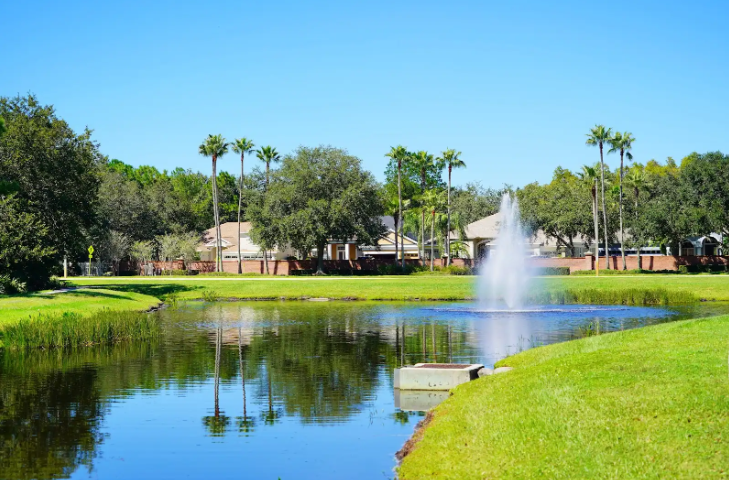
This Article provides valuable insights into the role of nutrients in ponds and lakes, explaining how excess nutrients contribute to water quality challenges like algae and weed growth.
We explore practical, eco-friendly solutions for addressing these issues, including nutrient remediation, beneficial bacteria, and hydro-raking, as well as preventative strategies like buffer management and shoreline restoration.
This article is designed to help communities implement sustainable practices that preserve the health and beauty of their waterbodies for years to come.

Stormwater Pond Management: Aren’t Nutrients in the Water Good?
SOLitude Lake Management
Nutrients are a cornerstone of healthy freshwater ecosystems, playing a vital role in fostering fish, micro-organisms, and native plants. However, perhaps due to the word’s positive connotation, property managers are often surprised to learn that abundant nutrients aren’t always good. Just as ingesting too many vitamins can make you sick, an excess of nutrients can cause harmful water quality imbalances. Like many things in life, moderation is key.
Over time, lakes and ponds become increasingly enriched with nutrients like phosphorus and nitrogen that create fertile conditions for excessive vegetation and algae growth. When it eventually dies and decays, it releases nutrients that fuel new growth. Without intervention, the cycle will perpetually continue until the waterbody fills in with decayed material. This process is called eutrophication—or, put simply, aging.
While nutrient enrichment is normal and may occur naturally over hundreds of years, human activities accelerate the aging process and can reduce a pond’s lifespan to just a few decades. Once a pond is filled in, it can only be restored by dredging out all accumulated materials. Dredging is one of the biggest expenses a community will ever face, but by understanding why nutrient enrichment occurs and how to help slow the process, communities can prolong the need for costly dredging for as long as possible.
During storms, rainwater picks up nutrient-rich materials and substances as it flows over sidewalks, roadways, agricultural land, construction sites, and other developed areas. The water is diverted to stormwater ponds that are specially designed to prevent flooding and filter out pollutants before the water is released downstream. Most urban ponds, particularly in homeowners communities, are man-made for this purpose.
Some of these nutrient-rich materials include:
Unsightly weeds, slimy mats of algae, and toxic blue-green algae (cyanobacteria) are common signs that your waterbody is over-enriched with nutrients. If water quality tests reveal that nutrients are above desirable thresholds, communities have several solutions at their disposal to help manage them.
First and foremost, property managers can implement impactful changes such as installing more trash bins and pet waste stations around a community, moving designated dog parks further from the vicinity of their ponds, and instructing landscapers to reduce fertilizer use and properly bag grass clippings and lawn debris. Every individual living or working in the vicinity of a waterbody influences its health and these small changes can have a significant cumulative effect over time.
Incorporating these best practices can help amplify the benefits of more impactful solutions:
Nutrient Remediation
This involves applying eco-friendly products that bind with or “deactivate” excess phosphorus in the water column and in the bottom sediments so it is no longer available for uptake by weeds and algae. Subsequent water quality testing will allow experts to assess if nutrient levels have been restored to an ideal range.
Biological Bacteria
Biological bacteria play a central role in decomposing plant debris and organic materials. Comparable to probiotics for your waterbody, supplementing these beneficial bacteria can help make the decomposition process more efficient and inhibit the accumulation of nutrient-rich muck. These bacteria need dissolved oxygen to thrive, so installing a fountain, surface aerator, or submersed aerator can enhance their activity.
Mechanical Hydro-Raking
In cases of significant muck and debris build-up, experts can use a floating barge equipped with a specialized clamshell bucket to physically remove hundreds to thousands of pounds of nutrient-rich material. This can also help restore several feet of depth back to the pond, limiting flood risks.
These strategies are highly effective at targeting excess phosphorus in the waterbody, but it’s also imperative to prevent additional nutrients from invading the ecosystem. Such efforts start outside of the water and can involve residents, landscapers, and other employees.
Buffer Management
While many communities desire an unobstructed view around their ponds, it’s favorable to maintain a healthy buffer of beneficial vegetation around the perimeter. These plants act as a protective barrier, filtering rainwater and capturing nutrients and debris before they enter the pond. A well-curated buffer should incorporate native plants that densely extend 3-5 feet from the shoreline and receive regular trimming and maintenance.
Shoreline Restoration
Pond erosion is not just an eyesore and safety hazard, it allows sediment to build-up in shallow areas around the shoreline. Tree roots, pipes, and other buried equipment can become exposed as sediment deteriorates. Experts can employ bioengineering techniques that physically reshape and anchor the shoreline in place, preventing future collapse and erosion. Sod or vegetative buffers can be installed directly on top to blend in harmoniously with community landscaping.
Nutrients play a major role in the health and appearance of community water bodies, but they are only part of the equation. Maintaining balanced levels of pH, dissolved oxygen, alkalinity, and salinity is essential for clean, weed- and algae-free water. An ongoing management program tailored to your community’s specific goals and budget is one of the most effective ways to ensure your waterbody remains healthy, beautiful, and functional for years to come.
As part of our commitment to professional development, we offer Continuing Education courses, each worth 1 credit hour. If your company/organization is interested, please feel free to contact me for further details.
Tags: Lake Management Articles

Great news! Our year-end savings have been extended. This is your sign to invest in your lake or pond’s health with a new fountain or aerator!
Get 10% OFF a new fountain, surface aerator, submersed aerator, or de-icer*! This discount applies to the new system PLUS labor and installation.
This special offer ends on Friday, November 15th. Claim your savings now!
| LEARN MORE ABOUT THE SAVINGS |
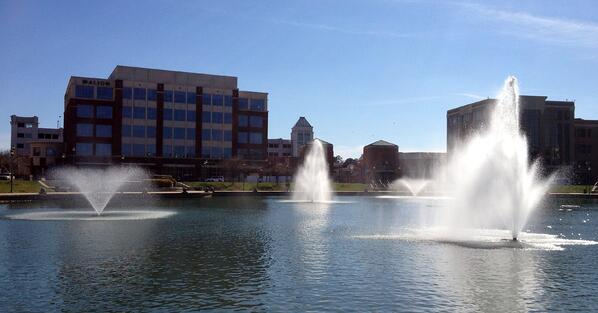
 According to the National Oceanic and Atmospheric Administration (NOAA), approximately 40% of the American population lives within coastal areas, despite the fact that they only make up 10% of the country’s total landmass. As anyone who lives on the coast can tell you, populations have continued to increase in recent years. It is unsurprising then that a large concern of many homeowners in these areas is the threat of hurricanes and the associated damage.
Most people in coastal areas typically live on or near man-made stormwater systems, which use inlet and outlet structures, forebays, safety benches, and other specialized components to collect runoff during storms. However, these sites can become a concern any time a hurricane approaches due to the increased risk of equipment damage and catastrophic flooding. The water in stormwater ponds is likely to rise much higher than normal during these events, so it’s important that community associations, municipalities, and private property owners take steps to ensure their waterbodies are in proper working condition during hurricane season.

Yard debris should be removed from around the site and streets should be cleaned of trash, since this will be flushed into the ponds via storm drains. Even a single plastic bag or soda bottle could effectively block a control structure and keep water from flowing off-site. Installing debris guards on control structures can be an effective preventative method, as well as the periodic flushing of trash from street drains.

Many lakes and ponds have fish feeders, fountains, submersed aeration systems, and other electrically run equipment. Unless it is absolutely necessary (like a pump), it is important to shut off and even remove this equipment from the premises. This minimizes the chance of damage to the equipment during a storm, especially if there are any electrical fluctuations. Another option is to install an anemometer to your fountain control box, which will shut off fountain power if wind speeds rise to dangerous levels.

A common phenomenon, both during and after a hurricane, is a fish kill. These events are often caused by the introduction of brackish (high salinity) water or an increase in turbidity (when large amounts of sediment are washed into a waterway). Many freshwater fish species near the coast can tolerate slight changes in water quality if they become acclimated to it, but rapid changes can lead to suffocation.
Fish kills can also be caused by stratification. This means the water is separated by distinct layers of temperatures and dissolved oxygen (DO) levels. The merging of these layers during hazardous storms can cause a fish kill – sometimes within a few hours or days. If it does occur during the storm, once it’s safe to do so it is important to remove as much of the dead fish as possible to prevent poor odors, decay, and the subsequent nutrient pollution that fuels nuisance plant and algae growth. But, if a fish kill has not yet occurred, it may be possible to reverse some of the negative impacts of the storm. Introducing a fountain or a submersed aeration system can help rebalance the water column by gradually circulating and increasing DO. Better yet, Oxygen Saturation Technology can be utilized to rapidly restore DO in the specific water layers that need it without creating thermal stratification.

One of the best proactive strategies is a professional stormwater inspection. During these inspections, aquatic management professionals can identify shoreline erosion, clogging or damage to concrete inlets and outlets, problematic invasive species infestations, and any other problems within the infrastructure that may lead to complications during high-water events. Sometimes this inspection can lead to recommendations such as flushing storm drains, repairing cracking hardscape, or clearing vegetation within the wetlands behind outflow structures to facilitate the flow of water from a pond.
Hurricanes are stressful events, even without having to worry about stormwater ponds in your coastal community. Understanding the potential areas of concern and creating an action plan ahead of time can help alleviate this stress. A few precautionary measures will help prepare your freshwater systems and will help minimize the chance of flooding, infrastructure damage, and fish kills during this dangerous yet inevitable weather event.
Tags: Lake Management Articles
Last week, our industry experts convened to talk about common pain points stakeholders experience around their lake and pond shorelines. During our first webinar viewers learned about top solutions for chronic erosion and effective preventative maintenance tools that can be customized for every property.
Viewers also got answers to dozens of questions during a dedicated Q&A following the presentation. These recorded videos will be available to you at all times so you can refresh your memory or catch up on the latest information. We are thankful for our loyal clients and followers and are honored to help you empower yourself with the knowledge needed to prioritize your waterbody! Direct link to the webinar page
Tags: Common Area Issues, Lake Management Articles, Maintenance & Service Articles, Management News