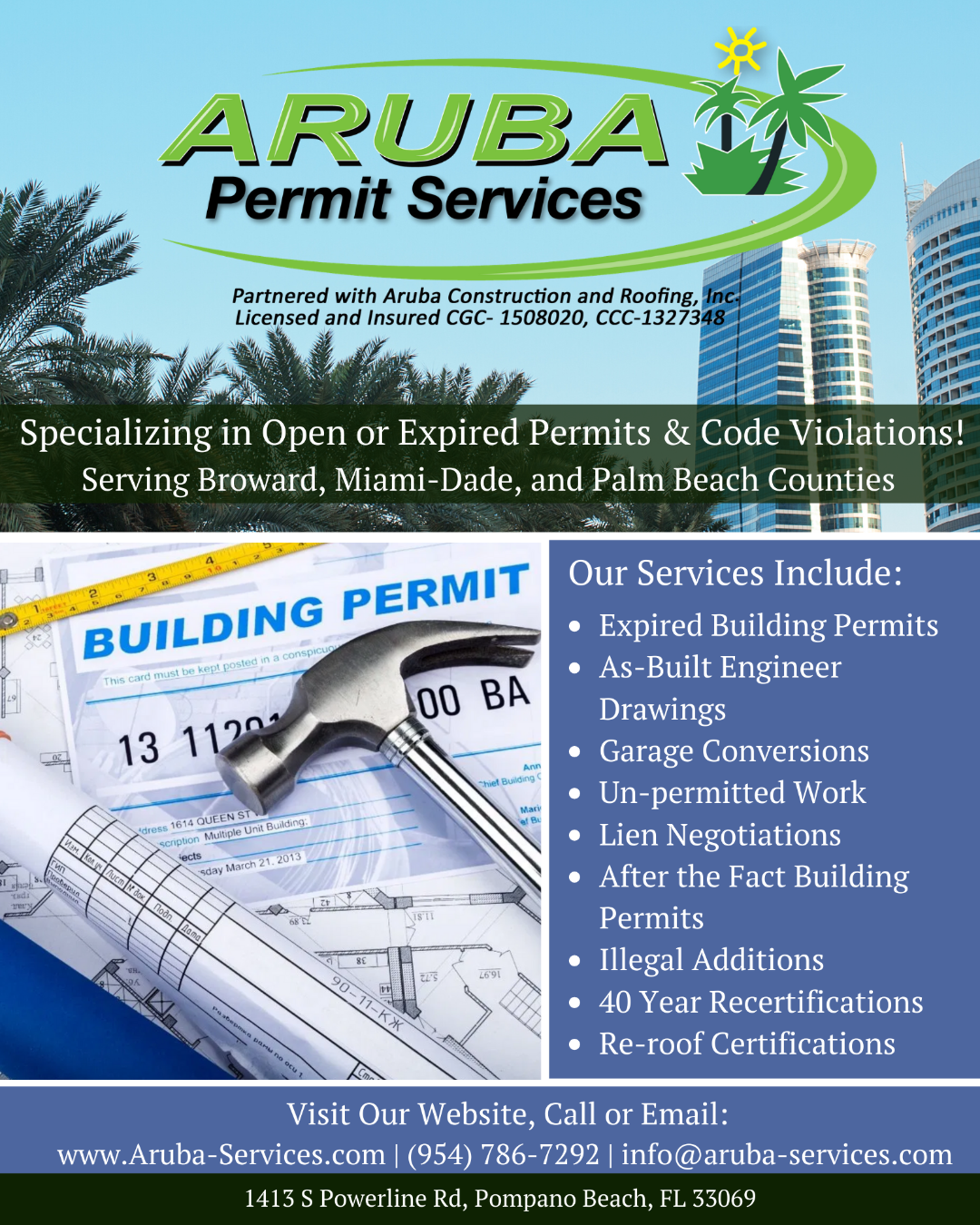
The Importance of Getting Permits For Additions and Improvements
Getting Permits For Work at Your House is Vital
 When you consider making improvements or additions to your home, it can be tempting to try and skirt the permit process. In some cities and towns, the cost and hassle of getting a permit can seem unnecessary, especially if you are handy and like to make renovations, or you have a friend who offers to do it for you.
Unfortunately, when you go and try to sell your home, the lack of permits can prove to be a real problem. Buyers may balk at purchasing a home that does not have permits – fearing that the additions may be unsafe or not properly done.
In the end, getting the property permits is always a good idea.
Often a home seller will say to me “I’m selling my home do I need permits for work I have done”? Unfortunately, the answer is usually yes you do.
The Temptation Of Avoiding Permits
The temptation to avoid getting a permit for home improvements is something every owner faces at one point or another. It is understandable, as the cost of home improvements and additions is already high in many cases.
The permit process – including the inspection to verify the work is up to standards – can seem like a pain. It may take some time to complete the process, time you may not feel like you have.
Those most tempted to avoid permits are homeowners that are interested in actually saving money by doing the work themselves, or bringing in a friend who has experience in home repair and renovation.
The friend – or inexpensive contractor you hire – may even imply that you do not need to worry about getting a permit. This, of course, is WRONG!
 The Real Reason Why Most Don’t Pull Permits
The real reason that many homeowners don’t pull permits isn’t that of paying a few hundred bucks to the town hall or the inconvenience that comes with it. Nearly every city and town in America collects taxes bases upon the assessed value of a home. Assessed value is calculated by looking at the size and characteristics of property.
What is the gross living area? How many bedrooms does it have? How many bathrooms? These are all factors in determining an appropriate assessed value.
Guess what happens when the tax assessor knows about the luxurious new finished basement with home theater, wet bar, home gym and beautiful bath you just added. If you guessed your taxes are going up, then you are 100 percent correct.
When no permits have pulled the town most likely will not find out, and your taxes will not take the upward climb, they would have otherwise.
Homeowners can save thousands of dollars over the course of owning a home when permits are not pulled. When selling a home, this becomes very problematic. If and when the town or city finds out about it, the new owner is the one who will bear the brunt of the increased taxes paid.
This will often lead to disputing high property taxes. In the case where the town has not collected taxes in years, it may be harder to get a justified abatement.
The Problem With Not Getting Permits
When you go to sell your home, there will always be a home inspection and an appraisal conducted by certified professionals. This is just part of the selling process, and it helps buyers know what they are getting into before they buy the home.
The inspector and appraiser will likely go over your house with a fine-toothed comb, looking over every area to verify that the home is in good working order – sometimes even checking all public records on the home.
There are no requirements for the home inspector or appraiser to check on permits for improvements to the home, but this does not mean someone will not ask about them. The inspector, the appraiser, the buyer and the bank that is doing the lending, all have the ability to request public records from your home, which will include the permits that have been acquired for the home.
A good buyers agent should always ask if there were permits pulled when a significant addition or finished basement has been added. These types of improvements can have a significant impact financially for a new owner.
You can run into major problems when someone discovers that renovations were done to the home without permits. This can, in fact, stop a home sale. There is an especially high risk of getting found out if the improvements were made recently.
The appraiser can see what the house consisted of when you bought it, and will notice if there is not an extra bathroom, deck or finished basement. The bigger the addition or improvement to the home, the more likely that someone will notice that something is off.
Buyers Want Certified Work
Unless you are in an extremely tight housing market, where buyers are desperate and will take anything, you can expect people to be concerned with any improvements that do not have the proper permits.
A lack of permits implies several problems to potential buyers, including safety and quality issues.
Safety Concerns
Customers want to move into a safe home. They may be planning to start a family, or already have children. They may just be uneasy about any work that was not done by a certified professional.
Part of the permit process is intended to verify that the improvements to a home were made properly, according to regulations, by someone who knows what he or she is doing.
Knowing that all safety rules and standard building practices were observed gives buyers peace of mind. Another would be hiring the local handyman to do electrical wiring a licensed electrician should have done.
In some cases, it is even possible that you may not have insurance coverage if there was a major catastrophe like a fire. The perfect example is the owner who goes out and buys a wood stove for the fireplace and doesn’t bother to pull an installation permit with the fire department.
Good luck getting an insurance claim if the insurance company finds out there are no permits, and the stove was the cause of the fire.
Quality Concerns
Safety may be the first thing buyers think about when they see you lack permits, but questions about the quality of the work will come quickly after.
The fact that you do not have a permit makes buyers think that you were trying to cut corners. You may have hired someone that was not fully qualified to do the work, or you may have done the work yourself and not known what you were doing.
Whatever the truth is, buyers will suspect shoddy craftsmanship when there is a missing permit. No one wants to pour hundreds of thousands of dollars into a home with poorly crafted improvements.
A good example here is all the homeowners who had to deal with removing ice dams this past winter. There are a lot of negative things ice dams can do to a home including mold. In cases where mold is bad walls may need to be removed and rebuilt.
If it is bad enough, you may even need to relocate or replace the electrical wiring. Could a homeowner fix this themselves? I am sure many have. That doesn’t mean hiring a professional who pulls a permit for this kind of work is not the right way to go.
What Happens When I Don’t Have Building Permits
One of the questions I am often asked by homeowners when they are considering selling is what will happen if I don’t have a building permit for work done on my home. There is no clear cut and dry answer on this but in my experience, the local city or town will ask the homeowner to go through the permitting process.
The owner will, of course, have to pay all necessary fees involved with the construction. Each of the applicable inspectors will also need to come through and inspect the work.
Many homeowners are asking this question because they want to know if the town will make them rip out everything they have built and start from scratch. In my twenty-nice years of selling real estate I have not experienced this.
That, however, does not mean it is not possible. Homeowners should be very apologetic to the local building department when it has been discovered there are no permits pulled.
What Are Additional Risks of Not Pulling Permits
One of the other risks of not pulling permits is getting sued later on down the road by the buyer who purchases your home. Unfortunately, we live in a sue-happy society where people are always looking for someone to blame. 
When you don’t pull a permit, and something tragic happens years down the road, who do you think they are going to come after?
In Massachusetts when selling a home, it is standard practice that homeowners fill out a form called the “sellers statement of property condition.” Lots of states use these forms.
They are primarily a disclosure of what the seller knows and doesn’t know about the home. One of the first questions on this form asks “have you done any work on the home in which a permit was required.” You better answer this one honestly folks for the reason above I just mentioned!
When Do I Need to Pull a Building Permit?
There is no clear cut and dry answer on when you will need to pull a building permit for an improvement to your home. The best way to find out is to pick up the phone and call the local building department or stop in for a face to face.
The building inspector should be able to quickly tell you if you will need a permit for your project or not.
It is safe to assume that anything safety related will require a permit. You can also expect that a permit will be necessary when you are doing something that will significantly alter your home.
One important reminder – When all the work has been completed don’t forget to have a final inspection and get the permit closed out! Over the years I have had several clients who have done the right thing and pulled a building permit but never closed it out once all the work was completed.
Closing out a permit is often called getting a certificate of occupancy. Recently while selling a home, I ran into this exact situation.
The owner pulled an original building permit but never asked for a final inspection, so the project was never filed as completed. Luckily, the building department did not make them do anything special other than getting a final inspection.
You could, however, find yourself in a situation where you are not so lucky if there are code changes between the time the permit is pulled and when you are selling your home. So make sure when the project is completed a final inspection is done, and certificate of occupancy is issued.
Here are some examples of items you will more than likely need a permit for:
- A finished basement.
- A bathroom remodel or adding a bathroom.
- The addition of a deck.
- The addition of a screened porch.
- Changing or upgrading your electrical service.
These are just a few quick examples. There are many other items for which you will need to pull a permit.

Tags:
Building Maintenance,
Florida Rising Magazine,
Management News,
Members Articles


 When developers create residential communities and commercial areas, they need to take into account how much water needs to be stored or moved in order to prevent the project from flooding during major rain events. Through careful planning and design, they route stormwater away from our homes and into a system of lakes and canals. The size and number of lakes in our communities are a result of those calculations. Lakes are dug to create a storage area for water runoff from storms. The fill dug from the lakes is then used to raise the elevation of the homes around them.



 [/one_third] [one_third]
 [/one_third] [one_third_last]
 [/one_third_last]
 [/one_third] [one_third]
 [/one_third] [one_third_last]
 [/one_third_last]
 [/one_third] [one_third]
 [/one_third] [one_third_last]
 [/one_third_last]




 On June 8, Miami-Dade County allowed fitness centers/gyms to reopen. A look at how one building reopened can provide valuable lessons. The Continuum is a 523-unit luxury condominium in South Beach managed by Marquis Association Management, and it is using a suite of products from BuildingLink to keep residents safe and reduce liability.