“Why does our HOA need a lake management company?”
|


[AdSense-A]
Tags: Lake Management Articles, Management News

Find Blog Articles for Florida’s Condo, HOA and the Management Industry.
|
[AdSense-A]
Tags: Lake Management Articles, Management News
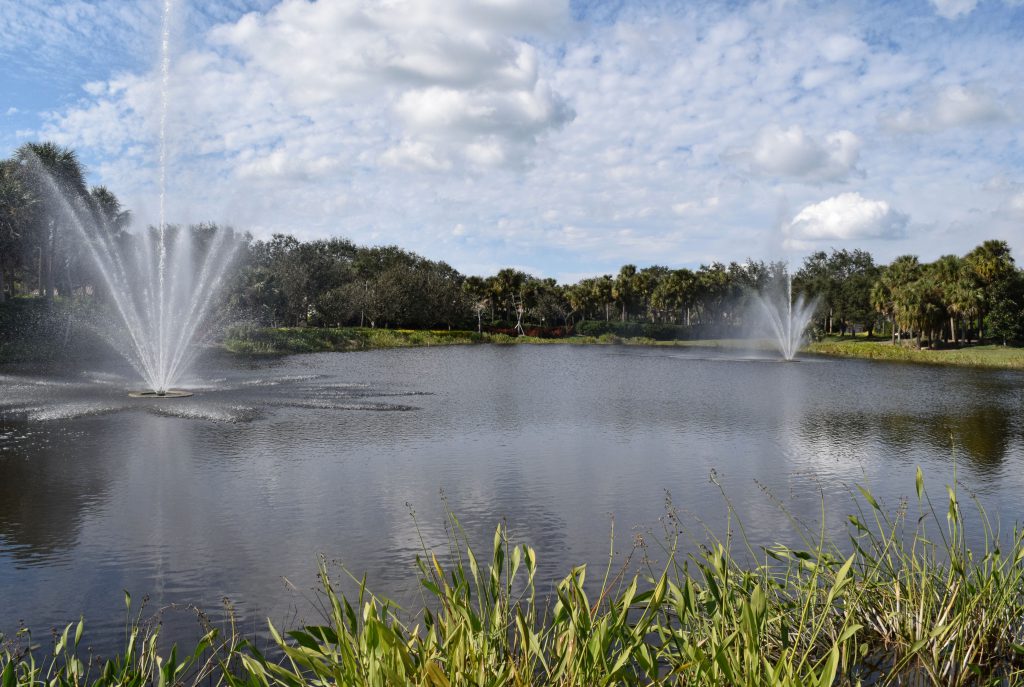
Neglecting to stay on top of water quality issues may require reactive management approaches like herbicides and algaecides. Though these tools are effective, they are only treating the symptom of a bigger issue…
Proactive, natural solutions like aeration or beneficial buffers can help balance water quality, giving you the beautiful, clean water you deserve to enjoy.
Written by Industry Expert Gavin Ferris, Ecologist
 I frequently use herbicides and algaecides in my line of work. Having attended college and graduate school to be an Ecologist, it isn’t something I thought I would do very often, but with the frequency of environmental problems that involve invasive flora, nuisance aquatic weeds and potentially-toxic algae, EPA-registered herbicides and algaecides are an invaluable tool. There are, however, times when their use is impractical, imprudent, illegal or impossible. Maybe the HOA or property manager prefers that herbicides not be applied to nearby waters. Perhaps the regulatory bodies in a given area aren’t permitting the use of certain products. Whatever the reason, sometimes this option just isn’t on the table. But how do we effectively manage algae and aquatic weeds without herbicides and algaecides?
I employ a simple concept that I call the algae triangle, though it works for all forms of vegetation.If you had the same fire safety lessons in elementary school, you may remember the Fire Triangle, which is based on the idea that three elements are necessary for fire: fuel, oxygen and heat. If you have enough of all three, you’ll ignite a fire. Eliminate any corner of the triangle, and the fire goes out. Similarly, if you have water, sunlight and nutrients, you’ll likely develop some form of algae or vegetation. If the triangle becomes too imbalanced, the resulting plant species can become a nuisance.
Obviously, in the lake management and pond maintenance field, we aren’t removing water from the equation, so establishing balance between each factor is the focus. Putting this concept into practice means understanding how sunlight and nutrients affect the ecology of the waterbody in question. Communities have several natural options to help mitigate against algae and aquatic weed growth, including limiting sunlight, improving water circulation and reducing excess nutrients.
 If a stormwater pond receives full sunlight during the growing season, this directly impacts plants and algae by increasing water temperatures and providing the light necessary for photosynthesis. To prevent sunlight from penetrating the water column and stimulating the growth of deep submersed plants and benthic algae, water levels can be increased. Dredging is an effective strategy to increase the depth of a lake or pond, however, it is often the costliest project a community will ever face. Instead, proactive hydro-raking can help maintain existing water depths and prolong the need for dredging by removing unconsolidated muck and organic debris from the bottom of a lake or stormwater pond. Likewise, blue or black pond dye can be applied to reflect sunlight. Pond dye can enhance the aesthetics of a waterbody while simultaneously absorbing sunlight before it can penetrate the waterbody and fuel excessive plant growth.
In addition to thriving in water that receives lots of sunlight, algae and nuisance weeds also flourish in stratified waterbodies. A stagnant, sun-warmed layer floating on top of colder, deeper water can serve as a perfect habitat for undesirable species. Circulation with a diffused aeration system breaks this stratification and allows the water to mix more evenly, resulting in more consistent temperatures and less warming in the sunlit portions of the water. Aeration is also effective at improving the health of an aquatic ecosystem in a number of other ways, such as preventing oxygen depletion and fish kills, improving beneficial bacteria levels, and preventing the release of excess nutrients from the sediment. This brings us to the real meat and potatoes of preventative maintenance: nutrient management.
Phosphorus is the most important nutrient contributing to excess vegetation in lakes and stormwater ponds, and it can enter the water column in runoff containing lawn fertilizers, grass clippings, pet droppings, and waste from faulty septic systems. A number of nutrient reduction strategies should be considered if water quality tests reveal nutrient levels are too high. A professional lake manager can apply beneficial bacteria to the waterbody to utilize nutrients that would otherwise be available for plant and algae growth. Water quality can also be amended by using products that bind with phosphorus to keep it from becoming fuel for nuisance plants. Additionally, strategically planting desirable buffer vegetation around the shore of the waterbody can help to intercept phosphorus before it enters the water and is absorbed by unwanted vegetation. Your lake manager can help identify buffer plants that are native to your region.
When it comes to quickly and effectively managing nuisance aquatic weeds and algae, EPA-registered herbicides and algaecides can be very useful, and in many instances, they are the safest and most practical option available. Nonetheless, natural and proactive pond maintenance techniques can be tremendously effective at improving the health and appearance of almost any community waterbody before a problem occurs, which is why it’s important for homeowners associations and property managers to consider sustainable and holistic plant management methods whenever possible.

SOLitude Lake Management
Josh McGarry
Business Development Consultant
SOLitude Lake Management
Info@solitudelake.com
(888)480-5253
[AdSense-A]
Tags: Lake Management Articles, Management News
Many condominium and homeowners’ associations’ activities are required to have a certain amount of transparency.
One way that association activities are made transparent is through statutory provisions requiring most kinds of meetings to be open and noticed to the membership. In fact, applicable laws governing the operation of condominium and homeowners’ associations allow board members to communicate by email but prohibits them from voting on issues by email.
Notably, a gathering of a quorum of board members to conduct association business is considered a board meeting (whether taking place in person or by real-time electronic means) and is required to be noticed and open to association members. However, two important exceptions apply. Namely, meetings of the board or an association committee at which the association’s attorney is participating for the purpose of rendering advice upon proposed or pending litigation are not required to be open to association members. Similarly, board meetings held to discuss personnel matters are also not required to be open to association members.
Association members are entitled to speak at open meetings on “designated items” (HOA) or an item on the agenda in a condominium. However, the rights of members to speak at meetings is subject to any rules adopted by the association governing the frequency, duration, and manner of member statements. The right to attend open meetings includes the right to tape record or videotape them, as long as such recording activity is not disruptive. Furthermore, the Division of Florida Condominiums has adopted rules regarding recording condominium association meetings (found in Fla. Admin. Code Rule 61B-23.002(10)), and the Homeowners’ Association Act provides that homeowners’ associations may adopt their own pertaining to recording homeowners’ association meetings.
As such, there are statutory meeting requirements that must be followed for board meetings which must be kept in mind when an association is adopting or changing its procedures. Failing to follow the basic statutory requirements may result in problems. Questions about board meetings, committee meetings, which have their own set of requirements, and members’ meetings should be directed to legal counsel for guidance.
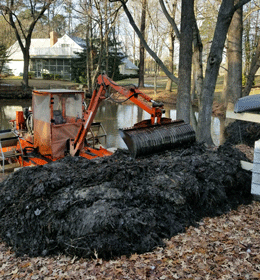
When you step into your lake, do you step into thick, foul-smelling muck? Maybe invasive weeds are hindering your view of the beautiful water?
Whether you enjoy fishing, boating, or swimming, nearly everyone has a lasting memory that centers around a great experience at a lake or pond. Unfortunately, the effects of time can slowly alter the appearance of a waterbody until it no longer resembles the place you fondly remember. Just as you age, lakes and ponds have a lifespan that is dependent on many factors, including vegetation growth, muck buildup, and more. If it is not properly managed, a body of water will eventually fill in with organic materials until it is no more than a small puddle. Luckily, there are strategies available to help restore the longevity of your favorite lake or pond.

Hydro-rakes can operate in most bodies of water, including those as shallow as 18 inches, and up to depths of 10 feet. A hydro-rake is best described as a floating barge containing a mounted backhoe arm (boom and dipper) with a York rake attachment. These attachments are used to scoop organic materials out of the waterbody, with the ultimate goal of improving water quality, increasing water volume, reducing bad odors, and creating a healthier, more balanced aquatic ecosystem. Most often, this entails the removal of decaying organic matter, leaf litter, tree branches, nuisance or invasive plant species, and other debris from the waterbody.

While native aquatic plants are often beneficial for lakes and ponds, the presence of certain nuisance and invasive species can cause the balance of an ecosystem to spiral out of control. Invasive milfoil, fanwort, and water chestnut, for instance, create dense mats in the water that block sunlight and exhaust dissolved oxygen. These invasive plants reproduce rapidly through both seed propagation and fragmentation. Native plants like cattails and water lilies can also be considered undesirable, depending on the extent of growth and the management goals for the waterbody. Lake and pond owners may utilize hydro-raking to physically remove nuisance and invasive plants. Depending on the undesirable plants present, a professional lake manager may recommend time frames throughout the year most conducive to plant removal via hydro-rake. An effective hydro-raking project will be completed at times when plant fragmentation is least likely in order to ensure lasting results.

A professional lake manager can design a hydro-raking plan that provides seasonal management of submersed plants and at least 2-3 years of management for floating leaf and emergent species. For particularly dense invasive species infestations, the strategic application of EPA-registered aquatic herbicides may also be necessary to ensure thorough management of the problematic plant. While hydro-raking serves as an effective management tool for the removal of rooted and submersed nuisance plant species, other species can be best managed with additional strategies, like mechanical harvesting, which targets algae and floating leaf plant species such as water hyacinth and giant salvinia.

Your waterbody does not need to be overrun with undesirable plants to experience the positive results of a hydro-raking project. Often, it is the best management solution for lakes and ponds containing thick bottom sludge or years of accumulated muck. A hydro-rake can collect up to 500 pounds of muck in each scoop and deposit it on the shore for off-site disposal. Or, the muck can be used to reshape crumbling shorelines using a patented bio-engineered shoreline system called SOX Solutions.

The removal of this muck can be a critical turning point for a lake or pond suffering from poor water quality, bad odors, flooding issues, or nutrient pollution. As leaves, grass clippings, trash, and other debris are swept into a waterbody by runoff during rainstorms, they begin to decompose. This causes them to release unnaturally high levels of nutrients that fuel invasive plant infestations as well as Harmful Algal Blooms, which can produce dangerous toxins with suspected links to degenerative diseases like Parkinson’s, Alzheimer’s, and ALS.
The removal of this nutrient-rich organic material can prevent undesirable plant and algae growth while improving water quality and volume. Ultimately, the best method to ensure your lake or pond maintains its health is preventative management. Biological dredging, for instance, utilizes beneficial bacteria to naturally eliminate excess muck at the bottom of a waterbody. This management tool is excellent for lakes and ponds in need of minor spot dredging or upkeep. Other proactive strategies aimed at reducing muck build-up and nutrient loading include buffer management, nutrient remediation, and aeration tools.

Hydro-raking can be extremely effective at removing plant matter, organic material, and debris, but mechanical dredging or hydraulic dredging can serve as transformative solutions that will increase depths and remove plant fragments, sediment, and other debris from the site. Though typically thought of as costly and more disruptive, dredging is often the best approach for lakes and ponds that have been neglected or misused for long periods of time. And with the help of bathymetric mapping technology, your lake management professional can help you quantify the rate of sedimentation and predict when dredging will eventually need to take place. With this information, you can better budget for and strategize your future dredging project. It’s never too early—or late—to begin implementing strategies that restore your waterbody for lasting beauty and enjoyment for years to come!



Robert L. Kaye, Esq., BCS | Legal Morsels
 A large percentage of Florida residential property owners are subject to restrictive covenants on their property, be it by a declaration of condominium or declaration of covenants. In addition to these restrictions, Florida Statutes contain additional restrictions that apply to these properties, some of which involve use restrictions. For condominiums, the provisions of the statutes are of a heightened significance because but for the statutes, condominium ownership of property does not exist. However, for homeowners’ associations, restrictive covenants have been in use for centuries, well in advance of the existence of such statutes. As a result, certain statutory provisions may not apply to every homeowners’ association in Florida.
There is a restriction within both the U.S. and Florida Constitutions that limit the ability of the state to enact a law that will impair an existing contract or vested contractual right. Use restrictions contained in declarations of covenants have been identified by Florida courts as existing contracts between the property owner and the entity that operates the community under the governing documents (the association). There is also case law in Florida that addresses whether a change in the statute applies to the community based upon if a particular phrase is included in the governing documents (commonly referred to as Kaufman language).
If the governing documents include Kaufman language, any changes made by the legislature in a given year will automatically be incorporated into the governing documents and apply to that community. Conversely, if there is no Kaufman language, only what is referred to as “procedural” changes made by the legislature will apply to that community. An example of a procedural change would be a change in a notice requirement for elections. Statutory changes that are “substantive” would not apply in that instance to that community. An example of a substantive change would be requiring the association to take on all exterior maintenance of the residential dwellings (presuming the documents do not already provide for that obligation). Without the Kaufman language in the governing documents, this latter statutory change would not apply to that community, as such change would likely be considered unconstitutional.
During the legislative session in 2021, Section 720.306 of the Florida Statutes was amended to add subsection (h), which provides, in pertinent part, that any amendment to a governing document after July 1, 2021 that prohibits or regulates rental agreements applies only to a parcel owner who acquires title to the parcel after the effective date of the amendment or to a parcel owner who consents to the amendment (with specific exceptions relative to short term rentals and limiting rentals to up to 3 times a year). However, under the analysis discussed above, rental restrictions and the ability to amend governing documents are generally considered substantive vested rights. As such, this new statute appears to impair the existing contractual rights of many property owners in homeowner association communities.
The first step in considering whether this new rental restriction change applies to a particular homeowner association community is to check the governing documents for Kaufman language (this also assumes that the documents were not initially created on or after July 1, 2021). Typically, Kaufman language is not included in original documents by developers of communities, but many associations have added it by amendment after the developer was no longer involved. If the Kaufman language is in the documents, the new statutory rental restriction provisions apply. If, however, there is no Kaufman language, the new rental restriction statute would not be applicable to the community. In this instance, the membership could still amend the governing documents to prohibit or regulate rentals within the community, which should be enforceable against all current owners, regardless of whether or not they voted in favor of the amendment.
The issue of whether or not this new statutory change regarding rental restrictions violates the Federal and State Constitutions has not been tested in the Florida or Federal courts as of this writing. Before considering amending the governing document in a homeowner association community to create rental restrictions, it is recommended to consult with the association attorney as to the limitations that may apply.
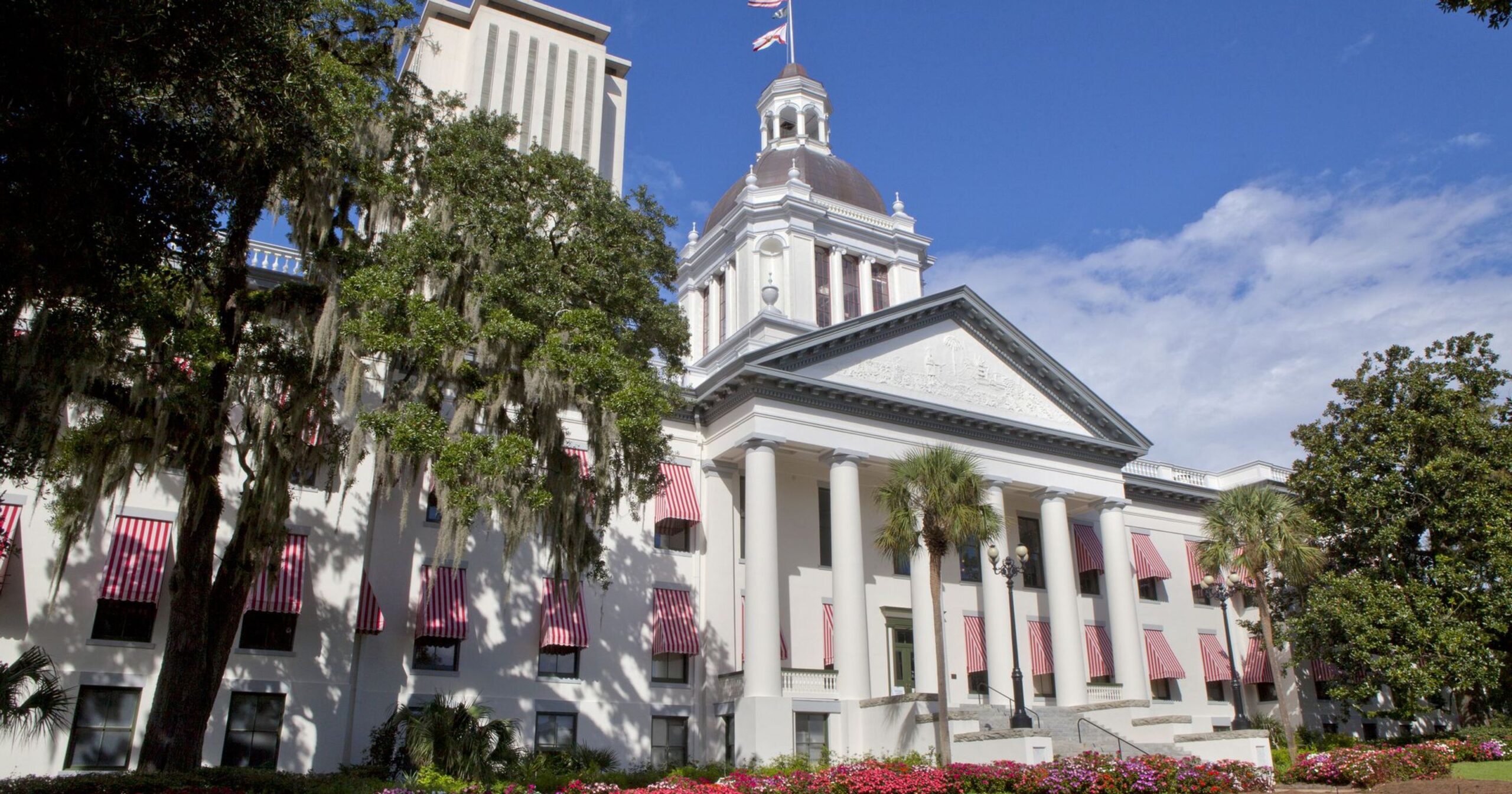
Florida passed the statewide Condominium Safety Bill in Wake of the Surfside Building Collapse back in June of 2021. This is a major, positive change moving forward in the safety of the condominiums.
What does this bill entail?
The structural integrity reserve study at a minimum, must include:
Looking ahead:
The State of Florida Property Management Association (sfpma.com) and the many members are offering their services. On our members directory Condo & HOA’s all over the state can find the top rated companies to handle their buildings inspections, engineering, fire safety inspections, roofers, painting and waterproofing, plumbers and electricians for all of your Building Maintenance repairs.
On top of these are the Law Firms, that help with making sure your buildings are legaly ready for the changes.
We understand with all of these changes each condo and hoa will need help with funding the reserves into the future, so we did not forget this: Our industry members include the top financial companies, ie: Banks and Loan companies ready to help wth your investments. Act now start saving and growing your reserves, at times you will also need to get your accounting and bookkeeping with the added help from our collections members to make sure you cn get the funding to perform the many needed repairs.
If you are not listed become a member today!


Whether you are an experienced board member or thinking about becoming one, having a foundation for effective community association board leadership is important.
By becoming a community association board member, you step up to take on positions of service and responsibility. You’re now expected to anticipate issues, solve problems, meet the expectations of residents, and protect property values.
Here are five important skills to possess as a board member:
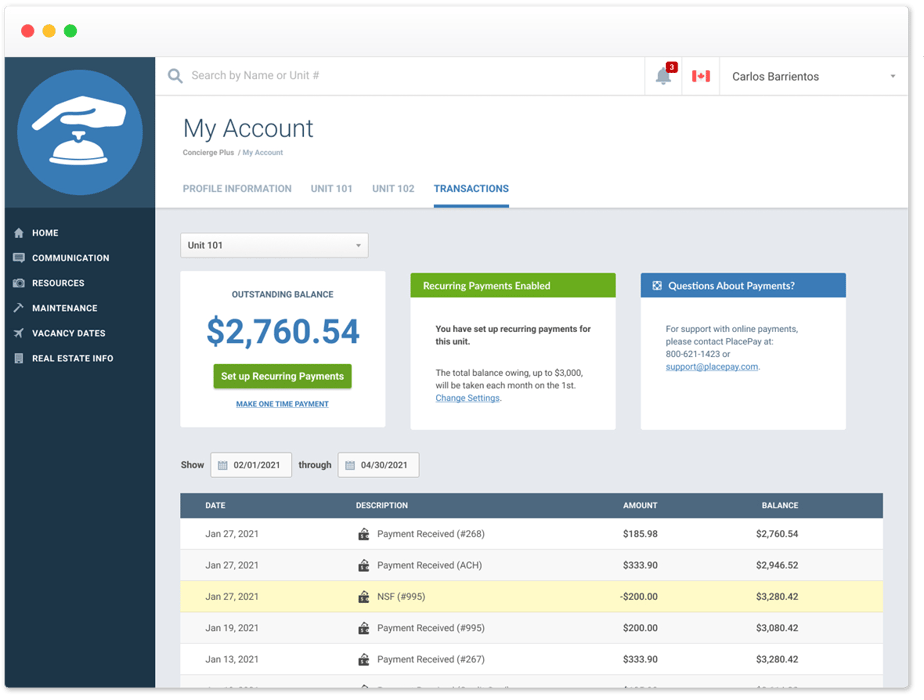
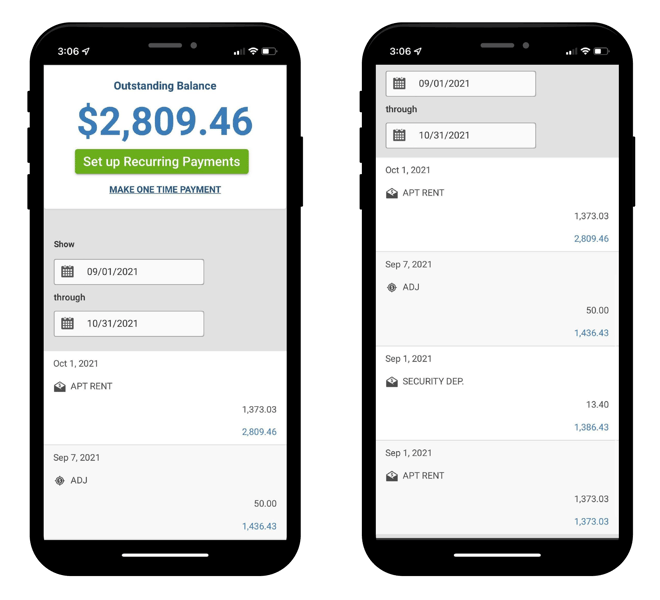
Since the tragic Surfside condo collapse, residents are asking for more transparency from their elected board members. Board members can use Concierge Plus as a platform for keeping residents in the loop with regards to anything related to their community.
Below are few Concierge Plus features that can help you become a transparent board member:
Community association board members should serve with the best interests of their communities in mind. The law imposes a level of care and loyalty, owed by board members to their associations. It is vital that you receive proper education and training in order to understand your obligations and fulfill your fiduciary duty to the association.
Book a meeting with our experts today, and see for yourself how thousands of board members across North America have become more informed and effective using our platform.