Become our Member : JOIN SFPMA TODAY   LogIn / Register: LOGIN/REGISTER

SFPMA Industry Articles | news, legal updates, events & education! 

Find Blog Articles for Florida’s Condo, HOA and the Management Industry. 

Want to take part in the decision making, step up, and run for the board. Learn about Boards how they function and How to Run Decision Making Meetings.

Want to take part in the decision making, step up, and run for the board. Learn about Boards how they function and How to Run Decision Making Meetings.

  • Posted: Nov 04, 2024
  • By:
  • Comments: Comments Off on Want to take part in the decision making, step up, and run for the board. Learn about Boards how they function and How to Run Decision Making Meetings.

Everyone has something to say about the Boards Decisions, but not many want to become a board member!

When an owner approaches me to complain about the decisions of the board of directors at his or her association is;  The First Question I ask is- “did you attend the meeting that decision was made at?” The Second Question is- “have you considered running for the board so that you can be part of the decision-making process?” All too often the answer to both questions is no. If you want to understand why your board makes the decisions they make and possibly influence those decisions the best way to do this is to attend the board meetings and comment on items you have knowledge or concerns about on the agenda. Want to take part in the decision making, step up, and run for the board. – by Royale Management Services


The vast majority of business decisions are made in meetings. While small decisions are made in all kinds of meetings, the more important decisions often get their own dedicated meetings.

There are different types of group decision making processes, and care should be taken to choose a process that best matches the situation. A decision making process can include group activities like information gathering and sharing, brainstorming solutions, evaluating options, ranking preferences, and voting on the final options. Below are the most effective ways of running decision making meetings.


Primary Goals for Decision Making Meetings

Goals for a decision-oriented meeting can vary a little based on the type of decision being made, but they are always centered on coming to a consensus about a future plan. It is important to remember that the goal of these meetings also includes planning how to best execute the decision that has been made.

Make the best possible decision

If a decision making process is flawed and dysfunctional, the decisions will be bad.

By involving a group in making a decision you can rely on collective intelligence; knowledge beyond what is possible with individual decision makers. Because each participant has unique information and perspectives, combining group information leads to more informed decisions. However, it is important to use meetings designed specifically for group decisions efficiently, to not waste the group members’ time.
If all planning decisions were made by one person, not only would the choices be uninformed, there would also be little unity around team goals and direction.

Planning for execution

When individuals feel that their opinion has been considered in the group planning, they are more likely to embrace the decisions and work to carry out those goals.

Most discussions of decision making assume that only senior executives make decisions or that only senior executives’ decisions matter. This is a dangerous mistake.

Participatory decision making leads to increased team productivity and likelihood of goal execution, because team members feel ownership and responsibility for the decisions made.
Addressing both short term and long term goals at your decision making meetings is a great way to make sure team members leave with a direction and know the next steps. The short term plan can be as simple as outlining action items and assigning tasks. In the long term it could mean setting a timeline of general dates and milestones. Initial planning can be an effective way of aligning the group and cementing the decision that was made.


Key Roles in Decision Making Meetings

The participants in decision making meetings may play different roles. Understanding the distinctions between these levels of involvement is a useful way of holding members accountable for their role in implementing decisions.

Meeting leader

In order to avoid getting off topic it is recommended that one person be in charge of guiding the direction of team negotiation. In addition, it can be helpful to use some elements of status update meetings in order to have meeting attendees present and be held accountable for research into the decision being made.

Those with authority to carry out the decisions

For decision making meetings it is particularly important to include all relevant persons with authority to carry out the decision. If decisions are made without including the relevant people, it can often be very challenging to implement the resulting decision.

In some cases, it can be useful to dedicate one leader of a team to be a representative for that group. Often, this job is given to someone in a senior position, but it can be fulfilled by anyone capable of accurately reporting information on behalf of a group. If this method is used, the representative should be prepared to report back to the team the consensus that was reached. Without this information exchange, the group unity that should have been a result of the group meeting is lost.

Note taker and process observer

Decision making meetings can often get derailed or become ineffective for a variety of reasons. To counter this, it can be helpful to include a note taker and process observer. These roles should be filled by people not directly involved in the decision so they are not biased toward any particular opinion. A note taker records what was suggested and decided throughout the meeting while a process observer records how those decisions were met. Incorporating these roles can lead to a lasting group understanding as well as ability to improve decision making meetings in the future.


Common Challenges in Decision Making Meetings

Making group decisions can be hard. Making good group decisions is even more challenging. However, good decisions is what can make or break your project or even your company or career. Being aware of the most common challenges in decision making meetings will move you closer to facilitating successful group decision making.

Incomplete information and narrow perspectives

An important aspect of collective decision making is to incorporate a broad spectrum of opinions and ideas, and through group collaboration converge these into a best possible solution. This process is easier said than done. Getting to a solution often involves dealing with a lot of conflicting agendas and opinions which are not easily resolved.

Identifying the best possible solutions

Another classic challenge of the decision making meeting is knowing what possible options are worth further consideration and discussion, and which options to discard early. Time is often wasted discussing possibilities that are not even among the most likely or best choices.


How to Host a Successful Decision Making Meeting

Decision is the spark that ignites action. Until a decision is made, nothing happens.

A great decision making meeting effectively incorporates all participants, benefiting from the knowledge and experience they bring to the process. Giving all relevant parties the opportunity to participate in the decision making process increases the quality of the decision, adds to the collective understanding and support of the outcome, and ensures successful implementation.

Consider all relevant information

We want as much relevant information as possible to go into the group decision process. This means involving as many stakeholders as practically possible to provide input when it comes to defining the problem area, come up with possible solutions, and evaluate options.

Generate and evaluate possible solutions

Identify and agree on solution requirements before starting to brainstorm potential solutions. Then, invite to brainstorm solutions with an open mind, focusing on the issue rather than the person presenting the idea. Use the solution requirements to evaluate the various suggestions, identifying the top ideas for further consideration.

Get everyone on board

The secret of change is to focus all of your energy, not on fighting the old, but on building the new.

One of the most important aspects of decision meetings is to create unity around the decision that is created. When each participant feels their opinion has been fully considered as part of the decision making process they are more likely to feel ownership of the decision, even in cases when it is not the outcome they hoped for.


Better Decision Making Meetings with Technology

Collaborative technologies today like Zoom and a good website where owners can read and voice their opinion on subjects that will impact them are being used to make group decision processes easier to manage, more efficient, produce better solutions, and improve execution of decisions.


Easily include and engage all key stakeholders for more complete information

Using smart device-based participation levels the playing field and provides an efficient way to share information and reach group consensus. The unruly nature of decision making meetings is easily structured with Zoom and a good Website for your association, because participants are presented with real-time visualizations and group opinions as the discussion moves forward.


Quickly tap into the group’s knowledge and expertise

Having participants use Zoom and a good Website for your association to evaluate options will help focus on the task at hand. Collecting decision preferences automatically, rather than manually, speeds up the process. Not only does that mean less time spent on interpreting where a group stands but it also allows for more people to be involved in the process at the same time.

For example, conducting a brainstorm with a large group of participants using whiteboards, flip charts, and post it notes can get messy. When people are contributing one by one it takes a considerable amount of time. The Zoom and a good Website for your association everyone can brainstorm, this activity lets group members submit ideas concurrently, via their own smart devices and computers making sure to accurately record and organize all inputs. This saves time for everyone involved, no matter how large the group is


Real-time visualizations of options and opinions focuses the discussion

Zoom and a good Website for your association are well suited to measure group opinions. In the case of an extended discussion it can be helpful to take multiple snapshots of opinions, as they can change over the course of the conversation. Taking a quick group poll, ranking, or evaluation after an initial conversation will clearly identify where the group feels their time is best spent. This allows the discussion to stay centered on the most important and relevant issues. The group will be able to use these baseline opinions as a jumping off point for focused conversation, establishing a common ground and sense of unity which will set the stage for successfully reaching a decision.


Engaged inclusion of stakeholders generates buy-in and better execution

Unfortunately, just organizing a group decision making meeting does not necessarily assure that each person in the room will leave feeling that they have been heard. Using Zoom and a good Website for your association ensures each person gets to contribute on an even scale. Because, participants can literally watch their voice be factored into the results. Playing an active part in the decision making process generates a sense of ownership and responsibility for the results, which in turn ensures active participation in carrying out the plan.


Adding to this: COVID-19: Technology and Social Distancing by Becker Lawyers.

COVID-19 has introduced new challenges to the way we meet and work together in our communities. Many of our daily community association activities include in-person interaction, from regular meetings to conduct association business to elections and other membership votes. Social distancing, the new normal, has necessitated a change to our behavior. While we continue to learn more about the COVID-19 virus and how it is spread, we do know that limiting in-person interaction can greatly reduce risk. Modern technology is a powerful tool to help reduce the transmission of the virus and allow us all to continue with our normal community association business. The following are a few options to consider as your association works to reduce risk in your community.

Voting

A standard election or membership vote often involves voting on a paper ballot. In addition, other types of voting events also include meeting in person, either to cast a ballot or participate in an annual meeting. At this time, we don’t know exactly how long the virus lasts on surfaces, but experts do believe it can be transmitted by touching surfaces. While social distancing and other guidelines now require we limit group activities and avoid public gatherings, there are a number of technologies that allow voters to participate in elections and cast membership votes safely from the comfort of their own homes.

Online voting is a Florida approved option and is a powerful tool to ensure association members can easily participate without the risk of exposure to the virus from in-person meetings or via voting materials. If you have an upcoming election or other membership vote, consider adding online voting to your process to avoid the need for physical materials and in-person participation.

Association Documentation

Community associations are required to provide access to association documents in the form of document inspection requests, a common practice that is sure to continue even during these uncertain times. We expect COVID-19 to affect the normal course of business for at least the next few months, especially as we continue to avoid in-person meetings and handling physical materials.

Instead of requiring in-person document inspections, consider posting your association documentation to your community website. Community association website software offers tools to upload association documentation and share links via email. These tools also allow you to easily post all Florida required association materials to a password protected area of your association’s website, facilitating ease of access and satisfying document inspection requests. These tools are simple to use and are cost-effective methods to continue to support your membership while helping to stem the transmission of the COVID-19 virus.

Association Communication

As we have seen, communication during an uncertain time is crucial. Your community association website is an instrumental channel to quickly and effectively communicate with your association membership. By posting official notices on how your community is managing the outbreak, your website provides a quick and centralized mechanism to ensure your association is apprised of the latest information. We all rely on websites for information and entertainment, and we will likely spend more time online now that our out of home activities are limited. Take this opportunity to direct your membership to your association website for the latest community updates.

We are all facing the challenges COVID-19 has introduced. Social distancing, cancelled activities, and the overwhelming amount of information only adds to the stress of this evolving situation. Technology can be a powerful equalizer, enabling us to work together in safe conditions and keep lines of communication open to all.


Tags: , ,
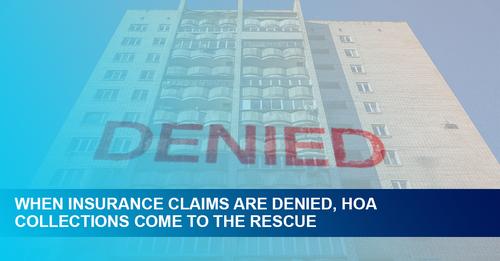
When Insurance Claims are Denied, HOA Collections Come to the Rescue.

When Insurance Claims are Denied, HOA Collections Come to the Rescue.

When Insurance Claims are Denied, HOA Collections Come to the Rescue

Written by Mitchell Drimmer

In a report published on July 3, 2024, Newsweek Magazine observed that insurance companies are denying an extraordinary number of claims to Florida Homeowners Associations (HOAs) and condos. Being paid out for insurance claims properly as a homeowner in Florida brings you close to a 50/50 chance of being made whole, especially for HOAs. Recent data from Weiss Ratings reveals a concerning trend: nearly half of all damage claims submitted by Florida homeowners to three major insurers—Castle Key Indemnity, State Farm, and Castle Key Insurance—were denied last year. This alarming statistic underscores the difficulties many community association owners face when seeking coverage for property damage. This article explores how HOA collections come to the rescue when insurance claims are denied.

It’s Not Just a Florida Problem

States other than Florida are experiencing similar woes. For instance, California has been facing challenges with insurance claims, especially in areas prone to wildfires. Insurers have increasingly denied claims or refused to renew policies in perceived high-risk areas. In tornado-prone states like Louisiana and Oklahoma, homeowners also face significant challenges. These states often see higher denial rates due to the frequency and severity of natural disasters. Insurers in these regions are more cautious, leading to stricter scrutiny of claims.

High Denial Rates Among Major Insurers

Weiss Ratings’ analysis points to significant denial rates, with Castle Key Indemnity Company leading in Florida, denying 47.1% of claims closed last year. State Farm Florida Insurance Company and Castle Key Insurance Company followed closely, with denial rates of 46.4% and 46.0%, respectively. Although State Farm contested the accuracy of the data, the high denial rates highlight a substantial issue for homeowners and associations striving to obtain payouts.

These high denial rates can severely impact HOAs, which manage shared amenities and infrastructure. When claims are denied, the burden of repair costs falls on the HOA and, consequently, the homeowners. It is an economic reality of communal living. Sometimes, homeowners must fund repairs to their personal property and help the HOA pay for repairs to common areas due to denied claims. This situation underscores the critical importance of robust collection practices within HOAs to ensure sufficient funds are available to cover these unexpected expenses.

HOA Collections to the Rescue

Given the current insurance landscape, HOAs in Florida and other affected states must prioritize their collection strategies. Here are some critical approaches:

  • Uniform Collection Policy. If you have an emergency plan for hurricanes, you should have a plan for delinquencies. When and how will you deal with members who pay late or completely default?
  • An up-to-date roster. When we read about association governance, we are often told to communicate better, which is correct. However, good communication starts with good contact information, and we are willing to “bet dollars to doughnuts” that your community has a defective roster that lacks your membership’s current contact information. Before you can communicate, you must put together a proper roster. When you have a good roster with accurate and up-to-date contact information, you can speak to the importance of timely dues payments to all homeowners, explaining how these funds pay for maintenance and emergency repairs.
  • Offer flexible payment plans to accommodate homeowners facing financial difficulties, ensuring a steady flow of funds. You can do this before you send the owner to a collection agency.
  • Foreclosure is the last desperate attempt to collect delinquencies. HOAs should avoid it when possible. However, it should not be off the table. If your delinquent owners know that the association will not “pull that trigger,” then you can expect delinquencies to linger, repeat, and last forever. When this happens, come this budget season, boards and managers must create a line item in the budget for “doubtful debt.” This line item adds to the financial burden of those paying on time, which is unfair. Conduct a free pre-foreclosure analysiswhen foreclosure is unavoidable to avoid passing along this unfair burden.
  • Most associations can suspend amenities and voting rights of delinquent owners. Enforce this governing document provision to minimize ongoing delinquencies.
  • In Florida, if you have a delinquent investor-owned unit, you can legally intercept the rent money with just one pre-written letter, as provided in statutes 718.116 and 720.3085. Click here to review the statutes for other states.
  • Review your aging report every month, and if you don’t have board meetings regularly, have a system that will auto-submit a unit that has hit a delinquency threshold to collections with a board resolution. Your Uniform Collection policy should set the threshold, and your bookkeeping department should adhere to it.
  • When the delinquent owner fails to make good on their obligations after the board has sent courtesy letters and requests for payment, it is time to consider a collections company specializing in HOA and condo collections. You may want to speak to Axela Technologies first.

Focusing on Collections is Proactive Financial Management

As the data from Weiss Ratings reveals, Florida homeowners face significant challenges in securing insurance payouts for damage claims, and other states are in similar trouble. This reality makes robust collections even more critical for HOAs. By implementing effective collection strategies, HOAs can ensure they have the necessary funds to manage and maintain their communities, even when insurance claims get denied.

In these uncertain times, proactive financial management and clear communication with homeowners can help HOAs navigate the complexities of insurance claim denials and maintain the quality of their communities.

Contact us today to learn more about how Axela makes HOA collections equitable, efficient, and affordable.


Tags:
Hurricane Recovery: A rundown of lessons learned from previous storms from Becker Shareholder Joseph E. Adams

Hurricane Recovery: A rundown of lessons learned from previous storms from Becker Shareholder Joseph E. Adams

Hurricane Recovery: A rundown of lessons learned from previous storms from Becker Shareholder Joseph E. Adams

Recovery From Hurricane Ian

Unfortunately, Hurricane Ian was a historic storm and has left a wide and substantial swath of damage across Southwest Florida. As we all work to recover from the ongoing effects of Hurricane Ian, I would like to share a few pointers we have learned from past storms and some things we are experiencing with Ian:

  1. Flood Damage: A significant part of Ian’s damage resulted from rising water, which is generally and generically referred to as “flood damage”. It is very important to note that flood insurance and processing flood insurance claims is covered by federal law, not Florida law. Among the notable differences, federal law requires that a “Proof of Loss” be filed for flood claims within 60 days, and the statute of limitations under flood policies is one year.
  2. Disaster Recovery Contractors: There are a number of large national companies, as well as others, who employ large crews of “storm chasers”, and arrive at disaster sites to shore up the property, dry it in, and dry it out. This is critical work and many of these companies are reputable, but not all are. Bills for significant damage sites can quickly approach seven figures (one million dollars plus) without proper justification. Associations can understandably feel under pressure to sign these companies up quickly but there are several critical things to keep in mind:
  • Approval From Your Insurer: Most reputable companies will be known to your insurers and be able to demonstrate they have the “go ahead” from the insurer before engaging in major work.
  • Mapping”: As Southwest Florida is a significant disaster zone, insurance adjustors are overwhelmed and one may not visit your property for weeks, or longer. It is very important that the disaster relief contractor properly document the conditions it finds and remediates, commonly known as “mapping.”
  • Assignment of Benefits”: Historically, various participants in this field have asked for an assignment of the association’s insurance policy rights, known as an “AOB”’. AOB contracts are now strictly regulated by statute but should never be given to an outside contractor.

While getting dry-out work started quickly is critical, the association should not enter into a contract with a remediation company, or any vendor, if the association is not comfortable with the term of the agreement and confident in the company. It is always better to take a step back and make a thoughtful decision than to rush into a bad agreement.

  1. Application Of Your Community’s Governing Documents: If the association has experienced significant damage, it is critical that the association be aware of the requirements of the governing documents, especially for condominiums. For example, many documents state that if a certain percentage of the units are rendered “uninhabitable” (usually an undefined term), the condominium is automatically “terminated” (legally extinguished) if a vote to rebuild is not taken, often in a very short time frame such as 60 days after the loss. Other “gotcha” clauses in documents might include the requirement to have a bank act as “insurance trustee” for insurance proceeds.
  2. Emergency Powers: The “emergency powers” provisions of the statutes are now in effect. Among other powers conferred are the power to contract for debris removal and authorize appropriate remediation, including removal of wet drywall and cabinetry, subject to any limitations of the condominium documents. The emergency powers statute also gives associations flexibility in noticing and holding membership and board meetings. As much as is practicable, you should consult with your association’s attorney regarding use of the statutory emergency powers.

The next few months will be a trying time for everyone in Southwest Florida and practically every community association will have to deal with some consequence from Hurricane Ian. The decisions that board members and owners make at this time will, to a great degree, determine outcome for many communities.


Joseph E. Adams is a Board Certified Specialist in Condominium and Planned Development Law, and an Office Managing Shareholder with Becker & Poliakoff. Please send your community association legal questions to jadams@beckerlawyers.com. Past editions of the Q&A may be viewed at floridacondohoalawblog.com.

Tags: , ,
Top 10 Reasons Why Your Marketing Isn’t Working  By: Jessica Vail, Vail Marketing Solutions

Top 10 Reasons Why Your Marketing Isn’t Working By: Jessica Vail, Vail Marketing Solutions

  • Posted: Oct 30, 2024
  • By:
  • Comments: Comments Off on Top 10 Reasons Why Your Marketing Isn’t Working By: Jessica Vail, Vail Marketing Solutions

Top 10 Reasons Why Your Marketing Isn’t Working

By: Jessica Vail, Vail Marketing Solutions

Helping SFPMA Members with marketing. Call Vail today. Tell em, Frank Mari sent you. :)

It is always a great time to work on promoting your business and creating content that sets you apart as an industry leader.  Here is some helpful insight as to why your marketing initiatives may be falling short.


10- It is Swiss cheese.
Your marketing has holes and inconsistencies.  You start off strong and then you get so busy working “in your business” that you no longer have the time to “work on your business.” Marketing is not a one and done activity.  It is a long term investment of time and focus.  Marketing is only effective when you and your team are consistently executing it.

9- Lack of meaningful content
That’s great you want to celebrate “National Margarita Day” but when you are trying to build a business and connect with potential clients you want to always be providing value.  Otherwise, it is just white noise and another post clogging up the newsfeed or another email flooding their inbox.  You want to stand out, be informative and be memorable.  Now, if you are a bar or restaurant owner, having a marketing campaign focused on “National Margarita Day” providing margarita recipes and drink specials, that would be an excellent idea.

8- Not connecting with your target audience
This goes hand in hand with your content.  If you are producing meaningful, educational content that speaks to your industry; you will have a better chance at connecting and securing a relationship with your audience.  Think about what issues your client base is faced with and how you can provide information and solutions to these issues.  This will set you apart from your competitors as an expert in your field.

7- Not following up
Sales are often made on the 12th attempt to contact.  That means a whole lot of follow up is needed after your initial contact.  You have provided a service of preparing a cost estimate and service offering (proposal); your prospect at the very least owes you a response on whether or not they will be purchasing your product or service.  Wouldn’t you want to receive some feedback on your pricing and proposal even if you did not win the job?  An easy way to keep on top of your open items is to track in CRM system or simply setting follow up reminders on your calendar.
In addition, making contact with a prospect should be about building a relationship.  People work with people they like and trust.

6- Poor communication
Say what you mean and mean what you say.  Your messaging should be clear and consistent.  Every social media post or blog you create is another opportunity to connect and engage with your clients and potential clients.  Make it count!

And even if your content is good, if you are not interacting and responding to comments it makes you appear unresponsive and not engaged.  Especially if someone has a complaint it is vital to address and resolve as quickly as possible.

5-Too focused on selling rather than educating
Every piece of content you publish sounds like a paid advertisement for your company.  Yes, it is important for your target audience to know what you do but it is even more important to provide value and not just rattle off a list of services.  This means everything you publish should be informative and educational in nature.  Focus on the solutions you provide.

4-Your website stinks!
How can your clients find you if your website has poor SEO (Search Engine Optimization)?  SEO refers to how well your company shows up in a Google (or similar search engine) search.  If your website is optimized with the appropriate key words, your website will rank very well on a web search.

In addition, there is nothing more frustrating than trying to find information or a way to contact a company via outdated and overly crowded website.  Your website should be easy to navigate and constantly updated with news and fresh content.  It should also be interactive and provide opportunities to contact directly to request more information or a proposal.

3-Lack of social media strategy
“Social media doesn’t work.”  Social media only works if you do.  Another item that takes a little time and dedication.  Take the time to set up weekly or even daily posts that tie into the content you are creating.  Post or even share articles that are informative and relevant to your business and industry.  It doesn’t have to be complicated or elaborate, the idea here is to put yourself and your business out there as a reliable, credible source.

You should be engaging with your connections as much as you want them to engage with you.  A helpful tip:  not everyone sees a ‘like’ but everyone sees a ‘comment.’  Just by posting a simple comment on a connections post, you will get seen and boost engagement not to mention make your friends feel great for encouraging them!

2- You don’t have a plan.
“If you fail to plan, you plan to fail.”  It is imperative to have a plan and roadmap to help you reach where you are going.  Marketing should be a collection of well thought out initiatives attached to a timeline.

1-You don’t have measurable goals.
“If you can’t measure it, you can’t improve it.”  This applies to marketing as well.  How do you know if your marketing is working if you have no means to measure and track it?  There are a myriad of programs and Client Relationship Managers (CRM) available to help with this need.  Everything from your client information, open proposals to marketing endeavors and dollars can be tracked in an easy to use, cloud based database.


Vail Marketing Solutions

Providing everything from a full branding overhaul and business development program to a specific marketing project or campaign.

Vail Marketing Solutions is a woman-owned, multi-service consulting firm providing marketing, communications and business development solutions for any business looking to increase their visibility and bottom line. Our approach delivers a cost-effective, customized marketing plan to fit the needs of your business and reach your goals. We will work hand in hand with you to develop your brand, tell your story and help you stand out from your competition ultimately leading to more growth opportunities.

https://www.vailmarketingsolutions.com/


Tags: , ,
THE BENEFITS OF FLAT CONCRETE ROOFS VERSUS WOOD-TRUSSED TILED ROOFS IN FLORIDA by SRI Consultants, Inc.

THE BENEFITS OF FLAT CONCRETE ROOFS VERSUS WOOD-TRUSSED TILED ROOFS IN FLORIDA by SRI Consultants, Inc.

  • Posted: Oct 20, 2024
  • By:
  • Comments: Comments Off on THE BENEFITS OF FLAT CONCRETE ROOFS VERSUS WOOD-TRUSSED TILED ROOFS IN FLORIDA by SRI Consultants, Inc.

THE BENEFITS OF FLAT CONCRETE ROOFS
VERSUS WOOD-TRUSSED TILED ROOFS IN FLORIDA

BY: SHIRISH RAJPATHAK, M.S., P.E., S. I. | PRESIDENT AND FOUNDER of SRI Consultants, inc. Specialists in structural engineering, civil engineering.


In the architectural and building construction industry, the type of roofing material used can have far-reaching implications not only on the aesthetics of the building but also on the functionality, durability, and cost-effectiveness of the structure. This blog post seeks to compare two types of roofing systems – flat concrete roofs and wood-trussed tiled roofs – in the context of Florida’s challenging weather conditions and the potential for high insurance costs, costly repairs following hurricanes, and fire hazards. It also aims to underscore the advantages of flat concrete roofs in terms of their utilization for gardening, solar panels, and recreational activities.
Flat Concrete Roofs vs. Trussed Tiled Roofs: A Comparative Analysis
  • Insurance Costs: Homeowner’s insurance in Florida is greatly influenced by the type of roofing system used in a building. Wood-trussed tiled roofs, while aesthetically appealing, are often more expensive to insure due to their vulnerability to the region’s frequent hurricanes. The tiles can become airborne during severe weather, causing damage to the structure and surrounding properties. On the other hand, flat concrete roofs are inherently more robust and resistant to hurricane damage. Their seamless design and sturdy material make them less likely to suffer significant damage during storms, which can lower insurance premiums for homeowners.
  • Durability and Repair Costs: Wood-trussed tiled roofs require regular maintenance and are more susceptible to damage from Florida’s extreme weather conditions. The repair costs following a hurricane can be substantial, as replacing tiles and repairing the underlying structure can be labor-intensive and expensive. Conversely, flat concrete roofs are known for their durability and low maintenance requirements. The strength of concrete and the absence of individual tiles that can break away make these roofs less prone to damage and thus less likely to need frequent repairs.
  • Fire Resistance: Concrete is a non-combustible material and provides excellent fire resistance, a crucial factor in areas prone to wildfires or in dense urban environments where fires can easily spread from building to building. Trussed tiled roofs, depending on the material of the tiles, may not offer the same level of fire protection.
Utilization of Roof Space
  • Gardening: Flat concrete roofs offer an excellent opportunity for rooftop gardening. This not only enhances the aesthetic appeal of the building but also promotes sustainability and biodiversity.
  • Solar Panels: The flat surface of concrete roofs provides an ideal base for the installation of solar panels. This can lead to significant energy savings and reduce dependence on grid electricity, contributing to a more sustainable environment.
  • Recreational Activities: The additional outdoor space provided by a flat concrete roof can be used for a variety of recreational activities, from hosting gatherings to creating a rooftop yoga studio or even a rooftop pool. This effectively increases the usable space of the property without expanding its footprint.
Cost Considerations
The cost savings of a concrete flat roof compared to a wood-trussed roof can vary greatly depending on several factors. These factors can include the size and complexity of the roof, the region in which the building is located, labor costs, and the specific materials used. Here are some general aspects to consider:
  • Initial Construction Cost: Concrete roofs can be more expensive to install initially compared to wood-trussed roofs due to the material cost and labor involved. However, the cost can be offset over time through lower maintenance and repair costs.
  • Maintenance and Repair Costs: Wood-0trussed roofs typically require more maintenance than concrete roofs, as wood can be susceptible to rot, pests, and weather-related damage. Repairing or replacing damaged components of a wood-trussed roof can add significantly to the lifetime cost of the roof.
  • Energy Efficiency: Concrete roofs can provide better insulation than wood-trussed roofs, which can lead to savings on heating and cooling costs over the lifetime of the roof.
  • Insurance Costs: As mentioned earlier, concrete roofs can often result in lower insurance premiums due to their durability and resistance to fire and severe weather, which can lead to significant savings over time.
  • Lifespan: Concrete roofs generally have a longer lifespan than wood-trussed roofs, meaning the replacement cost is deferred further into the future. This can result in significant savings when considered over the lifespan of the building.
  • Resale Value: A concrete roof can increase the resale value of a home due to its durability, low maintenance, and energy efficiency.

To get a precise cost comparison, it would be best to obtain quotes from local contractors who can take into account the specific details of the building and local material and labor costs. This will give a more accurate estimate of the potential savings.

‍While both flat concrete roofs and trussed tiled roofs have their merits, when considering factors such as insurance costs, durability, repair expenses, fire resistance, and utilization of roof space, flat concrete roofs offer substantial advantages, particularly in the context of Florida’s unique climate and weather conditions. The ability to use the roof for gardening, solar panels, and recreational activities further adds to the appeal of flat concrete roofs. As we continue to confront the challenges of climate change and urban living, the choice of roofing material has implications beyond aesthetics. It is a decision that can significantly impact a building’s resilience, sustainability, and overall cost-effectiveness. The evidence suggests that, for Florida homeowners, flat concrete roofs represent a compelling choice.

For more information, please contact SRI Consultants, Inc. at (561) 372-1290 or via email at office@sriconsultants.net.
PC: Max Beach Resort

Tags: ,
2024 Multifamily Property Management Trends: 4 Key Insights to Know by Buildinglink

2024 Multifamily Property Management Trends: 4 Key Insights to Know by Buildinglink

  • Posted: Oct 20, 2024
  • By:
  • Comments: Comments Off on 2024 Multifamily Property Management Trends: 4 Key Insights to Know by Buildinglink

In this post, we share our trends and predictions for multifamily in the upcoming year, offering you a detailed view on the challenges and opportunities that lie ahead.

1. An Amplified Need For Resident-Centric Solutions


In recent years, especially during the pandemic, the multifamily space has been increasingly prioritizing the resident experience. This upcoming year, property management companies will face an increased demand for resident-centric solutions that align with their growing needs and expectations. Today’s residents are seeking amenities that support remote working and their health and wellness goals. Moreover, there’s a heightened focus on building a positive resident culture that fosters community and social engagement. When residents feel connected to their neighbors and surroundings, they’re less likely to move, helping improve retention.

Property onsite teams are significantly enhancing the resident experience by improving their communication methods. This makes it easier for residents to report issues, request maintenance services, and receive timely updates. Consider using BuildingLink’s Communication Tools to effectively deploy important messages, ensuring your residents are always up-to-date and informed.

Amenities and services are also poised for significant improvements, reflecting residents’ expectations for greater value from their living spaces, especially with the rise in rents. From remote work spaces and podcast rooms to wider coffee options and fitness centers that host spin or yoga classes, residents are looking for conveniences that cater to their daily lives. Use BuildingLink’s Analytics & Reports to gauge the usage of your amenities, guiding you in making informed decisions to improve specific areas and optimize your investments. From there, remember to offer your residents an easy way to reserve spaces using the Amenity Reservations tool.

2. Continued Staffing Challenges


Like many industries, property management faced considerable staffing challenges last year, impacting overall operations. High employee turnover can be just as costly as high resident turnover, leading to a shortage of skilled staff and overburdening existing employees. This can then affect the ability to provide high levels of service quality and efficiency.

In response, some property managers are working to improve employee retention by creating development programs. The goal is to provide employees with additional training and learning opportunities that lead to career advancement and promotions. However, leveraging technology can also enable your current employees to achieve more with less. For example, equip your front desk team with BuildingLink’s Front Desk Instructions , which even allow them to view visitor photos, ensuring smoother check-ins regardless of the volume. Similarly, BuildingLink’s dedicated Staff App will help them process packages 80% faster than other package tracking solutions, reducing their workload while keeping your mailrooms organized.

3. Embracing Technology For Smarter Maintenance


One of the biggest predicted trends for property management in 2024 is the increased use of technology for improved maintenance, which is key for resident satisfaction and lease renewals. Properties are expected to adopt more smart home devices, such as smart thermostats and locks, as part of eco-friendly initiatives. On top of that, as part of their focus on the resident experience, property and maintenance managers will make it easier for employees and residents to submit and track maintenance requests. BuildingLink’s Preventative Maintenance is a valuable tool here, allowing you to reschedule recurring tasks, assign them to team members or vendors, and, ultimately, keep up with your maintenance needs.

4. Increased Emphasis On Automation And Proptech Consolidation


For property management companies, digital tools that incorporate automation are becoming increasingly essential for enhancing operational efficiency. Automation significantly saves time, reduces costs, and improves accuracy. However, using multiple, disparate platforms can lead to major losses in efficiency. Each tool, with its unique interface and features, creates a learning curve, leading to inefficiencies as users jump between platforms and struggle to remember multiple logins.

In contrast, consolidating your proptech solutions will create a more efficient and cost-effective approach to managing your various processes, responsibilities, and tasks. Property managers want a user-friendly platform that automates workflows and provides reliable analytics and reporting. Be sure to take a unified approach when adding new tools to maximize your return on investment.

That’s why many property managers today are using BuildingLink to streamline their Front Desk & Staff OperationsCommunicationsRecord-KeepingMaintenance, and more. With more than dozens of integration partners, our platform seamlessly connects with various tools in access control, accounting, payments, and package management. Even better, we offer a mobile option for property teams on the go, allowing them to seamlessly access our powerful features no matter where or when the need arises. Let’s make 2024 a year of unparalleled success and growth, with BuildingLink by your side every step of the way.

Partner With BuildingLink

Trusted by HOAs, co-ops, condominiums, and multifamily properties around the globe, BuildingLink helps property managers deliver superior resident experiences while streamlining maintenance and operations. We offer tools that will simplify your record-keeping and administration, communications, maintenance, and front desk staff operations.

When you’re ready to run your community better, smarter, and faster, book your BuildingLink demo today.


Get the Best Subsea Solution Services in the Region with the Highest Levels of Customer Satisfaction

Get the Best Subsea Solution Services in the Region with the Highest Levels of Customer Satisfaction

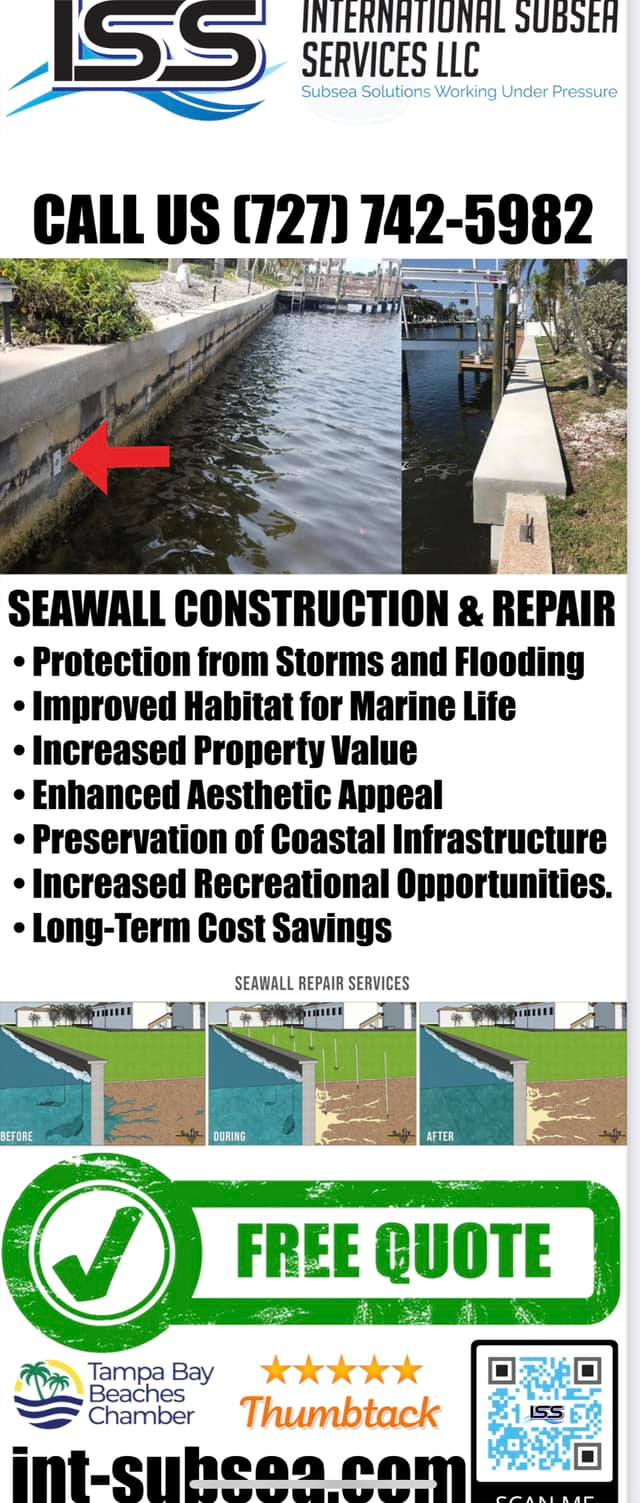
International Subsea Services has provided qualified and experienced to its clients. International Subsea Services maintains a detailed and extensive network database of industry professionals to provide support where needed. International Subsea Services is an approved installation contractor for Dredge Sox Erosion Solutions and Marine Construction Specialist providing Minor upgrades to a full design build, International Subsea services is the turnkey solution for all of your waterfront projects along the Gulf Coast and Caribbean Basin.


We are an Independent Contractors of Lake, Pond, and Wetland Installation & Maintenance

The installation and maintenance of lakes, ponds, and wetlands while taking care of cleanliness in your environment are very important these days. The restoration of living shorelines is a creative and productive technique to save water areas from erosion. Erosion is a natural process in which forces of nature such as water or wind crumble and transfer earthen materials to several other areas. The restoration technique actually includes the installation of wetlands plants, grasses, a thick sheet of algae, shrubs, and trees at areas of marine boundaries. This technique involves experts and the careful placement of bio-engineering materials to protect nearby areas of vegetables and soil.

Get the Best Subsea Solution Services in the Region with the Highest Levels of Customer Satisfaction

  • Affordable shorelines and hillside restoration with high-quality materials.
  • Stabilization and installation of water banks.
  • We use good quality products and materials to prevent bank erosion.
  • Perfect maintenance of hand dredging and cleaning of ponds and lakes with our latest equipment.
  • We monitor inspection services for mitigation related to every project.
  • Our leadership and disciplined team give proper management of projects easy and careful management.
  • We also do onsite demolition for pools and homes and remove all the useless items from the place.
  • Land clearing services are also provided for preparing land for the next innovative project.
  • For cutting, grinding, and clearing commercial and residential areas, our subsea solution services company uses forestry mulching machines.
  • Hotshot hauling service for urgent and important shipments of products is also provided by our company.


HAVE ANY QUESTIONS OR CONCERNS?

Request a free estimate today to see what International Subsea can do for you!

Tags: , ,
Did you know that CCTV trucks are vital tools for inspecting the condition of underground pipes?

Did you know that CCTV trucks are vital tools for inspecting the condition of underground pipes?

Did you know that CCTV trucks are vital tools for inspecting the condition of underground pipes?
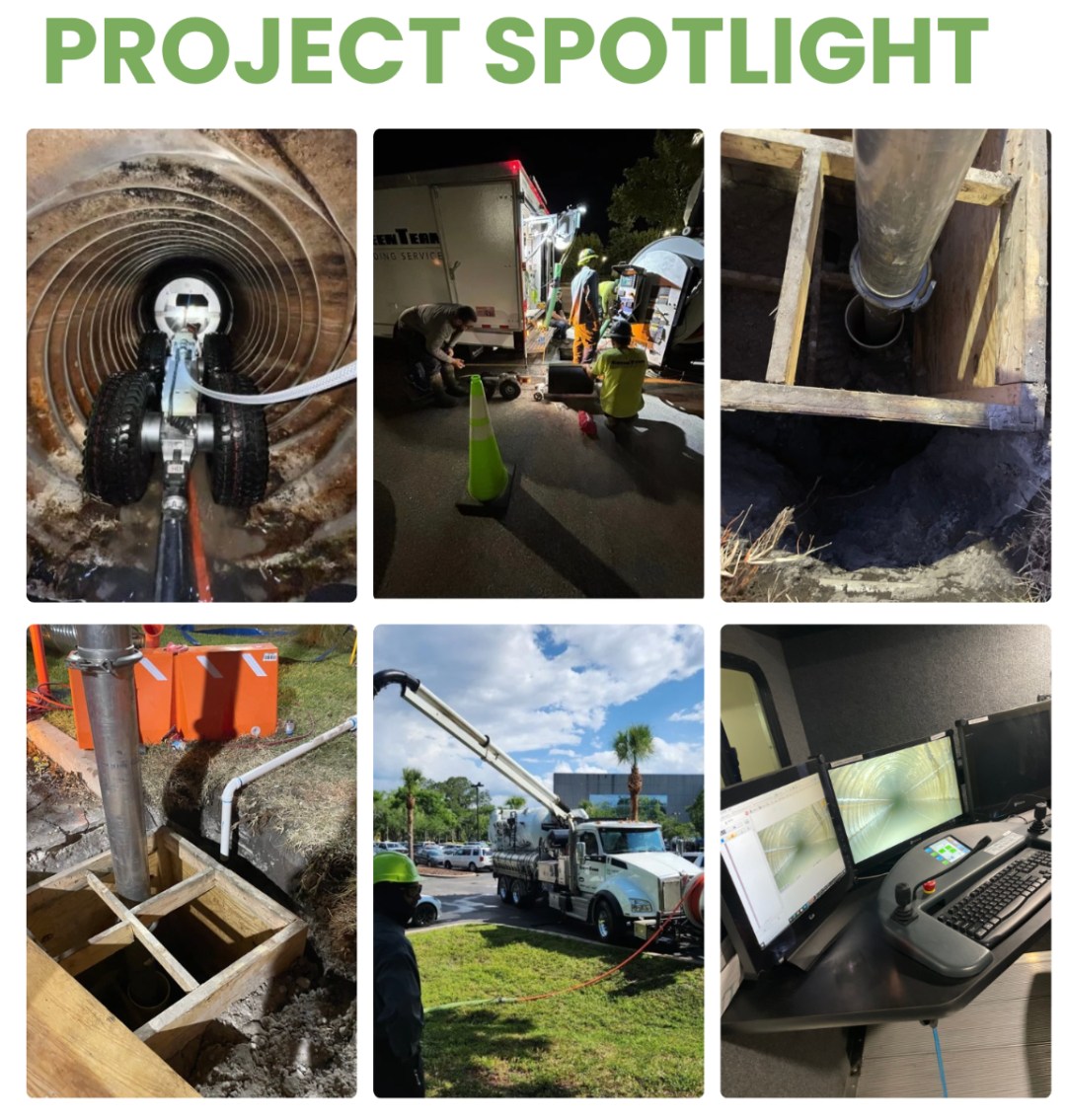
Equipped with high-resolution cameras mounted on crawlers, these trucks can navigate through pipelines, capturing video footage of the interior. This allows inspectors to identify problems like cracks, blockages, corrosion, or misalignment, all without having to dig up the pipes.
This non-destructive method of pipe verification is crucial for preventative maintenance, ensuring the quality of pipelines and helping to diagnose issues before they cause serious problems.
It also helps with making sure the pipes are clear so they dont block up or prevent drainage of your properties parking lots and Loading Docks.  Setting up a plan for cleaning and Maintenance is important, especially with the Florida Storms. 
Call us at (954) 210-4100
📧Email us at Service@getgreenteam.com
For other inquiries email us:
Projects@getgreenteam.com
Backflow@getgreenteam.com
Vacservice@getgreenteam.com
Tags: , , ,
Time to start thinking about taxes — making sure not to miss out on any tax credits. by RMS Accounting.

Time to start thinking about taxes — making sure not to miss out on any tax credits. by RMS Accounting.

Time to start thinking about Taxes — making sure not to miss out on any tax credits.

Did you do any energy improvements to your home? New energy efficient Air Conditioning, Heating, Ceiling Fans, Solar Panels, or Hot Water Heaters? Buy an Electric or Highbred Vehicle?
If so there might just be a tax credit in your stocking this year.? contact us today let us help with your Accounting and Taxes for your Business, Condo and HOA’s

RMS Business

Accounting

We provide extensive consulting to every accounting client. Detailed management notes are provided in addition to a comprehensive Financial Statement package.

Bookkeeping

Our bookkeeping help goes far beyond just balancing the books. Our Bookkeeping outsourcing, saves you time and money, while reducing stress levels.

Expatriate

RMS Accounting has a program that allows companies with expatriate staff to provide tax planning and preparation services to its staff anywhere in the world.

Tax

In addition to getting your corporate tax preparation right and completed the first time, our tax professional will also assist you with tax planning to help you reduce next year’s business taxes as well.

Software

At Royale Management Services, we offer support for two of the top business software programs available.

Payroll

When running a business, it makes sense to outsource tasks that can be handled best by others, save you money or allow you to be more productive. Payroll is one of the classic tasks that generally meets all of these criteria.

Credit Card Services

RMS Accounting supports Visa, MasterCard, Discover, American Express, Gift and Loyalty card, and Check processing. In addition will gladly support EBT card programs as well as a complete national debit card program.

Outsourcing

Originally, we focused on tax preparation for small to medium business, but today we do accounting outsourcing for everyone, from personal to large corporations.
2319 N Andrews Ave, Fort Lauderdale, FL, United States, Florida
+1 954-563-1269
info@rmsaccounting.com
Tags: , ,