SFPMA

SFPMA Industry Articles | news, legal updates, events & education! 

Find Blog Articles for Florida’s Condo, HOA and the Management Industry. 

Achieve A Weed-Free Lake – Check out our tips to learn how to best manage weeds in your lake.

Achieve A Weed-Free Lake – Check out our tips to learn how to best manage weeds in your lake.

Achieve A Weed-Free Lake

The way aquatic weeds are managed depends on your goals. Check out our tips to learn how to best manage weeds in your lake.

Aquatic Weeds? Effective Management Will Depend on Your Unique Ecosystem

Lakes and ponds are home to many unique and beneficial species, but without proper management aquatic weeds and plant life can become a nuisance by destroying native habitat, clogging stormwater pipes, detracting from aesthetics and causing other problems in the ecosystem. Identifying the best management approach can be another challenge. Aquatic weed control is a nuanced problem, and the best management methods are usually influenced by many different variables.

aquatic weed management - pond weed control - Biology - Rake Toss Dense Hydrilla

Which Lake Weed Species Are You Dealing With?

Rather than making one-size-fits-all management recommendations, reputable lake and pond management professionals generally conduct an official aquatic weed survey before designing a customized management program. An onsite evaluation is the most direct, effective way to identify important physical factors within the waterbody, determine potential problem species, and consider the management goals of the property owner or community. Each of these variables is equally important in its own regard and requires a unique custom approach and management plan to effectively address.

duckweed-invasive-plant-management

Identifying Aquatic Weed Species

To safely eradicate targeted pond weeds, lake managers typically begin by properly identifying the invasive species that are present and taking careful note of their physical characteristics. Proper identification removes the risk of using an ineffective control measure—a mistake that can result in a large loss of time and resources. Plant identification is sometimes a difficult task, requiring dichotomous keys, stereoscopes, and even lab tests. Once the species has been properly identified, we will consider its physical requirements in order to develop a multi-faceted management approach.

mechanical-hydro-rake-aquatic-weed-control

Solutions for Managing Aquatic Weed Growth

Sustainable control of a problem species is the primary objective when developing a management plan. Lake management professionals utilize many products and services to eradicate undesirable invasive species. Some ponds can simply be managed through targeted hand pulling or biological control measures such as stocking triploid grass carp. Other situations may call for extensive vegetation and sediment removal through hydro-raking or dredging. More established infestations may require the use of a new “reduced risk” herbicide alternative called ProcellaCOR, which is designed to only impact target species. Working with a professional who understands these options and how to best use them is the most efficient way to ensure the safe, thorough resolution of your aquatic weed issue.

enjoying-beautiful-water

Helping You Reach Your Goals

While environmental balance and safety are of utmost importance, stakeholder goals are also at the forefront of our consideration when designing management programs. Just as no two waterbodies are the same, neither are stakeholder desires. A fishing and duck hunting pond owner will almost certainly have vastly different goals than a homeowners’ association with a five-acre pond within city limits. Each group has its own idea of what a perfect lake looks like. This is where communication becomes the key to reaching our client’s goals. We take the time to ask the right questions and allow the client to explain their vision. We communicate with our clients throughout the restoration process and beyond to ensure the health, beauty, and function of their waterbody continues to exceed their goals.

Achieve the Waterbody You Desire

Water resources with multiple stakeholders present their own challenges. However, our team is experienced in communicating with multiple stakeholders to develop goals and strategies tailored to the interests of the entire group. Programs are designed to correct existing problems, improve the quality of the lake or pond to fit the group’s desires, and provide ongoing education. Community education within these settings is especially important, as each small action by individuals has a cumulative effect on the aquatic system as a whole.

So, ultimately, the management approach we select depends on many different factors. We can solve your pond weed issues, but what are you looking to get out of your lake? Is it a family fishing pond for the grandkids to enjoy, or a lake serving 500 homeowners that enjoy everything from waterskiing to bass fishing? Once the right questions are asked, then we can then recommend an appropriate aquatic weed control plan and begin helping your waterbody reach its full potential.


Tags:
Free Webinar: 3 Aeration Solutions for Creating A Beautiful Lake

Free Webinar: 3 Aeration Solutions for Creating A Beautiful Lake

  • Posted: Jul 14, 2022
  • By:
  • Comments: Comments Off on Free Webinar: 3 Aeration Solutions for Creating A Beautiful Lake

FREE WEBINAR:

3 Aeration Solutions for Creating
A Beautiful Lake


JULY 28 @ 3:00 PM (EDT)

There may be several underlying reasons your lake looks bad, but one common cause of ugly water is low oxygen levels.

During the webinar, our aeration experts will explain how fountains, surface aerators, and submersed aerators can help create beautiful water that you can appreciate. Spots are limited!

Can’t make the live webinar? Register anyway and you will receive a recording.

Carl Abinuman

Aeration Expert,
Aquatic Specialist II

Brendan McCarthy

Aeration Expert,
Business Development Consultant

Tags: , ,
Discover how to proactively manage your water…Stay Ahead of Algae & Enjoy Beautiful Water

Discover how to proactively manage your water…Stay Ahead of Algae & Enjoy Beautiful Water

  • Posted: Jun 14, 2022
  • By:
  • Comments: Comments Off on Discover how to proactively manage your water…Stay Ahead of Algae & Enjoy Beautiful Water

Neglecting to stay on top of water quality issues may require reactive management approaches like herbicides and algaecides. Though these tools are effective, they are only treating the symptom of a bigger issue…

Proactive, natural solutions like aeration or beneficial buffers can help balance water quality, giving you the beautiful, clean water you deserve to enjoy.

Managing Nuisance Pond Algae Without Algaecides

Written by Industry Expert Gavin Ferris, Ecologist 

I frequently use herbicides and algaecides in my line of work. Having attended college and graduate school to be an Ecologist, it isn’t something I thought I would do very often, but with the frequency of environmental problems that involve invasive flora, nuisance aquatic weeds and potentially-toxic algae, EPA-registered herbicides and algaecides are an invaluable tool. There are, however, times when their use is impractical, imprudent, illegal or impossible. Maybe the HOA or property manager prefers that herbicides not be applied to nearby waters. Perhaps the regulatory bodies in a given area aren’t permitting the use of certain products. Whatever the reason, sometimes this option just isn’t on the table. But how do we effectively manage algae and aquatic weeds without herbicides and algaecides?

I employ a simple concept that I call the algae triangle, though it works for all forms of vegetation.If you had the same fire safety lessons in elementary school, you may remember the Fire Triangle, which is based on the idea that three elements are necessary for fire: fuel, oxygen and heat. If you have enough of all three, you’ll ignite a fire. Eliminate any corner of the triangle, and the fire goes out. Similarly, if you have water, sunlight and nutrients, you’ll likely develop some form of algae or vegetation. If the triangle becomes too imbalanced, the resulting plant species can become a nuisance.

Obviously, in the lake management and pond maintenance field, we aren’t removing water from the equation, so establishing balance between each factor is the focus. Putting this concept into practice means understanding how sunlight and nutrients affect the ecology of the waterbody in question. Communities have several natural options to help mitigate against algae and aquatic weed growth, including limiting sunlight, improving water circulation and reducing excess nutrients.

How Algae and Nuisance Weeds Thrive

If a stormwater pond receives full sunlight during the growing season, this directly impacts plants and algae by increasing water temperatures and providing the light necessary for photosynthesis. To prevent sunlight from penetrating the water column and stimulating the growth of deep submersed plants and benthic algae, water levels can be increased. Dredging is an effective strategy to increase the depth of a lake or pond, however, it is often the costliest project a community will ever face. Instead, proactive hydro-raking can help maintain existing water depths and prolong the need for dredging by removing unconsolidated muck and organic debris from the bottom of a lake or stormwater pond. Likewise, blue or black pond dye can be applied to reflect sunlight. Pond dye can enhance the aesthetics of a waterbody while simultaneously absorbing sunlight before it can penetrate the waterbody and fuel excessive plant growth.

In addition to thriving in water that receives lots of sunlight, algae and nuisance weeds also flourish in stratified waterbodies. A stagnant, sun-warmed layer floating on top of colder, deeper water can serve as a perfect habitat for undesirable species. Circulation with a diffused aeration system breaks this stratification and allows the water to mix more evenly, resulting in more consistent temperatures and less warming in the sunlit portions of the water. Aeration is also effective at improving the health of an aquatic ecosystem in a number of other ways, such as preventing oxygen depletion and fish kills, improving beneficial bacteria levels, and preventing the release of excess nutrients from the sediment. This brings us to the real meat and potatoes of preventative maintenance: nutrient management.

Managing Excess Nutrients in the Water

Phosphorus is the most important nutrient contributing to excess vegetation in lakes and stormwater ponds, and it can enter the water column in runoff containing lawn fertilizers, grass clippings, pet droppings, and waste from faulty septic systems. A number of nutrient reduction strategies should be considered if water quality tests reveal nutrient levels are too high. A professional lake manager can apply beneficial bacteria to the waterbody to utilize nutrients that would otherwise be available for plant and algae growth. Water quality can also be amended by using products that bind with phosphorus to keep it from becoming fuel for nuisance plants. Additionally, strategically planting desirable buffer vegetation around the shore of the waterbody can help to intercept phosphorus before it enters the water and is absorbed by unwanted vegetation. Your lake manager can help identify buffer plants that are native to your region.

When it comes to quickly and effectively managing nuisance aquatic weeds and algae, EPA-registered herbicides and algaecides can be very useful, and in many instances, they are the safest and most practical option available. Nonetheless, natural and proactive pond maintenance techniques can be tremendously effective at improving the health and appearance of almost any community waterbody before a problem occurs, which is why it’s important for homeowners associations and property managers to consider sustainable and holistic plant management methods whenever possible.

SCHEDULE AN ASSESSMENT

SOLitude Lake Management
Josh McGarry
Business Development Consultant
SOLitude Lake Management
Info@solitudelake.com
(888)480-5253


[AdSense-A]

Tags: ,
Restore your lake with hydro-raking and enjoy it for years to come. by SOLitude

Restore your lake with hydro-raking and enjoy it for years to come. by SOLitude

  • Posted: Jun 07, 2022
  • By:
  • Comments: Comments Off on Restore your lake with hydro-raking and enjoy it for years to come. by SOLitude

Hydro-raking helps prolong the longevity of lakes by scooping and removing aquatic weeds and dense muck from the water.

When you step into your lake, do you step into thick, foul-smelling muck? Maybe invasive weeds are hindering your view of the beautiful water?

Remove Nuisance Aquatic Plants and Accumulated Muck with Hydro-raking

Whether you enjoy fishing, boating, or swimming, nearly everyone has a lasting memory that centers around a great experience at a lake or pond. Unfortunately, the effects of time can slowly alter the appearance of a waterbody until it no longer resembles the place you fondly remember. Just as you age, lakes and ponds have a lifespan that is dependent on many factors, including vegetation growth, muck buildup, and more. If it is not properly managed, a body of water will eventually fill in with organic materials until it is no more than a small puddle. Luckily, there are strategies available to help restore the longevity of your favorite lake or pond.

Paragraph 2 - _hydro-rakes can operate.._

Hydro-raking is a tried and true solution to help restore mature waterbodies.

Hydro-rakes can operate in most bodies of water, including those as shallow as 18 inches, and up to depths of 10 feet. A hydro-rake is best described as a floating barge containing a mounted backhoe arm (boom and dipper) with a York rake attachment. These attachments are used to scoop organic materials out of the waterbody, with the ultimate goal of improving water quality, increasing water volume, reducing bad odors, and creating a healthier, more balanced aquatic ecosystem. Most often, this entails the removal of decaying organic matter, leaf litter, tree branches, nuisance or invasive plant species, and other debris from the waterbody.

Paragraph 3 - While native aquatic plants...

Invasive Plant Removal

While native aquatic plants are often beneficial for lakes and ponds, the presence of certain nuisance and invasive species can cause the balance of an ecosystem to spiral out of control. Invasive milfoil, fanwort, and water chestnut, for instance, create dense mats in the water that block sunlight and exhaust dissolved oxygen. These invasive plants reproduce rapidly through both seed propagation and fragmentation. Native plants like cattails and water lilies can also be considered undesirable, depending on the extent of growth and the management goals for the waterbody. Lake and pond owners may utilize hydro-raking to physically remove nuisance and invasive plants. Depending on the undesirable plants present, a professional lake manager may recommend time frames throughout the year most conducive to plant removal via hydro-rake. An effective hydro-raking project will be completed at times when plant fragmentation is least likely in order to ensure lasting results.

hydrorake tinkwig drip

Seasonal Control of Aquatic Weeds

A professional lake manager can design a hydro-raking plan that provides seasonal management of submersed plants and at least 2-3 years of management for floating leaf and emergent species. For particularly dense invasive species infestations, the strategic application of EPA-registered aquatic herbicides may also be necessary to ensure thorough management of the problematic plant. While hydro-raking serves as an effective management tool for the removal of rooted and submersed nuisance plant species, other species can be best managed with additional strategies, like mechanical harvesting, which targets algae and floating leaf plant species such as water hyacinth and giant salvinia.

hydro-raking filling the dredgesox

Utilizing Hydro-raking to Restore Eroded Shorelines

Your waterbody does not need to be overrun with undesirable plants to experience the positive results of a hydro-raking project. Often, it is the best management solution for lakes and ponds containing thick bottom sludge or years of accumulated muck. A hydro-rake can collect up to 500 pounds of muck in each scoop and deposit it on the shore for off-site disposal. Or, the muck can be used to reshape crumbling shorelines using a patented bio-engineered shoreline system called SOX Solutions.

organic muck removal - sediment removal services - dredging services - hydro-raking and mechanical harvesting

Removing Nutrient-Rich Organic Muck

The removal of this muck can be a critical turning point for a lake or pond suffering from poor water quality, bad odors, flooding issues, or nutrient pollution. As leaves, grass clippings, trash, and other debris are swept into a waterbody by runoff during rainstorms, they begin to decompose. This causes them to release unnaturally high levels of nutrients that fuel invasive plant infestations as well as Harmful Algal Blooms, which can produce dangerous toxins with suspected links to degenerative diseases like Parkinson’s, Alzheimer’s, and ALS.

The removal of this nutrient-rich organic material can prevent undesirable plant and algae growth while improving water quality and volume. Ultimately, the best method to ensure your lake or pond maintains its health is preventative management. Biological dredging, for instance, utilizes beneficial bacteria to naturally eliminate excess muck at the bottom of a waterbody. This management tool is excellent for lakes and ponds in need of minor spot dredging or upkeep. Other proactive strategies aimed at reducing muck build-up and nutrient loading include buffer managementnutrient remediation, and aeration tools.

Mechanical Dredge

Restoring Depth in Aging Waterbodies

Hydro-raking can be extremely effective at removing plant matter, organic material, and debris, but mechanical dredging or hydraulic dredging can serve as transformative solutions that will increase depths and remove plant fragments, sediment, and other debris from the site. Though typically thought of as costly and more disruptive, dredging is often the best approach for lakes and ponds that have been neglected or misused for long periods of time. And with the help of bathymetric mapping technology, your lake management professional can help you quantify the rate of sedimentation and predict when dredging will eventually need to take place. With this information, you can better budget for and strategize your future dredging project. It’s never too early—or late—to begin implementing strategies that restore your waterbody for lasting beauty and enjoyment for years to come!

Tags:
Mechanical harvesting vs. hydro-raking… Which tool is the best fit for your waterbody?

Mechanical harvesting vs. hydro-raking… Which tool is the best fit for your waterbody?

  • Posted: May 16, 2022
  • By:
  • Comments: Comments Off on Mechanical harvesting vs. hydro-raking… Which tool is the best fit for your waterbody?

Mechanical Weed Removal for Lakes & Ponds

Discover how to naturally manage aquatic weed growth in your waterbody via hydro-raking or mechanical harvesting.

The answer depends on several factors, including the type of vegetation you want to be removed.

Both solutions allow you to naturally remove nuisance aquatic weeds with instant results, but which one is best for your lake or pond?


Harvesting or Hydro-raking? Which Mechanical Pond Weed Removal Option is Right For You?

There is rarely one specific remedy for helping restore a waterbody. Often times, restoration includes a multiyear management program encompassing a combination of aquatic management tools and techniques, such as herbicide and algaecide treatments, nutrient remediationaeration and biological augmentation. Mechanical removal is an additional management method that may be incorporated into a restoration program, and has a number of ecological benefits including nutrient mitigation, water circulation and open water habitat restoration.

Mechanical aquatic weed removal services encompasses two distinct management tools and approaches: aquatic weed harvesting and hydro-raking. While both provide ecological benefits, it is important to distinguish which option is better-suited for the specific management objectives of your lake or pond.

Before & After Mechanical Harvesting

  • Vegetation Removal via Harvesting
aquatic weed control - wetland invasive weeds - algae and aquatic weed control - hydro-raking - mechanical harvesting - water quality - before 1aquatic weed control - wetland invasive weeds - algae and aquatic weed control - hydro-raking - mechanical harvesting water quality - after 1

Mechanical Harvesting for Pond Weed Removal

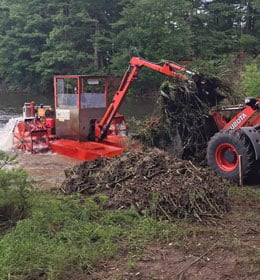
The aquatic weed harvester is a floating barge that cuts and effectively removes nuisance vegetation and algae from the surface of the waterbody. The plant material is collected and then offloaded, either into a container to be transported offsite or to a designated onshore compost area.

Mechanical lake weed removal offers an eco-friendly solution that does not create temporary water use restrictions during or after the work. For sensitive aquatic ecosystems, it can act as an alternative to herbicides. Mechanical harvesting can be an ideal management option for annual plants that are invasive or at nuisance levels. The aquatic weed harvester has been proven effective on water chestnut (Trapa natans), giant salvinia (Salvinia molesta), water soldier (Stratiotes aloides), and water hyacinth (Eichhornia crassipes).

Mechanical Harvesting In Action

Before & After Hydro-raking

  • Vegetation Removal via Hydro-raking
Before_Hydro-Raking Invasive Maidencane (1) - sediment removal and dredging servicesAfter_Hydro-raking Invasive Maidencane (1) - sediment removal and dredging services

Hydro-Raking for Pond Weed Removal

The hydro-rake is also a floating barge run by two hydraulic paddle wheels, but is equipped with a 12-foot hydraulic arm with a rake attachment that is used to rake the pond bottom and remove detritus, organic sediment and aquatic vegetation with attached root systems. The hydro-rake, having no on-board storage, must offload the collected material directly onshore or onto a transport barge for removal.

Hydro-raking can be an effective alternative to herbicide and algaecide applications, but it has also proven effective in unison with these treatments. When managing emergent or floating leaf species, such as common reed (Phragmites australis) or water lily (Nymphaea sp.), herbicide application is often the first management approach, followed by hydro-raking. Hydro-raking is commonly utilized after control, to collect the plant biomass and associated root structure, negating it from contributing to the organic matter substrate below. This approach has proven effective on a number of aquatic plants such as cattails (Typha sp.), purple loosestrife (Lythrum salicaria), pickerelweed (Pontederia cordata), watershield (Brasenia schreberi) and Alligator weed (Alternanthera philoxeroides).

Hydro-raking can also serve as a more environmentally friendly and cost effective alternative to dredging. Additionally, if a lake or pond is periodically maintained through hydro raking, the need to perform a large scale dredge project may be negated, saving financial resources and prolonging ecological disruption in the process.

Hydro-raking In Action

Benefits of Mechanical Lake Weed Removal

Both aquatic weed harvesting and hydro-raking collect plant biomass before it decomposes and contributes to the organic muck layer, maintaining or increasing overall water depth. In addition to the plant biomass, these mechanical options remove the associated nutrients (phosphorus and nitrogen) that contribute to increased plant and algae growth and, potentially, eutrophication.

These management techniques are used in a wide variety of projects on private, public and state waterbodies to help maintain or restore the open water space of shorelines, coves, inlets and outlets. Depending on the lake management objective and the target aquatic species for control, mechanical projects are usually part of a multiyear program. The next time you look out at your lake or pond, remembering its former attributes and beauty, consider investigating how mechanical lake weed removal services can be applied to help restore balance to your aquatic ecosystem.
 

Trending: Natural Lake MGMT Solutions

Trending: Natural Lake MGMT Solutions

Trending: Natural Lake MGMT Solutions

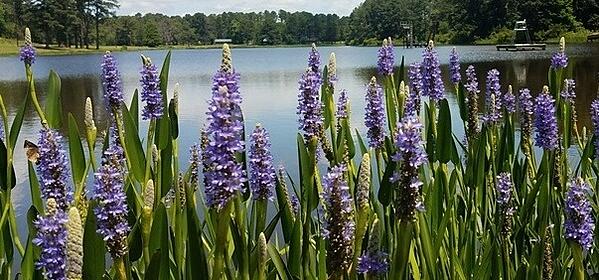
Enhance the health of your freshwater waterbodies with natural solutions like nutrient remediation, aeration, and more…

Maintaining a healthy lake or pond can be accomplished with natural, holistic management strategies. These tools can help improve water quality and enhance the aesthetics of your aquatic resource. Discover the benefits of natural management solutions…

Control Nutrient Levels and Improve Lake & Pond Health with All-Natural Alum

Control Nutrient Levels and Improve Lake & Pond Health with All-Natural Alum

  • Posted: Apr 28, 2022
  • By:
  • Comments: Comments Off on Control Nutrient Levels and Improve Lake & Pond Health with All-Natural Alum

Control Nutrient Levels and Improve Lake & Pond Health with All-Natural Alum

When lakes and ponds exhibit problems like algae, aquatic weeds, bad odors, cloudiness, or muck development, it can prevent us from benefiting from the connection with nature that our waterbodies provide. Aquatic experts use a variety of techniques to diagnose the underlying issue. One of the most important tools is water quality testing. By analyzing water samples in a professional laboratory, scientists can identify the chemical imbalances that are preventing you from enjoying your waterbody to the fullest. Once data is collected, experts will implement tailored management solutions to restore the balance and beauty of the ecosystem. One natural and highly effective solution is Alum.

Utilizing Alum to Restore Water Quality

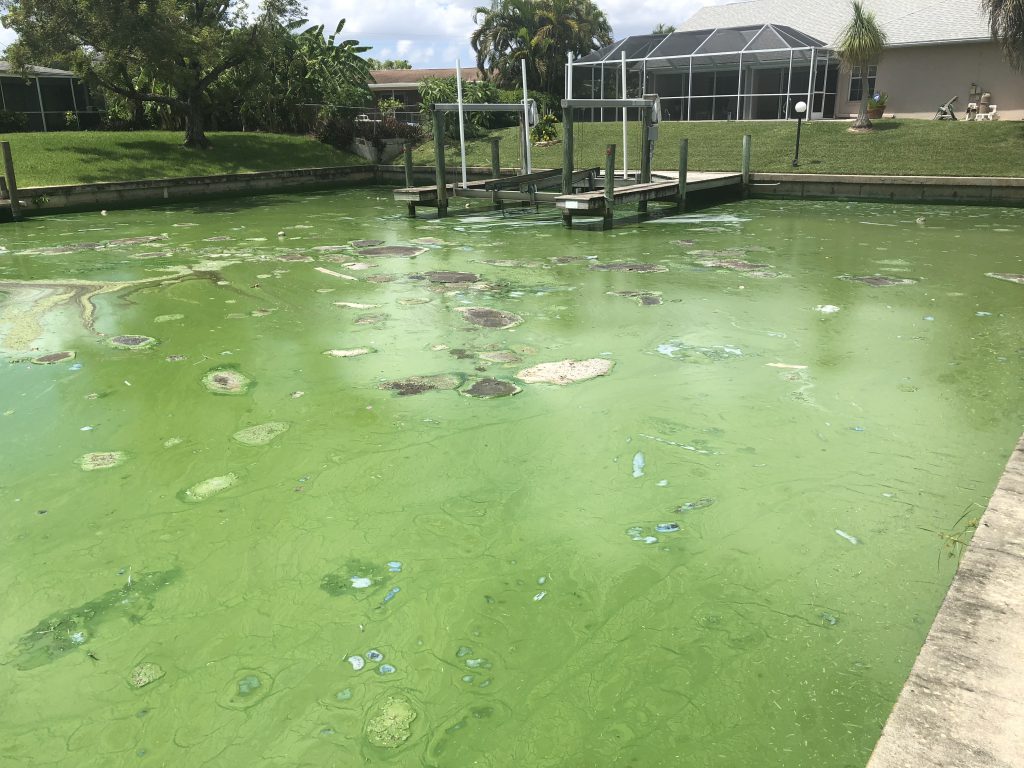
Alum has been a long-standing tool in our toolbox of lake and pond management solutions—and is a particular favorite of professionals who strive to use only sustainable maintenance practices. Alum (also known as Aluminum Sulfate) is used in a wide array of industries and applications such as drinking water management and wastewater treatments. In the lake and pond management industry, Alum is used to reset the chemical balance of aquatic environments to improve water quality. When water quality is enhanced, it creates an environment that is less hospitable to algae, nuisance weeds, and toxic cyanobacteria.


Conduct water quality test - alum barge nutrient remediation Stay Ahead of Water Quality Issues with Annual ManagementPerform Water Quality Tests

There is no one-size-fits-all approach to lake and pond management. This means that Alum may not be the right solution for each and every waterbody. Water quality tests help us understand the problems occurring under the surface and make this decision. Most often, Alum is deployed when water quality tests reveal unusually high levels of nutrients like Phosphorus, which is typically the root cause of undesirable organic growth.


alum application

How Alum Reduces Nutrients in the Water

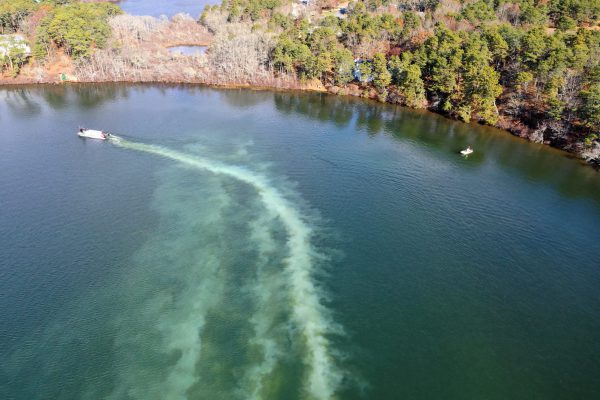
Alum is applied to lakes and ponds as a white, powdery substance. As the Alum mixes into the water column, it binds with free-reactive nutrients, creating a cloudy trail behind the boat or a specially-designed application barge. After a short period of time, the particles sink to the bottom where they will remain inactive. Alum is considered very safe when applied by a professional and provides fast-acting results that can last for years. Almost immediately after an application is complete, the water column will become more clear. Over the course of days and weeks, the water quality improves.

Prevent Phosphorus Loading with Proactive Solutions

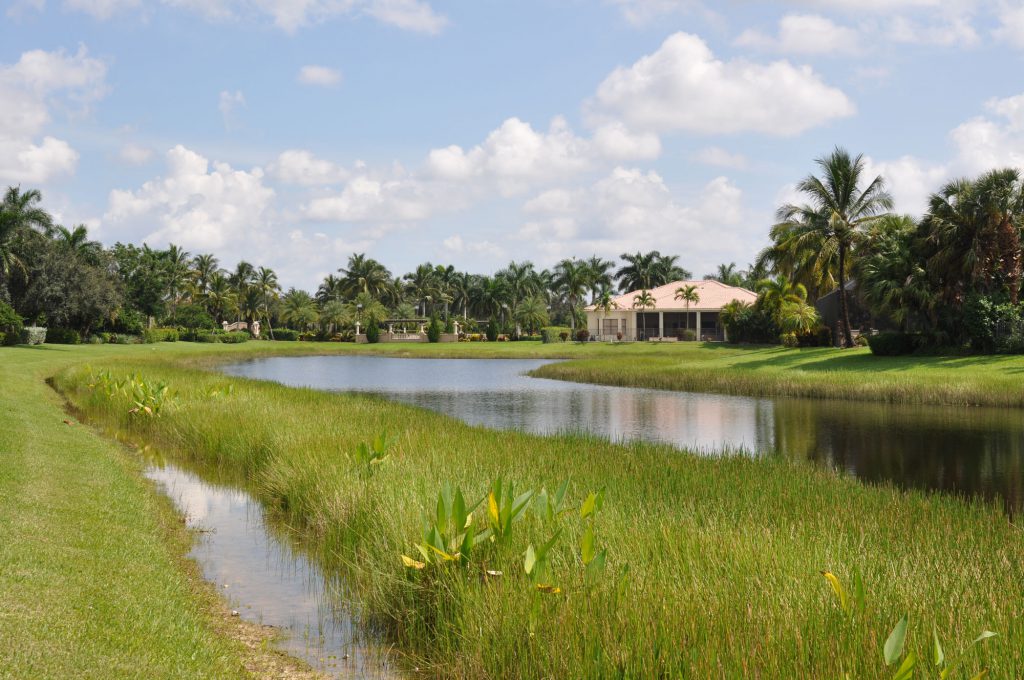
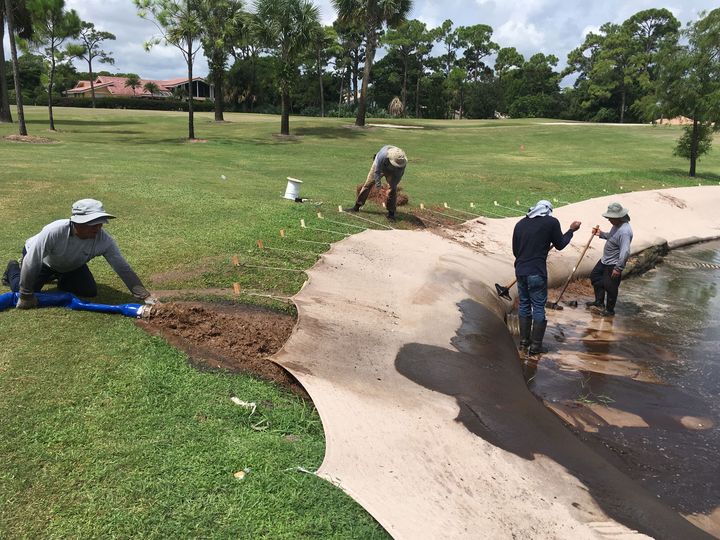
Once the waterbody is restored to more balanced conditions, it’s important to prevent future nutrient loading by addressing the external sources of Phosphorus. Trash, pet waste, fertilizers, motor oil, sewage, and yard waste are often to blame. They can flow into lakes and ponds during rainstorms. Rainfall and weather events can also damage the shoreline, causing nutrient-rich soil and plant matter to crumble into the water. Stakeholders can slow this problem by establishing a robust vegetative buffer around the shoreline. Professionals recommend using native plants that grow approximately 18 inches high and develop complex root systems to naturally hold soil in place. If shorelines have sustained significant damage over the years, it may be necessary to completely rebuild them using bioengineered mesh technology that can be seeded with the grass and buffer plants following installation.

Alternative Nutrient Remediation Solutions

Alum is not the only natural substance that removes nutrients in the water column. Solutions like Phoslock and EuroSORB work similarly to target Phosphorus.

Phoslock is a lanthanum-modified clay that binds with excess phosphorus, chemically changing its composition so that they can no longer support weeds and algae. EutroSORB, on the other hand, is a filtration technology that captures nutrients in the water column. It is particularly effective in waterbodies with significant movement and mixing, such as stormwater ponds, streams, and canals. Once the filter is fully saturated with phosphorus, it is pulled from the water for disposal. In some cases, experts may also choose to use an aqueous form of EutroSORB that can be poured or sprayed on the surface, or applied via subsurface injection.

alum chronic nutrient loading nutrient remediation drone shot 2Determining The Best Solution for Your Lake or Pond
Your lake and pond management professional may consider a number of factors when choosing which of these three nutrient remediation products to implement. These may include your waterbody’s size, location, use, pH, dissolved oxygen concentration, muck level, and degree of water movement.

The well-being of our aquatic environments reflects our own. Science shows that humans are happier, healthier, and more relaxed when spending time around beautiful water. Nutrients are the building blocks that help create these amazing ecosystems that delight us, but it’s necessary to maintain them at balanced levels as nature intended. Alum is one of many eco-friendly tools employed through an annual maintenance program. Like most solutions, it is most effective when used proactively. Click to learn more about the benefits of Alum and the important role it plays in a year-round management plan.

Discover the Power of Nutrient Remediation


Tags:
We received a lot of submissions for our $10K Extreme Shoreline Makeover giveaway and we are thrilled to announce our winner…

We received a lot of submissions for our $10K Extreme Shoreline Makeover giveaway and we are thrilled to announce our winner…

  • Posted: Apr 14, 2022
  • By:
  • Comments: Comments Off on We received a lot of submissions for our $10K Extreme Shoreline Makeover giveaway and we are thrilled to announce our winner…

We received a lot of submissions for our $10K Extreme Shoreline Makeover giveaway and we are thrilled to announce our winner…

Congratulations to Southshore Falls HOA (West FL)!

The community is excited to restore their eroded shoreline with a Sox Erosion Solutions System! Stay tuned over the next few months to see the transformation…


If your community is having problems with your Lake, contact SOLitude today

How Can We Conserve Wetlands in Florida?

How Can We Conserve Wetlands in Florida?

Wetlands play an extremely important role in the ecosystem, particularly in Florida. In addition to their cultural relevance, they are a central feature that is home to thousands of incredible species. Preserving them is not only beneficial to the natural ecosystem, it benefits our communities in many ways.

Simply put, wetlands are lands that transition between terrestrial and aquatic environments. More specifically, wetlands contain soils that are inundated long enough to support the growth and reproduction of diverse vegetation.

The plants that grow in wetlands have adapted in a way that lets them survive in the hydric or wet soils. Swamps, marshes, bayheads, bogs, cypress domes and strands, sloughs, wet prairies, riverine swamps, mangrove swamps, and other similar areas meet the criteria of wetlands.

There are wetlands on every continent. Although the Everglades are the most well-known wetlands in Florida, there are many other wetland areas throughout the state. A healthy wetland supports a wide range of wildlife such as birds, amphibians, crustaceans, fish, and reptiles.


What Problems Do Wetlands Face?

The aquatic freshwater and marine life of Florida depend on wetlands for feeding grounds and nurseries for their young. In addition, wetlands also offer outstanding recreational opportunities for fishing, boating, bird watching, and photography – to name just a few. Unfortunately, wetlands face many threats:

florida-preserve

Human Use

Wetlands originally covered approximately 60% of the state’s land, but over time, wetlands have been reduced by urban development to less than half of that amount. Human activities are arguably the greatest threat to wetlands due to the draining of these lands for agriculture or development. Historically, wetlands were considered wastelands and were drained and cleared of vegetation without a second thought to make way for homes, roads, and shopping centers.

Loss of wetlands habitat not only affects animals and plants, but it also diminishes the water supply for the human population, since wetlands hold, filter, and slowly release immense amounts of rainwater into the aquifers that serve as central and south Florida’s only source of freshwater.


invasive-species-wetland-management

Invasive Species

Like all ecosystems, the survival of the plants and animal species that live in wetlands depend on a delicately balanced environment. When non-native species are brought in, either on purpose or accidentally, it can unbalance the existing system. Invasive species compete with native species for limited resources. When native species start to die off as a result of competition with an invasive species, the food chain of the ecosystem is disrupted.

For example, some wetlands are being overrun by water hyacinth. This plant is held in check in its native environment, but in North American habitats, it spreads at an alarming rate. Similarly, Burmese pythons were brought into the country as pets and released into local wetlands where they grow too big to be sufficiently supported by their environment. These large snakes thrive in wetlands like the Everglades and threaten the survival of endangered species.


lake-pond-pollution

Pollution

Wetlands work as natural water filtration units. Polluted water washes into the wetlands and is purified as it flows through and out of the wetlands. The pollutants either settle to the bottom of the wetlands or are used by the plants growing in these habitats. But if the concentration of pollutants reaches and then crosses the saturation level, and toxic contaminants continue entering the wetlands, the plants and animals struggle to survive.

In addition, wetlands are often used as dumping grounds for industrial and household waste and sewage. High pollution rates in wetlands kill off fish, wildlife, and plants, destroying the habitat.


drought-dried-pond

Climate Change

Like other ecosystems and habitats, wetlands are also affected by alterations to the environment caused by climate change. Sea-level rise caused by warming temperature is submerging or drowning wetlands, while extreme weather such as drought is drying them out. Higher water levels and lower water levels are caused by the various effects of climate change.


river-dam

Dams

The construction of dams that alter the natural flow of a river also has a huge impact on the environment where it is built. Altering the flow of a river disturbs the ecosystems that depend on that river. Wetlands like swamps or marshes suffer from a higher or lower flow of water when a dam is built. Dams can permanently damage wetland ecosystems.


Why We Need to Conserve Wetlands

Wetlands are productive ecosystems that provide environmental benefits to the areas that surround them. Waterfowl and migratory birds, and other wildlife make wetlands their home. As important as that is, these dynamic natural systems provide services such as removing harmful chemicals and excess nutrients from storm runoff, recharging aquifers used for drinking water and irrigation, and protecting communities from coastal storm surges and flooding.

Coastal wetlands and estuaries support diverse habitats that provide shelter and food for recreational and commercial fisheries, which in turn contribute to local economies. People are often drawn to wetlands for outdoor recreation and wellness. Outdoor recreation is important for the health of the population as well as the economy.


Best Way to Conserve Wetlands

These important functions make wetlands a vital part of our environment. Maintaining and improving the health of wetlands support plants, animals, and people. Here are five ways to help conserve Florida’s wetlands:

1. Create Native Plant Buffers

Improve the health of wetlands by planting buffer strips of native plants near and around water resources. These buffers can help filter out fertilizers and pollutants before they enter the water and cause environmental imbalances. They also help hold soil in place for lasting structure and aesthetic appeal.

2. Eradicate Invasive Species

Non-native plants that quickly become invasive can have devastating consequences on wetlands. They choke out native species and change the function of the wetlands. Likewise, invasive animals compete with native wildlife for food and habitat, creating a negative cycle within the food web. Monitor the area and report the presence of any invasive species immediately.

3. Reduce the Use of Pesticides and Fertilizers

Avoid using pesticides and fertilizers for lawn or garden care. These chemicals can harm aquatic species and wildlife by negatively affecting water quality and encouraging invasive plant growth. When absolutely necessary, use organic products in place of chemicals.

4. Clean Up after Pets

Animal waste can wreak havoc on wetlands and their population. Make sure that pet waste is kept out of wetlands by keeping dogs fenced in or leashed, and keeping your cats inside as much as possible. When walking pets or playing outdoors, always pick up and properly dispose of any waste.

5. Monitor Regularly

Wetlands are amazing ecosystems containing a complex web of plants, animals, fish, and organisms. Change is always occurring, so it’s important to stay informed about the health of the environment. Freshwater management professionals are experienced in monitoring and maintenance solutions aimed at preserving the health and beauty of these habitats. Consider implementing an annual management program to preserve wetlands in your area.

Protecting Florida Wetlands

Florida is known for its magnificent wetlands, but that doesn’t mean they will be around forever. Through urban development, invasive species introduction, pollution, and other factors, humans have expedited the deterioration of wetland areas. We should each play an active role in the protection of these unique aquatic ecosystems so that we can enjoy, admire, and benefit from them for as long as possible.

Contact Us to Protect Your Wetland & Preservation


$10,000 Extreme Shoreline Makeover Giveaway!

Is your waterbody suffering from erosion damage? Enter to win a $10,000 shoreline makeover for a chance to enhance your waterbody. Entries due March 31, 2022.

Join Here: 


Tags: