SFPMA

SFPMA Industry Articles | news, legal updates, events & education! 

Find Blog Articles for Florida’s Condo, HOA and the Management Industry. 

SOLitude’s Deep Dive: Testing Lake Water | Through recurring water quality testing and monitoring, aquatic resource experts can develop effective management plans that meet the needs of your waterbody.

SOLitude’s Deep Dive: Testing Lake Water | Through recurring water quality testing and monitoring, aquatic resource experts can develop effective management plans that meet the needs of your waterbody.

If you’re frustrated by recurring algal blooms or aquatic weeds, it may be time to analyze your lake’s water quality. Through testing, our experts can help identify the root cause of water quality issues so you can avoid unsightly water this summer.

Water Quality Testing Deep Dive

Water quality is the foundation of any healthy water resource. If you think about going to the doctor and getting blood drawn to identify a health issue, you could compare that with water quality testing. In lake and pond management, scientists evaluate these and many other water quality parameters to determine the root of water quality issues.

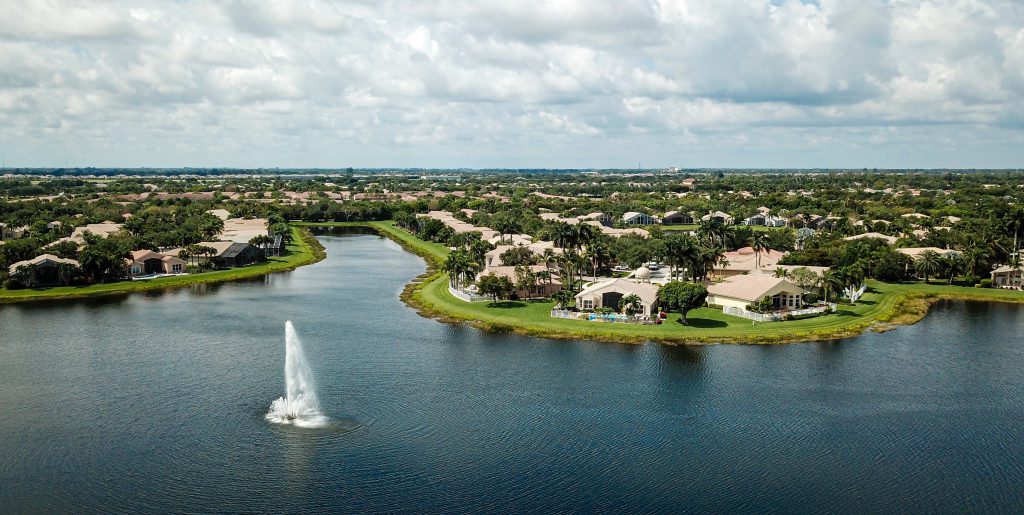
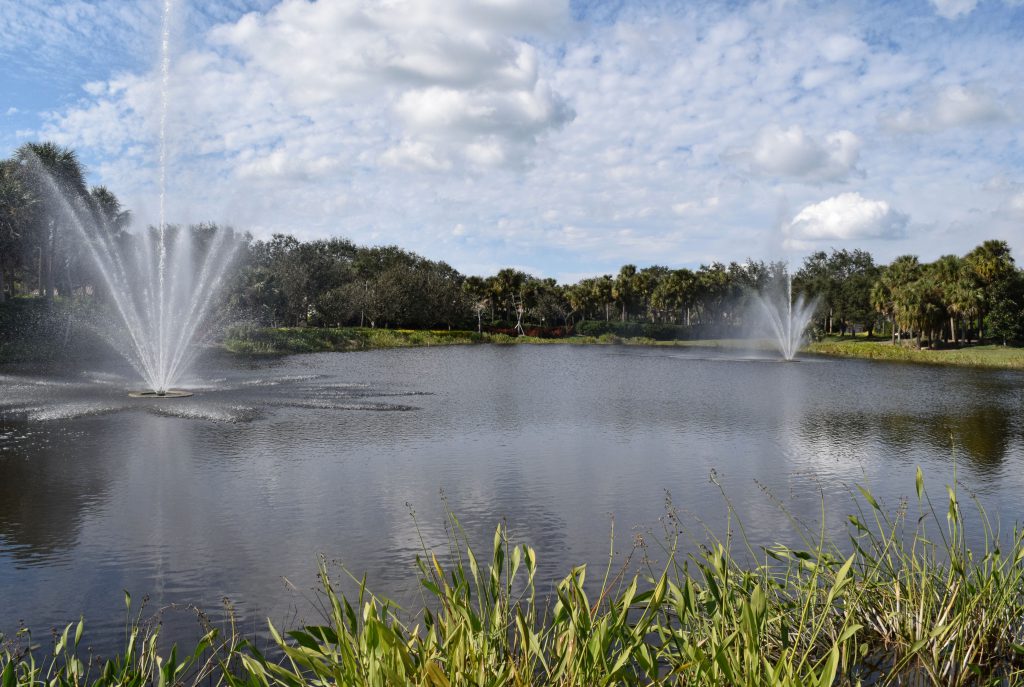
Beneficial Buffer - Fountain - Community Pond Lake, Pond, Wetland & Fisheries Management for Delaware & Maryland - scenic

Testing Oxygen and Ammonia Levels

The first parameter typically measured in water quality tests is oxygen. Oxygen is one of the most important elements to humans. Just like humans and animals, waterbodies also utilize oxygen to survive. In lake and pond management, we use tools to test for dissolved oxygen (DO) levels in the water. If dissolved oxygen levels are low, aquatic life becomes stressed. This usually occurs when excess organic materials, such as large algal blooms, are decomposed by microorganisms.

Like oxygen, ammonia can cause parallel issues in aquatic environments if levels are unbalanced. For example, high levels of ammonia can make fish become lethargic and even cause them to die off. Higher concentrations of ammonia are more likely when dissolved oxygen levels are very low or when the water is polluted. The introduction of floating fountains or submersed aeration systems can help maintain healthy levels of both oxygen and ammonia.

phoslock nutrient remediation on the job

Testing Phosphorus Levels

Another parameter measured is phosphorus, another essential element of all living things. However, when in excess, it can cause many systemic changes to the ecosystem such as increased production of algae and aquatic plants, as well as depletion of fish species. How can we stop this from happening and create a balanced ecosystem? Try reducing fertilizer use around your lake or pond and treat phosphorus-laden bottom sediments with nutrient remediation solutions like AlumPhoslock, or biologicals.

lab 13 - water quality testing - lab assessments - water survey - algae and aquatic weed control

Testing Nitrogen Levels

Nitrogen is a similar parameter measured during water quality testing. Nitrogen provides food for plants, algae, fish, and smaller organisms in the water. Nitrogen can enter the water through fertilizer runoff, and when in excess, it can lead to the growth of nuisance aquatic plants and algae, creating an unbalanced ecosystem. To maintain healthy levels of nitrogen, reduce fertilizer runoff to water resources, and implement nutrient remediation solutions when needed. Excess nitrogen levels, along with other elements, can be reduced by repairing erosion damage and establishing a native vegetative buffer and littoral zone that helps filter excess nutrients before they enter the water column.

Paragraph 5 - _Nuisance vegetation and algae sol pro plan annual maintenance water testing lake and pond management nutrient remediation on the job

Testing Alkalinity Levels

Another parameter commonly tested is alkalinity. The alkalinity of a waterbody is very important. Think of this in terms of human physiology. Your blood pH should always be balanced to allow enzymes to function effectively. In lakes and ponds, alkalinity is a measure of the waterbody’s ability to neutralize acids and bases, and thus, maintain a stable pH level. If the alkalinity is too low, this can lead to dangerous pH swings, which can become life-threatening to aquatic life. Professional liming is often recommended to increase alkalinity and prevent pH swings.

water-quality-testing-lake-maintenance

Stay Ahead of Water Quality Issues with Regular Testing

Knowing the levels of each water quality testing parameter is vital. Through recurring water quality testing and monitoring, aquatic resource experts can develop effective management plans that meet the needs of your waterbody. SOLitude is proud to offer a variety of water quality testing packages, tailored to fit the needs and budget of your waterbody. With insight from our biologists, you can stay ahead of water quality issues and maintain a healthy, beautiful waterbody year after year.

DOWNLOAD A FREE INFORMATIVE GUIDE

Tags:
Protect Your Aquatic Assets From the Storm

Protect Your Aquatic Assets From the Storm

  • Posted: Apr 02, 2023
  • By:
  • Comments: Comments Off on Protect Your Aquatic Assets From the Storm

Protect Your Aquatic Assets From the Storm

Tropical Depression Fred is expected to hit Florida this weekend. Learn what you can do to protect your lake & pond from damage.

Tropical Depression Fred has changed paths and is projected to hit Florida and reach its tropical storm status by Friday, August 13, 2021, as it moves over the warm water in the Gulf. With this path, the storm may also have an impact on Alabama and Georgia. Experts say Florida can expect substantial rains over the weekend.

The heavy rain and winds that will accompany this storm can have a significant impact on your property, including recreational lakes, stormwater ponds, and trophy fisheries. In addition to ensuring your family and home are safe and protected, there are steps you can take to make sure your waterbodies are prepared. Learn what you can do to protect your aquatic assets as Fred approaches Florida, Alabama, and Georgia.

If your property is affected by the storm, don’t hesitate to reach out to your local lake and pond management professional for support.


Protecting Your Aquatic Assets During Hurricane Season

Hurricanes and strong storms don’t just affect your day-to-day lives; they can have a significant impact on your lake or pond as well. If you live in an area susceptible to tropical storms, you know the drill. You stock up on food and water, make sure any tree branches that may fall are trimmed, board up windows or put up hurricane shutters if necessary, and secure light yard decorations and furniture. While your home and fridge may be prepared for the storm, is your lake or pond? How about your floating fountain, aeration system, fish feeder, or other related items?

pond maintenance stormwater pond management regulatory compliance

Check Stormwater Inflow and Outflow Pipes

For stormwater ponds, inflow and outflow pipes should be inspected and any debris that has accumulated in and around the pipes should be cleared to allow proper water flow. This is a crucial step in ensuring you do not end up with a flooded yard or parking lot. Any objects near the water should be tied down or taken inside, as they can blow around and end up in the water causing a blockage in a pipe or making removal difficult.

Turn Off Floating Fountains

If your lake or pond has a floating fountain, simply turn it off before heavy wind and rains start. All the electrical and mechanical components will weather the storm, but as water levels rise, anchors may move or anchor lines may break, and the float can move around. Storms can also wash debris into the water which can clog the impeller. If you notice a decrease in pattern size or hear a funny sound when you turn your fountain back on, leave it off until the necessary repairs can be performed.

Prevent Fish Feeder Damage

If you utilize a fish feeder around your pond, the primary threat is flooding. When heavy rain is expected, make sure to empty the feeder and drag it to higher ground. While wind is less of a concern during typical storms, hurricane-force winds can topple a feeder. If you are able to, it is beneficial to move it to a safer structure to weather the storm.

The better you can prepare for the impending storm, the less likely you are to experience severe damage to your property. Once the storm has passed and conditions are deemed safe, it’s important to check your water resource and identify any areas of concern. Your lake management professional can assist with any storm-related issues that arise within your waterbody.

In the face of a hurricane, proactive efforts will help keep your mind on the things that matter most – the well-being of your family and loved ones. Stay safe!


Tags: , , ,
You deserve to enjoy a lake free of algae and weeds this summer. It can be a challenge to achieve clean water, but it’s possible with the help of SOLitude Lake Management experts.

You deserve to enjoy a lake free of algae and weeds this summer. It can be a challenge to achieve clean water, but it’s possible with the help of SOLitude Lake Management experts.

Lake Management for Communities: Creating Beautiful Water for All

Managing a community pond or lake is not easy. When the community lake or pond is covered in algae or aquatic weeds, it not only creates an eyesore that can lead to flooding and loss of property value but can also lead to complaints from residents. Water shouldn’t be a source of stress and you should be proud of the community you manage. It’s time to turn those complaints into compliments. Every community deserves beautiful, clean water they can enjoy, that’s why our aquatic experts partner with HOAs and communities across the country to achieve pristine water.

You deserve to enjoy a lake free of algae and weeds this summer. It can be a challenge to achieve clean water, but it’s possible with the help of our experts and science-backed solutions. 

Ensure your water is ready for summer in three easy steps!

PREPARE YOUR LAKE FOR SUMMER
Tags:
Lake Experts Answer Top 10 FAQs by SOLitude

Lake Experts Answer Top 10 FAQs by SOLitude

Our top 10 FAQs blog breaks down common questions about lakes and management practices, including:


🐟 If a bunch of fish die, should I assume the water was poisoned?
❔ What is causing the lake’s shoreline to erode?
🌾 Why do the specialists spray some plants and not spray others?

Read all the answers from our experts…

Common Questions About Lake & Pond Management

10 FAQs About Lake Management

Lakes and ponds play a central role in our communities by collecting stormwater, creating recreational opportunities, providing drinking water, and allowing us to nurture our biological desire to spend time around the water. You deserve to have beautiful, clean water to enjoy, but achieving it can be difficult – where should you begin? When you have a better understanding of these complex ecosystems, you’re able to make more informed decisions about how yours is managed. Here are some frequently asked questions to help you get started.

1. Why is my pond turning green? Is it normal for my lake or pond to have algae?

Green can be an alarming color when it comes to any body of water, but it doesn’t always reflect unhealthy conditions; plants and algae are natural features in lakes and ponds that provide essential food and habitat to native beneficial species. However, they can get out of control when the aquatic environment becomes imbalanced.

The best way to detect imbalances and identify the plants and algae that are present is through professional water quality testing. The results can help inform your management choices.

2. Why does the pond across the street always look better than mine?

It’s crucial to remember that no two waterbodies are the same. There can be vast physical and chemical characteristics based on hundreds of surprising factors, including water depth, gardening and landscaping practices, the presence of pets or livestock, how the waterbody is used, and even the level of sunlight that penetrates the aquatic ecosystem each day. The contours of the surrounding land may allow pollutants to flow into one waterbody during rainstorms without impacting the other.

While it’s tempting to replicate the maintenance strategies used by the neighbor with the beautiful pond, this underscores the importance of customized management programs. A one-size-fits-all approach will rarely yield the long-term results you desire.

3. How is the pond behind my Florida home different from one in Michigan?

As you know, all aquatic ecosystems are unique, but the reasons can extend far beyond water depth or landscaping. Seasonal weather patterns, climate, rainfall, and other regional factors will have a powerful impact.

For instance, many lakes and ponds in Florida are exposed to brackish water, especially during flooding and hurricanes. The higher salinity (accumulation of salt) can significantly alter the chemical composition of the waterbody. Likewise, Florida waterbodies are now home to many invasive plants and animals, which pose unique challenges that require different solutions. Undesirable plant growth is further accelerated by the intense humidity in Florida, which leads to more frequent maintenance.

This is not to say that waterbodies are healthier in one state versus the other; they all face similar obstacles, but the strategies and management styles may differ dramatically.

4. If a bunch of fish die, should I assume the water was poisoned?

Fish kills are rare and are sometimes connected to poisoning, but many fish kills occur naturally due to insufficient dissolved oxygen levels. Oxygen can be impacted by the level of sunlight, recent rain storms or forceful weather events, excess vegetation growth, or the transition of the seasons. However, they are preventable.

Many aquatic experts recommend fountains and aeration systems to keep dissolved oxygen levels balanced throughout the entire water column through consistent mixing. Preventing the growth of aquatic weeds and filamentous algae will also free up the water column to maximize the benefits of circulation.

Finally, testing dissolved oxygen levels on a recurring basis will help you identify and get ahead of oxygen imbalances before the fish population is affected. If lab reports indicate that dissolved oxygen levels are sufficient, then it may be worth consulting with your professional about the possibility of pollution or poisoning.

5. What is a stormwater retention pond?

Stormwater facilities (also known as BMPs) are structures that play a vital and multifaceted role in the preservation of our surrounding wetland and aquatic ecosystems. These systems are typically constructed in relation to residential and commercial development infrastructure that increases impervious surfaces and overland stormwater flow. They provide the essential temporary collection of stormwater in order to allow for filtration and basic improvement of water quality (removal of sediment, organic debris, animal waste, fertilizers, and other contaminants/nutrients) before entering natural wetland systems.

For this reason, it is critical that these specially designed and constructed systems remain functioning as intended and maintain pond compliance with local, state, and federal stormwater regulations.

6. What is causing the lake’s shoreline to erode?

Erosion is natural. It gradually happens as rainwater flows into lakes and ponds and when wildlife interact with the ecosystem. But recreation, landscaping, and urban development also influence the rate at which erosion occurs. Gutter downspouts and pavement concentrate and accelerate the flow of runoff over the shoreline. As sediment accumulates at the bottom, it reduces depth and volume – increasing the risk of flooding. Stormwater runoff also picks up animal waste, trash, leaves, lawn clippings, and other organic materials that promote nuisance weeds, algae, toxic cyanobacteria, and other water quality issues.

Though shoreline erosion is inevitable, it can be slowed and even reversed with the right management tools and strategies. Professionals encourage the introduction of beneficial buffer plants that are native to your region. Flowering, deep-rooted species can help hold the shoreline in place and deter people and nuisance animals like geese from venturing too close to the water’s edge. Shorelines can also be bioengineered for improved stability and aesthetics using a patented mesh technology called SOX Solutions.

7. Why does the shallow area near the shoreline have plants growing in it? Are those plants invasive?

Emergent plant species generally grow in shallow water near shorelines. Your lake management professional can help you determine if the species is native or invasive, and walk you through maintenance options if undesirable growth is identified.

Some invasive weeds are aesthetically pleasing. Purple loosestrife, for example, is known for its gorgeous purple blooms. However, invasive plants are detrimental to the ecosystems they invade by crowding out native plants and displacing the wildlife that relies on them for food and shelter. Without intervention, exotic weeds can quickly repopulate and spread to other ecosystems nearby.

It’s important to have regular inspections of your waterbody and consult with your lake management professional if you suspect an invasive plant has taken root.

8. Why do the specialists spray some plants and not spray others?

Every plant species is unique. From their physical characteristics to their growth patterns to their methods of repopulation, plants vary widely – and so do the methods used to manage them. Spraying may be the most effective management style for some. Others may respond best to cutting, burning, or physically pulling.

Stakeholders also have different goals, budgets, and priorities. Some may prefer to swiftly manage undesirable plants using herbicides while others desire a more holistic approach that targets the “root cause” of the growth. This typically means addressing shoreline erosion and balancing water quality with nutrient mitigation products like AlumPhoslock, or EutroSORB.

9. Won’t the algae or weed products harm the fish and wildlife?

All herbicides and algaecides used by professional lake managers have gone through rigorous testing and are registered with the Environmental Protection Agency (EPA). Licensed aquatic experts also have access to advanced products that are designed to target the specific growth mechanisms in nuisance and invasive species without impacting desirable plants, wildlife, or people.

These products are considered very low risk when applied by licensed professionals. Furthermore, certain weeds and algae species can actually be detrimental to an aquatic ecosystem. Invasive plants are known to outcompete native growth and displace beneficial wildlife, threatening the biodiversity of our local ecosystems. And nuisance algae like cyanobacteria (also known as Harmful Algal Blooms or blue-green algae) can develop toxins that are fatal to fish and birds, as well as dogs, cats, horses, and livestock.

Your lake manager will be able to help you understand these intricate dynamics and weigh the management options that align best with your priorities.

10. Can’t we just let the pond take care of itself naturally?

Lakes and ponds have natural checks and balances that keep them in a healthy, functional state with a flourishing food chain. But the rise of urban development, pollution, deforestation, mass agriculture, and other human activities has created new challenges that may overwhelm the ecosystem. In unbalanced conditions, lakes and ponds are more likely to experience aquatic weeds, algae and toxic cyanobacteria, fish kills, bad odors, muck development, flooding, and other problems.

These human-caused factors will not go away, but proactive management can help reduce their influence on our aquatic ecosystems. Annual Management Programs provide ongoing, professional care to maintain a healthy waterbody and catch potential problems before they get out of hand. Over time, annual maintenance approaches are often more effective and affordable for many stakeholders.


Achieve the Water You Desire with SOLitude

You value your waterbody – and so do we. We’re committed to arming you with knowledge and resources to help you visualize your ideal lake or pond and understand how to achieve it. As your partner, we’ll guide you every step of the way, so you can have peace of mind that your waterbody is on the right track at all times.

Tags: , ,
Register for our upcoming webinar to discover how to repair shoreline erosion and enhance your lake’s bank with native buffer plants.

Register for our upcoming webinar to discover how to repair shoreline erosion and enhance your lake’s bank with native buffer plants.

Repair Your Shoreline with SOX Erosion Solutions & Native Plantings

Register for our upcoming webinar to discover how to repair shoreline erosion and enhance your lake’s bank with native buffer plants.

January 31, 2023 3:00 pm EST

Sign Up Now for the Webinar.


Don’t Miss This Exciting Webinar with Our Erosion Experts!

Erosion is a natural occurrence that can damage your shoreline over time. Eroded shorelines not only increase the likelihood of water quality issues, but they can have an economic impact on your property and can even lead to liability risks. Knowing when and how to repair erosion damage can be stressful and confusing…

Join our upcoming webinar to discover how erosion occurs, signs your shoreline has erosion damage, and how you can restore your bank with SOX Erosion Solutions and native buffer plantings. Experts Chase Morgan, Business Development Consultant for SOLitude Lake Management, and Casey Cittadino, National Sales Director for SOX Erosion Solutions, are excited to discuss the innovative erosion control solutions available.

This webinar is free and open to the public. Can’t make the live discussion? Register anyway and you’ll receive a follow-up email with the recording.

Having issues with the form on this page? Click here to register.


Tags:
SOLitude Lake Management Acquires Clarke Aquatic Services

SOLitude Lake Management Acquires Clarke Aquatic Services

SOLitude Lake Management Acquires Clarke Aquatic Services

SOLitude is proud to announce the acquisition of Clarke Aquatic Services, Inc. (CAS), a business unit of The Clarke Group, headquartered in St. Charles, IL. The transaction closed effective November 1, 2022.

Uniting with Clarke

Clarke Aquatic Services provides aquatic management services to customers in Florida, Illinois, Indiana, Michigan, Minnesota, Wisconsin, and Virginia. Through this acquisition, SOLitude welcomes nearly 50 new aquatic service professionals to its organization and expands its operations to 59 total offices across 41 states.

“We are excited to unite Clarke Aquatic Services and SOLitude Lake Management, further strengthening our position as the premier lake and pond management company in the country,” Mychal Manolatos, Vice President of SOLitude Lake Management said. “Clarke Aquatic Services brings a long reputation of sound service and expertise in the industry.”


Merging to Become ONE

SOLitude and CAS find common ground in the mission to help communities and businesses achieve clean, safe and beautiful lakes, advance new industry technologies, and support healthy experiences around the water.

“Merging with SOLitude supports professional opportunities for CAS coworkers and enhances the service portfolio and technologies available to aquatics customers,” said J. Lyell Clarke, Chairman, President, and Chief Executive Officer of The Clarke Group. “With the sale of our Aquatics business unit, Clarke intensifies its focus on its core business of developing and delivering the most environmentally-responsible solutions for managing the public health impacts of mosquitoes around the world.”

Learn about our eco-friendly mission.

Tags: ,
Implementing proactive solutions is the best strategy for achieving a beautiful lake

Implementing proactive solutions is the best strategy for achieving a beautiful lake

Top Lake Management Articles of 2022

The year is almost over, but there is still time to set your lake or pond up for success. Start the planning process now and lay the foundation for a healthy and beautiful waterbody in 2023. Whether you’re looking to create happy communities or want to learn effective shoreline management solutions, our experts are here to help. Look back at our top 5 articles of 2022 and discover everything SOLitude has to offer to help you achieve your waterbody goals.

1. How Consistent Lake Management Helps Create Happier, Healthier Communities

For many, water brings peace and happiness. That is one of the many reasons maintaining a healthy waterbody is so important. Water quality issues can have a harmful effect on recreational activities, wildlife, property values, and overall quality of life. Start a proactive management plan and enjoy the benefits of a healthy waterbody all year long.

2. Set Your Waterbody Up for Success This Year and Beyond

Annual management is essential to the health and well-being of any lake or pond. Proactive, eco-friendly strategies that are tailored to your unique ecosystem will make it possible to maintain a balanced and beautiful waterbody for all to enjoy. Build a custom annual lake management plan and achieve your goals for years to come.

3. Beyond the Water: Effectively Managing Lake and Pond Shorelines

Regular shoreline maintenance ensures that your lake or pond can withstand the test of time. Protecting your waterbody from the dangerous and unsightly effects of erosion starts with preventative management. Learn how smart solutions such as bioengineered living shorelines can repair even the most severe erosion cases.

4. Control Nutrient Levels and Improve Lake and Pond Health with All-Natural Alum

Nutrient Remediation with Alum is one of the most effective and natural solutions for poor water quality. When water quality is healthy, algae, nuisance weeds, and toxic cyanobacteria are less likely to thrive. Restore the balance and beauty of your waterbody with Alum and other proactive solutions.

5. Oxygenation Solutions for Lakes & Ponds: Floating Fountains vs. Surface Aerators vs. Submersed Aeration

Healthy, functional lakes and ponds require oxygen. Waterbodies with poor water quality can suffer from water quality impairments like algae, toxic cyanobacteria, and aquatic weed growth. Fortunately, lake managers can utilize three solutions to increase oxygen: floating fountains, surface aerators, and submersed diffused aeration.


Achieve Your Ideal Waterbody

There’s no doubt that lakes and ponds are vital to our communities. That’s why it’s so important to maintain a healthy waterbody for everyone to enjoy. Let us help you reach your lake and pond management goals next year. Contact our professionals to get started on your 2023 management plan.

Tags: ,
Schedule Your Fall Fish Stocking Discover the benefits of professional fall fish stocking and how to set your fishery up for success.

Schedule Your Fall Fish Stocking Discover the benefits of professional fall fish stocking and how to set your fishery up for success.

Schedule Your Fall Fish Stocking

Discover the benefits of professional fall fish stocking and how to set your fishery up for success.

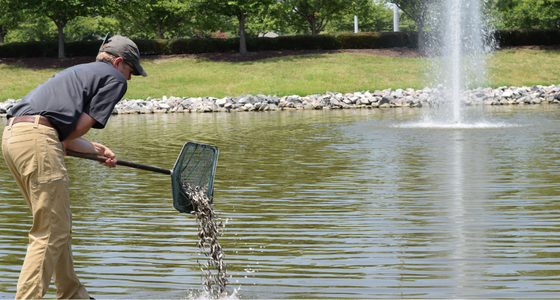
Are you ready to build a community fishery or grow trophy fish in your private lake? Fish stocking is an important step of fisheries management. Fall is an excellent time to stock your lake. Learn how strategic fish stocking can help you build your dream fishery!

BOOK YOUR FISH STOCKING

Why a Professional Is Needed for Fish Stocking

A diverse and productive fish population is essential to creating an ecologically balanced lake or pond. Fish stocking has clear benefits – from plant and mosquito management to exciting fishing opportunities – but many property owners are unaware of the sheer number of fish species to choose from, making it very easy to get confused.

There is more to fish stocking than the act of adding fish to a pond. Rushing the process by stocking the wrong fish, or doing so at the wrong time, can result in unhealthy population conditions and ecosystems. A key part of lake and pond management is making sure the fish population is well-balanced and best equipped to help achieve your specific goals for the aquatic ecosystem. That’s where a professional comes in.

Each body of water is different, so there are no one-size-fits-all solutions. A customized plan created by experts will ensure that your lake or pond has the right fish population to endure its health and your continued enjoyment. Based on the state of the ecosystem in your lake or pond, a professional will recommend whether or not you should add fish, what species are best suited for your waterbody, what time of year to stock, and how many.

SOLitude Lake Management | Proudly Serving Clients Nationwide

Tags: , ,
Shoreline & Erosion Control Management – SOLitude Lake Management

Shoreline & Erosion Control Management – SOLitude Lake Management

Enhance Your Shoreline and Repair Erosion Damage with Sustainable Solutions

Shoreline management should never be overlooked. It is one of the most important aspects of a healthy lake or pond. Proactive buffer and littoral zone management not only helps increase the aesthetics of your lake or pond, but it helps protect your waterbody from the harsh effects of erosion and prevents excess nutrients from entering the water column. If erosion damage has become too severe, erosion repair solutions can be implemented to help restore the shoreline and prevent future damage.

The Benefits Behind Vegetative Buffers and Littoral Zones

Many water quality issues are caused by or intensified by factors that begin outside of a waterbody. That is why it is crucial to cultivate a beneficial vegetative buffer and a littoral zone using native sedges, grasses, and flowering species to filter excess nutrients like phosphorus and nitrogen from the water column. Allowing the beneficial plants to take root will also add to the integrity of your shoreline.

Before, Golf Course Shoreline Restoration

Erosion Repair Technologies

If your shoreline has experienced the effects of erosion like vegetation loss or uneven and unstable banks, restoration efforts should be considered before attempting to establish plants around a pond or lake. With the latest erosion control technologies, you can repair erosion wear and tear and establish a stable, natural shoreline that will halt erosion and protect your waterbody from future damage.

Discover Sustainable Solutions for Shoreline Management & Erosion Repair – Watch the Video

Tags: