Become our Member : JOIN SFPMA TODAY   LogIn / Register: LOGIN/REGISTER

SFPMA Industry Articles | news, legal updates, events & education! 

Find Blog Articles for Florida’s Condo, HOA and the Management Industry. 

Off-Season Maintenance Tips for Florida Lakes

Off-Season Maintenance Tips for Florida Lakes

  • Posted: Mar 01, 2026
  • By:
  • Comments: Comments Off on Off-Season Maintenance Tips for Florida Lakes

Off-Season Maintenance Tips for Florida Lakes

Unlike other areas of the country, lake maintenance in Florida is needed year-round.

Florida’s dry season is the perfect time to implement strategies to help improve water quality before warmer weather returns.

Want our lake management tips for Florida’s off-season?


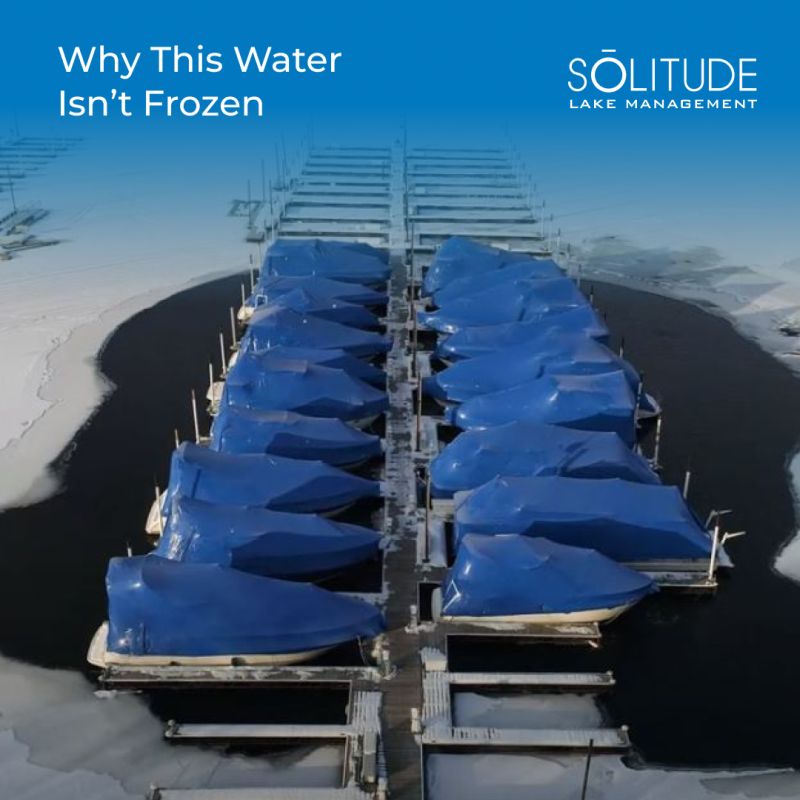
SOLitude Lake Management Winter Tip for Pond & Marina Owners


Notice how some areas stay ice-free while everything else is frozen? That’s the power of proper de-icing.

By circulating warmer water from below the surface, a de-icer helps prevent ice from forming around docks, boats, and equipment—protecting your investment and keeping your waterbody healthy through the coldest months.

Even in winter, balanced water is active water. 💧

https://hubs.ly/Q03Q-fhx0


Tags:
Claim Your Brand-New Fountain or Aerator by SOLitude

Claim Your Brand-New Fountain or Aerator by SOLitude

Only 3 days Left to Enjoy Fountain & Aerator Savings

Want to boost your pond’s aesthetics and improve oxygen levels? Take advantage of our offer before it expires!

Get 10% OFF a new fountain, surface aerator, submersed aerator, or de-icer*! This discount applies to the new system, labor, and installation.

These savings won’t last long. Claim your new system by 2.27.26.


Claim Your Discounted Fountain or Aerator! from Solitude Lake Management

Claim Your Discounted Fountain or Aerator! from Solitude Lake Management

SOLitude Lake Management Winter Tip for Pond & Marina Owners

SOLitude Lake Management Winter Tip for Pond & Marina Owners

SOLitude Lake Management Winter Tip for Pond & Marina Owners


Notice how some areas stay ice-free while everything else is frozen? That’s the power of proper de-icing.

By circulating warmer water from below the surface, a de-icer helps prevent ice from forming around docks, boats, and equipment—protecting your investment and keeping your waterbody healthy through the coldest months.

Even in winter, balanced water is active water. 💧

https://hubs.ly/Q03Q-fhx0


Tags:
Happy Holidays & A Joyful New Year from the SOLitude Family

Happy Holidays & A Joyful New Year from the SOLitude Family

  • Posted: Dec 18, 2025
  • By:
  • Comments: Comments Off on Happy Holidays & A Joyful New Year from the SOLitude Family

Happy Holidays & A Joyful New Year

As 2025 wraps up, we want to thank you for joining us in our mission to protect freshwater resources.

We know this past year was difficult for many, but we hope you were able to create memorable experiences on and around your waterbody despite the challenges we all faced. We believe that a balanced waterbody, whether it’s utilized for recreation, stormwater collection, or aesthetics, can make those around it happier and healthier.
 
As we look forward into 2025 and beyond, we are more passionate than ever to maintain our precious aquatic resources and promote meaningful experiences for our loyal clients.

During this time, contact us here or leave a message at 888-480-LAKE (5253).

 
Tags: ,
What Is Dissolved Oxygen and Why Is it Important for My Waterbody? by SOLitude

What Is Dissolved Oxygen and Why Is it Important for My Waterbody? by SOLitude

What Is Dissolved Oxygen and Why Is it Important for My Waterbody?

Dissolved oxygen (DO) refers to the concentration of oxygen in water. DO is vital for healthy lakes and ponds and key to the survival of fish, other aquatic life, and beneficial bacteria. DO also helps prevent muck build-up by supporting the decomposition of organic materials like dead plants and animal waste.
Waterbodies with insufficient DO are more likely to experience water quality and nutrient imbalances that may lead to:

  • Nuisance weeds
  • Algae
  • Toxic cyanobacteria (blue-green algae)
  • Fish kills
  • Foul odors
  • Bottom sludge
  • Loss of depth and flooding

Fortunately, many solutions are available to correct DO deficiencies, promote healthy water quality, and help prevent future issues.
 

Kasco-VFX-8400 - - fountains and aeration services at solitude lake management - vendor partners

Floating Pond Fountains

Fountains and surface aerators are some of the most recognizable tools designed to help oxygenate and circulate water. Both types of units improve water quality by creating surface movement and are most effective in waterbodies between 4-8 feet deep.
Fountains use specialized pumps to spray water into the air in decorative patterns. As it falls, it creates turbulence that facilitates the transfer of oxygen into the water column. However, the water quality benefits of fountains are often secondary to the aesthetic benefits.
Kasco Surface Aerator

Pond Surface Aerators

Surface aerators are low-profile units with strong propellers that create a boil-like flow. Though they’re less eye-catching than fountains, these systems can infuse up to 72 pounds of oxygen into the water in 24 hours, making them an excellent choice if water quality improvement is the priority.

Pond Submersed Aerator

For waterbodies greater than 6-8 feet deep, experts may recommend a submersed aerator, which uses an on-shore compressor to pump air through tubing to the bottom of a lake or pond where it is released through diffusers. The fine bubbles that are produced help oxygenate and circulate the water column as they rise. Submersed aerators can be placed directly under or near a fountain or surface aerator for maximum benefits.

Oxygenation Technologies

In addition to fountains and pond aerators, which have been used in the lake management industry for decades, there are also several new premium solutions for improving oxygen levels in waterbodies. Nanobubbles, side stream saturation, and other modern technologies help provide a more direct means of elevating DO.
Nanobubbles are microscopic bubbles that are continuously injected into the water with a compact, on-shore unit. They are negatively charged, allowing them to oxidize and degrade positively charged algal cells, toxins, and excess nutrients when they come in contact. Because they also lack natural buoyancy, they can remain in the water for months.
Side stream saturation offers comparable benefits to traditional aeration without producing bubbles. By injecting oxygen at low pressure through suction and discharge lines into specific water depths, this method achieves five to ten times the oxygenation efficiency. The oxygen-rich water is then infused into bottom sediments, where it remains for extended periods.
 
Tags: ,
Is Pond and Lake Algae Bloom Dangerous? by SOLitude Lake Management.

Is Pond and Lake Algae Bloom Dangerous? by SOLitude Lake Management.

Warm weather often comes with an increase in algal blooms in our waterways. Algae is a nuisance – it can grow in slimy, smelly mats, create eyesores, and entangle swimmers and fishing hooks.

Rather than creating places to connect with neighbors, watch beautiful sunsets, and host fun activities, waterbodies containing nuisance algae growth can lead to nasty comments and complaints. But in worst-case scenarios, it may pose a danger to the community. 

Although most algae aren’t dangerous to our health, we must be mindful and diligent about limiting our exposure to certain types of algal blooms. Harmful Algal Blooms (HABs), also known as blue-green algae or cyanobacteria, are a very serious issue impacting the safety of our waterways. Exposure to HABs can be life-threatening for people, pets, and wildlife due to toxins they are capable of releasing.

However, the toxicity of an algal bloom cannot be confirmed with a visual inspection. Suspected HABs must be sampled and tested at a lab to confirm the species of algae present. Once the species is confirmed, a management plan can be implemented.

What does harmful algae look like?

Harmful algal blooms can look like blue or green paint spilled into the water. It may also appear as thick, puffy blue or green foam on the surface of the water, or as swirling colors beneath the surface of the water. HABs can also have distinct smells that have been described as grassy, fishy, or septic.

What should I do if I suspect the presence of harmful algae?

Here are four things to do – or not do! – if you see anything that looks like an HAB in your waterbody:

  1. Call a professional immediately: It is impossible to tell from a visual inspection whether an algal bloom is toxic. It must be appropriately sampled and tested.
  2. Avoid it: Do not swim or wade through blue-green algal scums. Do not boat, water ski, jet ski, or fish where algal scum is present. And certainly, don’t source drinking water where algal blooms are present!
  3. Keep pets out: Do not let your pets swim in or drink from the water. Toxic algae blooms can be fatal to dogs and other animals. Even short exposures to some HABs can be fatal.
  4. Take extra precautions: If you or your family members, including pets, have been in water with any algae present, always shower off with soap and clean water after swimming.

Keep Your Water Safe and Clean with Annual Management

Keeping your community safe and happy is an utmost priority – because safe, happy residents are more engaged with each other, pleased with community leadership, and proud of where they live. An annual management program is one of the best ways to maintain the safety and aesthetics of your waterbodies. When monitored and managed on a consistent basis, it’s possible to identify and get ahead of HABs or other water quality problems before community members are affected.

Crown&Geyser_1HP_Bonita Springs, FL_GregO'Connor solitude lake managaement fountains and aeration systems vendor partners aquamaster

Annual Management Programs Tailored to You

Annual management programs are tailored to your specific needs, and may integrate an array of professional tools and strategies, including water quality testingfountains and aerationnutrient remediationbiological bacteria applicationsshoreline management and restorationbathymetric mapping, and mechanical solutions like mechanical hydro-raking or dredging. Contact your lake management professional to begin designing your custom annual management program.

Manage Algae & Pond Weeds with SOLitude

Tags: ,
Keep Your FL Lake Clean and Problem-Free by SOLITUDE

Keep Your FL Lake Clean and Problem-Free by SOLITUDE

Addressing Major Lake Issues Before the Growing Season

The growing season refers to the time of year – typically the spring months – when aquatic weedsalgae, and toxic cyanobacteria (blue-green algae) begin to appear in the water. The timeframe can differ depending on the region of the country in which a waterbody is located and natural weather variations. But no matter where you live, nuisance growth may indicate imbalances in the aquatic ecosystem that were not addressed in the weeks and months leading up to this defining season.

Many property owners do not realize that the management of lakes and ponds shouldn’t end when winter weather arrives. In fact, it is a great time to reevaluate waterbody goals for the coming year and implement management solutions that are more difficult to apply when the water is being actively used for recreation, stormwater collection, or aesthetic purposes.

Prepare Your Lake for Spring: Here’s Where to Start

Typically, the off-season months provide a valuable window to complete long-awaited projects like shoreline restoration, mechanical hydro-raking, or dredging, and nutrient remediation. Each of these solutions can help support healthier water quality conditions and reduce the risk of major lake issues when the growing season arrives.

Prevent algae and weeds next growing season with these management tips:

Repair Shoreline Damage & Enhance Your Buffer Zone

Jagged, crumbling, exposed shorelines can endanger people working or spending time in and around the water. Degraded shorelines can also contribute to the accumulation of muck at the bottom of lakes and ponds, and even cause waterfront properties to “shrink” as earth collapses into the water. These conditions don’t occur overnight; rather, they are a result of prolonged wear and tear from recreation, wind and rainfall, nuisance wildlife activity, urban development, and poor landscaping practices.

If ignored, erosion can aggravate water quality imbalances that increase the risk of weeds, toxic algae, and other problems during the growing season. Restoring degraded shorelines well before this time will help ensure your waterbody starts off on the right foot come spring.

littoral-shelf-beneficial-buffer

Repair Erosion Damage with Bioengineered Shorelines

Cutting-edge bioengineering techniques using a durable mesh material have made it possible to safely restore the aesthetics and functionality of degraded shorelines while repurposing eroded earth. Depending on the size and scope of a project, this process may require significant downtime, so the fall and winter months are an opportune time to take advantage of this service.

Once installed, these bioengineered shorelines will provide many years of stabilization and erosion control, particularly when beneficial vegetative buffers are also maintained around the waterbody to filter pollutants from stormwater runoff known to provoke water quality imbalances.

  • Shoreline Erosion Repair Results

Remove Muck & Debris with Hydro-raking

Lakes and ponds are consistently inundated with eroded sediment and debris such as branches, leaves, lawn clippings, trash, and other detritus that create bottom muck containing highly concentrated nutrients as they decompose. Over time, muck levels can increase, reducing the overall depth and volume of the waterbody. Excessive build-up may lead to a host of problems during the growing season, including flooding, depleted dissolved oxygen levels, water murkiness, bad odors, fish kills, and increased weed and algae infestations.

It is possible to physically remove build-up using mechanical solutions like hydro-raking and dredging. Hydro-raking is often used for “spot treatments” in areas with disproportionate materials, such as stormwater pipes and dock areas. A hydro-rake is essentially a floating barge with a rake attachment that can remove up to 500 pounds of decomposing material in each scoop and deposit it on the shore for physical removal or repurposing during shoreline restoration projects.

Hydro-Raking Services

Restore Depth with Dredging

If build-up has reached more concerning levels, dredging may be required. Professionals choose from two primary types of dredging equipment based on the goals for the property – each can restore the waterbody to its original depth and volume, but may reset the ecosystem entirely. Conducting dredging far ahead of the upcoming growing season provides a window to begin implementing proactive solutions to ensure water quality is healthy and stable come spring.

The off-season is an excellent time to complete mechanical projects as they can both interfere dramatically with the use of the waterbody. Removing muck and debris that accumulated during the warmer months will also help reduce overall nutrient concentrations, providing less fuel for algae and weeds when the growing season arrives.

Balance Water Quality with Nutrient Management

Phosphorus and nitrogen are the primary nutrients responsible for the growth of excess weeds and algae and are found in both the water column and the bottom sediments. Naturally-occurring nutrient remediation products like Phoslock and Aluminum Sulfate (Alum) can be professionally applied to bind with nutrients, making them unavailable for uptake by weeds and algae. Other solutions like EutroSORB may be used to filter and physically remove undesirable nutrients from the water.

Nutrient remediation can be effective in the warmer months and, when implemented by licensed professionals, is low-risk for use around people and animals. However, conducting nutrient remediation services during the off-season can help prevent nuisance growth before it becomes a problem, allowing people to start enjoying their waterbodies sooner. It’s important to note that regions that experience more severe winters and freezing waters may not be candidates for off-season nutrient remediation services. A professional can help stakeholders determine the most effective time of year to apply nutrient remediation products.

Avoid Water Quality Issues This Growing Season

It can be confusing for stakeholders to know what their waterbodies need – and when – but it’s never too early or late to begin implementing these or other lake and pond management solutions. Ultimately, we share your goal of maximizing the use of your water resources throughout the year. By taking advantage of the cooler months to complete these impactful projects, stakeholders can avoid major water quality issues that the growing season is known for. Instead, they can focus on enjoying the water without looming threats of nuisance growth – and the complaints, safety concerns, and unexpected costs that come with it.

Tags:
Which Sediment or Muck Removal Option Is Best for My Waterbody?

Which Sediment or Muck Removal Option Is Best for My Waterbody?

Virtually all explanations of dredging include the physical scooping up of underwater sand and clay sediments to enhance a merchant ship’s access to a port or waterway. If these waterways become inaccessible, the economic consequences are far-reaching.

Today, however, massive algal blooms, animal fatalities from toxic byproducts of algae, and the spread of invasive plants and animals are sharing the front-page news with national economic interests. For those of us living on a waterbody, it’s clear that our personal economic interests are rewarded via higher property values if the nearby water is both navigable and healthy. As a waterbody ages and becomes “silted-in,” organic nutrients fuel invasive plant and algae growth, and property owners suffer the consequences of bright green water, fish kills, and dangerous swimming conditions. Unfortunately, the solution to these rampant biological problems involves more than just scooping up the muck. Hence, we need to look at dredging options and aquatic management in a unified perspective.

Choosing the Dredging Tool for Your Waterbody

Fortunately, there are many proactive aquatic management solutions that can be implemented to help slow or prevent the aging of waterbodies, such as proper land use management, maintenance of beneficial vegetative buffers and sediment traps, installation of aeration systems, and utilization of nutrient absorbing products. However, when sediment buildup is too much to dock a boat or when aquatic plants and algae are perpetually out of control, you’ll need to call in a professional waterbody manager accompanied by a portfolio of dredging techniques.

There are several methods of sediment or muck removal: hydraulic dredging, clamshell or backhoe dredging, dry dredging, and hydro-raking. The chosen method will depend on a number of factors, including sediment composition, environmental sensitivity, the volume of materials removed, budget, and disposal considerations.

Which Dredging or Sediment Removal Option Is Best for My Waterbody?

Mechanical Dredging

Mechanical dredges (clamshell or backhoe dredgers) use buckets to scoop out bottom sediment and transfer it to trucks or barges for transport to disposal sites. Truck transportable mechanical dredges such as Aquamogs can remove small volumes of sediments such as shoals that prevent boater access to a lake, while large oceangoing dredgers are capable of digging to great depths to facilitate the new era of ultra–large container ships. In the case of the drawdown and excavation method (dry dredging), the whole waterbody is drained and sufficient shoreline access is needed for the trucking and hauling involved. However, most lakes cannot be emptied due to environmental concerns or high water tables.

Hydraulic Dredge

Hydraulic Dredging

Hydraulic dredges are the workhorse of the dredging industry and are effective in moving large volumes of organic and inorganic sediment. They work by sucking slurry (a mixture of sediment and water) from the bottom and then pumping it to an offshore location through a pipeline. Hydraulic dredges have almost continuous operating cycles, allowing the removal of large volumes of material in a short time while minimizing the resuspension of material into the water column due to their closed-cycle system of operation. Typically, this method is better suited for sediments with little debris mixed in, as large objects and rocks can damage the cutter and clog the pipeline. A large disposal area is also required.

Hydro-rake

Hydro-raking

Unlike the mechanical and hydraulic dredge, the hydro-rake cannot be used to remove sediment, however, it is an effective tool for accumulated muck removal. Hydro-raking is frequently chosen as a method to remove nuisance aquatic vegetation, root structures, debris, and organic muck on a smaller scale waterbody.  The hydro-rake can best be described as a floating barge upon which is mounted a backhoe with a digging bucket or rake capable of removing accumulated muck in water as shallow as 18 inches. Hydro-raking can effectively target organic muck accumulations and debris in coves, stormwater ponds, and other shallow areas. If a pond is periodically maintained through hydro-raking, the need to perform a large-scale dredging project may be eliminated, saving financial resources and minimizing ecological disruptions.

Paragraph 5 - Managing vegetation in and around - fountains and aeration

How to Maintain Balanced Water Quality

Dredging is generally thought of as an expensive activity, but both your waterbody can benefit significantly from just a few days of budget-friendly spot dredging at pump intakes, swimming areas, or around boat docks. However, the ultimate cost-savings approach is proactive management. By taking preventative steps to reduce erosion, limit weed and algae growth, and maintain balanced water quality, it’s possible to prolong the need for both dredging and hydro-raking. The best way to accomplish this is through an annual management program that leans on sustainable strategies like aeration, nutrient remediation, shoreline maintenance, and many other custom solutions to maintain a healthy, functional waterbody.

To learn more or navigate through a wide variety of sediment, aquatic plant, or algae removal options for your waterbody, we encourage you to speak with your lake or pond management professional.


Tags: