Become our Member : JOIN SFPMA TODAY   LogIn / Register: LOGIN/REGISTER

SFPMA Industry Articles | news, legal updates, events & education! 

Find Blog Articles for Florida’s Condo, HOA and the Management Industry. 

Cohen Law Group:  We are Florida attorneys providing legal services for  Insurance Claim Disputes.

Cohen Law Group:  We are Florida attorneys providing legal services for  Insurance Claim Disputes.

Cohen Law Group:

   We are Florida attorneys providing legal services for  Insurance Claim Disputes. Whether you are a contractor, homeowner, business owner, or property manager, we are here to help you. As zealous advocates for your rights, we will listen to your story and recommend a sound legal strategy for the best opportunity to achieve success. Contact us 24/7 by calling 407-478-4878.


At Cohen Law Group, It’s About Justice!

“It’s About Justice” is more than a slogan. It is our firm’s mantra. The motto was developed by our founder, Harvey V. Cohen. We are aggressive, zealous advocates for our clients’ rights. Our commitment to our clients is evident by our prompt reply to all phone calls and our 24 hour availability through our phone answering service.

Effective legal representation requires experience and dedication to protect the rights of those who have entrusted us with their legal options and rights. Cohen Law Group has successfully represented many Florida residents throughout the years in various legal matters.


Make sure your legal rights are protected by seeking the legal advice of an experienced attorney.

Make sure your legal rights are protected – Contact Us


Why Should You Choose Us?

We are here to provide you with the highest standard of integrity and professionalism. We are here for you, we are your attorney, and we want to shine for you. With cases ranging from single family homes with roof damage to hurricane-damaged multi-unit apartment complexes, we are dedicated to giving you personal service. It’s all about justice here and we want to prove it to you.

OUR SERVICES

Insurance Claim Attorney

Due to the state of the economy, insurance claim disputes have become increasingly more common than even just a few years ago.
The bottom line is that insurance carriers must make a profit to continue to exist. The reality is that the law does not allow insurance carriers to make their profit by disputing or denying valid insurance claims by their policy holders.

Contractor Insurance Claim Dispute

Cohen Law Group stands up to these insurance carriers in valid contractor insurance claim disputes. Contractors have a right to be paid, just as the policy holder they are working for has a right to have a valid insurance claim paid.

Homeowner Insurance Claim Attorney

Have you had an insurance claim denied, partially paid, or reduced? If so, we may be able to help. Cohen Law Group stands up to these insurance carriers in valid homeowner insurance claim disputes.

Business Owners Insurance Claims Dispute

Cohen Law Group stands up to these insurance carriers in valid business/property owner insurance claim disputes. We possesses the experience and resources necessary to effectively guide you through each and every aspect of your business/property owner insurance claim dispute.


Tags:
Holiday season is here! As Floridians, we are no strangers to stressful traffic conditions.

Holiday season is here! As Floridians, we are no strangers to stressful traffic conditions.

  • Posted: Dec 18, 2025
  • By:
  • Comments: Comments Off on Holiday season is here! As Floridians, we are no strangers to stressful traffic conditions.

Holiday season is here! As Floridians, we are no strangers to stressful traffic conditions. Those everyday conditions combined with holiday shopping and increased tourism can unfortunately lead to an uptick in auto accidents. Here is some helpful information in case you or a loved one is involved in an auto accident this season. As always, if you need us, give us a call at 407-478-4878

Important Legal Tips To Protect You After An Accident

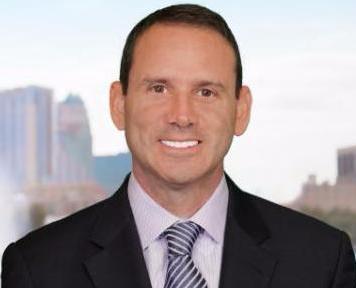
By Brett Sahm, Esq.

What do you think the number one tactic is that an at-fault driver’s insurance company will use against you?

ANSWER: If you are injured in the accident, the other driver’s insurance company will try to make the case that you were injured before the accident.

Even if you were feeling completely fine before the accident, the insurance company will attempt to blame some portion of your injuries, pain, suffering, and medical bills on something that happened in your past.

You might be saying to yourself:

“If I didn’t feel pain, or seek medical treatment, for several months or years before this car accident, why would they claim that my injury wasn’t solely related to the car accident?”

The answer resides in Florida standard jury instruction 501.5, entitled “other contributing causes of damages.” Under 501.5, a judge instructs Florida jurors to determine which percentage of a plaintiff’s injury was due to a pre-existing condition, and which percentage of the injury was due to THIS accident (the exacerbation of a pre-existing condition and/or a brand new injury).

If an insurance company can point to anything which may have contributed to your current injury – such as, a prior car accident (even a fender bender), a prior sports injury, a prior fall of bike accident, lifting heavy weights, working a tough job with manual labor, a prior surgery – the insurance company will do everything they can to shift blame to those prior occurrences.

Why?

Because their goal is to persuade the jury to attribute a smaller percentage of the blame to this accident. If the jury only assigns 50% of the blame for the injury to this accident, the insurance company saves thousands of dollars and you lose thousands of dollars.

So, knowing that this is ALWAYS the insurance company’s main strategy, what can you do to help yourself after an accident?

Here are my main tips.

1. Watch what you tell your doctor and watch what you put on your medical intake forms.

Everything you tell your doctor is subsequently put into your medical records. Medical records can make or break a case. If you talk about prior injuries, prior pain, strenuous work, lifting heavy weights, that all goes into the medical records.

If it goes into the medical records, the insurance company will see it, and they will use it as a sword against you. Do not give them ammunition to use against you!

2. In certain instances, you will not be able to keep prior medical conditions out of the medical records.

For example, if you had prior lumbar/lower back surgery, you will need to tell that to your chiropractor or orthopedic. Also, the fact that you had surgery is obvious from the MRIs. However, be sure to tell your doctor how long you were pain free prior to this accident.

How long was life sailing along smoothly before this accident? Tell that to your doctor. Also, and this is extremely important, get the actual films from your previous MRIs and make sure to give them to your attorney. If your prior lumbar MRI shows two bulging discs and one herniated disc, and your new MRI shows five herniated discs, then you have clear evidence of exacerbation of the previous injury and also a brand new injury.

Therefore, the most important thing is to have all your MRI films so that a radiologist or orthopedic can compare what was going on before with what is going on now. If something new is going on now, then the insurance company can’t blame it on some past event(s).

3. Photographs matter!

Although someone can get seriously injured from a minor impact, perception matters to a jury. If you have a small dent in your bumper, no matter how hurt you may be, do you really think that your average juror will believe that your injuries are solely from this accident? Probably not.

So what can you do about it?

Well, first off, if there was major damage to the vehicles from this accident, make sure to get a lot of photographs of both vehicles (and your body if there is bruising, cuts, etc.). The more damage in this accident, the easier for a jury to believe that this was the accident that caused all your injuries.

Second, if you have been in prior accidents, and they were fender benders or minor, give your attorney photos of the damage from those accidents. As I said about comparing the MRI films to show an exacerbated or new injury, we can show pictures of both accidents for the proposition that this accident was markedly worse than the last one.

4. Do not offer up information to any insurance company.

Sometimes, the at-fault driver’s insurance company will want you to give a recorded statement after the accident, or they want you to sign a medical record release.

First off, get an attorney. Once you are represented, everything has to go through your attorney, and your attorney will be keen to the game the insurance company is playing. You might say to yourself: well, it’s clear that the other person is at-fault, maybe I can save money by just working with the insurance company myself instead of retaining an attorney.

The problem is: you don’t know the game, and they are masters of the game. Chances are, they will find something out about your past medical history, or they will be sneaky and find out that you played high school football, and then they won’t offer you money for your claim because they’ll say your injuries arose from your prior accidents or activities.

Don’t do this. Don’t do recorded statements. Don’t offer them any information without seeking counsel.

5. Gather all of your prior medical records

Be sure to include routine primary care physician records for the last 10 years and provide these to your attorney. Chances are that the latest records before the accident will show reduced, diminished, or non-existent pain levels.

Perhaps the visit was for something completely unrelated, and you had no pain. This is good. It shows that this accident caused the pain, and you weren’t seeing a doctor for this pain for an extended time prior to THIS accident.

Prior medical history can actually be used by your attorney to help your case.

6. Think about what you could do before THIS accident versus WHAT you could do after the accident.

Was life limited in some way? How?

Here’s an example: could you work at a certain occupation before the accident that you can’t work at now because of extended standing or sitting?

I had a client get in a serious accident after having just received a job offer which would have been a substantial increase in pay. She had to decline the job because she was not able to physically perform it. But she could have performed it before the accident. Proof of things like this can help with the current injury versus pre-existing injury argument.

7. How you present yourself matters, whether it’s online or at a deposition.

Ultimately, a jury will decide your case. Either that, or the insurance company will make an offer to settle before trial. You often are the most important factor in your case!

Are you believable? Are you likeable? Do you come across as genuine and honest? Do you dress professionally? Are you making an attempt at growth in your life? All of these things matter.

That’s why your deposition is so important. It is your opportunity to relay the truth to opposing counsel. While a prior injury will be targeted by opposing counsel in his/her questioning, you can make it clear that you were pain free before and you are impaired now. You can state all of the things you could do before the accident that you can’t do now. You can tell opposing counsel all of your friends and family who will testify regarding your condition before and after the accident.


But the most important thing is whether the opposing counsel thinks a jury will believe you. Do you come across as someone who is genuine and likeable? Or, do you come across as someone who is exaggerating her symptoms? My biggest pre-suit settlements are those where opposing counsel has taken the deposition of my client, and my client comes across as educated, hard-working, disciplined, and eloquent.

People have sympathy for those who are truly trying to improve their situation (routinely going to doctors, independently seeking knowledge of how to help themselves), but simply cannot because of the injury. Your attorney will help you prepare for the deposition.

There’s one important point that your attorney will likely tell you: if you can’t truly remember seeking prior medical treatment for any prior injuries, don’t simply offer up what you think.

Along the same lines, if you can’t specifically remember doing anything strenuous which could cause injuries, don’t simply say you “think” you did something. Remember, the opposing attorney is trying to discover a prior medical history of similar injuries, or a prior history of things you did that could have contributed to an injury (even if you didn’t specifically seek out treatment).

Do not offer up information unless you are certain about the information. Everything, and I mean everything, from your past will be used against you in an attempt to get reduced damages from a jury. So, be careful what you offer up freely.


Tags: , ,
Deep Dive on Insurance Deductibles – by Cohen Law Group

Deep Dive on Insurance Deductibles – by Cohen Law Group

  • Posted: Feb 02, 2024
  • By:
  • Comments: Comments Off on Deep Dive on Insurance Deductibles – by Cohen Law Group

In almost every homeowner’s insurance contract, there is a deductible that the homeowner is
required to pay before insurance proceeds become due and owing. Many times, the amount of the
deductible is dependent on whether the claim is a hurricane loss or a non-hurricane loss. Although
homeowners can obtain lower deductible amounts, usually by paying higher premiums, a vast
number of policies in Florida contain higher deductibles for hurricane losses than non-hurricane losses.
A very basic way of looking at the deductible, if the homeowner has a deductible of $5,000 on a
hurricane claim, the loss must have a value of more than that $5,000 before the insurance company is
required to pay any funds for the loss. If the value of the claim is below $5,000 that is typically referred
to as being below deductible. If the claim is valued at $6,000 then the insurance company will reduce
the payment by the $5,000 deductible, as the homeowner is responsible for paying this for the repairs,
and will make a payment to the homeowner for $1,000.

I often speak with homeowners who will receive a small payment for their damages that was
reduced by the deductible. Many homeowners are under the impression that because the amount paid
was reduced by the amount of the deductible, that the deductible has been paid. This is not the case. In
its simplest form, if the homeowner needs $20,000 for the damages and there is a $5,000 deductible,
then the homeowner will receive $15,000 and will be required to pay out of pocket the $5,000
deductible.

Florida statute 489.147 (2023) addresses prohibited property insurance practices. The statute
states that the “consumer is responsible for payment of any insurance deductible.” Subsection (3) states
that it is a felony of the third degree to pay, waive, or rebate any part of the insurance deductible with
the intent to injure, defraud, or deceive.

It is important for homeowners to understand how their policy works and specifically, what type
of costs the homeowner could be liable for when shopping for insurance. Many times, I believe, it is
better to pay a little extra in premium for a lower deductible than to be subject to much larger hurricane
deductibles.

Brandon Pharis, Esq.

Cohen Law Group

Tags: , ,
If your residential, commercial, or industrial properties have property damage, our Insurance Claims Attorneys can help with everything from A-Z on hurricane claims. by Cohen Law Group.

If your residential, commercial, or industrial properties have property damage, our Insurance Claims Attorneys can help with everything from A-Z on hurricane claims. by Cohen Law Group.

Cohen Law Group would like to remind all Property Managers and CAMs that our firm has handled thousands and thousands of property damage insurance claims in Florida. We have decades of experience handling hurricane claims that have been denied, delayed, or reduced.

If you are unsure if your property sustained damage as a result of Hurricane Idalia you should ask for an inspection by a qualified contractor, estimator or building inspector to assess whether hurricane-force winds damaged or compromised the roofing system and building envelope. Many companies offer this initial inspection free of charge. Given the complexities of a large loss claim, consider consulting with an attorney experienced in handling commercial insurance claims for condominiums and homeowner’s associations.


We can connect you with top professionals in the industry to evaluate hurricane damage and we can assist you with handling an insurance claim the right way– today.


Here’s more information on how we can help you:

Cohen Law Group is certified through the state of Florida for Property Manager and CAM Continuing Education Credits/Classes. We have a one to three-hour CE class called “A CAMs/Property Managers Guide to Property Damage Insurance Claims”

We can schedule a free lunch and learn with your CAMs and will provide an overview of our suggestions and strategies as well as some examples of our vast experience with Residential Property Damage and Commercial Large Loss.

If your residential, commercial, or industrial properties have property damage, our Insurance Claims Attorneys can help with everything from A-Z on hurricane claims.

Please call us today at 850-318-7474 


Here are some tips for property owners

immediately after a hurricane:

You have 1 year from the date of loss to report the claim. Please do not hesitate in reporting the claim immediately as you are aware there is storm damage. Believing the damages are below your deductible is not a defense to this and the insurance company will use every day you wait against you later.

Thoroughly document all emergency repairs before and after they are completed. Insurance companies will try to get out of paying for these services if they believe they do not have sufficient information.

If you are displaced from your home or property, please keep all invoices and receipts showing costs that you incur. Likewise, if you have any damaged personal property, please take photographs of it before you throw it away.

Insurance companies cannot cancel your policy while you have an open claim. You should speak to an attorney to understand your rights. Insurance companies will routinely request that you sign documents and give statements to them that can and will be used against you later.

489.147 Prohibited property insurance practices.—

(1) As used in this section, the term:

(a) “Prohibited advertisement” means any written or electronic communication by a contractor which encourages, instructs, or induces a consumer to contact a contractor or public adjuster for the purpose of making an insurance claim for roof damage, if such communication does not state in a font size of at least 12 points and at least half as large as the largest font size used in the communication that:

1. The consumer is responsible for payment of any insurance deductible;

2. It is insurance fraud punishable as a felony of the third degree for a contractor to knowingly or willfully, and with intent to injure, defraud, or deceive, pay, waive, or rebate all or part of an insurance deductible applicable to payment to the contractor for repairs to a property covered by a property insurance policy; and

3. It is insurance fraud punishable as a felony of the third degree to intentionally file an insurance claim containing any false, incomplete, or misleading information.


Harvey V. Cohen, President

Harvey Cohen Signature


At Cohen Law Group, It’s About Justice!

It’s more than a slogan, it’s our firm’s mantra. We are zealous in protecting your rights. We offer 24-hour availability through our answering service. Call us today.

(850)318-7474

Members of  SFPMA – https://sfpma.com/listing/cohen-law-group/


Tags: , , ,
“What To Do In The Aftermath Of a Hurricane” by Cohen Law Group

“What To Do In The Aftermath Of a Hurricane” by Cohen Law Group

Cohen Law Group would like to remind all Property Managers and CAMs that our firm has handled thousands and thousands of property damage insurance claims in Florida. We have decades of experience handling hurricane claims that have been denied, delayed, or reduced.
If you are unsure if your property sustained damage as a result of a Hurricane you should ask for an inspection by a qualified contractor, estimator or building inspector to assess whether hurricane-force winds damaged or compromised the roofing system and building envelope. Many companies offer this initial inspection free of charge. Given the complexities of a large loss claim, consider consulting with an attorney experienced in handling commercial insurance claims for condominiums and homeowner’s associations.
We can connect you with top professionals in the industry to evaluate hurricane damage and we can assist you with handling an insurance claim the right way– today.
Here’s more information on how we can help you:
Cohen Law Group is certified through the state of Florida for Property Manager and CAM Continuing Education Credits/Classes. We have a one to three-hour CE class called “A CAMs/Property Managers Guide to Property Damage Insurance Claims” 
· Planning for Success
· Knowing What’s in Your Insurance Policy
· After the Storm
We can schedule a free lunch and learn with your CAMs and will provide an overview of our suggestions and strategies as well as some examples of our vast experience with Residential Property Damage and Commercial Large Loss.
If you’re residential, commercial, or industrial properties have property damage, our Insurance Claims Attorneys can help with everything from A-Z on hurricane claims.

Please call us today at (407)702-3125 or email us at Devan@itsaboutjustice.law

At Cohen Law Group, It’s About Justice!

It’s more than a slogan, it’s our firm’s mantra. We are zealous in protecting your rights. We offer 24-hour availability through our answering service. Call us today.

(407) 478-4878

Harvey V. Cohen, President


Storm Damage Claims for your property:

SFPMA & Members are ready to Handle Storm Damage & Claims for Condo and HOA Properties!

These Trusted Members are; Legal Firms, Public Adjusters, Roofing Engineering & Service Companies that work with you on Solutions to Storm Related Damage.


Has your Home, Condo or HOA Sustained Property Damage?

SFPMA has a team of Legal Experts, adjusters, estimators and claim specialists for the benefit of the Condo and HOA’s who sustained damage from the storms and fire, water or mold.

With the know-how and experience to analyze, evaluate, and negotiate the best settlement for your Insurance Claim!

“Get the maximum settlement for your damage claim!”


Florida Insurance Journal Report:  Claims Litigation Not Named as Major Factor in Florida Insolvencies

Florida Insurance Journal Report: Claims Litigation Not Named as Major Factor in Florida Insolvencies

  • Posted: Jul 28, 2023
  • By:
  • Comments: Comments Off on Florida Insurance Journal Report: Claims Litigation Not Named as Major Factor in Florida Insolvencies

Head Scratcher? Claims Litigation Not Named as Major Factor in Florida Insolvencies


Despite years of complaints from Florida property insurers and some lawmakers that out-of-control claims litigation was destroying the industry, recent regulators’ reports about the reasons for insolvencies make little mention of the “L-word.”

The omission has prompted some head scratching and new questions by policyholder representatives.

“That’s ridiculous,” said Gina Clausen Lozier, a south Florida plaintiffs’ attorney. “You’d think with all the concerns about litigation in the last few years that would be number one on the list.”

The Florida Department of Financial Services’ Division of Rehabilitation and Liquidation posted its 2022 Annual Report in April. It recently caught the eye of advocates for homeowners, policyholders that have seen premiums spike in Florida while at least 10 insurers have become insolvent since early 2021. The R&L report’s page 7 lists “factors contributing to insolvency,” including:

  • Inadequate capitalization or asset deterioration
  • Improper management
  • Insufficient claim reserves
  • Rapid premium growth
  • Inappropriate transactions with affiliates or subsidiaries
  • Inadequate premium rates
  • Natural disasters or catastrophic losses
  • Change in business conditions
  • Reinsurance market issues.

Claims litigation, which industry supporters have often called the number-one reason for insurers’ financial troubles in Florida, and which led to major legislative reforms in the last five years, is not mentioned directly in the report. That suggests that insurance company leadership and corporate structure, not trial lawyers, are more to blame for mismanaging operations and failing to maintain adequate reserves, said Doug Quinn, executive director of the American Policyholder Association, a national, non-profit group that advocates for investigations into insurers’ claims practices.

“All of the finger-pointing and scapegoating at consumer fraud, excess litigation, and roofing scams are just to divert attention away from what’s really going on behind the scenes,” Quinn said. “There’s a lot of finger-pointing at outside parties, but failing at business is an inside job.”

A Department of Financial Services official, responding to questions from Insurance Journal, said claims litigation is a factor behind the factors listed in the report. The R&L annual report examined insolvencies from 2017 through 2022, including the liquidations of St. Johns Insurance Co., Avatar Property and Casualty Insurance, and Southern Fidelity Insurance, said Devin Galetta, communications director for Florida’s chief financial officer, Jimmy Patronis.

“While the words ‘claims litigation’ do not appear on that particular page, the reality is that during the period covered by these reports, 79% of the nation’s homeowners insurance lawsuits were filed in Florida while the state only accounted for 9% of the nation’s homeowner’s insurance claims,” he said in an email, citing an oft-quoted statistic compiled by the Florida Office of Insurance Regulation, based on data from the National Association of Insurance Commissioners.

“‘Claims litigation’ is a driving factor for many of the listed insolvency factors, including asset deterioration, insufficient claims reserves, inadequate premium rates, reinsurance market issues and changing business conditions,” Galetta said.

He added that litigation is not the only force behind recent insolvencies. “But it is a throughput that causes a wide variety of disruptions to the insurance market as initial estimates of a storm’s cost continue to increase for months or years after a storm makes landfall, due to litigation costs.”

Other factors include sharply rising reinsurance prices and inadequate premium levels, which are included in the report.

The spike in reinsurance rates in the last three years reflects excessive claims litigation as much as anything, said Kevin Comerer, a consultant and registered lobbyist with Rubin, Turnbull & Associates, in Tallahassee. He was previously legislative director for a major Florida property insurer. Comerer noted that reinsurers have pulled back from the Florida market and have raised prices in large part because litigation soared between 2018 and 2023.

“You were seeing losses in year two and three that were equal to or greater than year one after a hurricane, and that was all because of an explosion of roof claims and lawsuits,” he said.

The R&L annual report isn’t the only regulatory document that doesn’t emphasize litigation as a driving force.

The division is required by state law to produce port-mortem reports each time an insurer is deemed insolvent. The division’s website lists insolvency reports only through 2019, but Galetta provided initial reports for four insurers that went out of business in 2022 and 2023: United Property and Casualty Insurance Co.; FedNat Insurance; Weston P&C; and Southern Fidelity.

In two of those reports, for FedNat and for Weston, claims lawsuits, litigation and attorneys fees were not listed.

“Despite significant capital infusions in 2020 and 2021, FNIC’s surplus as regarding to policyholders continued to decline,” the 7-page FedNat report notes. “Additional factors included poor operational results, limited access to additional capital, and a jeopardized financial stability rating.”

For Weston, the division said weather events played a significant role.

“The company had insufficient assets or reinsurance to pay potential claims to policyholders during the 2022-2023 Atlantic Hurricane season,” the report said. “Despite actions taken by Weston to improve its financial condition, including a Capital Management Plan and Risk Based Capital Plan, Weston’s surplus as regards policyholders continued to deteriorate and ultimately led to the company’s referral for delinquency proceedings.”

For United and Southern Fidelity’s delinquency proceedings, lawsuits were named as one contributor.

“UPCIC’s losses over multiple years affected its surplus,” the United report noted. “The large percentage of litigated claims drove up its costs. The $140 million reserve deficiency related to Hurricane Ian in September 2022 resulted in the company’s referral to the Department for delinquency proceedings.”

Florida insurance defense attorneys, carrier executives, industry lobbyists and prominent legislators in recent years have also pointed to assignment-of-benefits agreements as a major problem, leading to wildly inflated roof and water-damage claims and unnecessary litigation. The Florida Legislature in 2019 approved measures to limit AOBs. In 2022, lawmakers barred one-way attorney fees in AOB litigation, then outlawed AOBs altogether.

Only the Southern Fidelity insolvency report lists AOBs as a factor.

“Litigated claims related to Assignment of Benefits claims drove up costs in 2014-2015,” the report reads. “Losses from Hurricane Ida in 2021 are projected to exceed the top of the company’s catastrophe reinsurance tower. Ultimately, Southern Fidelity’s failure to secure a reinsurance program for the 2022 hurricane season and the late development of reserves for Louisiana claims exhausted the remaining surplus which resulted in the company’s referral for delinquency proceedings.”

Quinn and others have maintained that litigation has played a smaller role in financial losses than industry leaders have said, and intricate corporate structure and “profit shifting” are more to blame. At the May 2022 Florida special session on insurance reform, several Democratic lawmakers, including then-state Sen. Gary Farmer, D-Broward County, said that a number of companies had diverted profits to managing general agencies, leaving the actual insurance companies with inadequate reserves.

Quinn suggested the DFS reports bear that out with their references to “inappropriate transactions with affiliates or subsidiaries.”

“Properly managed and reserved companies do not go under,” Quinn said.

Industry advocates have strongly disagreed, noting that most insurers would not deliberately bleed themselves dry. Instead, they have argued, under the perfect storm of Florida statutes and court decisions that evolved over the last two decades, claims lawsuits and fraudulent roof claims became a cottage industry that exploded as some plaintiffs’ attorneys took advantage of prevailing-attorney fees and fee multipliers.


Thank You to the Cohen Law Group for sending us this article.

At Cohen Law Group, It’s About Justice!

“It’s About Justice” is more than a slogan. It is our firm’s mantra. The motto was developed by our founder, Harvey V. Cohen. We are aggressive, zealous advocates for our clients’ rights. Our commitment to our clients is evident by our prompt reply to all phone calls and our 24 hour availability through our phone answering service.

Effective legal representation requires experience and dedication to protect the rights of those who have entrusted us with their legal options and rights. Cohen Law Group has successfully represented many Florida residents throughout the years in various legal matters.


Tags: ,
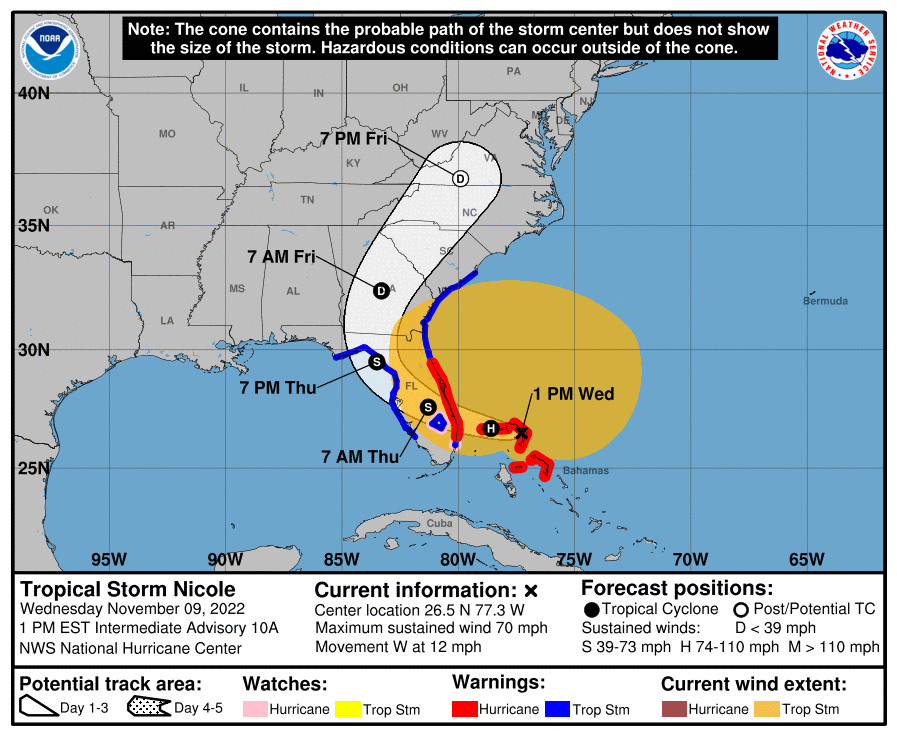
Prepare for Tropical Storm Nicole by Cohen Law Firm

Prepare for Tropical Storm Nicole by Cohen Law Firm

Prepare for Tropical Storm Nicole

by Cohen Law Firm

Homeowners & Property Owners Preparedness Tips:
It is extremely important for you to have records of your property’s condition in the event that you need to file a claim with your insurance company.
Before The Storm:
  • Take photos of your property- Interior of Home, Exterior of Home, Roof, Pool and Pool Area, Fencing, Trees, Front Yard, Back Yard.
  • If you are not able to take photos before a storm, collect the most recent photos you have taken of your property.
  • Document belongings- with proper documentation, you may also be able to recover lost expenses for home contents, personal property, and other items. Here is a list of some items to consider keeping receipts for or appraising: Televisions, Furniture, Jewelry, Artwork, Appliances, Computers, Antiques, Beds, Decks, Other Electronic Equipment
  • Know what is in your homeowner’s insurance policy.
  • Have records of your property’s condition in the event that you need to file a claim with your insurance company.
  • Review your mold coverage.
  • Review your flood coverage. This is normally separate insurance policy.
  • Ask your insurance agent about coverage for water damage, law and ordinance, debris removal, and additional living expenses.
  • Check your hurricane deductible, it can be much higher than your regular deductible.
  • Have a plan to move yourself and your family – especially those with special needs.
  • Have a portable radio, TV or NOAA Weather Radio on hand to monitor important information.
  • Homeowners who depend on well water should draw an emergency supply.
  • Get cash or travelers checks in case banks or ATMs are not operational.
  • Ensure all your electronic/mobile devices are fully charged.
  • Gather important documentation and place in waterproof container.
  • Make arrangements for pets; emergency shelters may not let you bring your animals with you.
  • Find out where the nearest shelter is located and the routes to get there.
  • Fill your automobile(s) with gas or ensure your electric vehicle is charged.
  • If you have an emergency power source, learn how to use it properly.
After The Storm:
  • When it is safe to do so, photograph your property’s: Interior, Exterior, and Roof
  • Consult with an attorney experienced in handling insurance claims before giving any recorded statements or meeting with an adjuster assigned to the claim.
  • Call the insurance carrier and timely report the claim.
  • Homeowners should obtain an inspection by a qualified contractor and/or roofer to assess whether the hurricane force winds have damaged or diminished the roofing system and building envelope.
  • Take photos and record the questions and answers when talking to adjusters.
  • Make sure to keep track of the name and number of every person you talk to at your insurance company.
  • Check your Co-Insurance penalties.
  • Make a copy of the insurance policy and keep it in a safe place.
  • Check your policy coverages and sublimits.
  • Just because water has not began to enter the structure does not mean that there is not damage to their property.
  • We have seen too many homeowner claims where an engineer is hired months after the storm and the engineer states the damage preexisted the hurricane.
  • For more information about the work we do with insurance claims, Click Here.
Business Owners Preparedness Tips:
  • Businesses should pay close attention to the storm’s forecast over the weekend. The National Hurricane Center releases a new full advisory every 6 hours, at 5am, 11am, 5pm and 11pm EDT. They are issuing intermediate advisories every 3 hours, between the full advisories (1am, 8am, 1pm, 8pm EDT.)
  • During this time, it’s important to review your disaster and emergency communication plan.
  • Backup all data on servers and personal computers and ensure remote access is available.
  • Ensure your equipment is raised above potential flood levels.
  • Review your insurance policies to mitigate any possible gaps in coverage.
  • Protect and duplicate important business documents and records. Be sure they are accessible from anywhere.
For More Information Click The Link Below:
Tags:
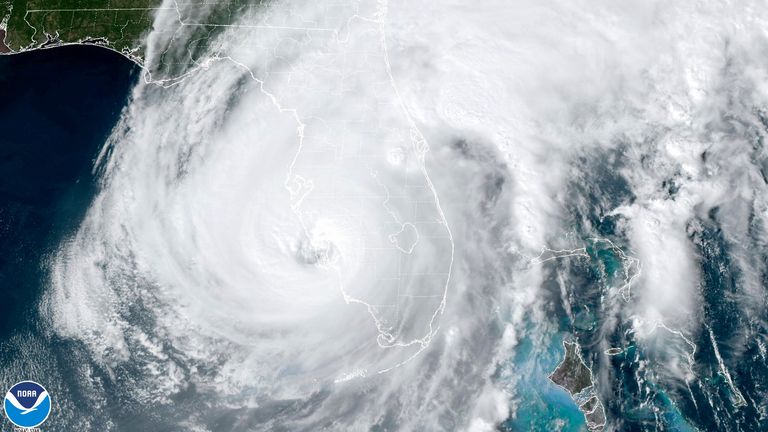
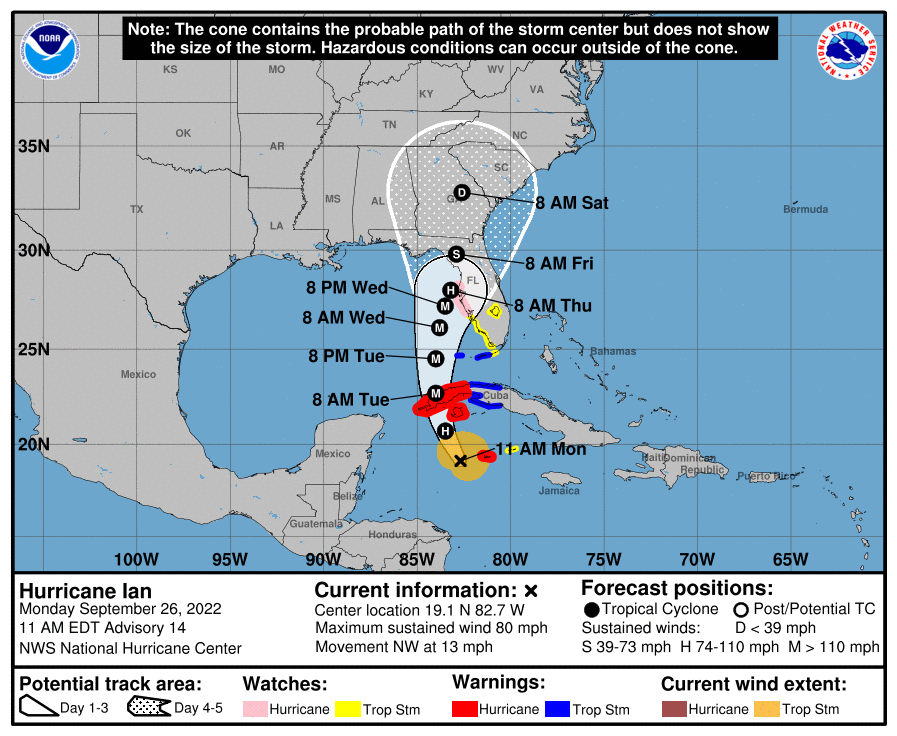
Prepare for Hurricane Ian Homeowners & Property Owners Preparedness Tips: by Cohen Law Group

Prepare for Hurricane Ian Homeowners & Property Owners Preparedness Tips: by Cohen Law Group

It is extremely important for you to have records of your property’s condition in the event that you need to file a claim with your insurance company.

Click Here For The Homeowners Guide To Storm Damage

Before The Storm:

  • Take photos of your property- Interior of Home, Exterior of Home, Roof, Pool and Pool Area, Fencing, Trees, Front Yard, Back Yard.
  • If you are not able to take photos before a storm, collect the most recent photos you have taken of your property.
  • Document belongings- with proper documentation, you may also be able to recover lost expenses for home contents, personal property, and other items. Here is a list of some items to consider keeping receipts for or appraising: Televisions, Furniture, Jewelry, Artwork, Appliances, Computers, Antiques, Beds, Decks, Other Electronic Equipment
  • Know what is in your homeowner’s insurance policy.
  • Have records of your property’s condition in the event that you need to file a claim with your insurance company.
  • Review your mold coverage.
  • Review your flood coverage. This is normally separate insurance policy.
  • Ask your insurance agent about coverage for water damage, law and ordinance, debris removal, and additional living expenses.
  • Check your hurricane deductible, it can be much higher than your regular deductible.
  • Have a plan to move yourself and your family – especially those with special needs.
  • Have a portable radio, TV or NOAA Weather Radio on hand to monitor important information.
  • Homeowners who depend on well water should draw an emergency supply.
  • Get cash or travelers checks in case banks or ATMs are not operational.
  • Ensure all your electronic/mobile devices are fully charged.
  • Gather important documentation and place in waterproof container.
  • Make arrangements for pets; emergency shelters may not let you bring your animals with you.
  • Find out where the nearest shelter is located and the routes to get there.
  • Fill your automobile(s) with gas or ensure your electric vehicle is charged.
  • If you have an emergency power source, learn how to use it properly.

After The Storm:

  • When it is safe to do so, photograph your property’s: Interior, Exterior, and Roof
  • Consult with an attorney experienced in handling insurance claims before giving any recorded statements or meeting with an adjuster assigned to the claim.
  • Call the insurance carrier and timely report the claim.
  • Homeowners should obtain an inspection by a qualified contractor and/or roofer to assess whether the hurricane force winds have damaged or diminished the roofing system and building envelope.
  • Take photos and record the questions and answers when talking to adjusters.
  • Make sure to keep track of the name and number of every person you talk to at your insurance company.
  • Check your Co-Insurance penalties.
  • Make a copy of the insurance policy and keep it in a safe place.
  • Check your policy coverages and sublimits.
  • Just because water has not began to enter the structure does not mean that there is not damage to their property.
  • We have seen too many homeowner claims where an engineer is hired months after the storm and the engineer states the damage preexisted the hurricane.
  • For more information about the work we do with insurance claims, Click Here.

Business Owners Preparedness Tips:

Click Here For The Large Loss Guide To Storm Damage

  • Businesses should pay close attention to the storm’s forecast over the weekend. The National Hurricane Center releases a new full advisory every 6 hours, at 5am, 11am, 5pm and 11pm EDT. They are issuing intermediate advisories every 3 hours, between the full advisories (1am, 8am, 1pm, 8pm EDT.)
  • During this time, it’s important to review your disaster and emergency communication plan.
  • Backup all data on servers and personal computers and ensure remote access is available.
  • Ensure your equipment is raised above potential flood levels.
  • Review your insurance policies to mitigate any possible gaps in coverage.
  • Protect and duplicate important business documents and records. Be sure they are accessible from anywhere.

For More Information Click The Link Below:

http://itsaboutjustice.law/hurricane-preparedness/


Tags: ,